Auto Financing in Pakistan Shows Resilience in April 2026
Automobile financing in Pakistan reached Rs359.58 billion in April 2026, showing steady growth despite high interest rates and rising prices. SBP data also highlights strong increases in housing finance and overall consumer credit. This article breaks down the trends and what they mean for everyday Pakistanis.
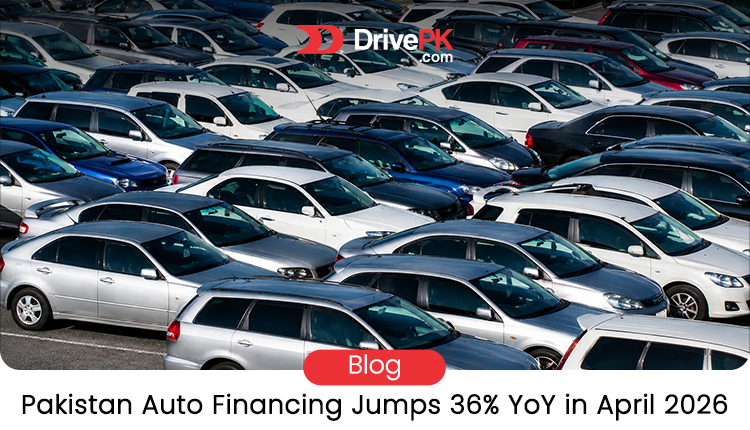
Table of Contents
- Breaking Down the Consumer Financing Numbers
- Private Sector Credit: Broad but Uneven Growth
- Why Auto Financing Is Growing And Why It's Not Faster
- Housing Finance: Steady Progress Amid Housing Shortage
- What This Means for Ordinary Pakistanis
- Looking Ahead: Cautious Optimism
The latest numbers from the State Bank of Pakistan paint a mixed but hopeful picture for consumer borrowing. Automobile financing climbed to Rs359.58 billion in April 2026. That marks a 4.12% rise from March and a solid 36.56% jump from the same month last year.
People are clearly showing interest in buying cars again. But the road isn't entirely smooth. High interest rates, expensive vehicles, and extra taxes on imported parts keep things challenging.
Breaking Down the Consumer Financing Numbers
Consumer financing as a whole hit Rs1.07 trillion. This reflects a healthy 20.53% year-on-year increase.
- Housing finance rose to Rs234.76 billion, up 16.79% from last year. Month-on-month, it grew 3.19%.
- Personal loans stood at Rs278.52 billion, with a modest 3.81% yearly gain but a slight dip month-on-month.
These figures suggest that while cars grab headlines, homes and personal needs also drive borrowing. Government schemes like affordable housing initiatives appear to support steady growth in mortgages.
Private Sector Credit: Broad but Uneven Growth
Outstanding credit to the private sector reached Rs10.64 trillion in April. That's an 11.77% annual increase, though it slipped a bit from March.
Manufacturing loans grew year-on-year. Agriculture, forestry, and fishing saw a strong 29% jump. Construction borrowing, however, weakened.
This mix shows recovery in some areas of the economy, while others lag. Banks seem more willing to lend for productive sectors, but consumers still face hurdles.
Why Auto Financing Is Growing And Why It's Not Faster
Car sales data backs the financing trend. In April 2026, local automakers sold around 22,015 vehicles more than double the same month last year. Suzuki led the pack, followed by Toyota and Honda. New players like Jetour also made their mark.
Lower interest rates from earlier policy easing have helped bring buyers back to showrooms. Yet several factors hold back stronger growth:
- High interest rates: Even after some cuts, borrowing costs remain elevated. The policy rate stood around 11.5% recently.
- Rising vehicle prices: Inflation and taxes push sticker prices higher.
- Regulatory limits: Loan caps, shorter tenures for smaller cars, and higher down payments make approvals tougher for average buyers.
- Taxes on imports: Duties on parts and completely built units add to costs for manufacturers and buyers alike.
Many families still find monthly installments out of reach. This explains why financing grows but hasn't returned to its peak levels from a few years ago.
Housing Finance: Steady Progress Amid Housing Shortage
Housing finance grew faster than personal loans on a yearly basis. Recent SBP measures aim to speed up approvals – banks now have 15 working days to process complete applications under affordable schemes. Loan limits have increased in some cases, and markup rates got adjusted lower for eligible borrowers.
Pakistan faces a big housing deficit. These steps, combined with schemes like Mera Pakistan Mera Ghar, could help more middle-income families own homes. Still, overall uptake remains below potential due to documentation issues and high construction costs.
What This Means for Ordinary Pakistanis
If you're thinking about buying a car or a house, the data show both opportunity and caution. Financing is more available than during the high-rate crunch of recent years. But careful budgeting matters.
Auto sales surged in April, which points to returning confidence. Proposed changes in the upcoming Auto Policy 2026-31 – like longer loan tenures up to 7 years and possible tax relief – could make cars more affordable in the coming months.
For the broader economy, rising consumer credit supports growth in manufacturing and services. Stronger agriculture lending helps rural areas. The challenge is keeping inflation in check so that real incomes don't get eroded.
Looking Ahead: Cautious Optimism
The numbers reflect an economy that is recovering but not yet firing on all cylinders. Private sector credit growth is positive, consumer financing is up, and specific sectors like auto and housing show life.
Yet pressures remain from interest rates and taxes to global commodity swings. Banks need to balance risk while supporting productive lending. Policymakers face the task of creating stability that encourages long-term investment.
For now, the April 2026 data offers a snapshot of resilience. More Pakistanis are borrowing to buy cars and build homes. If inflation stays manageable and rates ease further, this momentum could build. But sustainable growth will depend on addressing affordability at its roots, not just through easier credit. For more updates, visit DrivePK.com
Tags
Share this article
About the Author

Najeeb Khan
Automotive enthusiast and writer
Comments (0)
Login Required
You need to be logged in to comment on this article.
No comments yet. Be the first to share your thoughts!
Related Articles
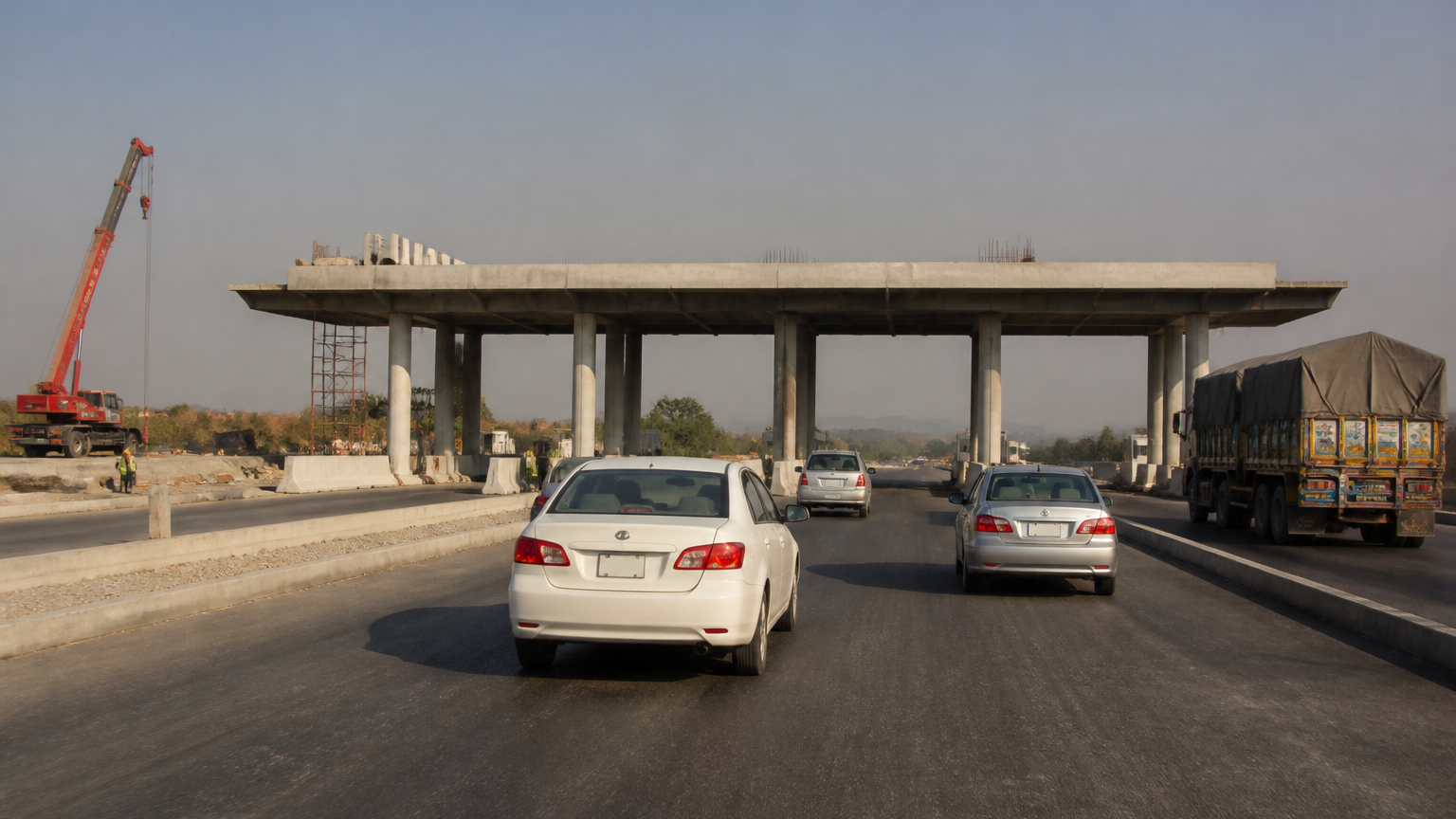
Rawalpindi Ring Road Opening Delayed by Toll Plaza Work
Rawalpindi Ring Road is structurally complete, but toll plazas and e-toll systems remain unfinished—delaying opening, toll rates and traffic relief.
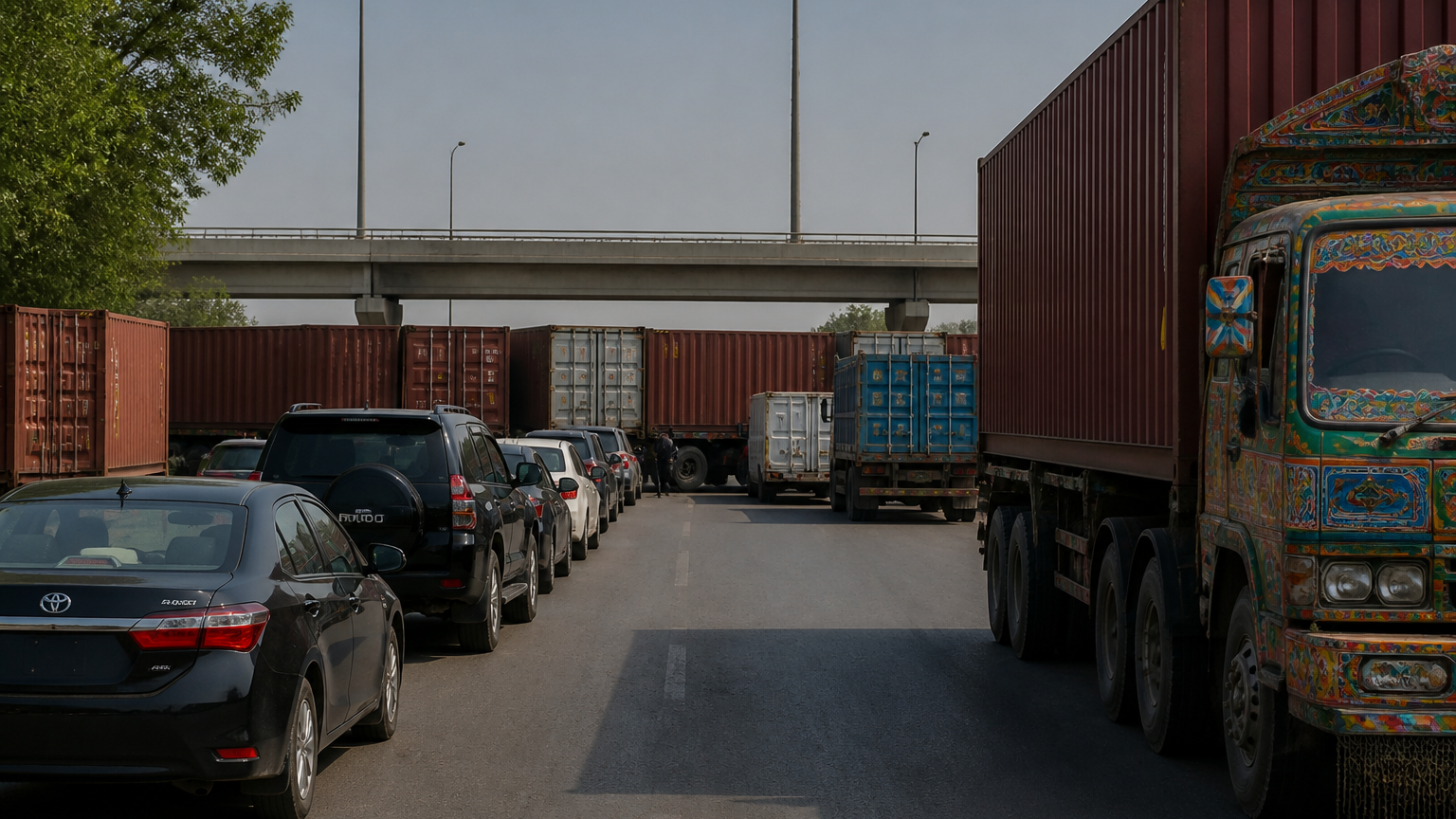
Islamabad Blockades Delay Karachi Freight Before PTI Protest
PTI’s Oct. 4 march may delay northbound freight from Karachi, affecting car parts, tyres and workshop supplies—but the scale remains unclear.
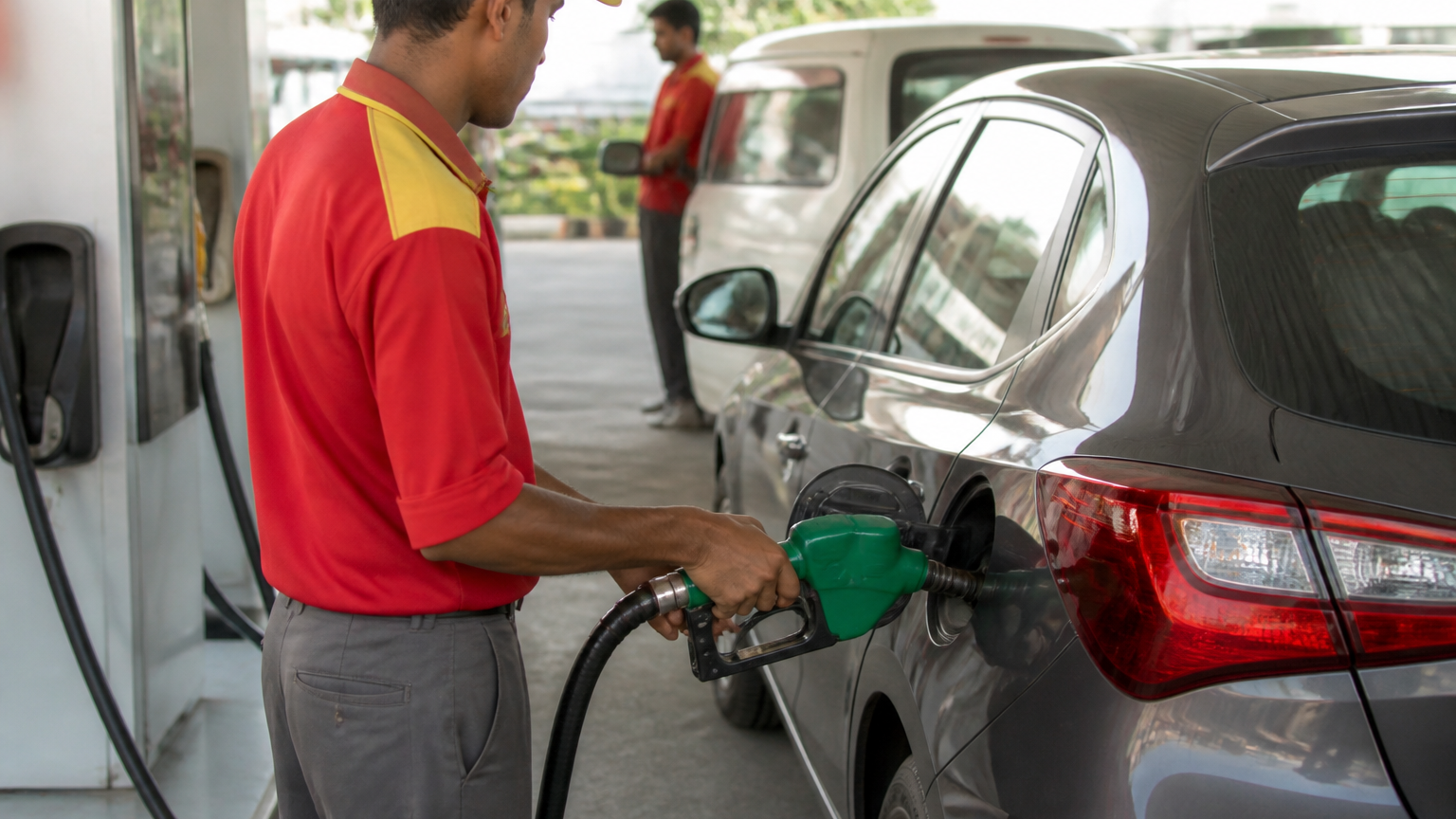
Oil Prices Near $100: Impact on Pakistan
Brent nears $100 after a sharp swing linked to China’s fuel-export curbs—but Pakistan’s petrol and diesel prices remain unchanged for now.