Beware of Fake E-Challan Scams in Punjab, PSCA Issues Warning
Fake e-challan texts and WhatsApp messages are targeting people across Punjab. PSCA has warned citizens to ignore these links, verify challans through official channels, and report suspicious messages. Understanding the signs can help you stay safe from phishing scams.
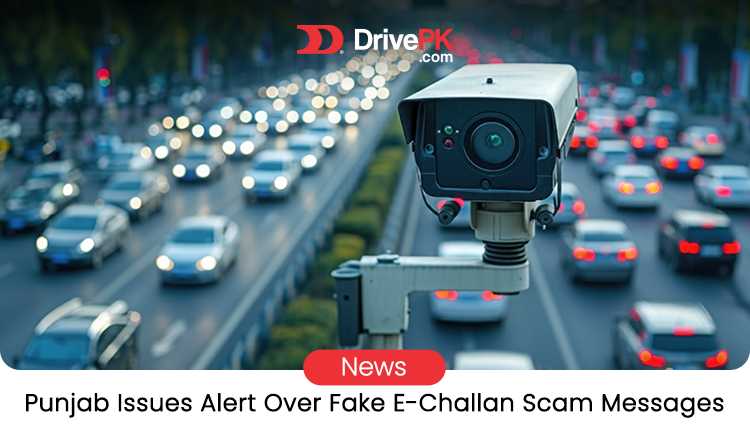
Table of Contents
- What's the Scam All About?
- How Scammers Pull It Off
- Spotting Real vs. Fake E-Challans
- What to Do If You Get One
- PSCA's Fight Back
- Tips to Dodge These Scams
- Why This Matters Now
You've probably gotten a text about a traffic fine you don't remember. It asks you to click a link and pay up fast. But hold on, many folks in Punjab are dealing with this right now, and it's not real. The Punjab Safe Cities Authority (PSCA) just put out a warning about these fake e-challan messages. Scammers are getting clever, and people are falling for it. Let's break it down so you know what to watch for.
What's the Scam All About?
Scammers send texts that look like official e-challan notices. These are the electronic tickets for traffic violations in Punjab. The fake ones claim you owe money for something like speeding or wrong parking. They include a link to a site where you're supposed to pay. Click it, and you might hand over your bank info or download malware.
This isn't new, but it's spiking lately. PSCA says citizens across Punjab have reported these bogus messages. Some come via SMS, others through WhatsApp. The goal? To trick you into paying fake fines or stealing your details. It's a classic phishing play, and it's hitting hard in cities like Lahore and Rawalpindi.
- Why Punjab?
The e-challan system is popular here for enforcing traffic rules. It uses cameras to catch violations and sends notices automatically. Scammers clone this to seem legit. PSCA notes that real challans never ask for payments or bank details in texts. But the fakes do, and that's the red flag.
How Scammers Pull It Off
These texts often come from random numbers, not the official ones. They might say "Urgent: Pay your e-challan now or face a penalty" with a shady link. The link leads to a cloned website that looks like PSCA's real site. Enter your info, and boom, scammers have it.
PSCA found out after tons of reports. They even spotted fake sites mimicking their platform. Some scams use WhatsApp to send alerts, making it feel more personal. And it's not just one or two cases; it's widespread, affecting drivers and non-drivers alike.
Think about it: You get a text late at night saying your car's tagged for a violation. Panic sets in, and you click without thinking. That's what they count on. But pausing for a second can save you trouble.
Spotting Real vs. Fake E-Challans
Official e-challans come only from the number 8070. They include specifics like the exact time, location, and what you did wrong, maybe a photo from the camera, too. No demands for bank details or immediate payments via text.
Fake ones? They're vague. No details on the violation, just a push to click and pay. Links go to weird domains, not the official PSCA site. PSCA's advisory stresses that genuine messages guide you to pay through banks or apps, not sketchy links.
Check the sender. If it's not 8070, trash it. And never share card numbers or OTPs over text. Real authorities don't work that way.
What to Do If You Get One
First, don't click anything. Report it right away. Call the police helpline at 15 or reach the FIA Cyber Wing. Give them the message details, the number, text, and link. This helps track the crooks.
If you've already clicked or paid, contact your bank fast to block transactions. Change passwords too. PSCA wants everyone to spread the word; tell family and friends.
In one case, a Lahore resident almost lost Rs 10,000 but caught on when the site asked for extra fees. Stories like this show why reporting matters; it stops the scam from spreading.
PSCA's Fight Back
PSCA isn't sitting idle. They've filed a complaint with the National Cyber Crimes Investigation Agency (NCCIA) to trace the fake sites and numbers. Punjab Police are involved too, hunting down suspects.
They've also ramped up awareness. Social media posts, news alerts, and advisories are out. A spokesperson said they're working with telecoms to block scam numbers. It's a team effort to shut this down.
But scammers evolve. PSCA urges tech-savvy folks to use apps for checking real challans. Download the official one from their site; it's safer than texts.
Tips to Dodge These Scams
Stay sharp with a few habits. Verify any fine on the official PSCA website or app. Don't rely on texts alone.
Use two-factor authentication for banks and email accounts. It adds a layer against thieves.
Educate others, especially elders who might not spot fakes. Share this article or PSCA's tips.
Block unknown numbers sending junk. Apps can help with that.
And remember, if it feels off, it probably is. Trust your gut over a text.
Scams like this thrive on rush. Take time to check, and you'll stay safe.
Why This Matters Now
With more cameras on Punjab roads, e-challans are common. But so are copycats. As we hit the end of 2025, expect more digital tricks. PSCA's warning is timely; holidays mean more distractions.
Knowing the signs protects you and others. It's simple: Check twice, report once. That keeps the roads and your wallet secure.
In the end, these scams remind us that tech helps but also hurts if we're not careful. Stay informed, and you'll be fine.For more updates, visit DrivePK.com
Tags
Share this article
About the Author

Najeeb Khan
Automotive enthusiast and writer
Comments (0)
Login Required
You need to be logged in to comment on this article.
No comments yet. Be the first to share your thoughts!
Related Articles
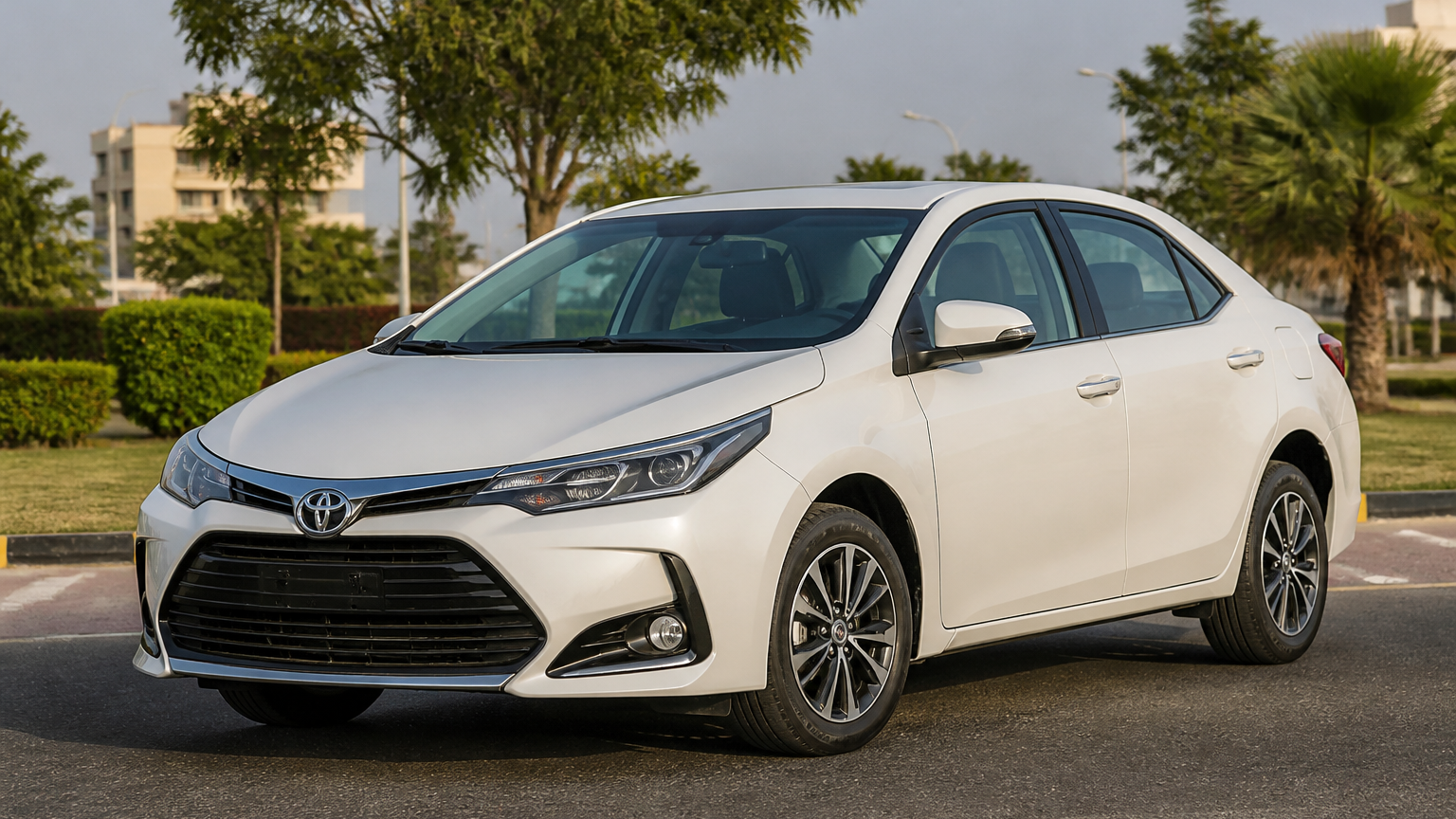
Toyota Corolla Discontinued Before Pakistan Facelift
Pakistan’s pre-facelift Toyota Corolla is reportedly discontinued, hinting at a facelift. Prices, bookings, specs and launch timing remain unconfirmed.
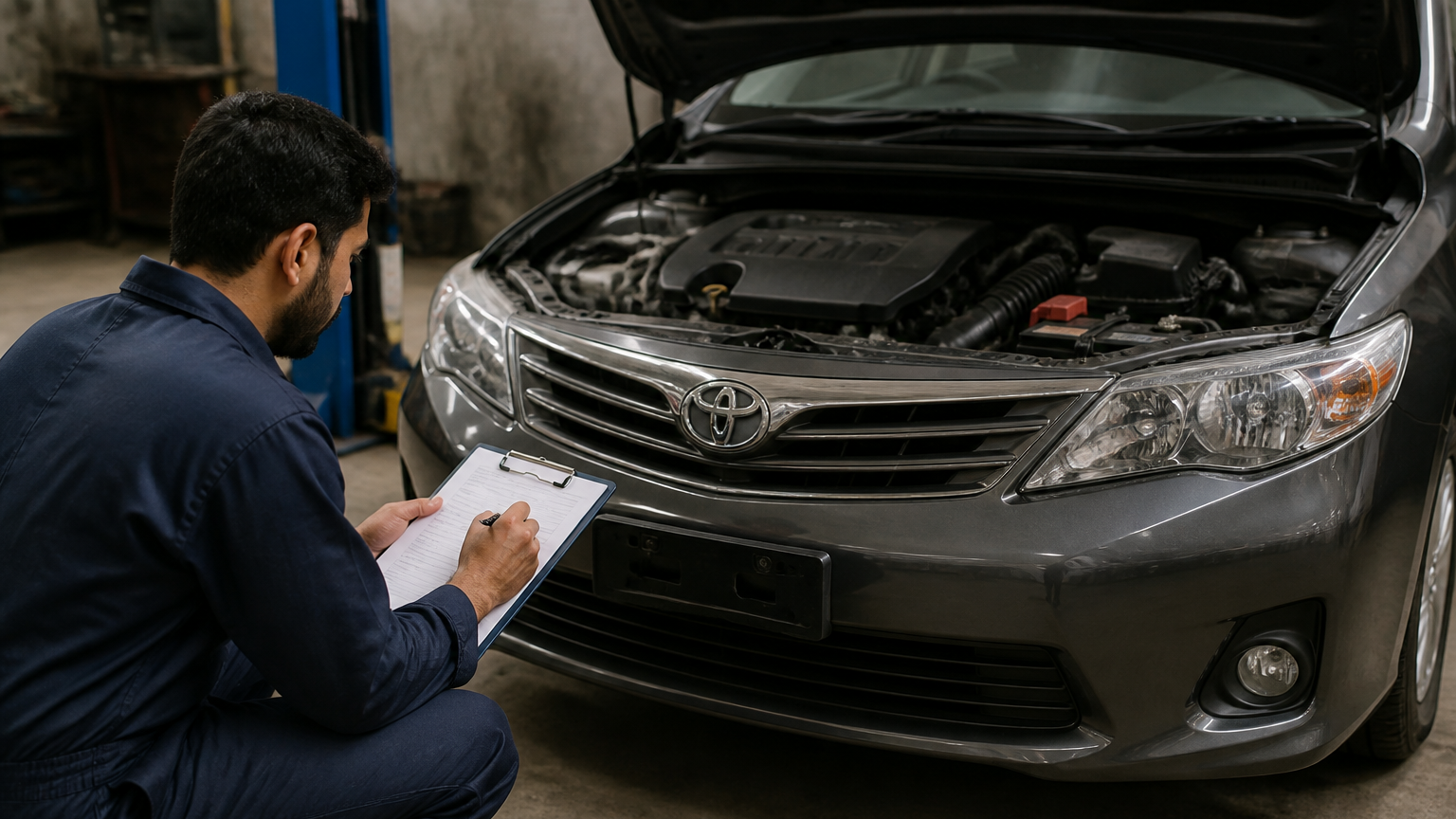
DrivePK Car Inspection Reports: Buy with Confidence
Buying a used car in Pakistan? A pre-purchase inspection can reveal hidden damage, engine issues and red flags before you pay—but it’s not enough alone.
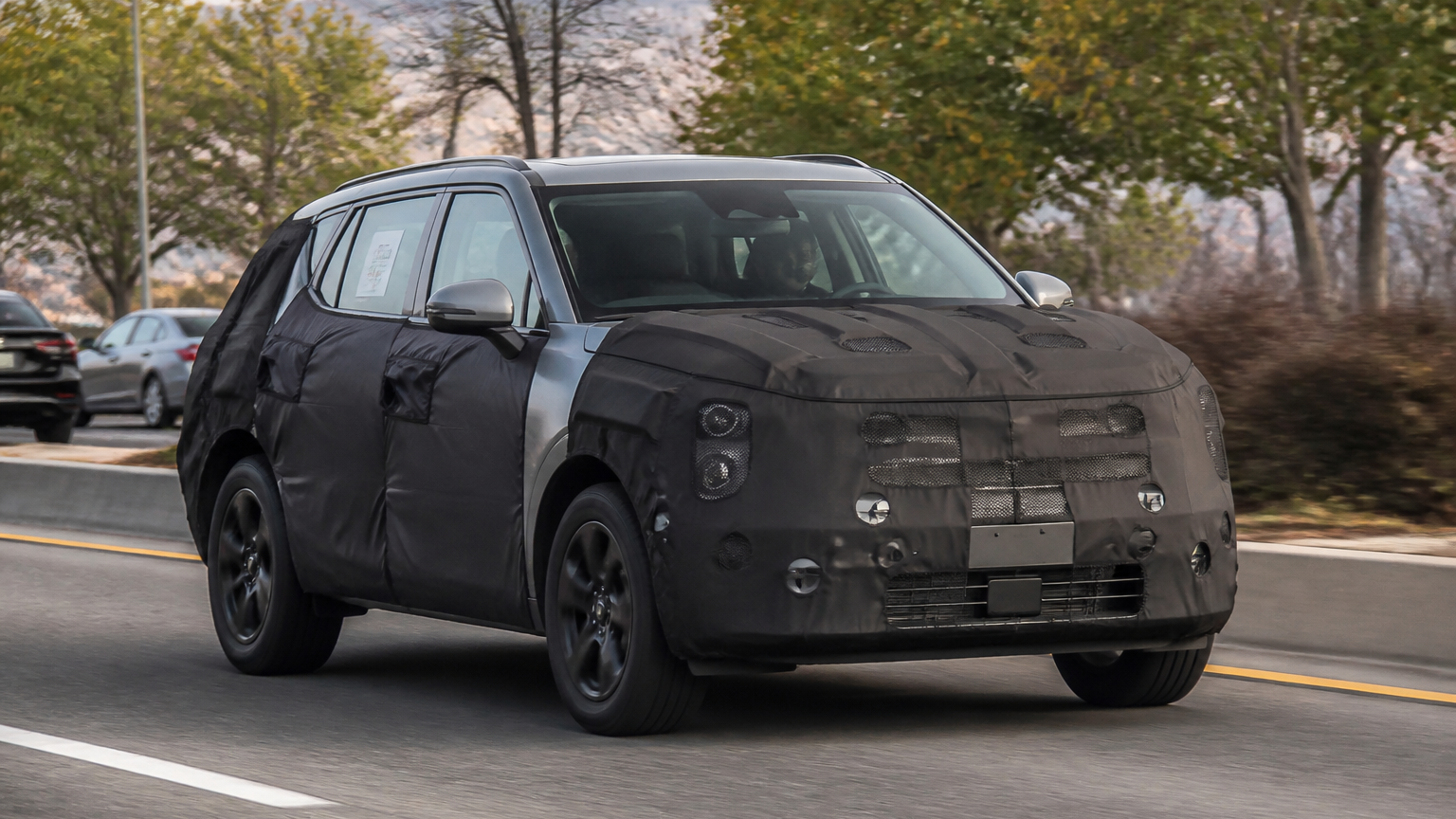
2028 Kia Sportage: Major Design Changes Spotted
Kia’s next Sportage may get a bolder, boxier redesign, with an upright profile, sharper lines, wider grille and split headlights hinted by spy shots.