Budget 2026: Key Highway Projects for Pakistan
Pakistan's 2026 budget allocates Rs. 226.98 billion for 71 highway projects, aiming to boost road infrastructure and enhance connectivity.
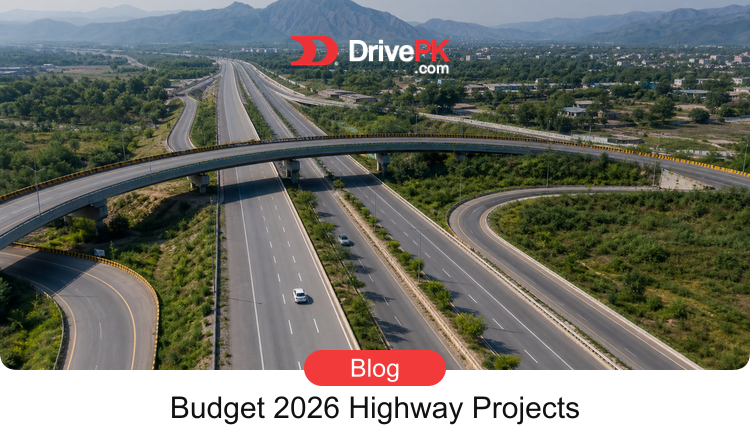
Table of Contents
- Major Allocations in Budget 2026
- Key Projects Overview
- Breakdown of the N-25 Highway Investment
- Implications for Connectivity and Trade
- Advice for Commuters and Transporters
- Potential Challenges and Future Considerations
- Conclusion
The federal government has unveiled a substantial allocation of Rs. 226.98 billion for 71 projects under the National Highway Authority (NHA) in the 2026 fiscal year, as part of the budget announced on June 10, 2023. These investments aim to enhance the country’s road infrastructure significantly, which is crucial for improving connectivity and trade across Pakistan. But what does this mean for you, the everyday driver or transporter?
Major Allocations in Budget 2026
This year’s budget reflects a strong commitment to infrastructure development, particularly in the realm of highways. With significant investments earmarked for road projects, the NHA is set to play a pivotal role in upgrading Pakistan’s transportation network. The total budget for the Public Sector Development Program (PSDP) for FY 2026-27 stands at approximately Rs. 1.126 trillion, with highway projects taking center stage.
Key Projects Overview
Several key projects have been prioritized in this budget, notably the N-25 Highway and the Indus Highway (N-55). Here's a quick overview of these major road projects and their allocations:
- Project: N-25 Highway — Allocation: Rs 100 billion
- Project: Indus Highway N-55 — Allocation: Rs 2.62 billion
These allocations are significant, considering the N-25 Highway serves as a critical link between major cities like Karachi, Quetta, and Chaman. This 800-kilometre route is essential for both passenger and commercial traffic.
Breakdown of the N-25 Highway Investment
The N-25 Highway is crucial for connecting key economic areas, and the Rs. 100 billion allocation reflects its importance in Pakistan's infrastructure landscape. Currently, 68% of the work on the 51 km stretch from Jiwa to Surab has been completed, as reported by the NHA. This investment will facilitate faster travel times and improve safety for millions of commuters and transporters traversing this route.
Implications for Connectivity and Trade
Improving roads like the N-25 and Indus Highway (N-55) will have profound implications for connectivity and trade. Better highways reduce travel times, enhance road safety, and facilitate smoother logistics for goods transport. According to the NHA, these upgrades are expected to lower the incidence of accidents and delays, benefiting both individual drivers and businesses reliant on the transport of goods.
For example, improved access for heavy vehicles on the N-25 can significantly aid local businesses in Quetta and Karachi by ensuring timely deliveries and lower transportation costs. However, as these projects roll out, expect some construction-related delays and detours, which might impact your daily commute in the short term.
Advice for Commuters and Transporters
If you're a commuter, keep an eye on the project timelines for the N-25 and Indus Highway. Although the government has not specified exact completion dates for all sections, the ongoing work will likely lead to temporary inconveniences.
For transporters, this is a golden opportunity. With improved road conditions, you can anticipate lower fuel consumption and vehicle wear and tear. If your routes include these highways, consider adjusting your schedules to avoid peak construction hours as work progresses.
Potential Challenges and Future Considerations
While this budget allocation is promising, challenges remain. Effective management and timely execution of these projects are vital to avoid the pitfalls of past infrastructure efforts, which often faced delays and budget overruns. The NHA has been directed to implement reforms that ensure financial accountability and operational efficiency.
Additionally, potential land acquisition issues and environmental concerns could slow progress on some projects. Staying informed about these developments will be crucial for both individual drivers and businesses reliant on these routes.
Conclusion
The Budget 2026 allocations signify a hopeful future for Pakistan's road infrastructure, promising to enhance connectivity and trade. For daily commuters and transporters alike, these projects present both opportunities and challenges. If you frequently travel on the N-25 or Indus Highway, prepare for some disruptions, but also look forward to the long-term benefits of improved travel efficiency.
For more updates, visit DrivePK.com
Tags
Share this article
About the Author

Dr Khan
Automotive Expert & Content Strategist
Comments (0)
Login Required
You need to be logged in to comment on this article.
No comments yet. Be the first to share your thoughts!
Related Articles
N-45 اپ گریڈ: چکدرہ–تیمرگرہ منصوبہ، مالیت 17 ارب روپے
N-45 کے 17 ارب روپے کے چکدرہ–تیمرگرہ توسیعی منصوبے سے دیر اور چترال کا سفر آسان ہو سکتا ہے—لیکن تعمیرات اور آغاز کی تاریخ تاحال غیر مصدقہ ہیں۔
N-45 Upgrade: Rs17bn Chakdara–Timergara Project
N-45’s Rs17bn Chakdara–Timergara widening plan could ease Dir and Chitral travel—but construction and a start date remain unconfirmed.
کشمیر چوک اسلام آباد بند: متبادل راستے
کشمیر چوک زیرِگزر کے کام کی وجہ سے مزید اطلاع تک بند ہے۔ بھارہ کہو، راول ڈیم چوک اور قریبی علاقوں کی جانب جانے والے ڈرائیورز متبادل راستے اختیار کریں۔