BYD Beats Tesla in Europe: A New Chapter for Electric Cars
Chinese maker BYD has passed Tesla in European sales with strong numbers. Their focus on value, safety, and variety is shaking up the market. Here’s a clear look at the shift and what it offers everyday drivers.
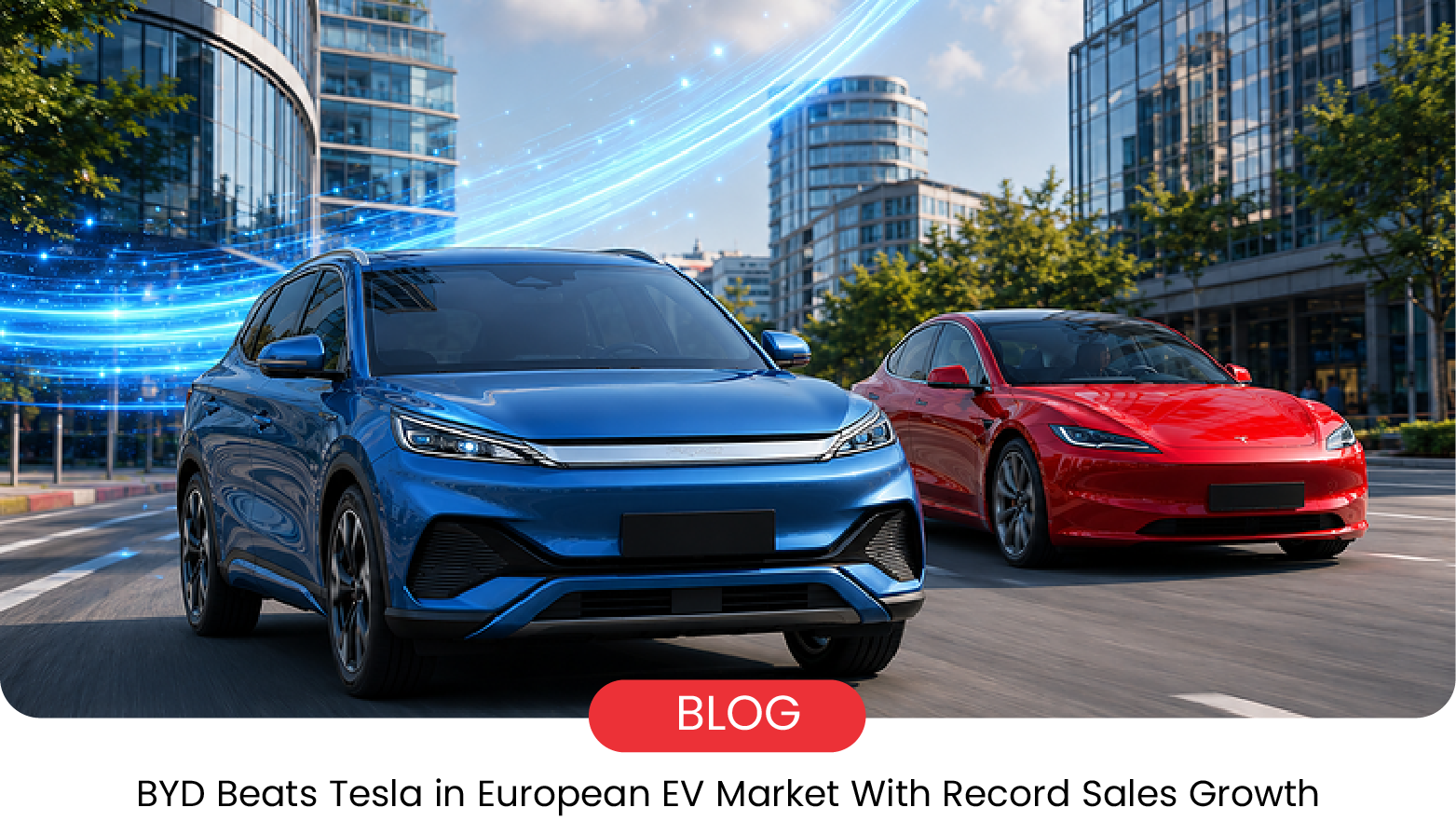
Table of Contents
- The Numbers Behind the Shift
- Why BYD Is Winning Over Buyers
- More Affordable Choices
- Blade Battery Technology
- Variety and Practical Features
- Challenges Tesla Faces in Europe
- What This Means for EV Buyers
- Bigger Picture for the EV Market
- Potential Concerns and Considerations
- Looking Ahead
Traffic jams and high fuel prices make many people consider switching to electric. For years, Tesla led the conversation. Now, another name is gaining ground fast. Chinese company BYD recently sold around 9,700 vehicles in the EU period mentioned, more than tripling last year’s figures. Tesla’s sales fell over 40% to about 6,600 units.
This marks a real change in one of the toughest car markets. It is not just about numbers. It shows what buyers want right now: practical, affordable options that work in real life.
The Numbers Behind the Shift
Recent data highlights BYD’s momentum in Europe. In earlier months of 2026, BYD widened its lead in several reporting periods. Year-over-year growth has been impressive, sometimes exceeding 150-300% in key markets.
Tesla still holds strong brand recognition and a loyal following. Yet sales pressure appeared in parts of the year due to market saturation for some models and broader demand slowdowns.
BYD started small in Europe a few years back. Today it offers a wider lineup that appeals to families, city drivers, and those watching their budget. This strategy is paying off.
Why BYD Is Winning Over Buyers
Several practical factors stand out.
More Affordable Choices
BYD provides models at different price points. This opens the door for buyers who want an EV but hesitated at higher costs. Smaller cars like the Dolphin or Atto 3 give solid range without premium pricing.
Blade Battery Technology
BYD’s own Blade Battery uses lithium iron phosphate (LFP) design. It stands out for safety it resists catching fire better in tests compared to some other chemistries. Owners also report good longevity, with potential for thousands of charge cycles.
The batteries support decent range and faster charging in many models. For European drivers who rely on public chargers or have limited home charging, this reliability matters.
Variety and Practical Features
Sedans, SUVs, and hatchbacks cover different needs. Many come with modern tech, comfortable interiors, and features tailored for daily use. This contrasts with a more focused lineup from some competitors.
Analysts note these strengths help BYD connect with average buyers who prioritize value and peace of mind over brand prestige alone.
Challenges Tesla Faces in Europe
Tesla changed how many people view electric driving. Its Supercharger network, performance, and software updates built a strong reputation. Yet recent periods showed sales drops in key regions.
Broader market trends play a role. Overall EV growth slowed in some European countries as incentives change and buyers wait for better options. Tesla’s higher average prices position it in a segment sensitive to economic pressures.
Public attention on CEO Elon Musk also influenced some buyers, according to various reports. Brand perception can shift sales in competitive markets.
Tesla continues innovating with new models and improvements. The company still leads in areas like autonomous driving tech and brand loyalty in certain segments. Competition often pushes everyone forward.
What This Means for EV Buyers
More rivalry generally benefits consumers. Here are clear outcomes:
- Lower Prices: Pressure to stay competitive can bring better deals, financing, and value packages.
- Improved Technology: Faster charging, longer range, and safer batteries become standard expectations.
- Wider Selection: Buyers gain choices across sizes, styles, and budgets rather than settling for limited options.
- Better Service and Charging: Companies expand networks and support to win loyalty.
For someone shopping in Europe today, it pays to compare real-world costs. Look at purchase price, insurance, charging expenses, and resale value. Test drive different models. Range, build quality, and dealer support vary.
Bigger Picture for the EV Market
Europe aims for big reductions in emissions. Stronger competition speeds up the transition by making EVs practical for more households.
BYD’s rise reflects China’s strength in battery production and manufacturing scale. Other makers, both European and global, respond with their own affordable models and tech investments.
This is healthy for the industry. Innovation accelerates when companies compete on features buyers actually use, such as reliability, cost of ownership, and ease of living with an EV.
Environmental gains matter too. Wider EV adoption cuts tailpipe emissions and supports cleaner air in cities. As more affordable models enter, the impact grows.
Potential Concerns and Considerations
Tariffs and trade policies affect Chinese brands in Europe. Supply chain questions, data privacy, and long-term service availability come up in discussions. Buyers should research warranty details and local support.
Quality perceptions also evolve. Early Chinese cars had mixed reputations, but recent BYD models earn positive reviews for fit, finish, and driving experience in independent tests.
Tesla maintains advantages in software updates, over-the-air features, and its charging ecosystem (though opening to others helps). The best choice depends on individual priorities.
Looking Ahead
The EV story keeps changing. BYD shows no signs of slowing its European push. Tesla works on refreshed models and production efficiency.
For buyers, the coming months and years look promising. Expect continued focus on value, with improvements in battery life, charging speed, and overall ownership experience.
If you consider an electric vehicle, this competition creates a good time to explore. Compare options carefully. Drive a few. Calculate running costs. The right car for your needs might come from an unexpected brand.
The shift from Tesla leading unchallenged to BYD gaining share highlights how quickly markets move. It rewards companies that listen to what people need: reliable, affordable transport that fits modern life.
This development pushes the entire electric vehicle sector toward better products. In the end, drivers win with more choices and improved technology at reasonable prices. Keep an eye on upcoming launches and real-user feedback as the year progresses. For more updates, visit DrivePK.com
Tags
Share this article
About the Author

Najeeb Khan
Automotive enthusiast and writer
Comments (0)
Login Required
You need to be logged in to comment on this article.
No comments yet. Be the first to share your thoughts!
Related Articles
Oil Prices Near $100: Impact on Pakistan
Brent nears $100 after a sharp swing linked to China’s fuel-export curbs—but Pakistan’s petrol and diesel prices remain unchanged for now.

Pakistan Motorway Projects: PM Inauguration Soon
PM Shehbaz may inaugurate key road projects soon, including Lodhran-Multan, Peshawar Bypass and M-4 works—but no date or opening is confirmed.
Hayatabad Underpass Opens in Peshawar for Rs1.6bn
Peshawar opens a Rs1.6bn Hayatabad underpass after 90 days—promising faster commutes, but will it truly ease rush-hour traffic?