BYD Car Prices After Budget 2026-27 in Pakistan
BYD keeps car prices stable in Pakistan post-Budget 2026-27, thanks to ongoing duty-free policies for electric vehicles, enticing buyers.
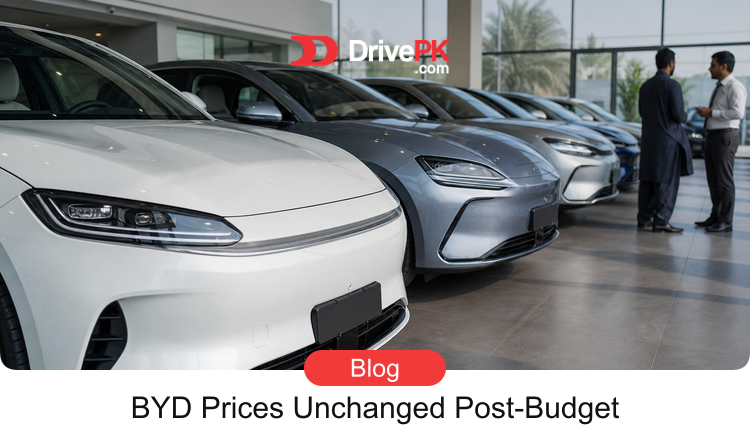
Table of Contents
- BYD Maintains Price Stability Post-Budget
- Current BYD Car Prices in 2026
- Analysis of BYD's Price Consistency
- Factors Influencing BYD's Pricing Decision
- Should You Consider Buying a BYD Now?
- Future Price Risks for BYD Cars
- Conclusion
BYD has maintained its car prices in Pakistan following the budget announcement on June 9, 2026. This stability is noteworthy given the ongoing fluctuations in the automotive market. With the government continuing its duty-free policy for electric vehicles (EVs), potential buyers may find this an opportune moment to invest in BYD's offerings.
BYD Maintains Price Stability Post-Budget
Despite a challenging economic environment characterized by rising inflation and fluctuating currency rates, BYD car prices in Pakistan have remained stable. The manufacturer's decision to hold its prices steady can largely be attributed to the favorable government policies surrounding EVs, particularly the ongoing duty exemptions. For example, the Federal Board of Revenue (FBR) has confirmed that locally manufactured hybrid electric vehicles are fully tax-exempt until June 30, 2026 (FBR).
Current BYD Car Prices in 2026
Here are the current prices for various BYD models after the budget announcement:
| Model | Price After Budget 2026-27 |
|---|---|
| BYD Atto 2 Premium | Rs. 7,290,000 |
| BYD Atto 3 Advance | Rs. 8,990,000 |
| BYD Seal Dynamic | Rs. 14,790,000 |
| BYD Seal Premium | Rs. 16,990,000 |
| BYD Sealion 7 Advanced | Rs. 15,490,000 |
| BYD Shark 6 Premium | Rs. 19,950,000 |
The pricing strategy reflects BYD's commitment to making their EVs more accessible in a market that is gradually warming up to electric mobility.
Analysis of BYD's Price Consistency
The absence of price hikes for BYD vehicles can be seen as a strategic move to attract more buyers, particularly in a market that is still adapting to electric vehicles. The duty-free policy for EV imports, coupled with the exemption of taxes on locally assembled vehicles until mid-2026, is creating a conducive environment for BYD and other manufacturers. Industry sources indicate that this policy is crucial for promoting sustainable transport options in Pakistan (PAMA).
Factors Influencing BYD's Pricing Decision
Several factors are driving BYD's decision to maintain its pricing strategy. The government's favorable stance on electric vehicles, including potential future adjustments to tax policies, has created a unique opportunity for EV manufacturers. The ongoing investment of $150 million by BYD to establish a 25,000 vehicle-per-year assembly plant in Pakistan further solidifies its commitment to the local market. Additionally, the economic landscape remains uncertain, prompting manufacturers to adopt more cautious pricing strategies.
Should You Consider Buying a BYD Now?
If you're contemplating a BYD vehicle, now could be a beneficial time to purchase. The stable pricing, combined with government incentives, makes it an attractive proposition. For example, if your daily commute is under 60 km and you have a home charger, buying now makes sense. However, if you depend on public charging infrastructure in smaller cities, it may be wise to wait until the network matures.
Financing options are also more favorable now, considering current State Bank of Pakistan (SBP) policy rates. If you finance Rs. 8,990,000 (the price of a BYD Atto 3 Advance) with an estimated interest rate of 15%, your monthly installment would be around Rs. 136,000 over a five-year tenure.
Future Price Risks for BYD Cars
While current prices are stable, potential risks lurk around the corner. Future government budget announcements may lead to changes in EV tax policies, which could impact pricing strategies across the board. Additionally, any significant economic shifts, such as currency devaluation or inflation spikes, could lead BYD to reconsider its pricing structure.
Market analysts suggest keeping an eye on the upcoming fiscal policies, as these will be crucial for the future landscape of electric vehicles in Pakistan.
Conclusion
In summary, if you're in the market for an electric vehicle and are considering BYD, the current environment presents a unique advantage. The stable pricing and government support for EVs make it an attractive option for urban commuters and families alike. However, for those relying on public infrastructure, it may be worth waiting a few months to assess how the charging network develops.
For more updates, visit DrivePK.com
Tags
Share this article
About the Author

Dr Khan
Automotive Expert & Content Strategist
Comments (0)
Login Required
You need to be logged in to comment on this article.
No comments yet. Be the first to share your thoughts!
Related Articles
N-45 اپ گریڈ: چکدرہ–تیمرگرہ منصوبہ، مالیت 17 ارب روپے
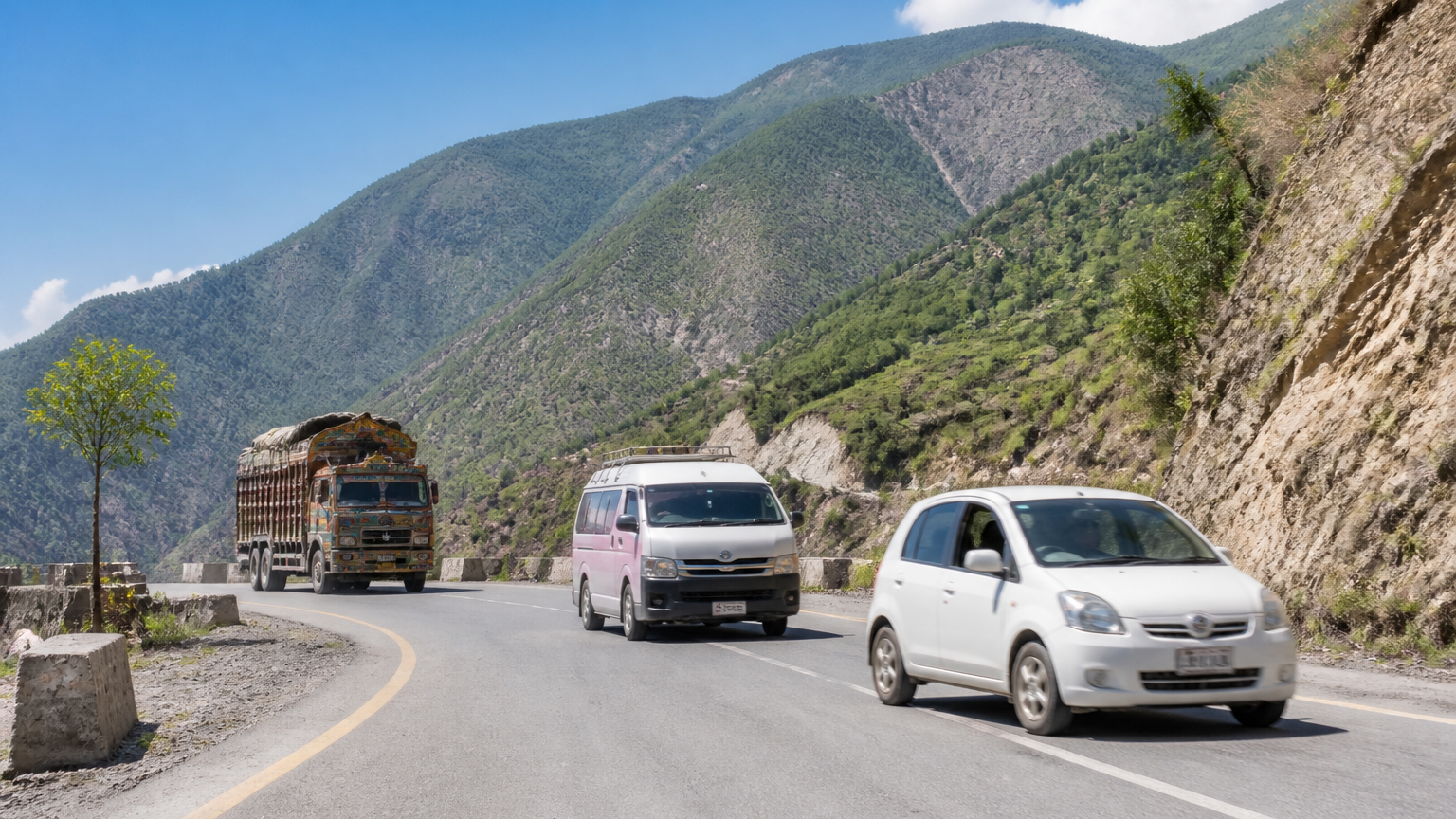
N-45 کے 17 ارب روپے کے چکدرہ–تیمرگرہ توسیعی منصوبے سے دیر اور چترال کا سفر آسان ہو سکتا ہے—لیکن تعمیرات اور آغاز کی تاریخ تاحال غیر مصدقہ ہیں۔
N-45 Upgrade: Rs17bn Chakdara–Timergara Project
N-45’s Rs17bn Chakdara–Timergara widening plan could ease Dir and Chitral travel—but construction and a start date remain unconfirmed.
کشمیر چوک اسلام آباد بند: متبادل راستے
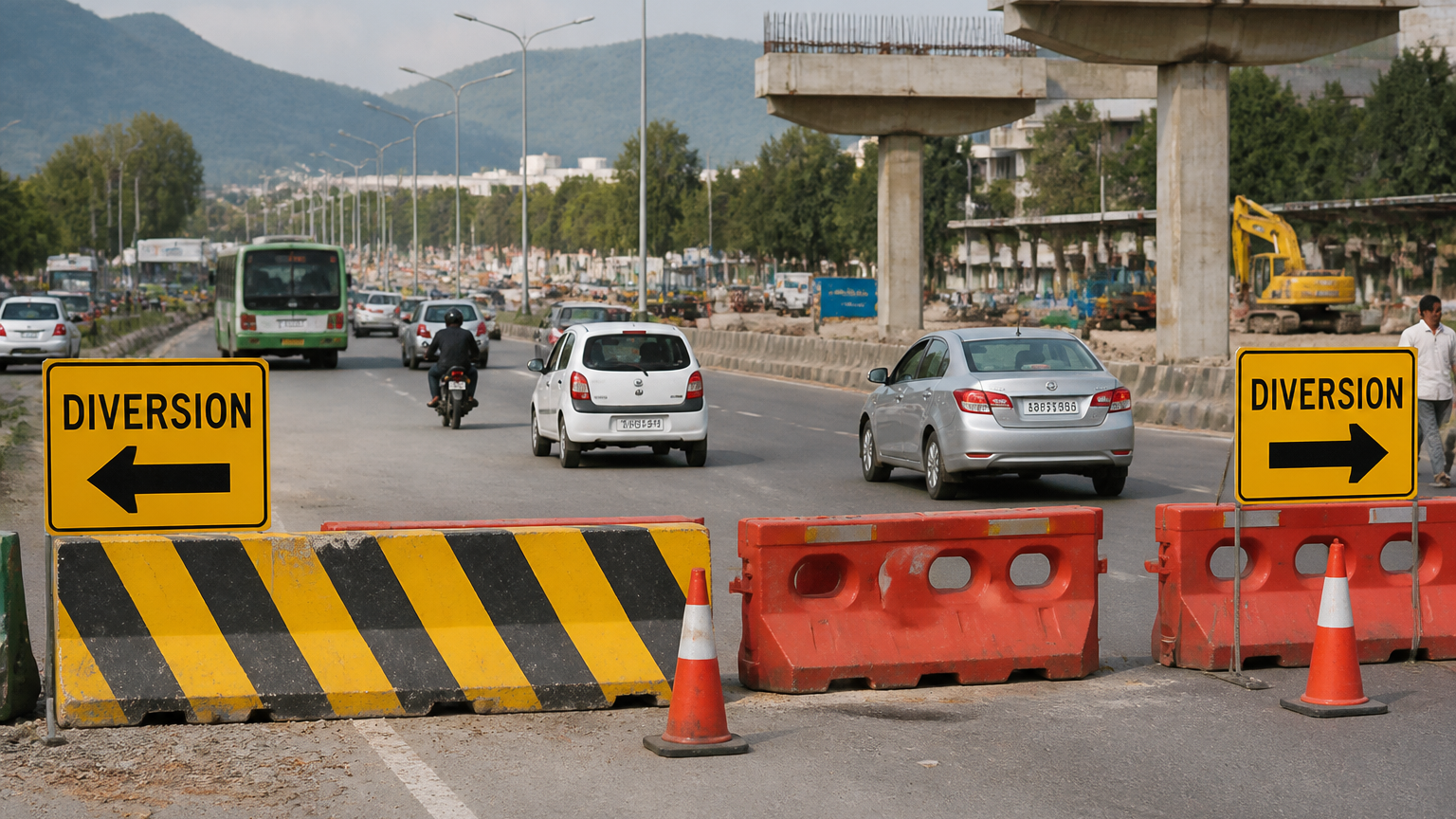
کشمیر چوک زیرِگزر کے کام کی وجہ سے مزید اطلاع تک بند ہے۔ بھارہ کہو، راول ڈیم چوک اور قریبی علاقوں کی جانب جانے والے ڈرائیورز متبادل راستے اختیار کریں۔