BYD's New Factory in Pakistan: More Affordable EVs on the Horizon
BYD, the world’s top EV maker, is setting up a factory near Karachi with Mega Motor Company and Hub Power. Local assembly begins in mid-2026, aiming to cut electric car prices, create jobs, and power Pakistan’s shift to affordable, eco-friendly vehicles.
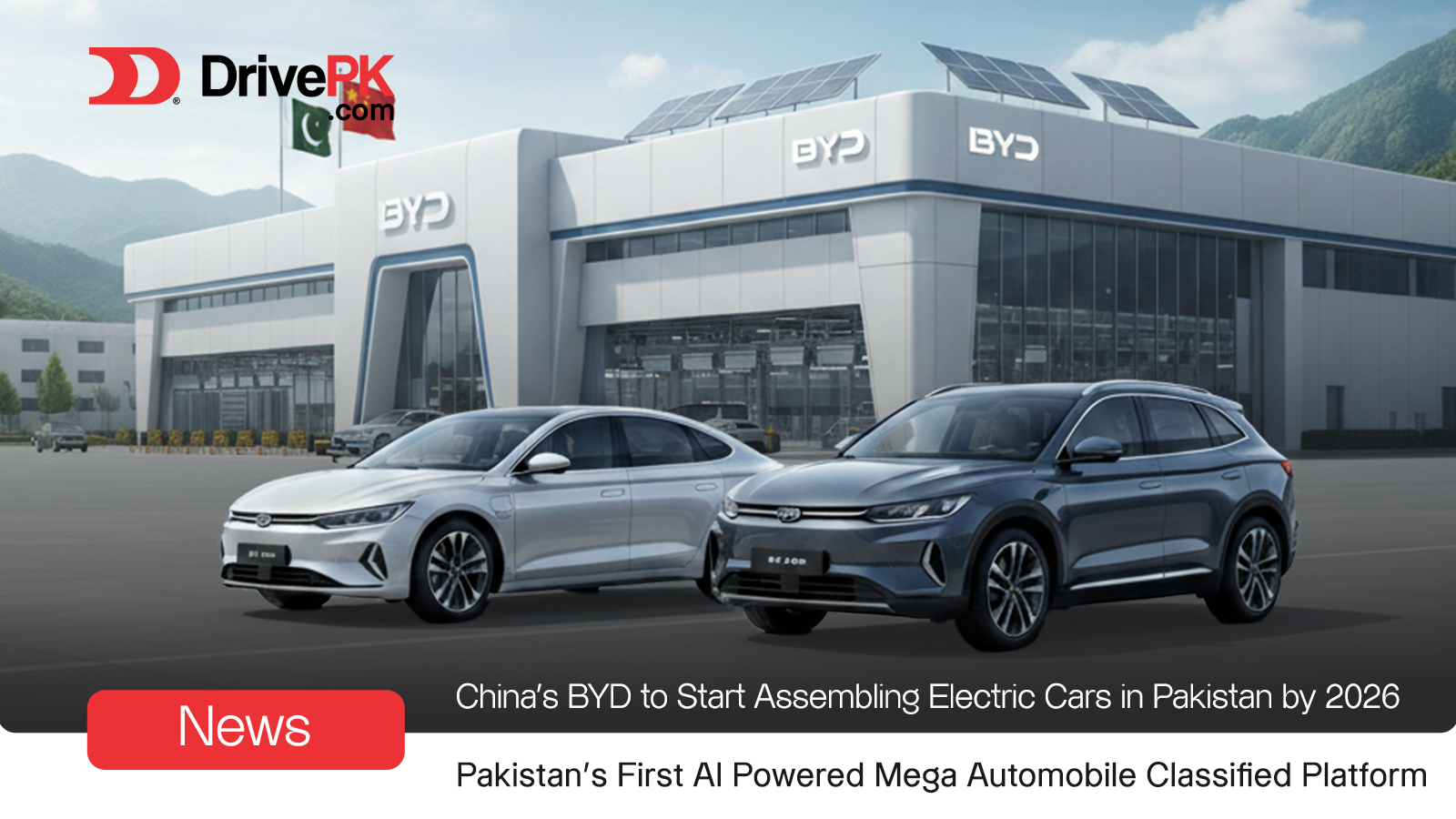
Table of Contents
- The Setup: A Local Plant with Big Backing
- Aiming High: Grabbing a Chunk of the EV Market
- First Peek: The Shark 6 Hits Pakistani Roads
- Why This Fits Pakistan's Push for Greener Rides
Stuck in Karachi traffic, eyeing that next fuel bill with dread? Electric vehicles could ease the pain, but high import costs keep them out of reach for most. Change is coming. China's BYD, the world's biggest EV maker, is setting up shop right here. Their new plant near Karachi starts assembling cars next summer. It could mean cheaper rides and a real push toward cleaner streets.
The Setup: A Local Plant with Big Backing
BYD teamed up with Mega Motor Company, part of Hub Power, to build this factory. Construction kicked off in April, and the first vehicles will roll out in July or August 2026. At first, it'll assemble imported parts and make some non-electric bits locally. The goal? Pump out 25,000 vehicles a year to feed Pakistan's growing hunger for EVs and hybrids.
BYD isn't new here. They started selling imported models like the Seal and Atto 3 back in March. Sales beat targets by 30%, even with the price tag hovering around Rs 5 million for a Seal. Now, the local assembly should trim costs and dodge import duties.
Aiming High: Grabbing a Chunk of the EV Market
BYD wants 30 to 35% of Pakistan's EV slice. The market is small now, about 1,000 units last year, but it could triple or quadruple in 2025. Government perks, like tax breaks for local production, sweeten the deal.
And the plant might not stop at our borders. If costs line up, exports to nearby right-hand-drive spots like Bangladesh or Sri Lanka could follow. For now, though, it's all about filling local demand.
First Peek: The Shark 6 Hits Pakistani Roads
BYD wasted no time teasing what's next. Last week, they unveiled the Shark 6, Pakistan's first plug-in hybrid pickup. Launched in Karachi on July 25, it's a beast: 5.4 meters long, 230mm ground clearance, and a 1.5L engine paired with electric power. Priced at Rs 19.95 million, it's for those who need haul power without the full gas guzzle.
Bookings are open now. Early buzz calls it a game-setter for luxury pickups here, blending off-road grit with EV smarts.
Why This Fits Pakistan's Push for Greener Rides
Fuel prices sting, and pollution chokes cities. EVs cut both. This factory backs the government's green goals, think fewer imports, more jobs, and charging stations popping up on highways. Hub Power plans one every 200 km on the Lahore-Islamabad stretch by next year.
It's early days. Supply chains and grid strains could slow things. But for drivers tired of endless petrol queues, this feels like a breath of fresh air.
Tags
Share this article
About the Author

Najeeb Khan
Automotive enthusiast and writer
Comments (0)
Login Required
You need to be logged in to comment on this article.
No comments yet. Be the first to share your thoughts!
Related Articles
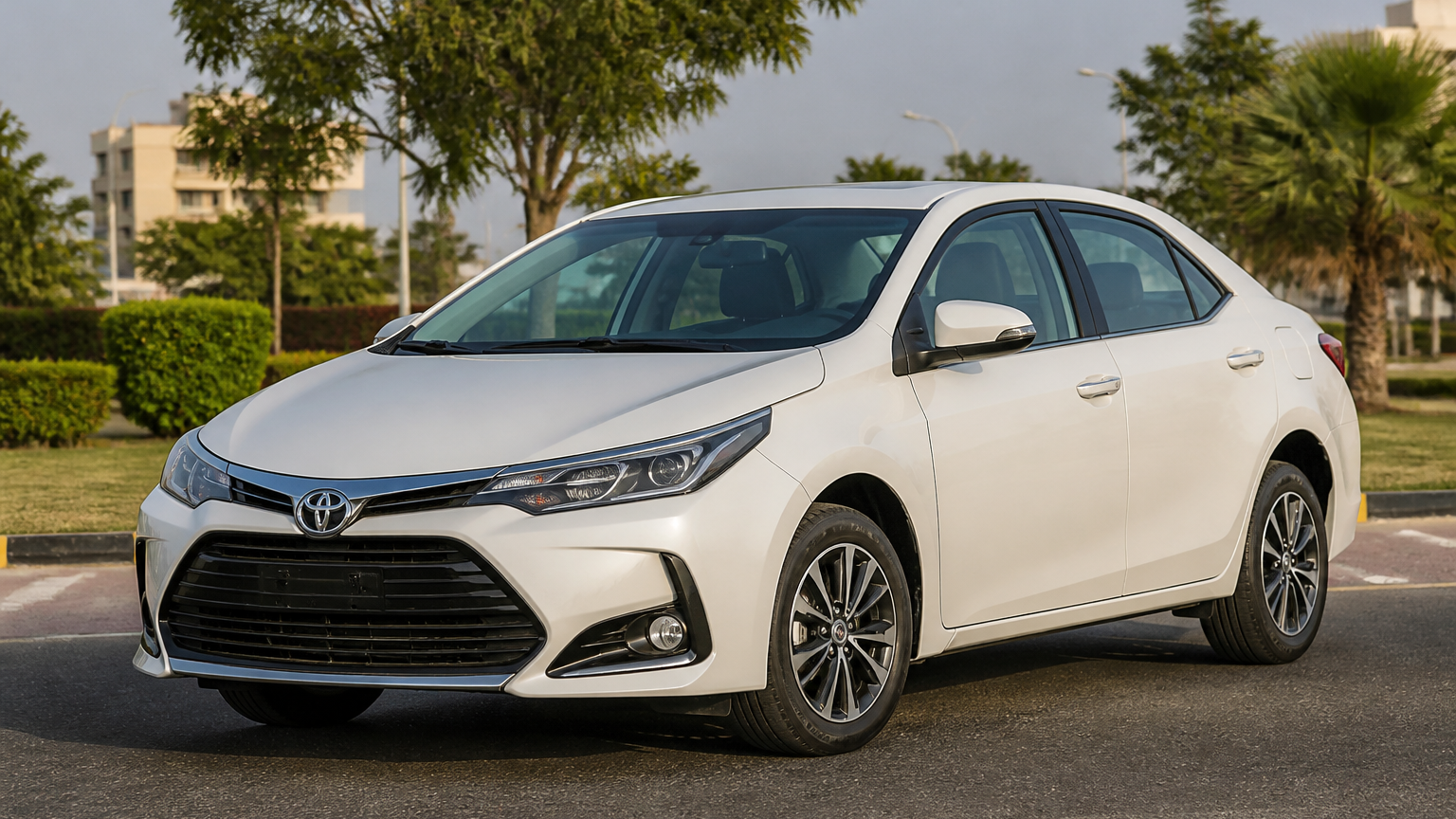
Toyota Corolla Discontinued Before Pakistan Facelift
Pakistan’s pre-facelift Toyota Corolla is reportedly discontinued, hinting at a facelift. Prices, bookings, specs and launch timing remain unconfirmed.
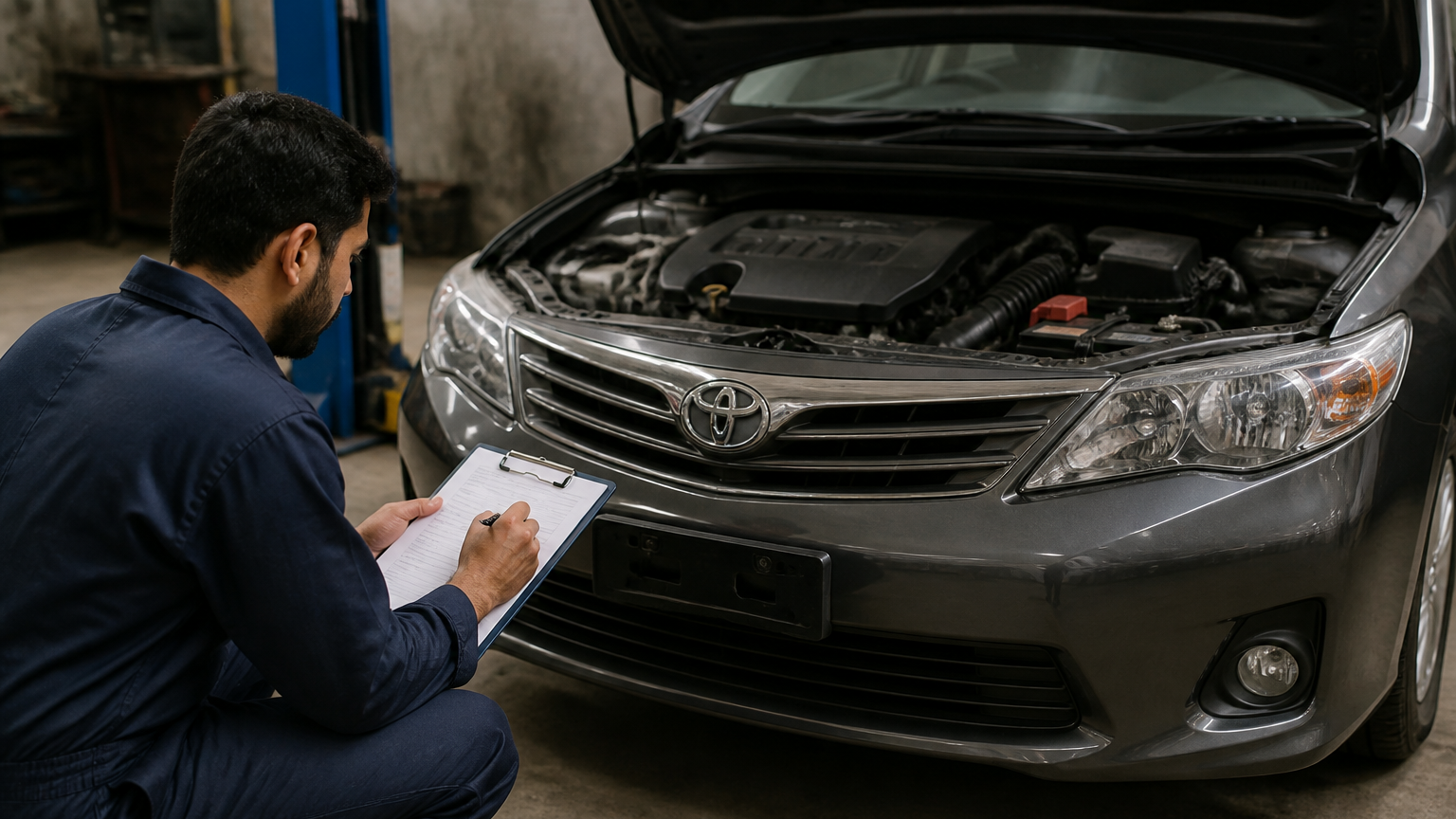
DrivePK Car Inspection Reports: Buy with Confidence
Buying a used car in Pakistan? A pre-purchase inspection can reveal hidden damage, engine issues and red flags before you pay—but it’s not enough alone.
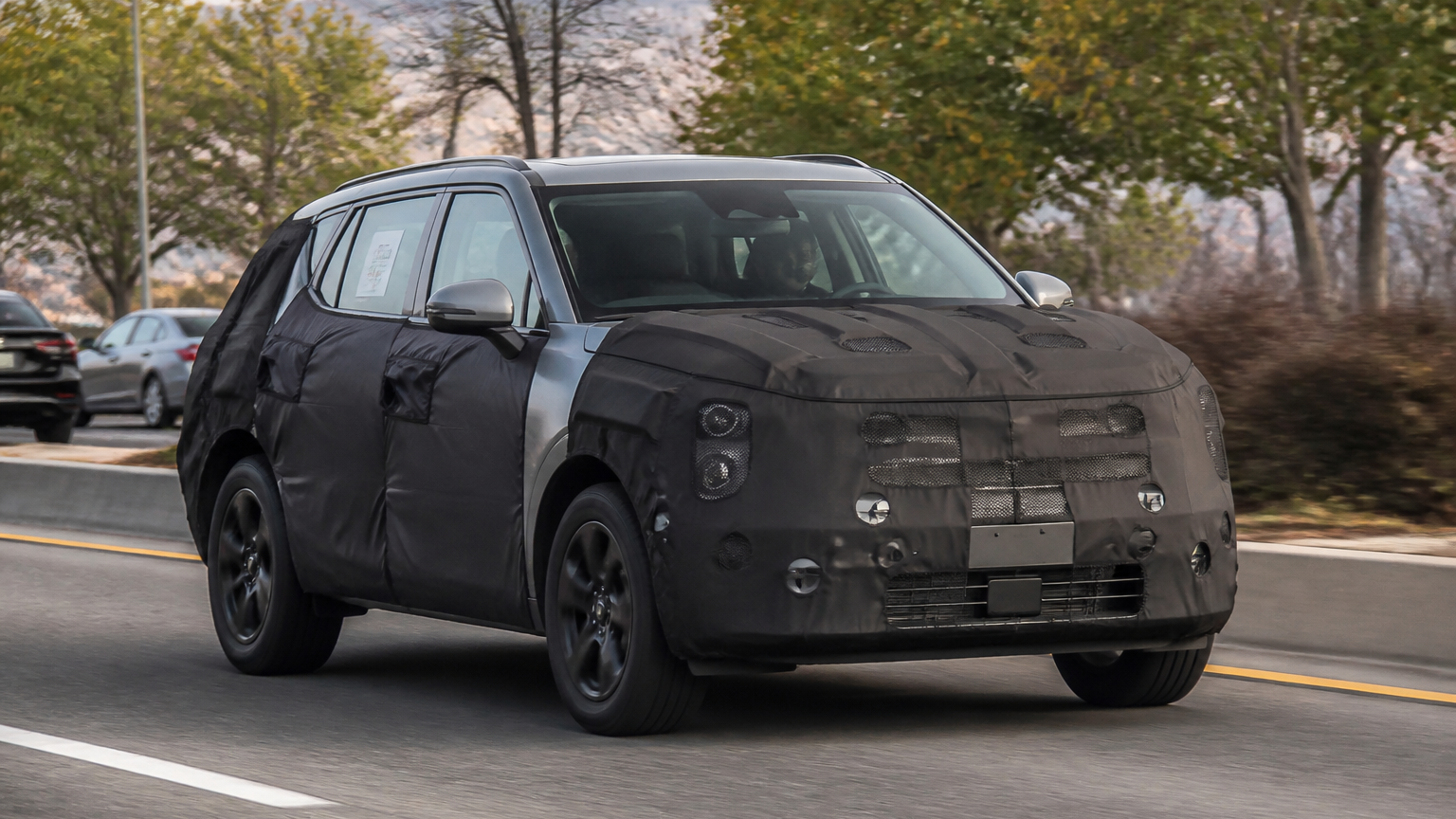
2028 Kia Sportage: Major Design Changes Spotted
Kia’s next Sportage may get a bolder, boxier redesign, with an upright profile, sharper lines, wider grille and split headlights hinted by spy shots.