BYD Sealion 7 and Atto 2 Launch in Pakistan: Prices, Specs, and Features
BYD has rolled out the Sealion 7 and Atto 2 in Pakistan, targeting luxury and city drivers. The Sealion 7 costs PKR 15.49 million with a 482 km range, while the Atto 2 costs PKR 7.29 million for 323 km. Both use safe Blade Batteries to push EV adoption.
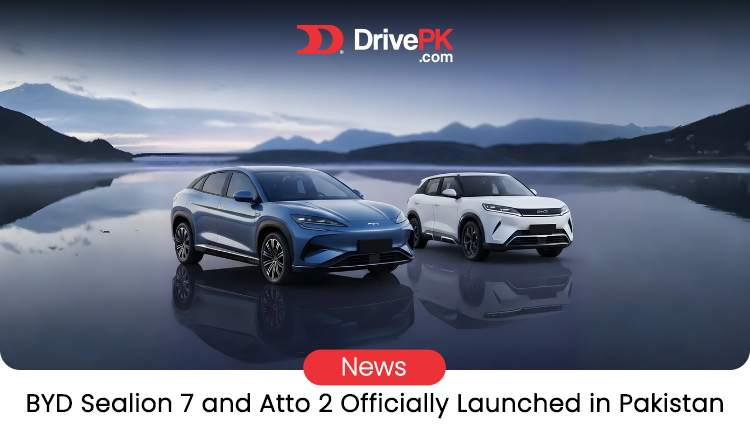
Table of Contents
- What's Happening with EVs in Pakistan?
- BYD's Push into Pakistan
- Inside the BYD Sealion 7
- Getting to Know the BYD Atto 2
- Sealion 7 vs. Atto 2: Which One for You?
- Why the Blade Battery Stands Out
- EVs in Pakistan: Hurdles and Hopes
- Conclusion
Pakistan's roads are changing. Electric vehicles are showing up more often, and BYD is leading the way. This Chinese company just launched two new models here: the Sealion 7 and the Atto 2. One aims at folks who want a high-end ride. The other fits city life on a budget. Both promise clean driving without the usual fuel hassles.
I remember when EVs seemed like a far-off idea in Pakistan. Now, with rising fuel prices and dirty air in cities like Lahore and Karachi, they're starting to make sense. BYD's move comes at a good time. Let's look at what these cars offer and why they matter.
What's Happening with EVs in Pakistan?
The EV scene in Pakistan is picking up speed, but it's still early days. Last year, electric car sales jumped, though from a small base. Most people stick with petrol or diesel because charging spots are rare outside big cities. And EVs cost more upfront.
But things are shifting. The government talks about cutting oil imports, which drain the economy. Pakistan spends billions on fuel each year. EVs could help by using local electricity, maybe from solar or hydro. Air pollution is another push. In winter, smog chokes urban areas, and vehicles add to that mess.
Challenges remain. Power outages happen often, so charging at home isn't always reliable. Roads in rural spots aren't ready for heavy batteries. And not everyone knows how EVs work; myths about battery life persist. Yet, opportunities shine through. Young buyers in cities like Islamabad and Rawalpindi seek tech-savvy cars. Companies like BYD see potential in a market of over 220 million people.
BYD entered Pakistan through a partnership with Mega Motor Company. They plan to assemble cars locally by mid-2026, near Karachi. That could lower prices and create jobs. Right now, imports rule, but local production might change that. Other brands watch closely. If BYD succeeds, more will follow.
BYD's Push into Pakistan
BYD stands for Build Your Dreams, but they're all about real results. As the world's top new energy vehicle maker, they sold millions globally last year. In Pakistan, they started with the Atto 3, a mid-size SUV. Now, adding Sealion 7 and Atto 2 broadens their reach.
The launch happened in January 2026 at a Lahore event. Bookings opened right away. For the Atto 2, you pay PKR 1.4 million to reserve. The Sealion 7 needs PKR 3 million. Deliveries start soon after. Prices are competitive: Atto 2 at PKR 7.29 million, Sealion 7 at PKR 15.49 million. Compared to petrol SUVs, running costs are lower, with no fuel and less maintenance.
BYD focuses on safety and tech. Their Blade Battery is a big sell. It uses lithium iron phosphate, which is stable and long-lasting. In Pakistan, where accidents happen, safety matters. These models come with airbags, stability control, and advanced driver aids.
Expansion means more showrooms nationwide. BYD aims for 30-35% market share in EVs here. They train local mechanics and set up charging networks. It's not just selling cars; it's building an ecosystem.
Inside the BYD Sealion 7
The Sealion 7 feels like a step up. It's a premium SUV for those who want space and power without guilt. At 4830 mm long, 1925 mm wide, and 1620 mm tall, it fits families or long trips.
Design-wise, it's sleek. Sharp lines and a bold front grille scream modern. LED lights all around save energy and look sharp at night. Inside, leather seats and soft touches make it comfy. The dashboard is minimalist, with a big rotating screen for infotainment.
Performance comes from a rear-wheel-drive setup. It packs 308 horsepower and 380 Nm of torque. That means quick acceleration 0 to 100 km/h in under 7 seconds, I bet. Top speed hits 215 km/h, but in Pakistan's traffic, you'll rarely need it. Handling feels solid, thanks to a low center of gravity from the battery.
The heart is the 82.56 kWh Blade Battery. It gives a WLTP range of 482 km on a full charge. Real-world might be less in hot weather or with AC on, but it still beats many rivals. Charging? From 10% to 80% in 30-35 minutes with a fast charger. Home charging takes longer, say 8-10 hours.
Features abound. A 12.8-inch touchscreen handles navigation, music, and phone links. Apple CarPlay and Android Auto work seamlessly. Safety includes six airbags, ABS, and adaptive cruise control. There's even a heads-up display to keep eyes on the road.
For Pakistan, the Sealion 7 competes with luxury imports like BMW iX or Audi e-tron, but at half the price. It's ideal for highways between cities. And with no emissions, it helps fight climate change here.
Getting to Know the BYD Atto 2
The Atto 2 is smaller, perfect for crowded streets. At about 4.3 meters long, it maneuvers easily in traffic. It's a compact SUV with room for five and some cargo.
Exterior is cute yet tough. Rounded edges and compact stance suit urban vibes. Colors like blue or white pop. Inside, it's practical: smart storage, comfy seats, and a clean layout.
Power is front-wheel-drive, with 174 horsepower and 290 Nm torque. It's zippy for city starts, hitting 0-100 km/h in around 8 seconds. Not a racer, but enough for daily drives.
Battery is 45.12 kWh Blade type, offering 323 km WLTP range. In Pakistan's mix of stop-go traffic, expect 250-300 km. Fast charge from 20% to 80% in 40-43 minutes. That's quick for errands.
Tech includes a 12.8-inch rotating screen, like the bigger sibling. It supports wireless charging for phones and voice commands. Safety: six airbags, electronic stability, and hill assist. For new drivers, it's forgiving.
Priced at PKR 7.29 million, it undercuts petrol crossovers like the Kia Sportage. Running on electricity costs pennies per km. In cities with high fuel prices, savings add up fast.
Sealion 7 vs. Atto 2: Which One for You?
Choosing between them? It depends on needs. Sealion 7 is for luxury seekers. Bigger battery, more power, extra space. But it costs twice as much.
Atto 2 suits budgets and city use. Shorter range, but fine for commutes under 50 km daily. Both share Blade tech, so safety is equal.
In specs: Sealion has 308 HP vs. 174 HP, 482 km vs. 323 km range. Dimensions make Sealion roomier. Features are similar, though Sealion adds premium touches like better audio.
For families, Sealion. Singles or couples, Atto 2. Both handle Pakistan's roads well, with good ground clearance.
Why the Blade Battery Stands Out
BYD's Blade Battery changes the game. It's lithium iron phosphate, not the usual lithium-ion. Why? Safer. In tests, it survives nail penetration without fire or smoke. Surface temp stays under 60°C.
Traditional batteries can overheat and catch fire in crashes. Blade's design packs cells tightly, like blades, for better cooling. It lasts longer, up to 1.2 million km.
In Pakistan, where heat waves hit 50°C, this matters. Batteries degrade less in hot climates. And no cobalt means cheaper and ethical sourcing.
Safety features: It passed crushing, overheating to 300°C, and short-circuit tests. For drivers here, peace of mind in bumpy rides or floods.
EVs in Pakistan: Hurdles and Hopes
Pakistan's EV market grows, but slowly. Trends show two-wheelers leading 26 million bikes could go electric first. Cars follow, with 70% growth in registrations last year.
Challenges: Infrastructure. Only a few hundred chargers nationwide. The government needs more, maybe at petrol stations. Policy is vague, tax breaks exist, but are unclear for imports.
High costs deter buyers. EVs are 20-30% pricier than petrol cars. Financing options are limited. Awareness is low; many think batteries die after 5 years.
Opportunities: Energy security. Pakistan imports 80% of its oil. EVs cut that. Jobs from assembly plants. Cleaner air reduces health costs; smog causes thousands of deaths yearly.
BYD's launches help. They show EVs are viable now. If charging expands and prices drop with local make, adoption surges. By 2030, EVs could be 10% of sales.
Conclusion
BYD's Sealion 7 and Atto 2 bring fresh choices to Pakistan. One for premium drives, the other for everyday ease. With solid specs, safe batteries, and fair prices, they're worth a look.
If you're tired of fuel lines and pollution, test drive one. The future is electric, and it's arriving here. What do you think, ready to switch?
For more updates, visit DrivePK.com
Tags
Share this article
About the Author

Najeeb Khan
Automotive enthusiast and writer
Comments (0)
Login Required
You need to be logged in to comment on this article.
No comments yet. Be the first to share your thoughts!
Related Articles
Upcoming Cars in Pakistan 2026-27: A Complete Guide
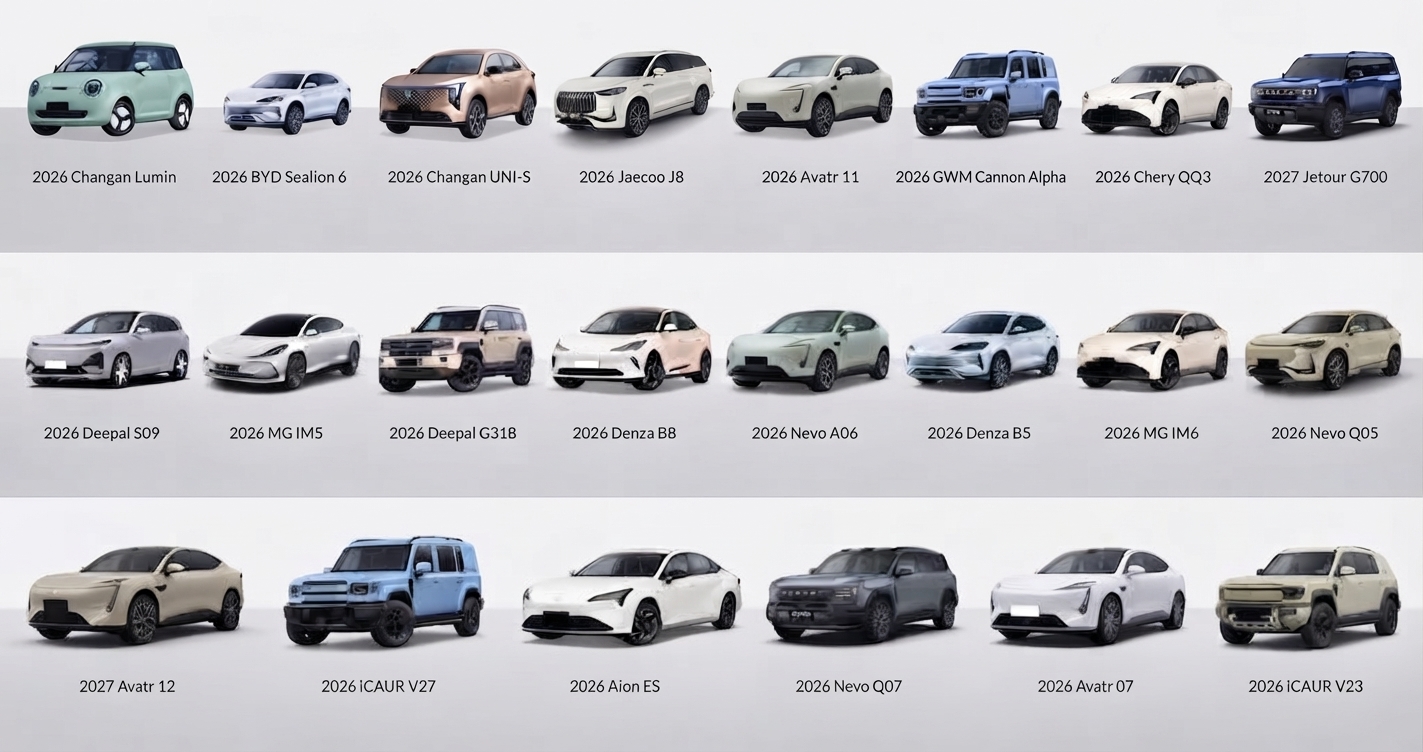
Pakistan is preparing for a major wave of new cars, from affordable city EVs to premium SUVs and electric sedans. Here is a practical comparison of 22 upcoming models, including iCAUR, Denza, Deepal, MG, BYD, Avatr, Changan, Jaecoo, GWM and Jetour, to help buyers understand where each vehicle fits.

Haval Jolion Max PHEV vs Jaecoo J7 Comparison
Haval unveiled the Jolion Max PHEV on PakWheels. This compact SUV sits between the Jolion and H6. We compare it with the popular Jaecoo J7 PHEV on performance, dimensions, interior, safety and features to see which one comes out ahead in the growing PHEV segment.
MG HS Petrol Variant Now Available in Pakistan
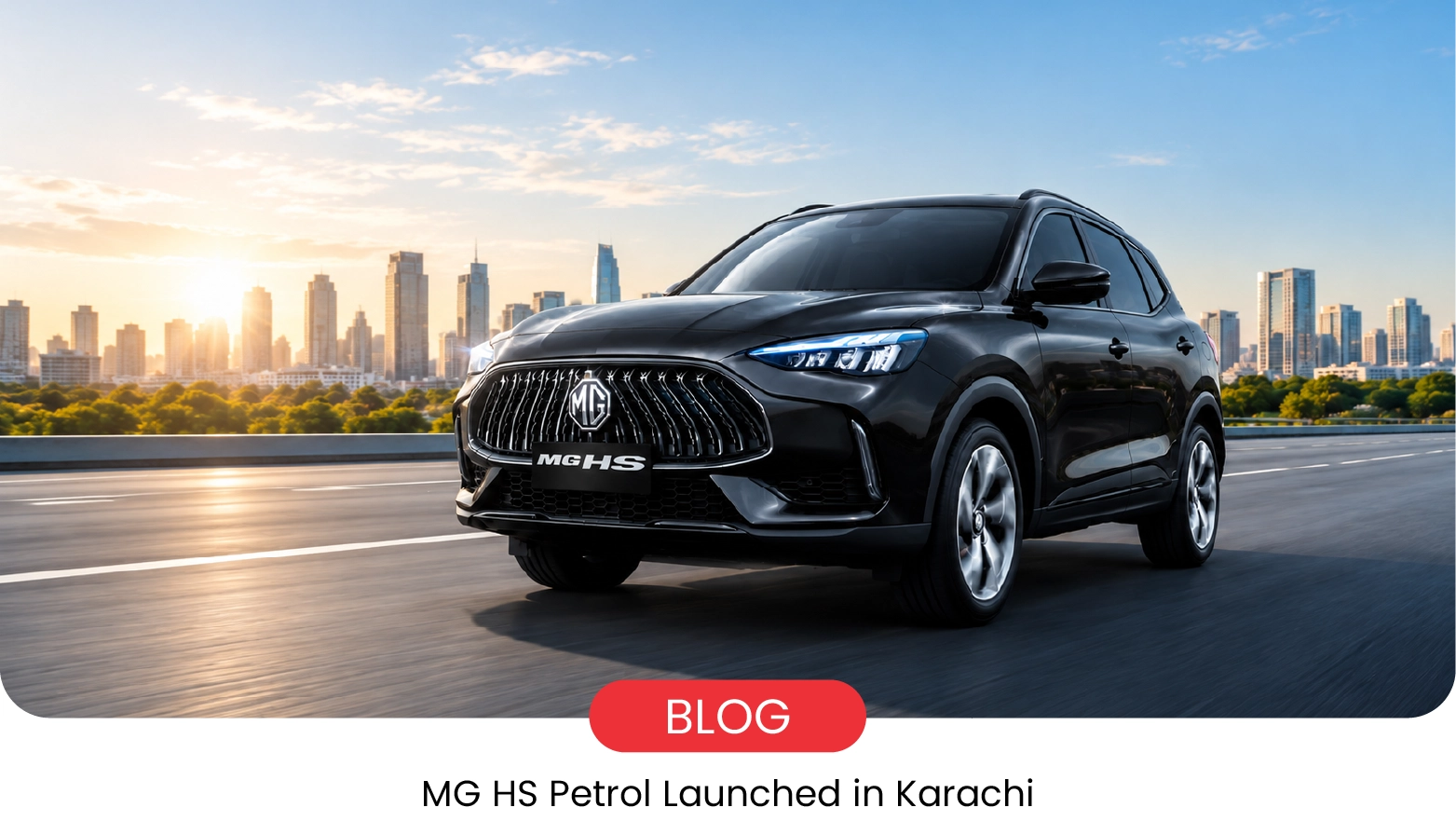
MG Motors Pakistan just rolled out the pure petrol version of its second-generation HS in Karachi. Priced from Rs 8.8 million with a strong feature list, it gives buyers a simpler option next to the hybrids. Bookings are open now with a Rs 1.5 million deposit.