BYD Sells 4.6 Million EVs in 2025, Overtakes Tesla Globally
BYD closed 2025 with 4.6 million new energy vehicle sales worldwide. Strong plug-in hybrid demand, competitive pricing, and rapid global expansion helped the company outperform rivals and likely surpass Tesla as the world’s top EV seller.
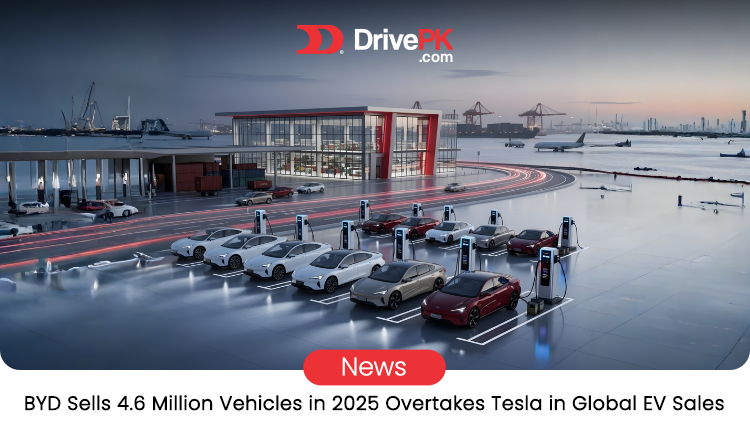
Table of Contents
- Growth Continued, Even in a Slower Market
- BYD still grew.
- Plug-In Hybrids Did the Heavy Lifting
- Competitive pricing
- International Markets Became a Core Focus
- This approach gave BYD several advantages:
- Manufacturing Strategy Strengthened Global Reach
- Charging and Performance Still Matter
- Domestic Demand Softened Late in the Year
- Why BYD Looks Strong for the Long Term
- The Bigger Picture for the EV Market
BYD Sells 4.6 Million EVs in 2025 and Moves Ahead of Tesla
In 2025, BYD reached a milestone that few automakers have achieved. The company sold 4.6 million new energy vehicles worldwide. This includes fully electric cars and plug-in hybrids.
With this number, BYD met its revised annual target. More importantly, it likely sold more EVs than Tesla, placing BYD at the top of the global EV market.
This did not happen by chance. It was the result of steady pricing, strong hybrid demand, and fast expansion outside China.
And that is why 2025 matters for BYD.
Growth Continued, Even in a Slower Market
BYD’s sales rose 7.7 percent year on year in 2025. This growth may look modest compared to earlier years, but the context matters.
China’s EV market slowed down during the second half of the year. Price competition became intense. Many brands struggled to protect margins or maintain volume.
BYD still grew.
The company benefited from its scale. It builds batteries, power electronics, and vehicles in-house. This allowed it to keep prices stable while others were forced to cut deeply or pull back.
But price alone was not the full story.
Plug-In Hybrids Did the Heavy Lifting
One of BYD’s strongest advantages in 2025 was its plug-in hybrid lineup.
While pure EV demand softened in some regions, hybrids stayed popular. Buyers liked the mix of electric driving for daily use and fuel backup for long trips. Charging concerns also played a role, especially outside major cities.
- BYD’s hybrid models offered:
- Long electric-only range
- Lower fuel use than traditional hybrids
Competitive pricing
These cars appealed to cautious buyers who wanted lower running costs without relying fully on charging networks.
As a result, plug-in hybrids became a major driver of BYD’s total sales volume.
International Markets Became a Core Focus
Another key reason behind BYD’s strong year was its push beyond China.
In 2025, the company expanded its presence in South America, Southeast Asia, and South Asia. Markets like Brazil gained special importance. BYD invested in local manufacturing to avoid import costs and respond faster to demand.
This approach gave BYD several advantages:
Better pricing in local markets
Faster delivery times
Stronger ties with governments and dealers
Instead of relying only on exports, BYD focused on building long-term operations.
And it worked.
Overseas sales grew faster than domestic sales, helping offset weaker demand in China late in the year.
Manufacturing Strategy Strengthened Global Reach
BYD’s decision to build factories closer to customers was not just about volume. It was also about risk.
Trade rules, tariffs, and currency swings have become more unpredictable. By producing vehicles locally, BYD reduced exposure to these issues.
In regions like Brazil, local production also supported job creation. This helped the company gain political and public support.
At the same time, BYD continued to invest in supply chain control. Battery production remained a core strength, keeping costs down while competitors relied on third-party suppliers.
This manufacturing depth is one reason BYD can scale faster than many rivals.
Charging and Performance Still Matter
While BYD focused heavily on affordability, it did not ignore technology.
In 2025, the company continued work on fast-charging systems and high-performance platforms. These upgrades targeted buyers who wanted quicker charging times and better driving performance.
Even though not all models used the latest tech, the investment showed long-term intent.
BYD is not positioning itself as a luxury brand. But it is making sure its cars do not feel outdated.
And that balance is important.
Domestic Demand Softened Late in the Year
China remains BYD’s largest market. But signs of fatigue appeared toward the end of 2025.
EV incentives were reduced. Buyers delayed purchases. Competition increased, especially in the mid-price segment.
BYD felt this slowdown, but less sharply than many competitors.
Its wide product range helped. From compact city cars to SUVs and hybrids, BYD had options at almost every price point.
This flexibility allowed the company to shift focus as buyer preferences changed.
Why BYD Looks Strong for the Long Term
BYD’s 2025 results highlight several long-term strengths:
- Scale that keeps costs low
- Strong hybrid technology during market transitions
- Growing global manufacturing base
- Controlled supply chain, especially batteries
The company is not dependent on one region or one vehicle type. That reduces risk.
But challenges remain. Global competition is increasing. Regulations differ across markets. And price pressure will continue.
Still, BYD enters the next phase of the EV market from a position of strength.
And that is not easy to achieve in this industry.
The Bigger Picture for the EV Market
BYD’s rise also reflects a shift in the global EV landscape.
Leadership is no longer limited to one country or one brand. Chinese automakers, led by BYD, are now setting the pace on volume, cost, and speed.
For consumers, this means more choice and better pricing. For competitors, it raises the bar.
2025 may be remembered as the year when the balance of EV leadership changed.For more updates, visit DrivePK.com
Tags
Share this article
About the Author

Najeeb Khan
Automotive enthusiast and writer
Comments (0)
Login Required
You need to be logged in to comment on this article.
No comments yet. Be the first to share your thoughts!
Related Articles
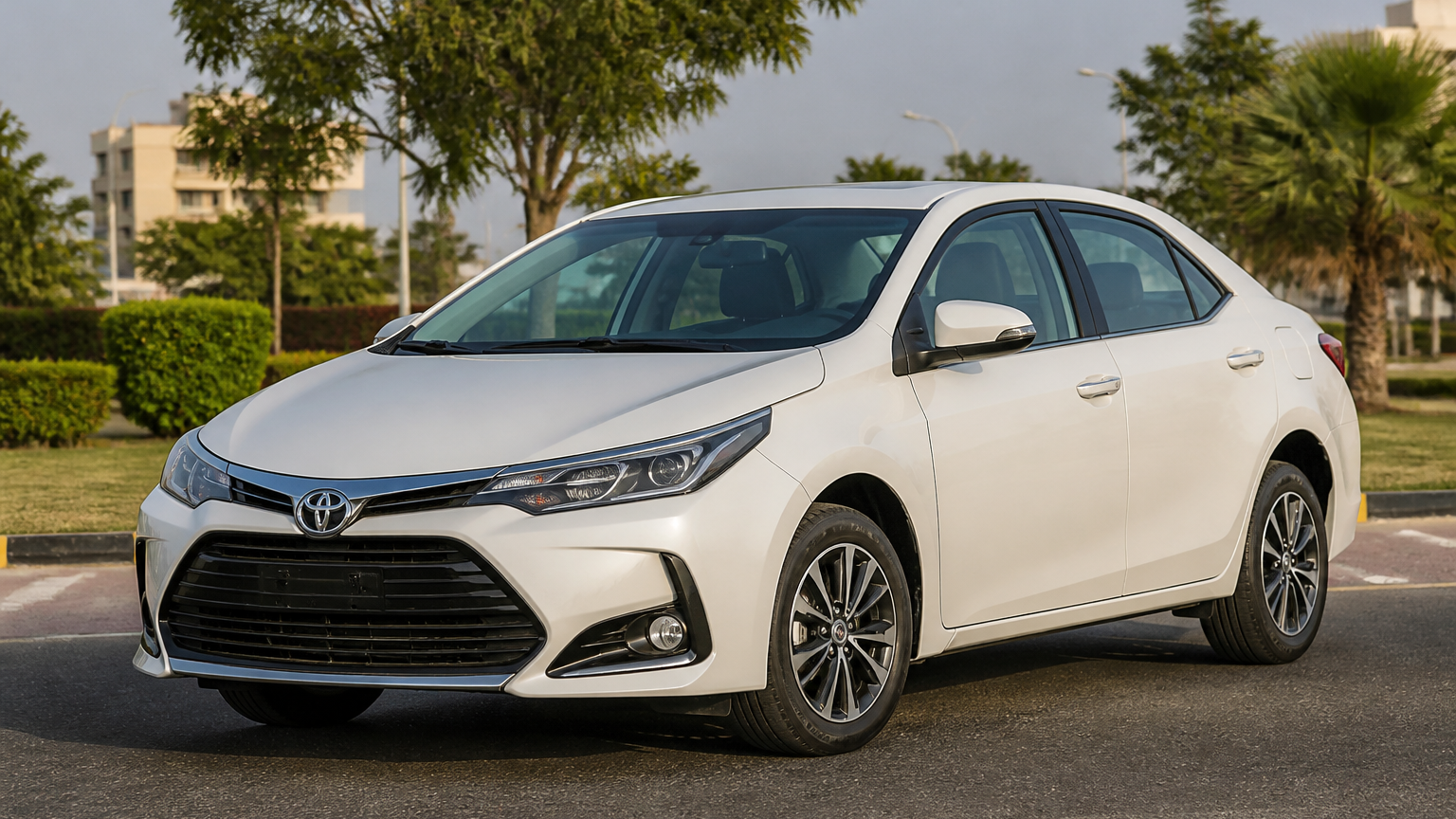
Toyota Corolla Discontinued Before Pakistan Facelift
Pakistan’s pre-facelift Toyota Corolla is reportedly discontinued, hinting at a facelift. Prices, bookings, specs and launch timing remain unconfirmed.
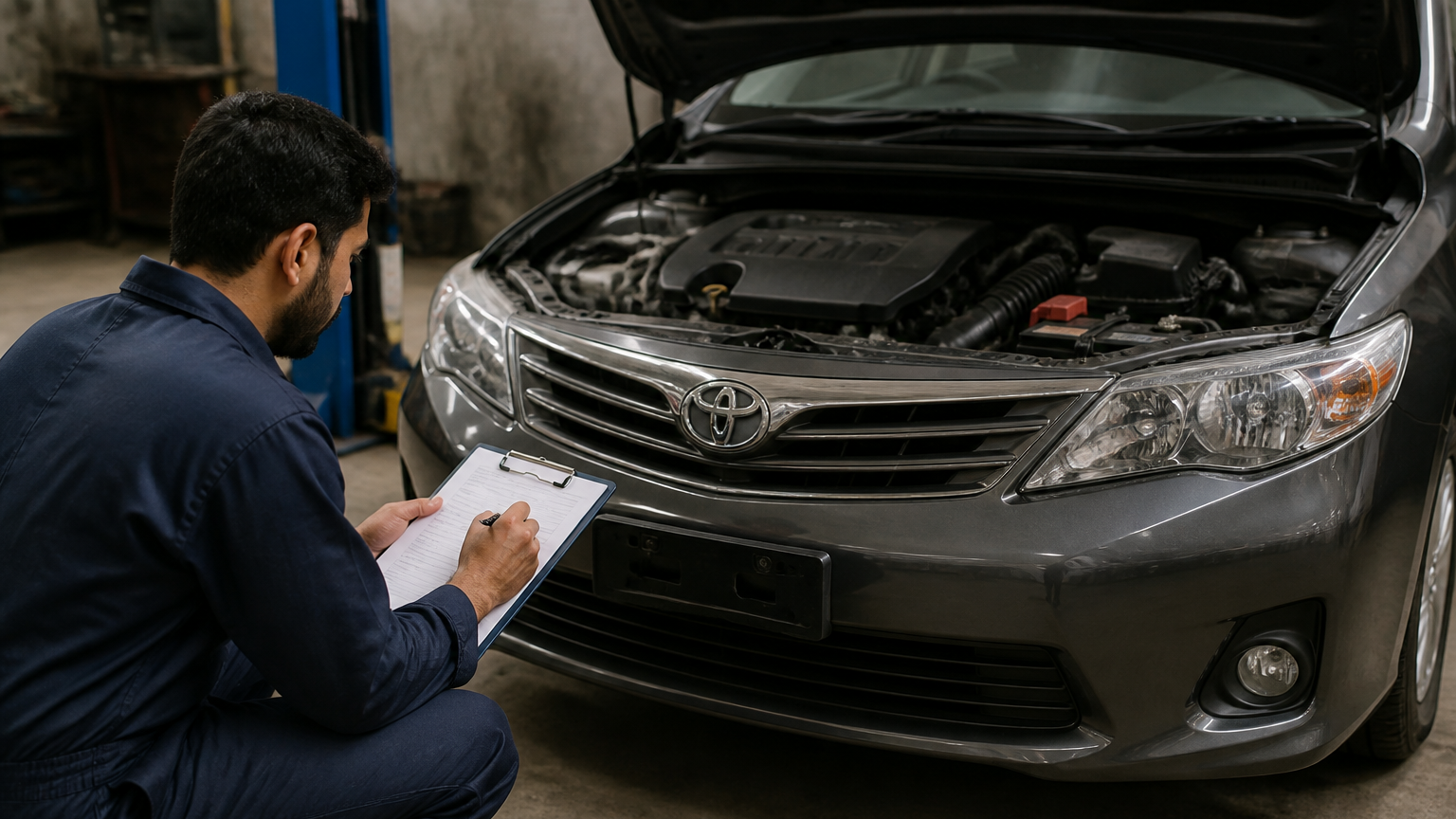
DrivePK Car Inspection Reports: Buy with Confidence
Buying a used car in Pakistan? A pre-purchase inspection can reveal hidden damage, engine issues and red flags before you pay—but it’s not enough alone.
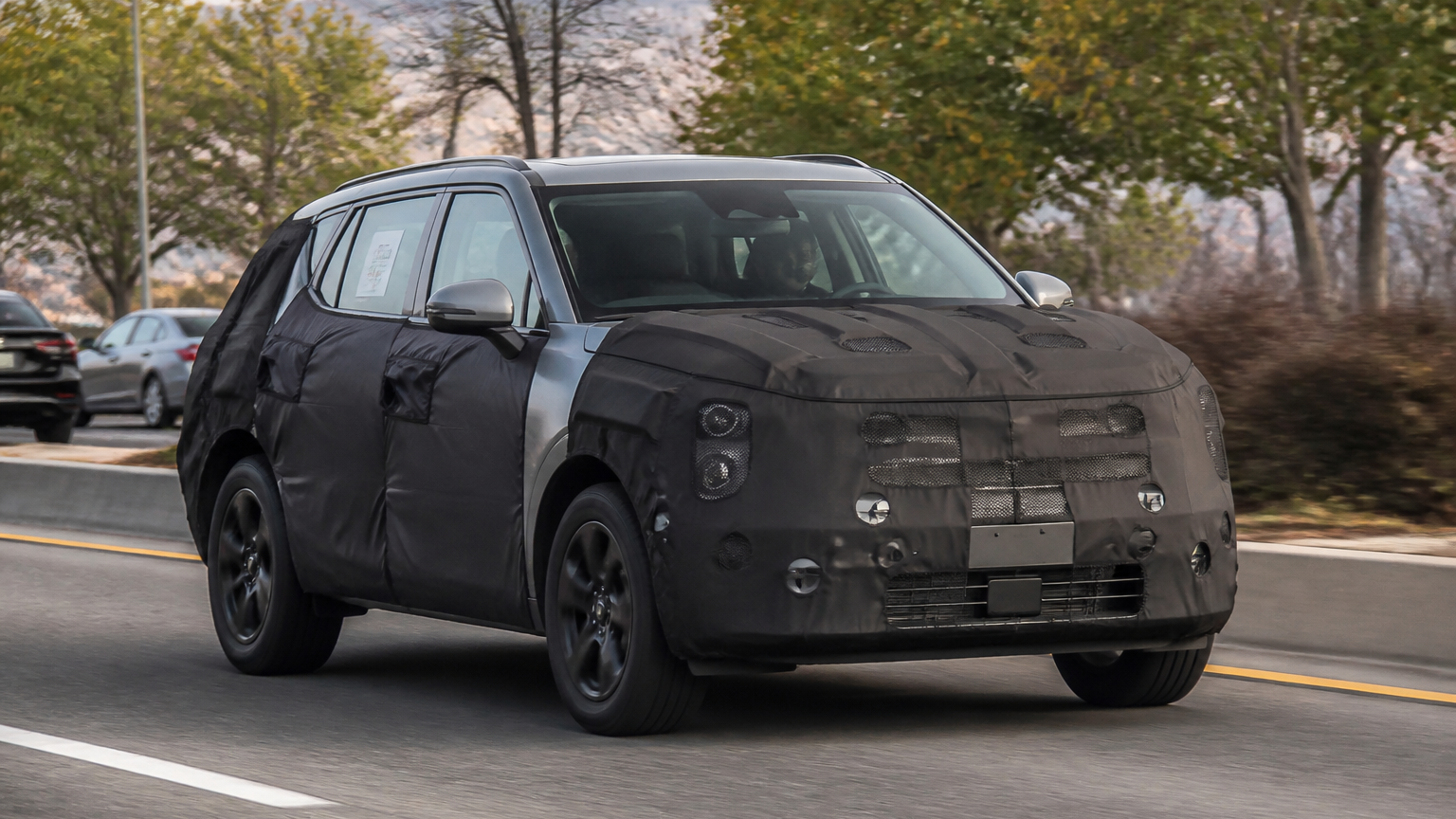
2028 Kia Sportage: Major Design Changes Spotted
Kia’s next Sportage may get a bolder, boxier redesign, with an upright profile, sharper lines, wider grille and split headlights hinted by spy shots.