Car and Motorcycle Prices in Pakistan Set to Rise in 2026 Due to Tax Changes
Car and motorcycle prices in Pakistan may rise in 2026 as tax exemptions end. IMF talks could impose an 18% sales tax on hybrids and certain bikes from July. Buyers should act before the budget to avoid hikes that add thousands to costs. Affordability takes a hit, but revenue gains for the government.
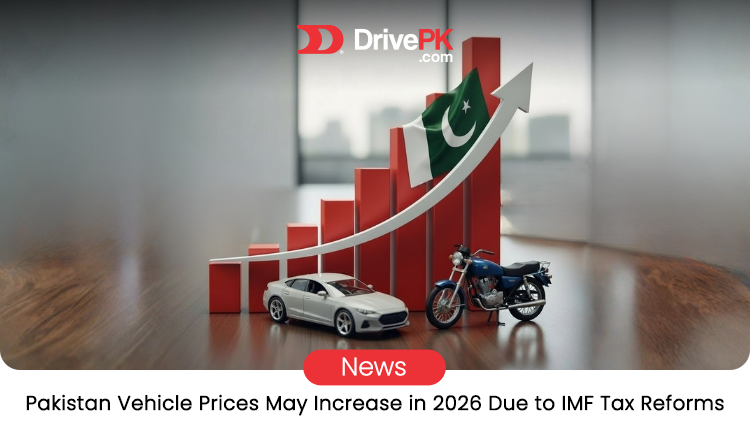
Table of Contents
- Breaking Down the Tax Reforms
- How This Affects Buyers and the Market
- Broader Impacts on Pakistan's Economy
- Tips for Navigating the Changes
- Wrapping It Up: Prepare for the Shift
Meta Title: Car and Motorcycle Prices in Pakistan Set to Rise in 2026 Due to Tax Changes
Pakistan's auto market has stayed steady for a while, but change is coming. Talks with the IMF are pushing the government to rethink taxes. This could mean higher prices for cars and motorcycles starting next year. It's not just talk; real reforms are on the table for the 2026-27 budget.
Right now, some vehicles get a break on sales tax. Locally made hybrid cars and certain motorcycles don't pay the full rate. That keeps costs down for buyers. But if these exemptions go away, an 18% sales tax hits everything. No more favorites in the tax game.
And that's the core of it. The government wants more revenue. IMF pressures are strong, especially after recent economic dips. Standardizing taxes sounds fair, but it stings the wallet. Hybrids under 2500cc and select bikes face the biggest risk. Prices could climb by hundreds of thousands of rupees.
Breaking Down the Tax Reforms
Let's look closer at what's proposed. The federal budget for 2026-27 starts July 1, 2026. Before that, no changes. Buyers have a window until June 30.
Hybrid cars get special treatment now. Those assembled locally skip sales tax or pay less. Motorcycles in certain categories do too. The idea was to boost green tech and local manufacturing. It worked; hybrids gained popularity for better fuel efficiency in a country with high gas prices.
But uniformity is the new goal. An 18% sales tax across the board. No exemptions. This aligns with IMF advice to plug revenue leaks. Pakistan needs funds for debt, infrastructure, and stability.
What does this mean in numbers? Take a hybrid sedan under 2500cc. Current price: around 5-7 million rupees. Add 18% tax, and you're looking at an extra 900,000 to 1.26 million rupees. That's a big jump. For motorcycles, say a 125cc model at 200,000 rupees. The hike could add 36,000 rupees. Not pocket change for average families.
These aren't wild guesses. Based on current exemptions, removing them shifts the burden straight to consumers. Dealers might absorb some, but most will pass it on.
How This Affects Buyers and the Market
Buyers, pay attention. If you're eyeing a hybrid, move fast. Prices stay put until June 30, 2026. After that, expect stickers to reflect the new tax.
But why rush? Affordability is key in Pakistan. Many save for months or take loans for vehicles. A sudden increase could delay plans or force cheaper options. Hybrids were a smart pick for savings on fuel. Now, the upfront cost rises, making them less appealing.
Motorcycle owners feel it too. Bikes are everyday transport here. From commuters to delivery riders, millions rely on them. A price bump hits the working class hardest. Sales might dip in the short term as people hold off.
On the flip side, the government gains. More tax revenue means better fiscal health. It could fund roads, schools, or subsidies elsewhere. IMF support often comes with loans or aid, easing economic pressure.
Yet, there's pushback. Auto makers argue that exemptions drove growth. Removing them could slow assembly lines and jobs. Imports might rise if local prices soar, hurting the trade balance.
And consumers? Mixed feelings. Some see it as necessary for progress. Others worry about inflation. Vehicle costs tie into everything transport, business, and daily life.
Broader Impacts on Pakistan's Economy
Zoom out, and this fits a bigger picture. Pakistan's economy has faced tough times. Inflation, currency dips, and global shocks like oil prices. IMF deals are lifelines, but they demand reforms.
Tax changes aim to broaden the base. Right now, few pay full taxes. Exemptions create loopholes. Closing them boosts collection without new taxes on everyone.
But short-term pain is real. Auto sales contribute to GDP. A slowdown ripples to suppliers, dealers, and finance. Hybrids were pushing eco-friendly shifts. Higher prices might stall that.
Compared to neighbors. India taxes hybrids at 28-43%, but with incentives. Bangladesh keeps vehicle taxes high for revenue. Pakistan's move aligns regionally, but timing matters amid recovery.
Experts say it's inevitable. Delaying exemptions risks IMF fallout. It's better to standardize now for long-term benefits.
Tips for Navigating the Changes
So, what should you do? If a hybrid or exempt motorcycle is on your list, buy before July 2026. Lock in current prices.
Research models. Check which hybrids qualify now. Toyota, Honda, and local assemblers have options with engines under 2,500cc.
Consider alternatives. Non-hybrids might stay cheaper post-reform. Or look at used vehicles tax changes don't hit them directly.
Stay informed. Budget details emerge in May-June. Watch the news from the Finance Ministry or the IMF updates.
And think long-term. Hybrids save on fuel over time. Even with higher upfront costs, they might pay off.
For sellers, prepare. Stock up on exempt models. Communicate changes clearly to avoid backlash.
Wrapping It Up: Prepare for the Shift
Vehicle prices in Pakistan are poised for a hike in 2026. Tax reforms, driven by IMF talks, end exemptions on hybrids and motorcycles. An 18% sales tax starts July 1, adding high costs.
It's a trade-off: revenue for the government versus affordability for buyers. Short-term, it hurts. But it could strengthen the economy.
If you're in the market, act soon. June 30 is the cutoff. After that, budgets tighten.
This isn't doom and gloom. It's reality in a changing economy. Stay ahead, and you'll navigate it fine. For more updates, visit DrivePK.com
Tags
Share this article
About the Author

Najeeb Khan
Automotive enthusiast and writer
Comments (0)
Login Required
You need to be logged in to comment on this article.
No comments yet. Be the first to share your thoughts!
Related Articles
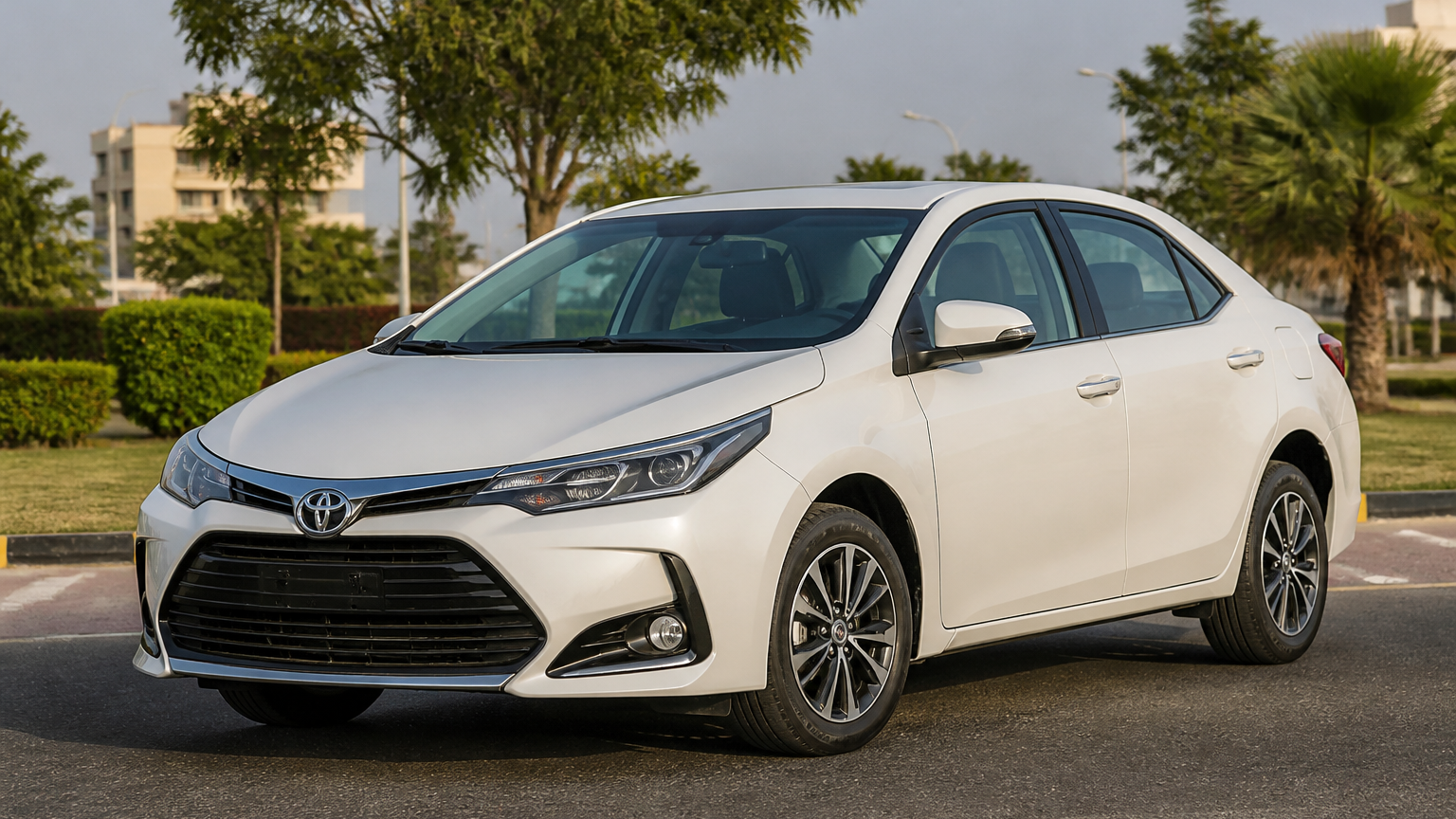
Toyota Corolla Discontinued Before Pakistan Facelift
Pakistan’s pre-facelift Toyota Corolla is reportedly discontinued, hinting at a facelift. Prices, bookings, specs and launch timing remain unconfirmed.
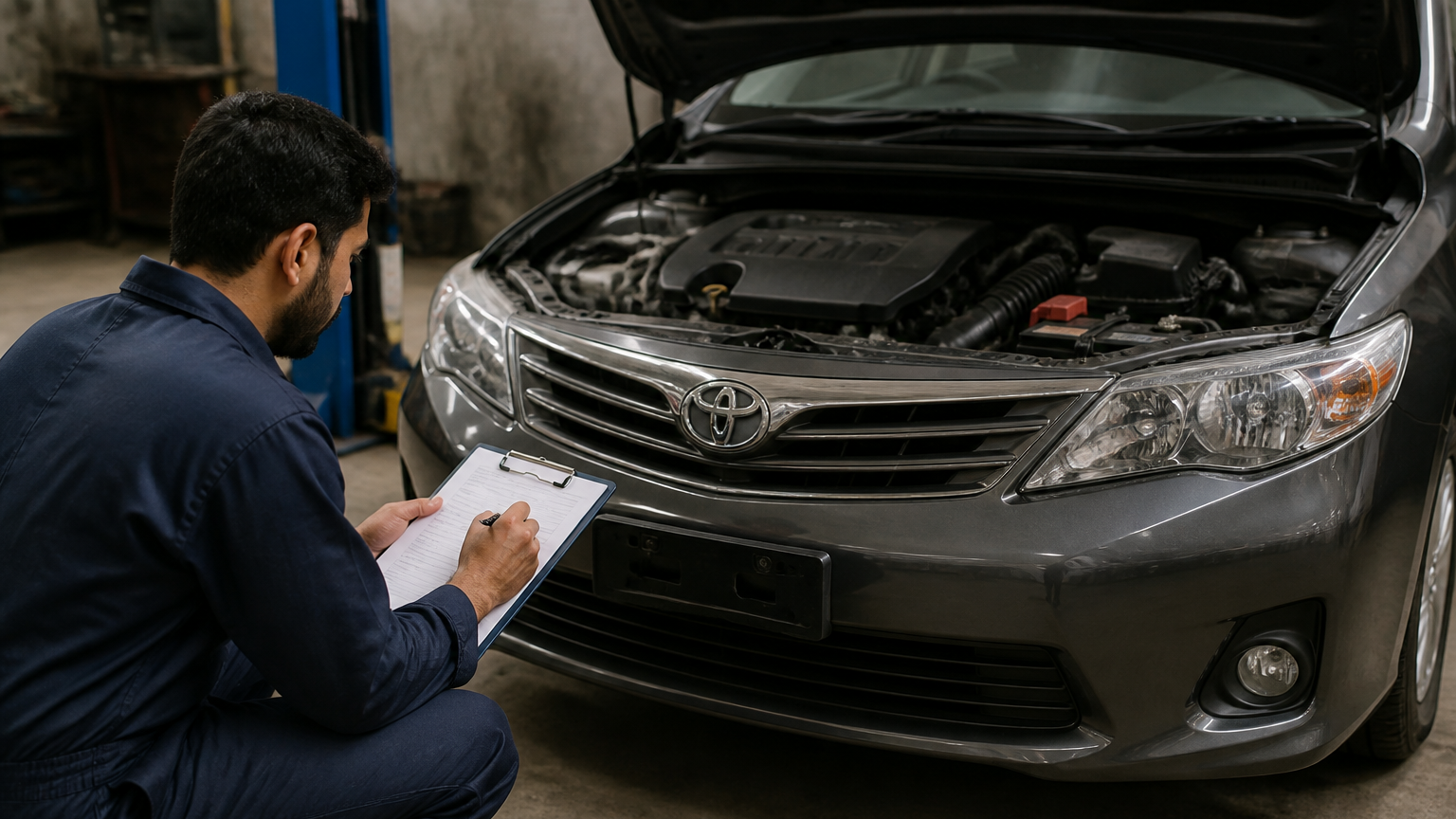
DrivePK Car Inspection Reports: Buy with Confidence
Buying a used car in Pakistan? A pre-purchase inspection can reveal hidden damage, engine issues and red flags before you pay—but it’s not enough alone.
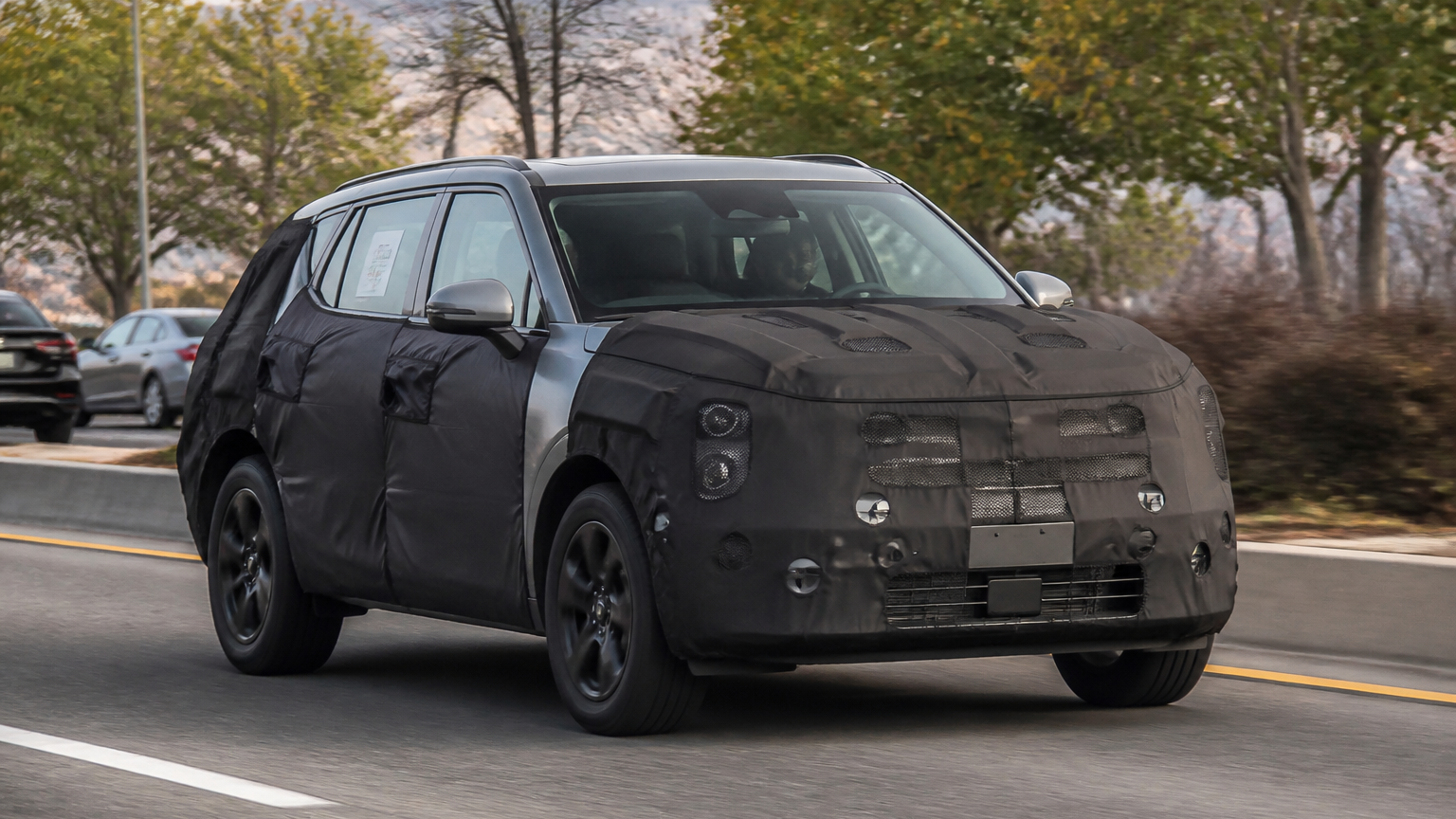
2028 Kia Sportage: Major Design Changes Spotted
Kia’s next Sportage may get a bolder, boxier redesign, with an upright profile, sharper lines, wider grille and split headlights hinted by spy shots.