Car History: Pakistan’s Electric Future Explained
From steam power to electric cars, the automobile’s 250-year journey reflects changing technology, fuel, prices, and what everyday drivers can afford.
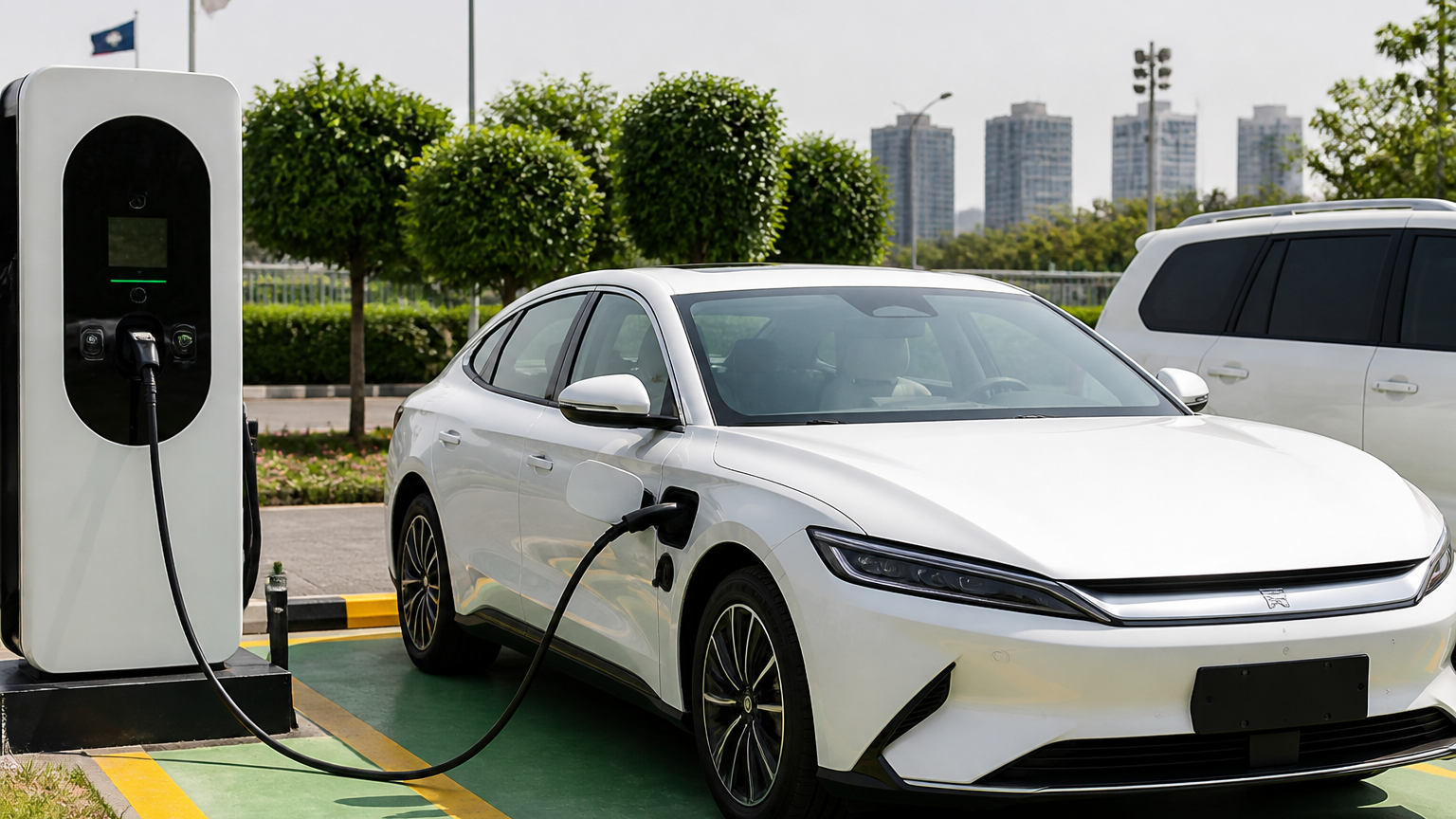
Table of Contents
- Electric cars are not new
- Ford made cars affordable
- Safety, speed, and Japanese efficiency
- Pakistan’s car market and the EV question
- Explore DrivePK services
If you drive in Pakistan today, the idea of a car that updates its software, starts without a key, or runs without petrol may feel modern and strange. But the road to electric cars began more than 250 years ago. The story of the automobile is really a story of power, price, fuel access, and what ordinary people can actually afford to live with.
Long before petrol cars became common, people still depended on horses, carts, and slow road travel. In 1769, French inventor Nicolas-Joseph Cugnot built a steam-powered vehicle for moving heavy guns. It was slow and awkward, but it proved one big point: a road vehicle did not need an animal in front of it.
The real turning point came in 1886, when Carl Benz filed the patent for his three-wheeled petrol vehicle, the Benz Patent Motorwagen. Many historians treat that as the start of the modern car. It was not fast, comfortable, or practical by today’s standards, but it was built as a car from the ground up, not as a carriage with an engine attached.
Bertha Benz later helped prove that this new machine could work in real life. Her long-distance drive showed that cars could do more than sit in a workshop. They could become useful transport.
Electric cars are not new
Electric vehicles are often seen as a fresh idea, but they were already on roads in the late 1800s and early 1900s. One source note, linked to the US Department of Energy, says that around 1900, about one-third of vehicles in the United States were electric. They were quiet, easier to start, and cleaner to use than early petrol cars.
So why did petrol cars win? Range was a major reason. Fuel stations spread quickly, petrol prices became more manageable, and engines improved fast. By the mid-1930s, electric cars had mostly disappeared from mainstream markets.
Ford made cars affordable
The next major shift came from Henry Ford. In 1908, he launched the Model T for mass buyers, not just the rich. Then, in 1913, Ford introduced the moving assembly line. One Library of Congress-linked comparison shows that Model T assembly time fell from about 12 hours and 30 minutes to 93 minutes.
That idea changed global manufacturing, including how vehicles would later be built in Pakistan.
Safety, speed, and Japanese efficiency
World Wars pushed car makers to improve durability, engines, and production methods. Later, safety became a bigger concern. Volvo’s three-point seat belt, launched in 1959, became one of the most important car safety advances ever.
At the same time, Japanese brands like Toyota, Honda, Nissan, Suzuki, Mazda, and Mitsubishi built their reputations on reliability, fuel economy, and practical design. For markets like Pakistan, that mattered more than flashy power. Low running costs and easy maintenance became the real selling points.
Pakistan’s car market and the EV question
Pakistan’s auto industry did not begin with Suzuki. Early local assembly and imported components shaped the market after independence, while later nationalisation changed how the sector was run. Then Suzuki, Toyota, and Honda helped define what many Pakistani families expected from a car: decent resale, service support, and manageable repair bills.
That history matters now because EVs will not succeed here just because they are electric.
For city drivers, the appeal is clear: lower routine running costs, quieter travel, and no tailpipe emissions. But buyers still face real hurdles. These include higher purchase prices, charging access, battery replacement worries, weak resale confidence, and uneven service support. Power supply issues also matter in a country where not every home or city has the same infrastructure.
That means Pakistan’s electric future will likely grow unevenly. Karachi, Lahore, and Islamabad may move faster than smaller cities. Petrol and hybrid cars will still matter where charging is not easy.
If you are buying any car today, do not look at the badge alone. Check the total cost of ownership, warranty coverage, battery support, charging compatibility, and service availability. For more on how policy and vehicle fitness shape daily driving, see Islamabad Entry Ban for Unfit Vehicles Explained.
The big lesson from car history is simple: every new era wins only when it fits real life. Pakistan’s EV shift will be no different.
Explore DrivePK services
Buying or selling a vehicle? Explore DrivePK services, including car inspection, Sell It For Me and Featured Listings, and choose the option that fits your needs.
For more updates, visit DrivePK.com
Tags
Share this article
About the Author
Dr Khan
Automotive Expert & Content Strategist
Comments (0)
Login Required
You need to be logged in to comment on this article.
No comments yet. Be the first to share your thoughts!
Related Articles
کار کی تاریخ: پاکستان کے برقی مستقبل کی وضاحت
بھاپ سے چلنے والی گاڑیوں سے لے کر برقی کاروں تک، آٹوموبائل کے 250 سالہ سفر میں ٹیکنالوجی، ایندھن، قیمتوں اور عام ڈرائیور کی استطاعت میں آنے والی تبدیلیاں جھلکتی ہیں۔
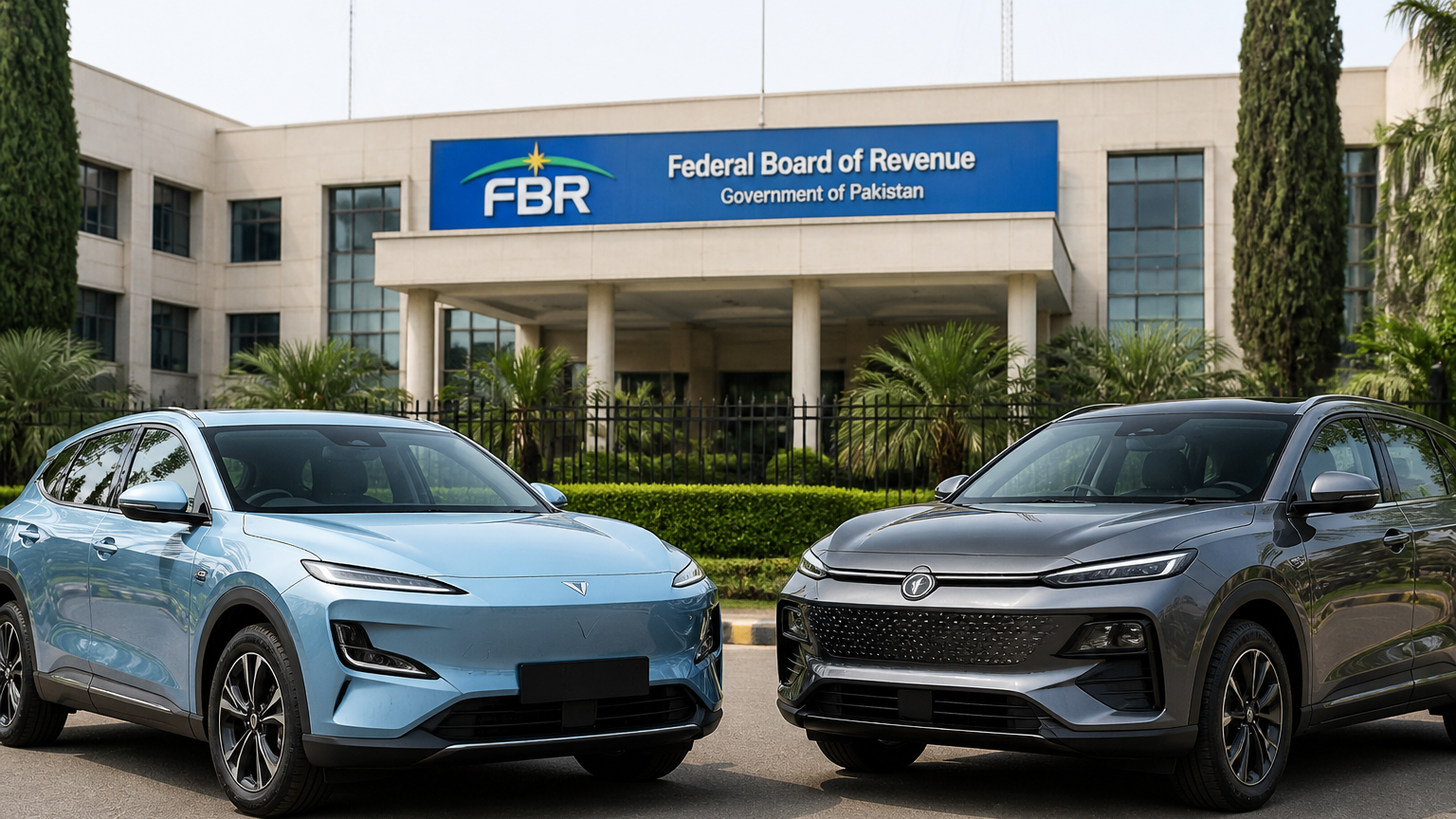
FBR نے پاکستان میں REEVs کو EV کیٹیگری میں برقرار رکھا
FBR نے پاکستان کی EV کسٹمز کیٹیگری میں Deepal S05 اور Forthing Friday REEVs کو برقرار رکھا ہے—تاہم خریداروں کو فوری قیمت میں کمی یا ٹیکس ریلیف کی توقع نہیں رکھنی چاہیے۔