Changan Urges Pakistan to Finalise Auto Policy 2026–31
Changan urges Pakistan to approve its proposed Auto Policy 2026–31, backing REEVs to cut fuel imports, lower costs and ease range anxiety.
Table of Contents
- Why REEVs are being promoted
- The savings case is based on a scenario
- Spare power could help, but only with the right setup
- Buyers and investors still need clear rules
- Explore DrivePK services
Changan is urging the government to finalise and roll out the proposed Auto Policy 2026–31, saying Pakistan needs clear rules to support range-extended electric vehicles, or REEVs, as a way to cut petrol use and calm driver fears about running out of charge. The push is about a proposed policy, not a finished government decision.
Reportedly, Ali Damani, COO of Master Changan Motors Limited, said Pakistan can no longer afford delay because imported petrol keeps draining foreign exchange and raising transport costs for families and businesses. The same report says Pakistan’s petroleum import bill reached US$16.86 billion in FY2025–26, based on PBS figures reported by APP.
Why REEVs are being promoted
A REEV is not the same as a full battery-electric car. It can run on electricity for daily travel, but it still carries a petrol engine or generator setup that helps on longer trips. That matters in Pakistan, where charging points are still limited and many buyers worry about being stranded on the road.
This is why Changan and other supporters see REEVs as a middle ground: lower fuel use without forcing every driver to depend only on public chargers. The idea is especially relevant for buyers who cannot yet rely on a dense charging network.
A related DrivePK report on Changan’s recent REEV push is here: Master Changan Launches Deepal S05 REEV in Pakistan.
The savings case is based on a scenario
The source report gives an illustrative case in which Pakistan adds 30,000 more REEVs each year. Under that scenario, the country could displace about 1.19 billion litres of petrol over five years, equal to around US$1.07 billion in import value at an assumed US$0.90 per litre.
That is a scenario estimate, not a confirmed national saving. Real results would depend on how many REEVs are sold, how often they are charged, how much they are driven, and how often the petrol range extender is used.
The report also says avoiding 2,640 litres of petrol a year per vehicle could cut about 6.2 tonnes of tailpipe CO2 per vehicle. But the real climate benefit would still depend on electricity source, charging habits, vehicle efficiency, and driving conditions. Battery-only driving has no tailpipe emissions, while range-extender use and power generation still affect the total footprint.
Spare power could help, but only with the right setup
The source report points to the NEV policy document, which says Pakistan used only 49.8% of available generation potential in FY2023–24. Supporters argue that charging vehicles during spare capacity hours could turn unused power into useful transport energy.
Solar charging could improve the case further. Even so, the real benefit will depend on grid reliability, tariff levels, charger access, and the generation mix behind the electricity.
Buyers and investors still need clear rules
The biggest open question is what Auto Policy 2026–31 will actually say about REEVs. The report says buyers and manufacturers still need clarity on classification, import duties, registration, tax treatment, charging standards, battery support, warranty rules, localisation targets, and the rollout timetable.
That matters because car makers, suppliers, and charger operators do not commit money on guesswork. A delayed policy can slow assembly plans, parts sourcing, staff training, and charging investment. A clear framework could also support local skills and supplier growth, though no specific factory or job numbers are confirmed in the source report.
For buyers, the message is simple: policy finalisation alone will not make REEVs cheaper or guarantee immediate petrol savings. Before paying extra for one, households should check home-charging access, daily driving needs, electricity costs, after-sales support, battery warranty terms, resale risk, and how often the petrol backup will actually be used.
A broader policy discussion on the country’s next auto framework is also being tracked here: Seeking a Sensible Auto Policy.
For now, Changan’s request is best read as a call for policy certainty, not as a confirmed REEV incentive or launch promise. Buyers should wait for the official policy text before making a final decision.
Explore DrivePK services
Buying or selling a vehicle? Explore DrivePK services, including car inspection, Sell It For Me and Featured Listings, and choose the option that fits your needs.
For more updates, visit DrivePK.com
Tags
Share this article
About the Author

Dr Khan
Automotive Expert & Content Strategist
Comments (0)
Login Required
You need to be logged in to comment on this article.
No comments yet. Be the first to share your thoughts!
Related Articles
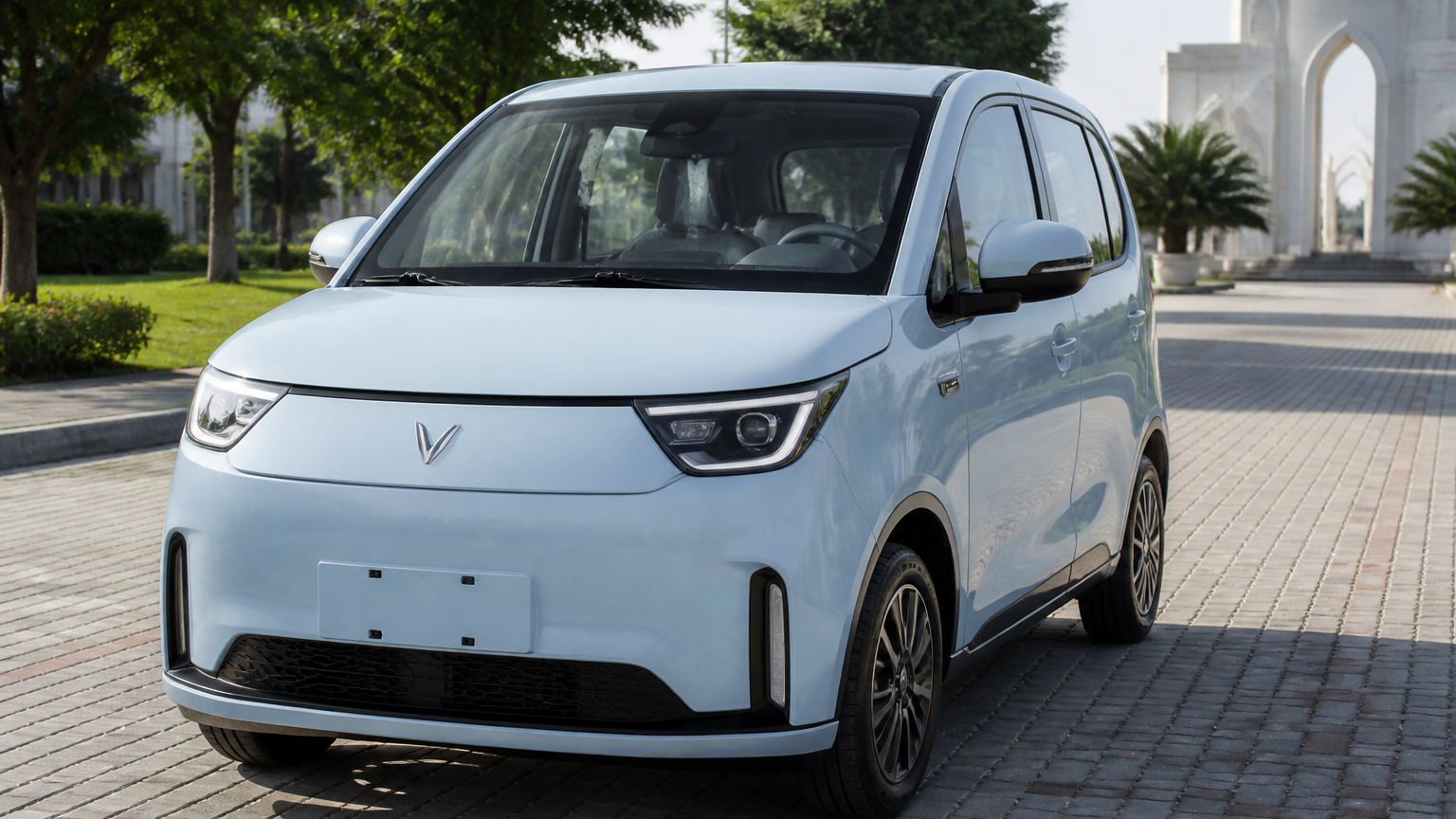
پاکستان میں Valore Quad کی بکنگ قیمت Rs. 559,800
Valore Quad کی رپورٹ شدہ بکنگ قیمت پاکستان میں Rs. 559,800 ہے، تاہم حتمی آن روڈ لاگت، ڈلیوری کے وقت اور وارنٹی کے بارے میں ابھی وضاحت موجود نہیں۔
Valore Quad Booking Price Rs. 559,800 in Pakistan
Valore Quad’s reported booking price is Rs. 559,800 in Pakistan, but the final on-road cost, delivery timing and warranty are still unclear.
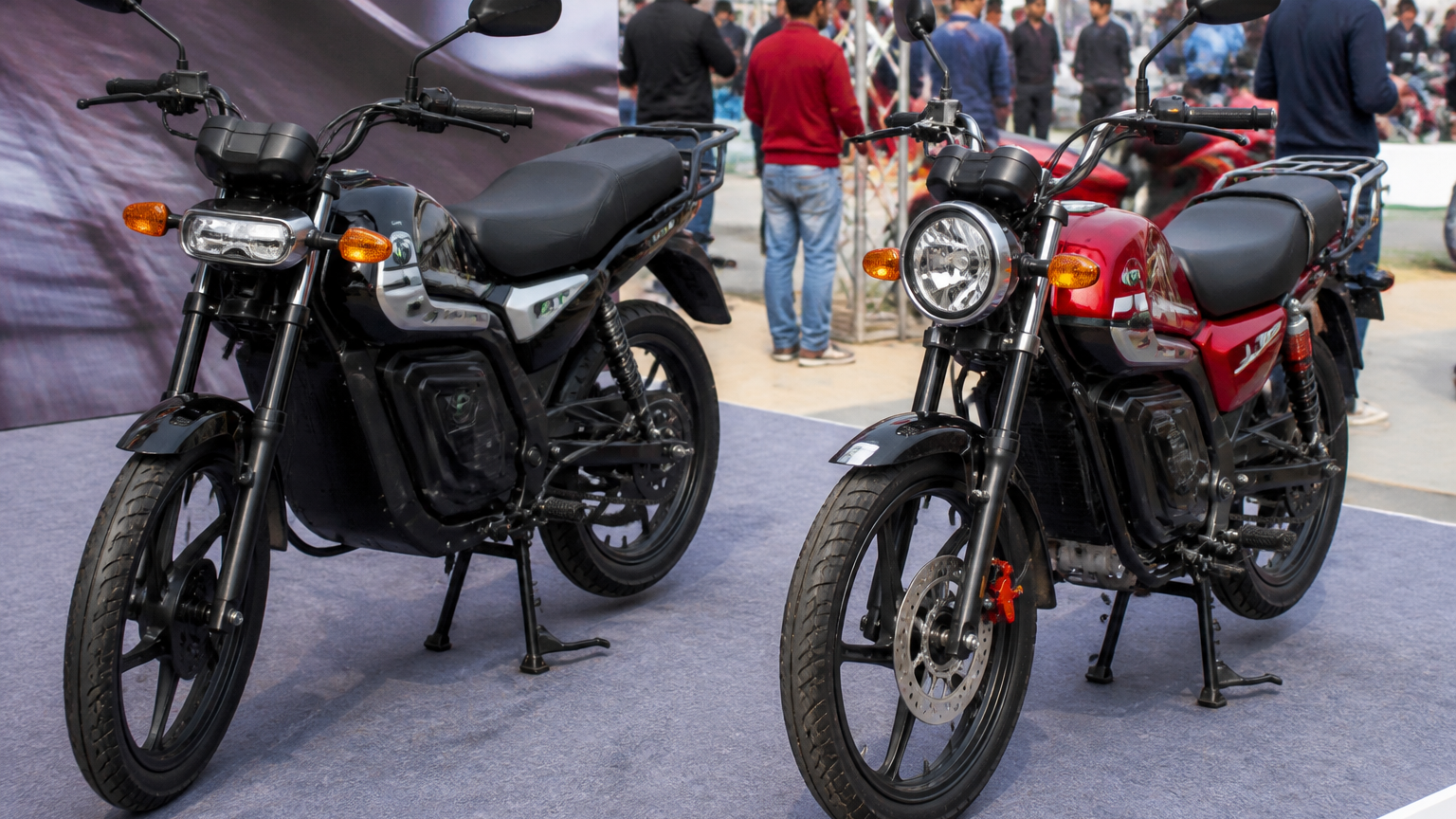
Jinpeng Junoon اور Zalmi الیکٹرک بائیکس پاکستان میں لانچ
Jinpeng کی Junoon کی قیمت Rs. 299,000 اور Zalmi کی قیمت Rs. 320,000 ہے۔ دونوں میں ایک ہی بیٹری، موٹر اور دعویٰ کردہ رینج ہے۔