China Aims for 70% Electric and Hybrid Car Sales by 2030
China wants battery-electric and plug-in hybrid cars to reach 70% of passenger vehicle sales by 2030. They already held about 65% in August. Electric vehicles should also make up 40% of new commercial vehicles. Sinopec expects oil use to fall 8.9% in 2026 as EVs reduce petrol and diesel demand.
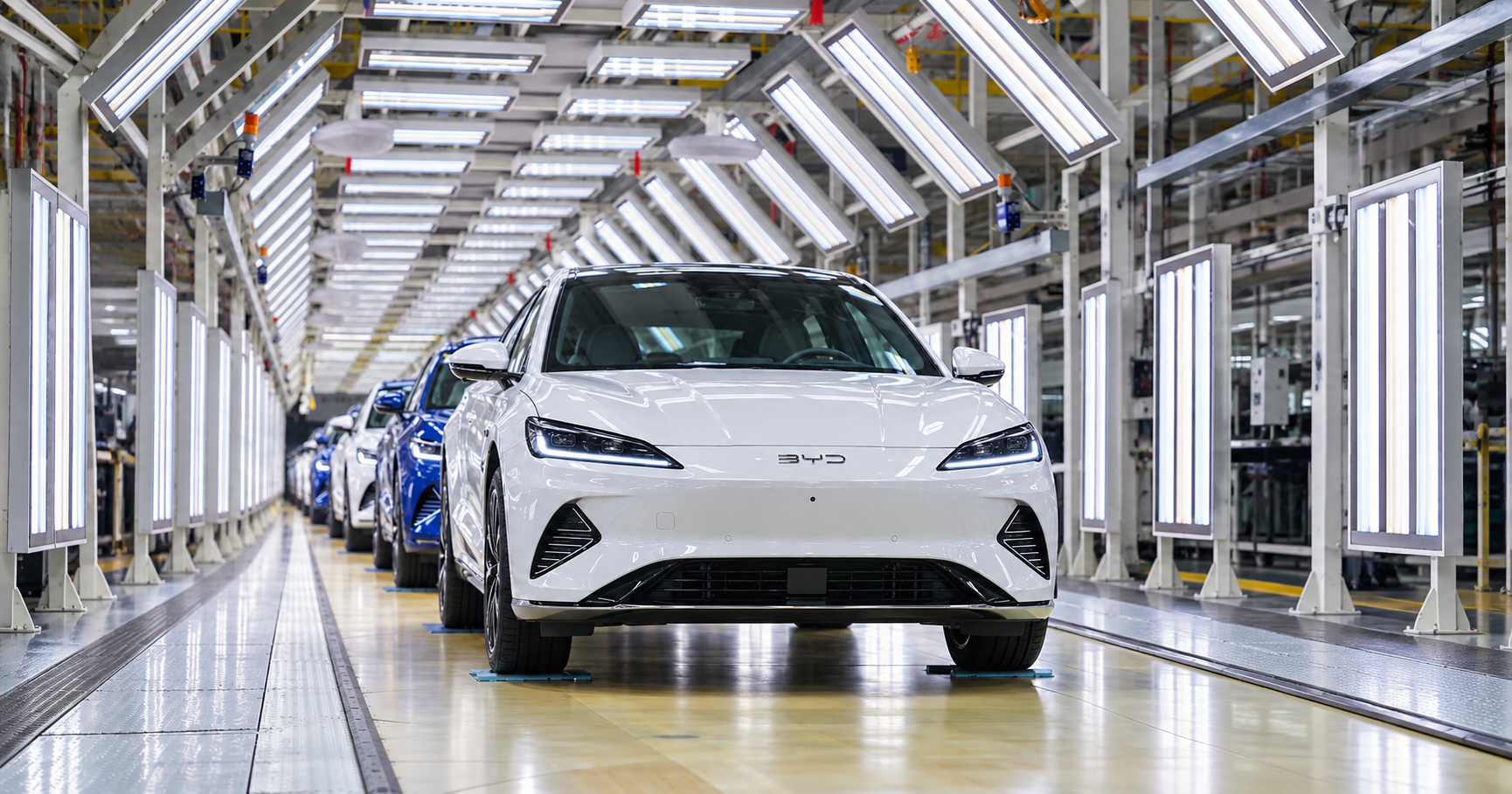
China has set a clear target for battery-electric and plug-in hybrid vehicles. The country wants these models to make up to 70% of all passenger car sales by 2030. This goal shows China’s strong push toward cleaner transport.
Electric and hybrid cars already reached about 65% of passenger car deliveries in August. This high share means China could meet the 2030 target earlier than planned.
China also has a target for commercial vehicles. It wants electric vehicles to account for 40% of new commercial vehicle purchases by 2030.
The fast growth of electric vehicles is reducing demand for petrol and diesel. High crude oil and fuel prices add more pressure. Sinopec expects China’s total oil use to fall by 8.9% in 2026. Gasoline demand is set to drop 8.7%, while diesel use may fall 11.4%.
The rising number of electric vehicles is expected to play a bigger role in cutting road-fuel use and overall oil demand in China.For more updates, visit DrivePK.com
Tags
Share this article
About the Author

Najeeb Khan
Automotive enthusiast and writer
Comments (0)
Login Required
You need to be logged in to comment on this article.
No comments yet. Be the first to share your thoughts!
Related Articles
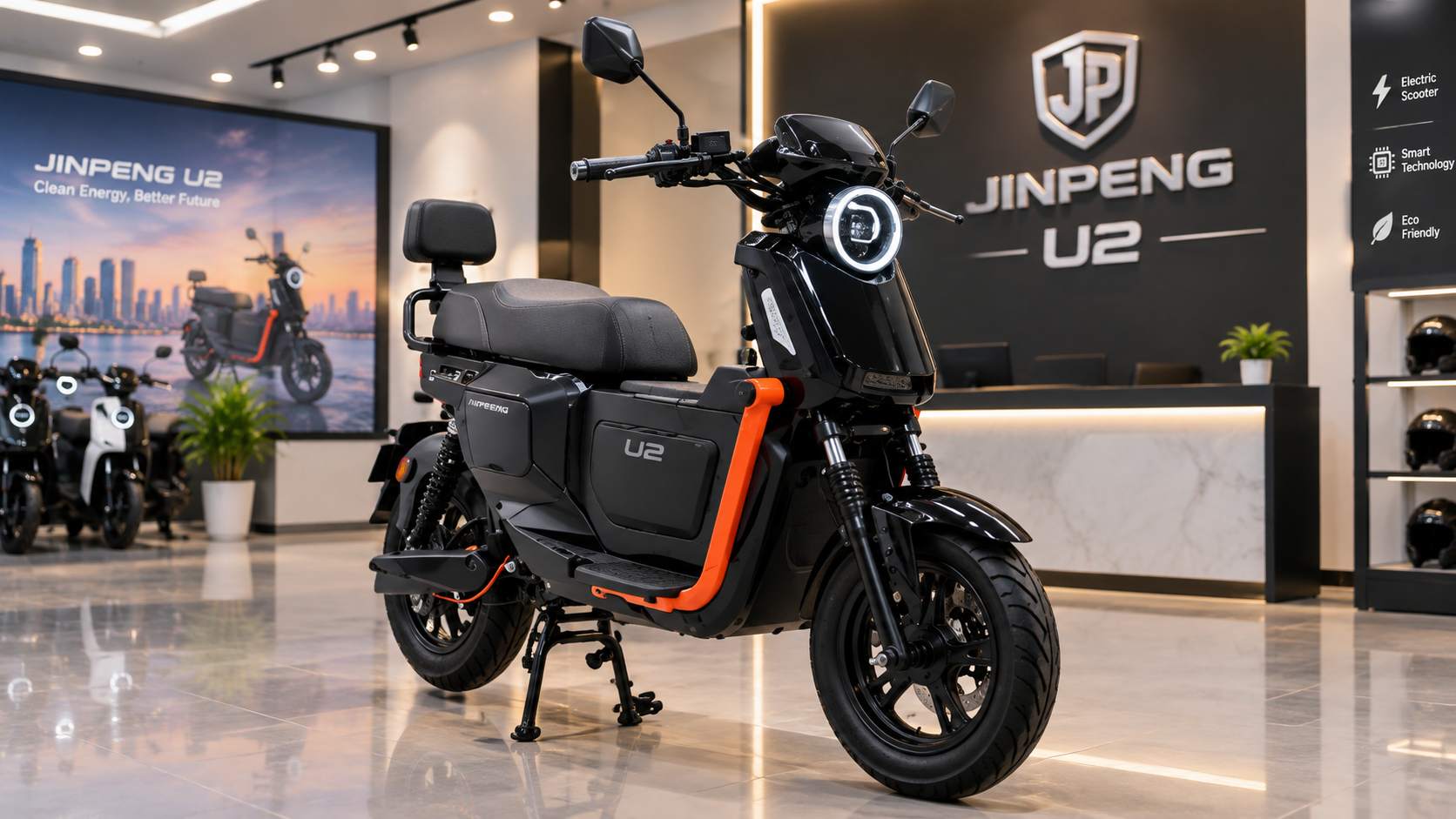
Jinpeng U2 Electric Scooter Revealed at PAPS 2026
Jinpeng’s U2 e-scooter debuts in Pakistan with 1000W and 1500W motors, due in Dec 2026. Price, range, battery and features remain unknown.
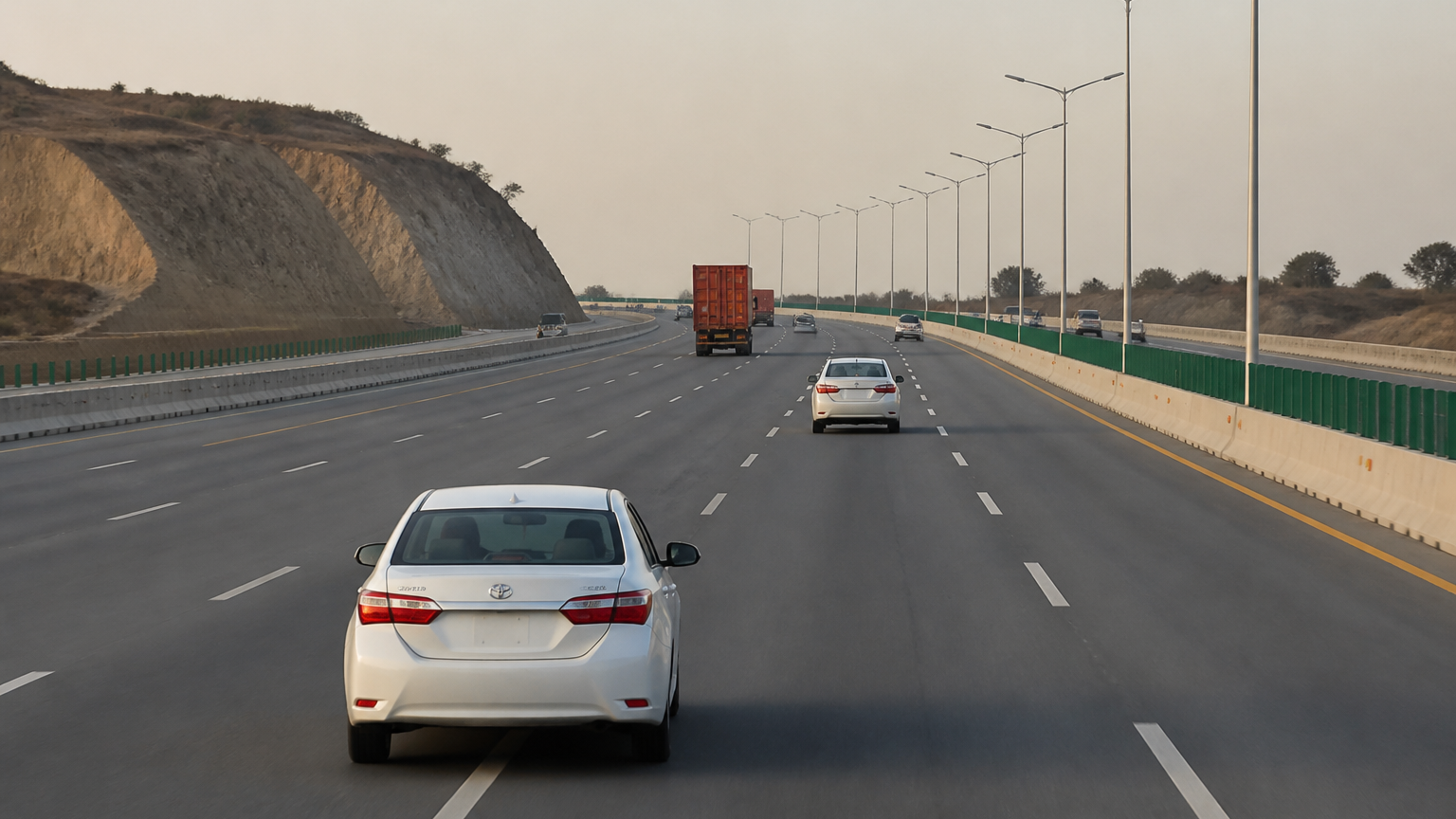
M-4 Six-Lane Expansion Deadline Set for December 15
A December 15 deadline looms for the M-4’s six-lane expansion—but will it signal completion or simply mark another milestone in the long-awaited project?
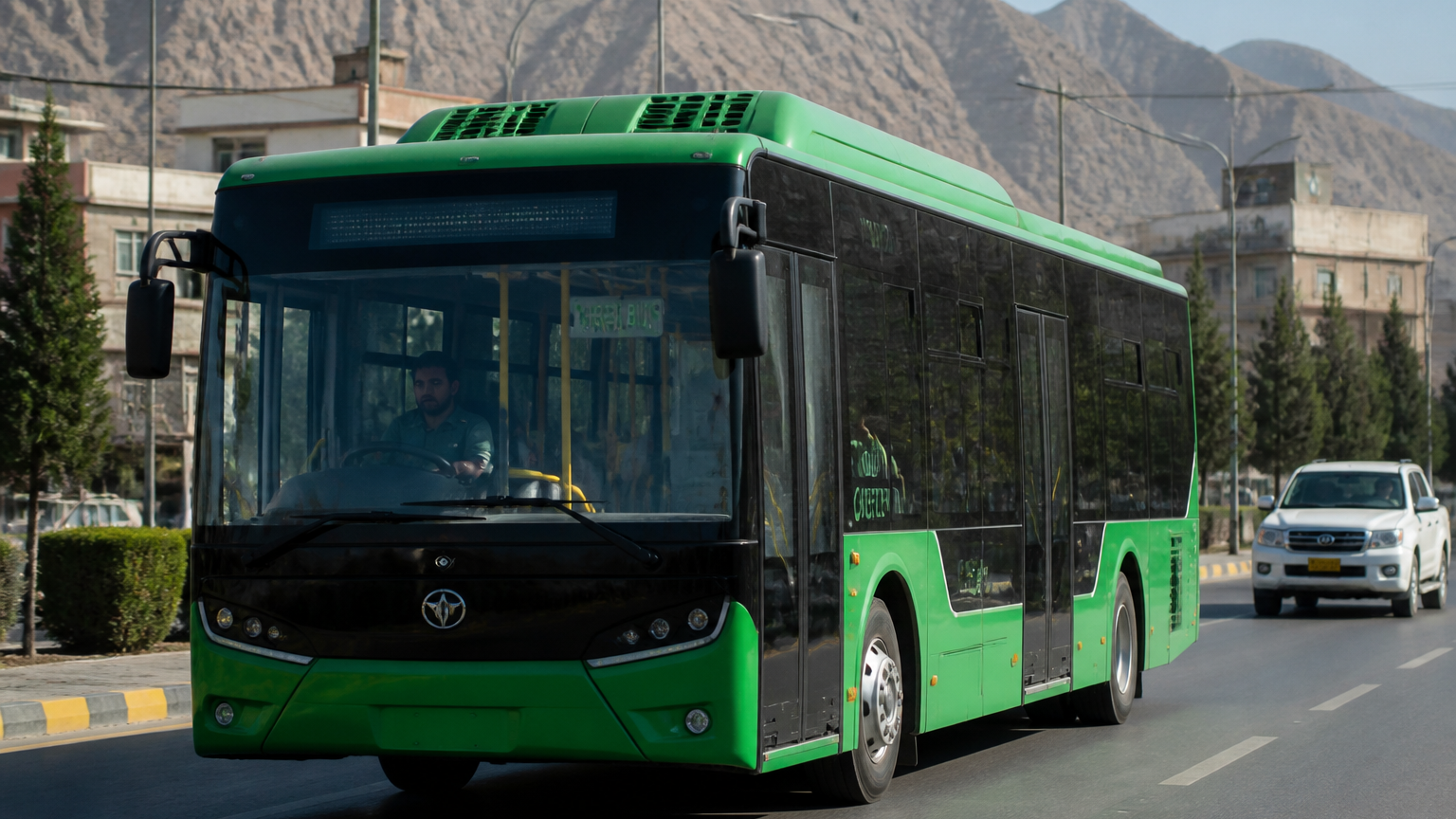
Quetta to Get 17 More Electric Green Buses
Quetta plans 17 more electric buses, potentially lifting its fleet from 25 to 42 and reaching underserved areas—timing and routes remain unclear.