China Bans Hidden Door Handles on EVs: Safety Rules Starting 2027
China has banned Tesla-style hidden door handles on electric vehicles over safety fears. From January 2027, all EVs must have mechanical door releases inside and out. This follows deadly crashes where doors wouldn't open during emergencies, like in Xiaomi EV incidents.
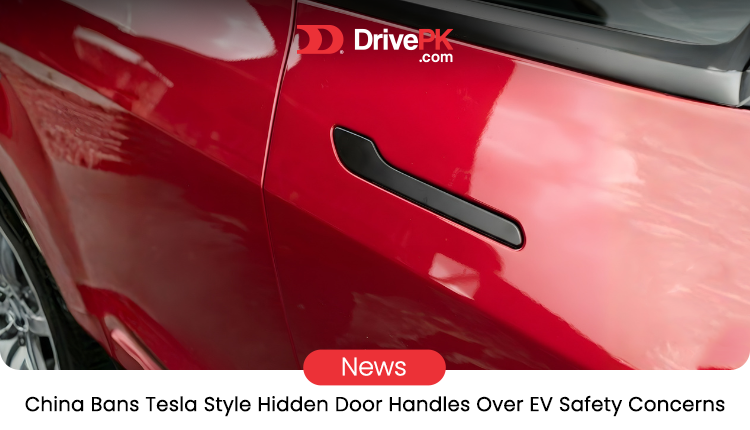
Table of Contents
- Why the Ban Happened Now
- The New Rules Explained
- How This Affects Car Makers
- Global Ripple Effects
- Looking Ahead
China just made a big move in car safety. They've banned those sleek, hidden door handles you see on Tesla cars and other EVs. It's the first country to do this. The reason? Safety worries have been building up after some bad accidents.
Think about it. In an emergency, like a crash or fire, you need to get out fast. But if the power fails, hidden handles might not work. That's what happened in a few cases in China. People got stuck inside, and it turned deadly.
Why the Ban Happened Now
This didn't come out of nowhere. There have been more eyes on EVs lately. Worldwide, but especially in China, where EVs are huge. A couple of fatal crashes involving Xiaomi EVs raised alarms. In those wrecks, power went out, and doors stayed locked. Passengers couldn't escape.
Investigators pointed to the design. Hidden handles rely on electricity to pop out or unlock. No power means no way out. That's scary. China decided that enough is enough. They want to prevent more deaths.
Other countries have looked at this, too. But China acted first. Their market is massive for EVs. Tesla, Xiaomi, and others sell tons there. So, this ban sends a message.
The New Rules Explained
Starting January 1, 2027, every EV sold in China needs mechanical door releases. That means handles or levers that work without power. Both inside and outside the car.
It's simple: pull a lever, door opens. No buttons or sensors that could fail. This applies to all electric vehicles. Not just new models, but any sold after that date.
Manufacturers have time to adjust. About two years. But it's a shift. Cars like Tesla's Model 3 or Model Y use flush handles that blend into the door. They look cool and cut wind drag for better range. Now, those designs must change for China.
How This Affects Car Makers
Big names like Tesla feel the heat. They've built brands around modern, tech-heavy designs. Hidden handles are part of that. Changing them means redesigning doors, testing new parts, and maybe losing some aero perks.
But it's not just Tesla. Chinese brands like BYD, Nio, and Xiaomi must comply too. Xiaomi's recent crashes sped up this rule. They might need to recall or update cars.
Costs could rise. Adding mechanical parts isn't free. And retooling factories takes money. But safety sells. Companies might spin this as a plus: "Our cars are safer now."
Smaller makers could struggle more. They might not have the cash to pivot fast. This could shake up the market, favoring big players who adapt quickly.
Global Ripple Effects
China's rules often spread. Their EV standards influence the world. Europe and the US watch closely. If China proves this saves lives, others might follow.
Tesla sells everywhere. If they change for China, why not globally? Could it standardize safety? Or spark debates: Is tech too risky in cars?
Think about self-driving tech. It's all electric-dependent. This ban highlights a bigger issue: What if power cuts out? Doors are just the start. Batteries, brakes, and steering all could fail.
Consumers might push for this elsewhere. After hearing about trapped passengers, who wants that risk? It could change how we buy cars. Safety over style.
Looking Ahead
This ban marks a turn in EV design. Tech is great, but basics matter. Mechanical backups ensure you can escape, no matter what.
China leads here. As EVs grow, safety rules will too. Makers must balance innovation with real-world needs. For drivers, it's good news. Safer cars mean peace of mind.
In the end, this could make all vehicles better. Not just in China, but everywhere. And that's worth the change. For more updates, visit DrivePK.com
Tags
Share this article
About the Author

Najeeb Khan
Automotive enthusiast and writer
Comments (0)
Login Required
You need to be logged in to comment on this article.
No comments yet. Be the first to share your thoughts!
Related Articles
Ghandhara Automobiles Results: Key Highlights
GAL's latest results are stirring investor interest, but incomplete details demand caution: verify the official PSX filing before trading on headlines.
Multan Green Electric Bus Service Starts With 60 Buses
Multan launches 60 green electric buses, offering free rides to students, women, seniors and people with disabilities as Punjab expands clean transit.
Suzuki Fronx Hybrid Price Revised in Pakistan
Suzuki Fronx Hybrid prices may shift after HEV tax changes in Pakistan. No verified figure yet—confirm the official invoice before booking.