China Lithium-Ion Battery Separator Prices Could Rise 30% Impacting EV Costs
China’s lithium-ion battery separators may see a 30% price hike, raising EV battery costs by 3 to 5%. Wet-process separators face the most pressure, and industry consolidation limits supply flexibility, challenging automakers and impacting buyers globally.
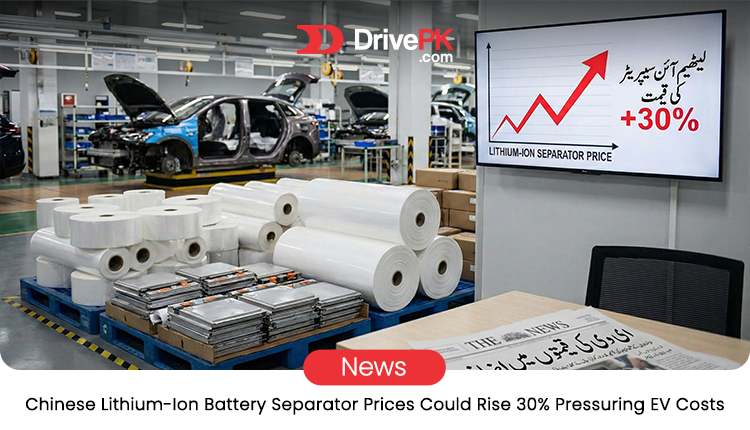
Table of Contents
- Why the Separator Price Matters
- Wet-Process Separators Are Under the Most Pressure
- Industry Consolidation Is Tightening Supply
- What This Means for EV Makers
- How Long Could the Price Pressure Last?
- Other Battery Materials Remain Stable
- How Brands Might Respond
- Switching to Cheaper Separator Grades
- Negotiating Long-Term Supply Deals
- Increasing Local Production
- Pushing for Design Efficiency
- Impact on EV Buyers
- The Road Ahead
China’s battery industry is heading into a tense period. Several major suppliers of lithium-ion battery separators have proposed price hikes of up to 30%. These separators are small, thin layers inside every battery cell, but they play a huge role in safety and performance.
And now, they might become more expensive.
Why the Separator Price Matters
A separator makes up 10–15% of the total cost of a battery cell. When the price of this one part rises, the full battery cost shifts with it.
If the proposed increase goes through, EV battery prices may rise by 3–5%. It may not sound like much, but for large battery packs, even a small jump creates serious pressure for automakers.
High-energy-density batteries, which are used in long-range electric cars, will feel this the most. These batteries rely on advanced separator films, and those films are already more expensive than standard types.
Wet-Process Separators Are Under the Most Pressure
The main issue is with wet-process separators. These are known for better safety and higher performance. Many premium EVs and energy-storage packs use them.
But producing them is costly and energy-intensive. Only a few companies can make them at large scale.
Now, these companies are facing higher raw material and equipment costs. Some suppliers say they can’t keep prices the same without hurting production.
This is why the proposed increases are landing all at once.
Industry Consolidation Is Tightening Supply
Over the past few years, China’s separator industry has changed. Many small producers either shut down or merged with bigger firms.
The result is fewer suppliers, bigger companies, and tighter control over pricing.
In a normal market, if one company raises prices, others try to stay cheaper. But with consolidation, that gap is shrinking.
Companies now follow similar pricing trends, and that limits flexibility for battery makers.
And demand is still strong. More EVs, more power banks, more energy-storage units—everything needs lithium-ion cells. When demand stays high and the number of producers shrinks, it becomes harder for manufacturers to negotiate.
What This Means for EV Makers
Battery manufacturers are already working with thin margins.
A 3–5% rise in battery pack costs can force tough choices:
- Reduce profit per vehicle
- Raise car prices
- Cut costs in other parts
- Delay product updates
None of these options are easy, especially in the EV market where competition grows every month.
Export-focused Chinese EV makers may feel even more pressure. Currency shifts, shipping costs, and overseas regulations already make margins tight. Higher battery prices add another layer of stress.
How Long Could the Price Pressure Last?
Experts say the situation may continue for several months.
There are three reasons for this:
- Strong demand is not slowing down.
- Separator factories do not expand quickly; they need high-tech equipment and long preparation times.
- Industry consolidation means companies feel less pushed to cut prices.
Even if demand cools down slightly, supply may not expand fast enough to bring prices back to previous levels.
Other Battery Materials Remain Stable
While separators face major increases, other battery materials are not showing the same jump.
- Lithium carbonate prices have moved slightly but remain mostly stable.
- Electrolyte prices are steady, with only minor changes.
- Cathode and anode materials show no major swings at the moment.
This means the separator is the main driver of upcoming cost pressure.
And that also means battery makers will focus on it the most when planning their strategies for the coming months.
How Brands Might Respond
Companies are already preparing for the impact. Some possible steps include:
Switching to Cheaper Separator Grades
But this risks lowering performance, especially in long-range models.
Negotiating Long-Term Supply Deals
This helps stabilize costs but is only possible for large manufacturers.
Increasing Local Production
Some Chinese firms may push to expand faster, but this takes time, money, and skilled engineers.
Pushing for Design Efficiency
Even small design changes in battery packs can reduce the amount of separator material needed.
None of these solutions offers immediate relief. They only help soften the impact over time.
Impact on EV Buyers
Buyers may see small price adjustments in new EV models.
Brands might offer fewer discounts or delay the launch of cheaper variants.
Long-range and premium EVs could see the clearest price shift because they rely heavily on high-grade wet-process separators.
But the average user may not feel a major change right away. Most brands try to protect entry-level models, as those sell the most.
The Road Ahead
Separator prices may keep rising as suppliers finalize their new pricing models.
Battery makers will face higher costs, and EV brands will have tough decisions to make.
The next few months will show how deeply these changes affect the market.
And while other materials stay stable for now, the separator segment alone is enough to shift the industry’s balance.For more updates, visit DrivePK.com
Tags
Share this article
About the Author

Najeeb Khan
Automotive enthusiast and writer
Comments (0)
Login Required
You need to be logged in to comment on this article.
No comments yet. Be the first to share your thoughts!
Related Articles
Toyota Corolla Discontinued Before Pakistan Facelift
Pakistan’s pre-facelift Toyota Corolla is reportedly discontinued, hinting at a facelift. Prices, bookings, specs and launch timing remain unconfirmed.
DrivePK Car Inspection Reports: Buy with Confidence
Buying a used car in Pakistan? A pre-purchase inspection can reveal hidden damage, engine issues and red flags before you pay—but it’s not enough alone.
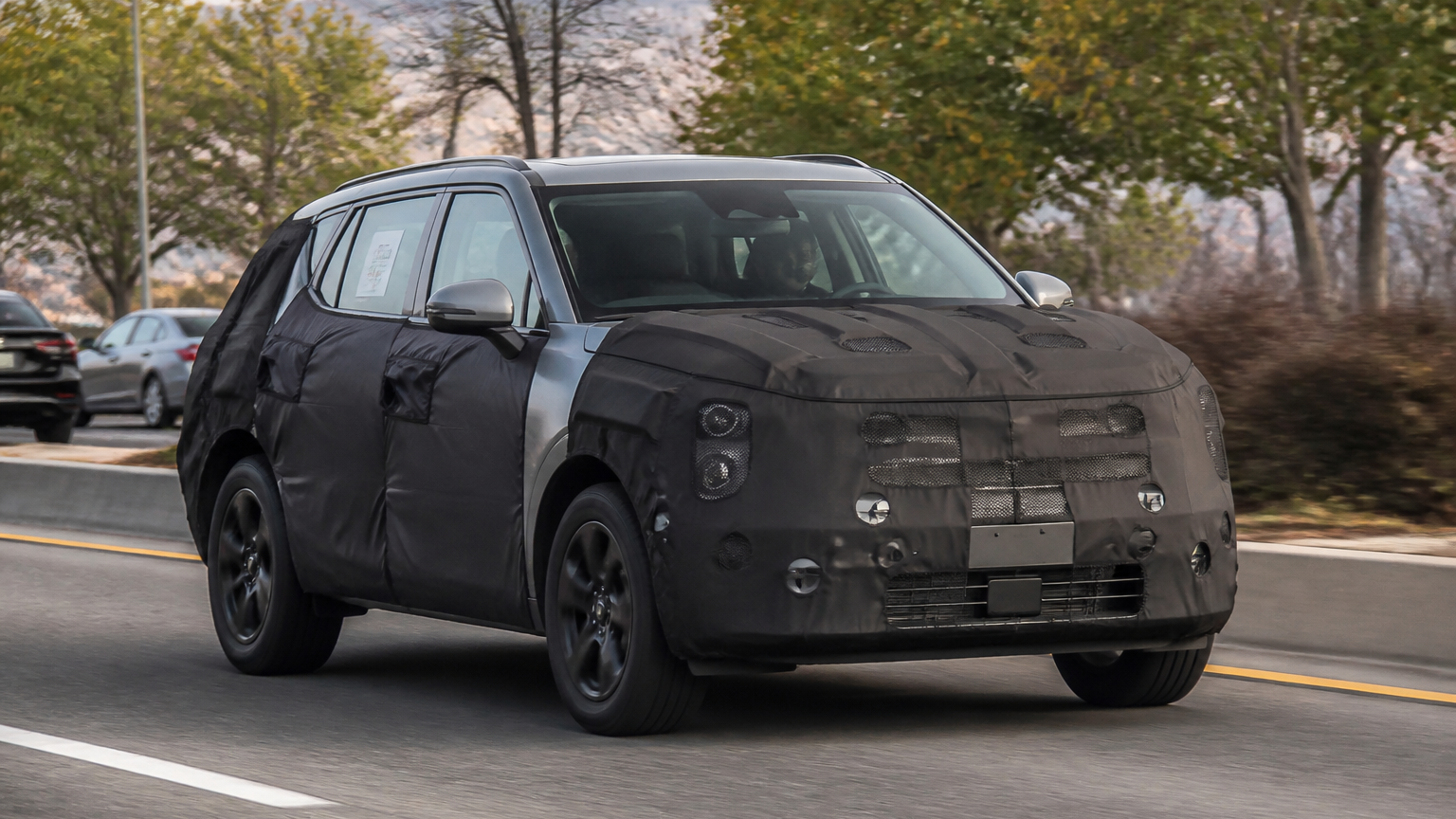
2028 Kia Sportage: Major Design Changes Spotted
Kia’s next Sportage may get a bolder, boxier redesign, with an upright profile, sharper lines, wider grille and split headlights hinted by spy shots.