China’s Green Waves and AI Boom, Electric Cargo Ships and AI Growth Transform the Nation
China takes the lead in clean energy and technology with the launch of the world’s largest electric cargo ship, Gezoba, and over 500 million AI users, blending green transport and artificial intelligence to power a smarter, sustainable future.
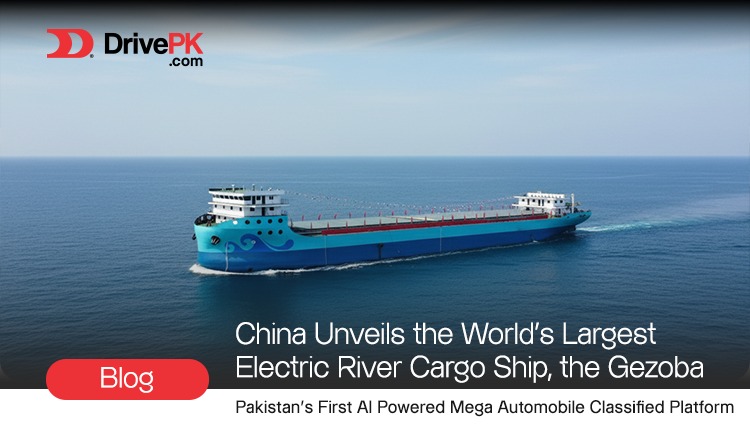
Table of Contents
- The Gezoba: Powering Cargo Without the Smoke
- AI Takes Root in Everyday China
- Patents Pave the Innovation Path
- Tying It All Together
Picture a massive ship gliding silently along a river, no diesel rumble in sight. That's the Gezoba in action. China just launched this beast, the world's largest fully electric river cargo ship. At 130 meters long, it hauls 13,000 tons of goods with zero emissions. And it's not alone. The country is also exploding in AI use, with half a billion people tapping into tools that reshape work and play. These moves show how China blends clean tech with smart innovation.
The Gezoba: Powering Cargo Without the Smoke
The Gezoba isn't your average freighter. Built for the Yangtze River, it runs on 12 lithium battery packs totaling 24,000 kWh. That's enough juice for a 500 km trip on one charge. Engineers made the batteries easy to swap, done in under 30 minutes, so downtime stays low.
Smart features set it apart, too. Remote navigation means operators steer from afar. Automatic berthing lines it up at the docks without a hitch. Each year, it skips 617 tons of fuel and slashes 2,000 tons of carbon output. For busy rivers like the Yangtze, that's real progress. Bulk goods flow faster and cleaner, easing pressure on ports and the planet.
But why now? Shipping guzzles fuel. Electric options cut costs and pollution. China leads here, with this ship marking a shift to green waterways. It carries sand, ore, and more, essentials that keep cities running.
AI Takes Root in Everyday China
Shift gears to screens and apps. A fresh CNNIC report shows generative AI users hit 515 million by June 2025. That's double what it was six months earlier. Over a third of Chinese internet users, 36.5% now chat with AI for ideas, edits, or help.
Most adopters are young, under 40, and hold degrees. They use it for quick searches, content creation, or office tasks. But it's spreading wider. Factories tweak machines with AI smarts. Farms predict weather and yields. Labs speed up discoveries. This isn't fringe tech anymore. It's woven into routines, boosting efficiency without fanfare.
Patents Pave the Innovation Path
China's edge shines in numbers. By April 2025, it filed 1.576 million AI-related patents, nearly 39% of the global total. That's more than any other nation. From voice assistants to predictive models, these filings fuel growth.
What drives it? Heavy investment in research and open tools. Companies and universities collaborate, turning ideas into tools fast. The result? AI that fits real needs, like optimizing ship routes or farming plots.
Tying It All Together
The Gezoba and AI surge connect in quiet ways. Both push for smarter, sustainable systems. One clears the air on rivers. The other sharpens minds across fields. China invests here because it pays off in cleaner routes, quicker work, and stronger edges. As these roll out, watch how they ripple. A quieter Yangtze. Smarter fields. It's a change you can feel. For more updates, visit Drive.PK
Tags
Share this article
About the Author

Najeeb Khan
Automotive enthusiast and writer
Comments (0)
Login Required
You need to be logged in to comment on this article.
No comments yet. Be the first to share your thoughts!
Related Articles
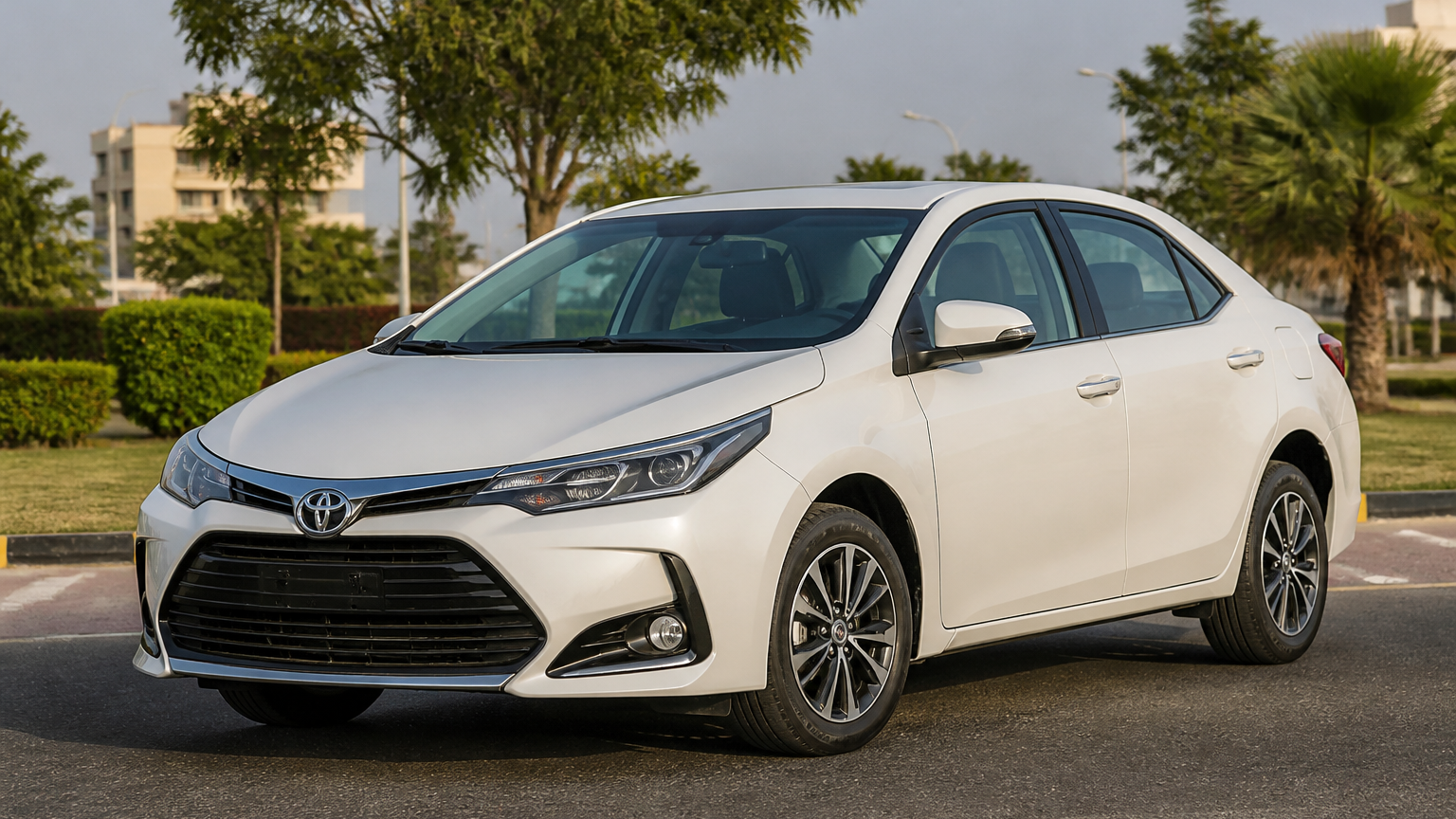
Toyota Corolla Discontinued Before Pakistan Facelift
Pakistan’s pre-facelift Toyota Corolla is reportedly discontinued, hinting at a facelift. Prices, bookings, specs and launch timing remain unconfirmed.
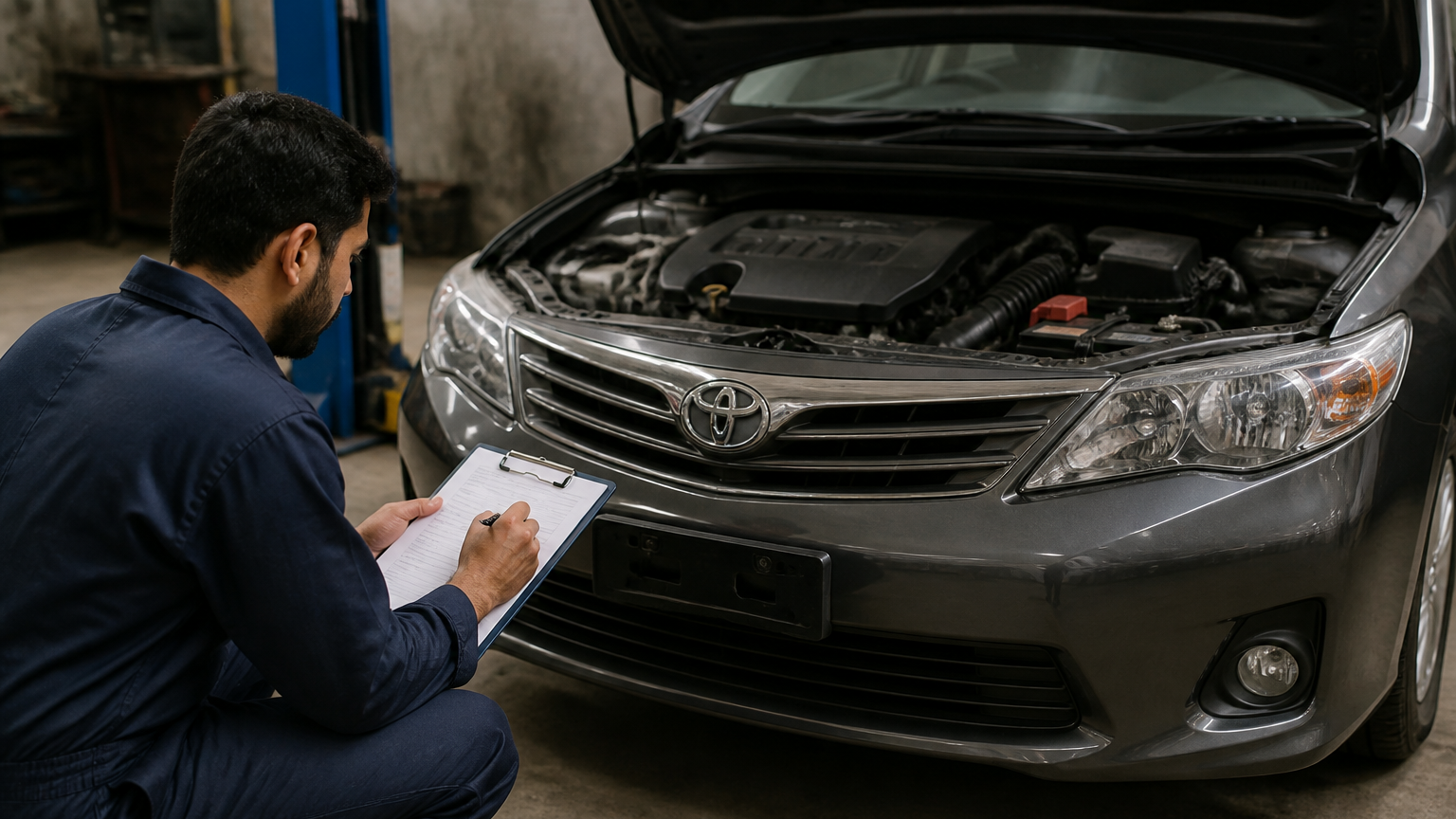
DrivePK Car Inspection Reports: Buy with Confidence
Buying a used car in Pakistan? A pre-purchase inspection can reveal hidden damage, engine issues and red flags before you pay—but it’s not enough alone.
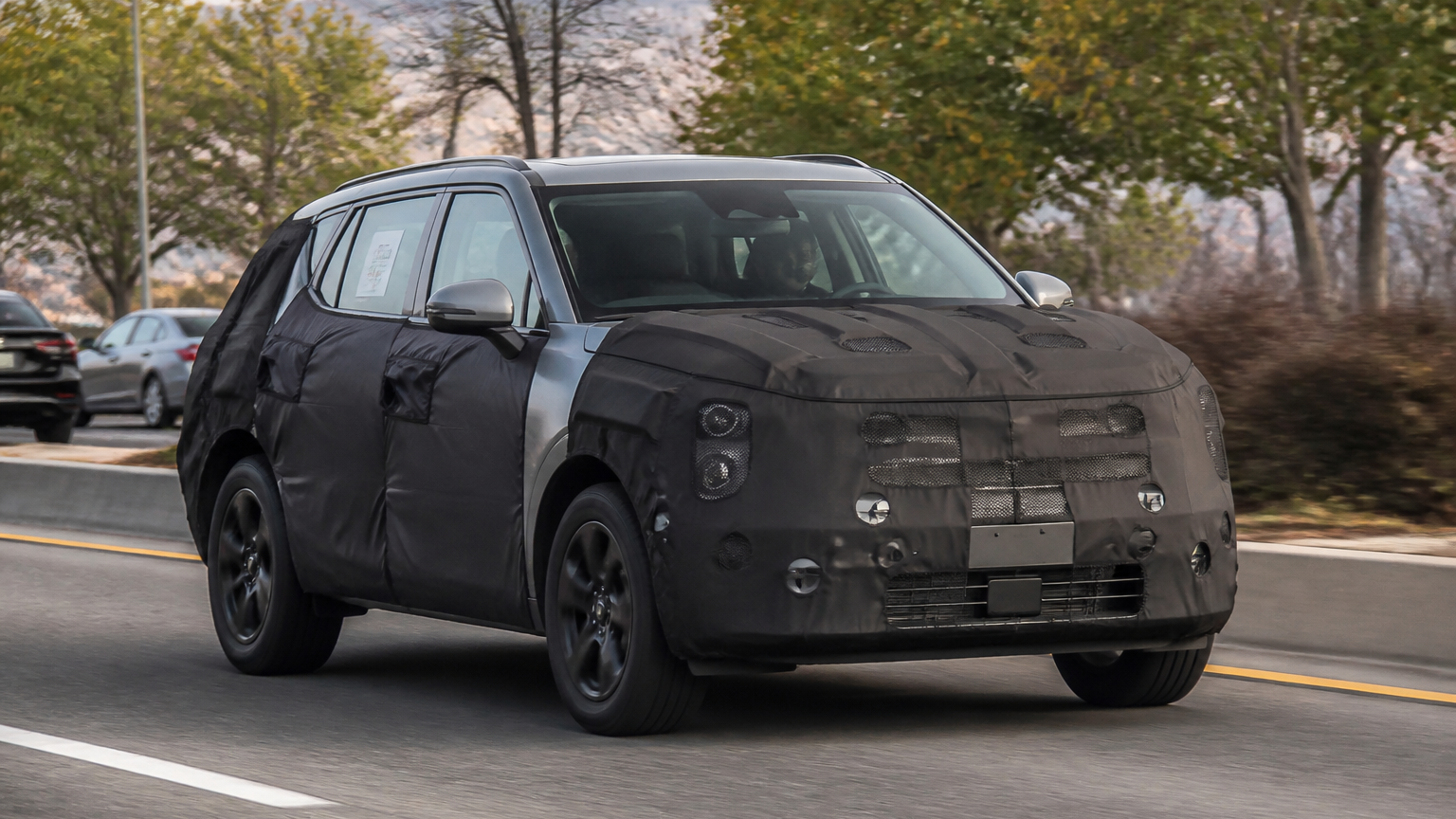
2028 Kia Sportage: Major Design Changes Spotted
Kia’s next Sportage may get a bolder, boxier redesign, with an upright profile, sharper lines, wider grille and split headlights hinted by spy shots.