China Took the Top 20 Fastest Electric Cars List, And Might Nerf Them Next Week
Chinese EVs swept the global top 20 fastest-accelerating cars, with the Hyptec SSR, Xiaomi SU7 Ultra, and Zeekr 001 FR beating Tesla, Porsche, and Lamborghini, just as China considers new rules that could limit extreme acceleration from cold starts.
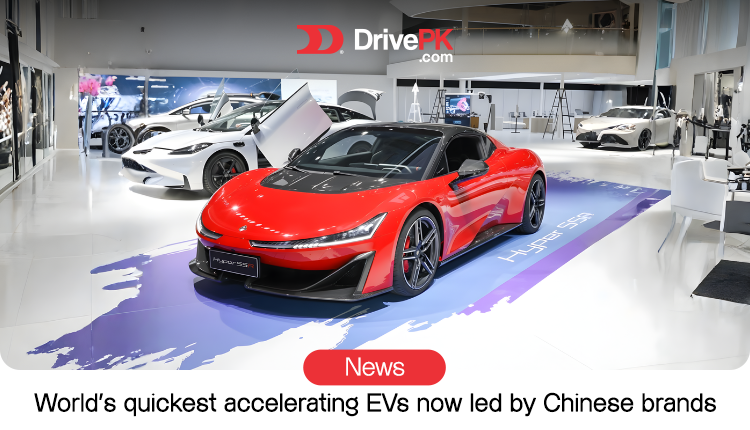
Table of Contents
- Where Did the Big Names Land?
- The Crazy Part: How Cheap Some Winners Are
- But China Might Ruin the Fun
- So What’s Really Happening?
A new worldwide ranking of the quickest new-energy cars has just landed. Chinese brands didn’t just win. They parked their flag on the moon and left everyone else in the dust.
Here are the top three:
- GAC Hyptec SSR → 1.90 seconds to 100 km/h
- Xiaomi SU7 Ultra → 1.98 seconds
- Zeekr 001 FR → 2.02 seconds
That’s it. Podium swept. Clean.
Where Did the Big Names Land?
Tesla Model S Plaid? Sixth.
Porsche Taycan Turbo GT? Eighth.
Lamborghini Revuelto (the hybrid monster)? Way down in the teens at 2.5 seconds.
Even Rimac Nevera and Pininfarina Battista got pushed lower than usual because Chinese four-door sedans and SUVs are now beating hypercars that cost ten times more.
The Crazy Part: How Cheap Some Winners Are
- BYD Han EV Champion Edition → under $40,000 and still inside the top 20
- Xiaomi SU7 Ultra → roughly $100k
- Hyptec SSR → around $175–180k
Compare that to the Lamborghini Revuelto at almost $900,000, sitting near the bottom of the same list. You could buy five Hyptecs and still have money for fuel.
But China Might Ruin the Fun
While factories are busy building 1,500 hp family cars that smoke Bugattis at the lights, regulators in Beijing are writing new rules.
The plan: every car must be limited to 0–100 km/h in 5 seconds or slower for the first few minutes after you switch it on. Doesn’t matter if it’s a BYD or a Ferrari. Cold-start launches would be blocked until the computer thinks you’re calm.
They’ve already started testing the software limits on some new models. Reason? Too many rich kids (and not-so-rich kids) are treating highways like drag strips and ending up in the hospital.
So What’s Really Happening?
Ten years ago, people laughed at Chinese electric cars. Today, those same companies build the three fastest-accelerating production vehicles on earth. Four-door saloons. With number plates. That you can actually buy and drive to work.
And the same government that let this explosion happen is now the only one in the world willing to say, “Okay, maybe 1.9 seconds is a bit much on public roads.”
For now, the cars are still on sale with full power. You can walk into a showroom tomorrow and drive out with something quicker than a MotoGP bike off the line.
Next month? We’ll see. Either the rules come in and every new car gets a built-in nanny, or manufacturers find clever ways around it.
One thing is sure: the days when Europe and America owned straight-line speed are over. The new kings run on batteries, speak Mandarin, and might have to wear a leash soon.
For more updates, visit DrivePK.com
Tags
Share this article
About the Author

Najeeb Khan
Automotive enthusiast and writer
Comments (0)
Login Required
You need to be logged in to comment on this article.
No comments yet. Be the first to share your thoughts!
Related Articles
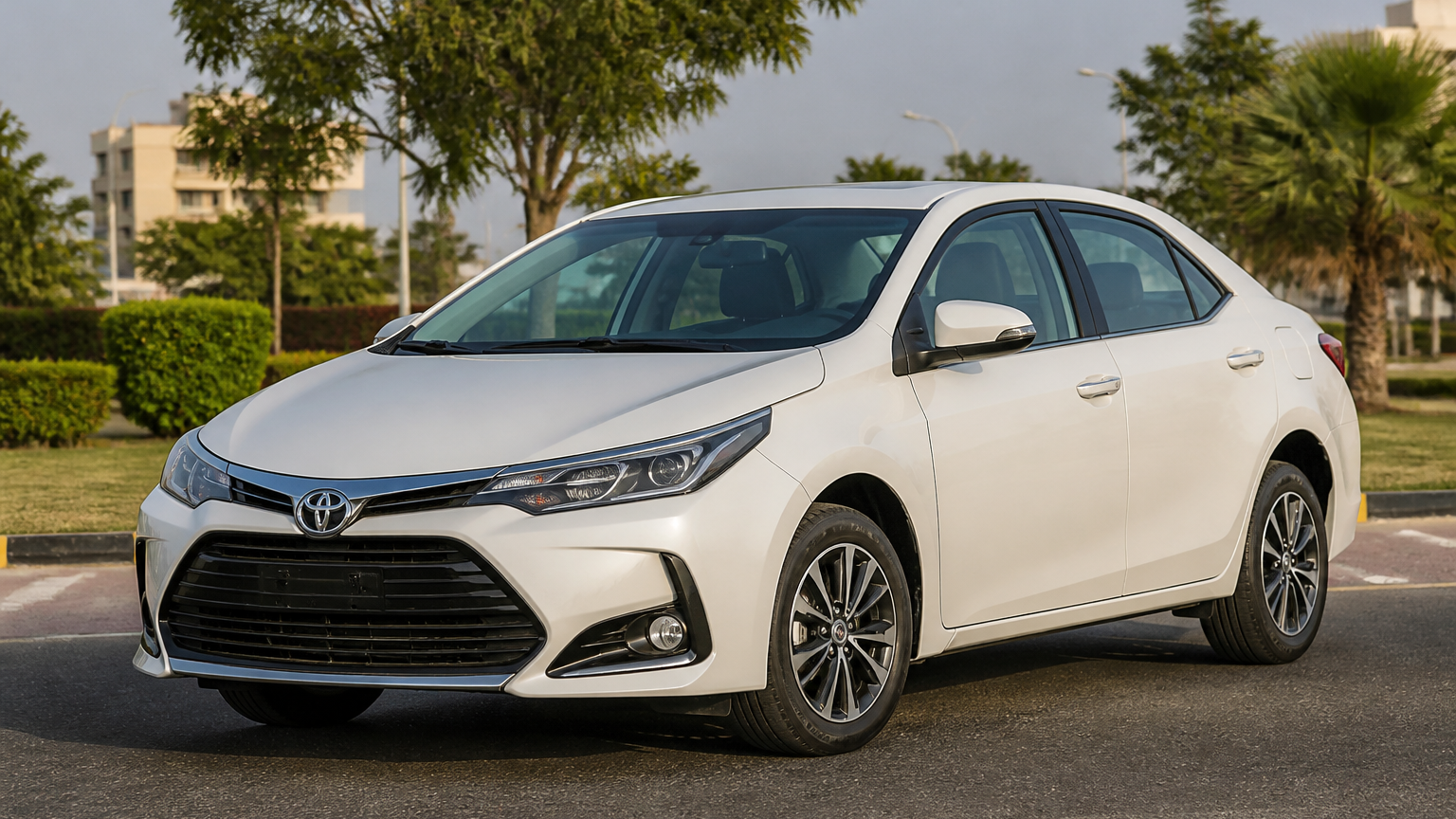
Toyota Corolla Discontinued Before Pakistan Facelift
Pakistan’s pre-facelift Toyota Corolla is reportedly discontinued, hinting at a facelift. Prices, bookings, specs and launch timing remain unconfirmed.
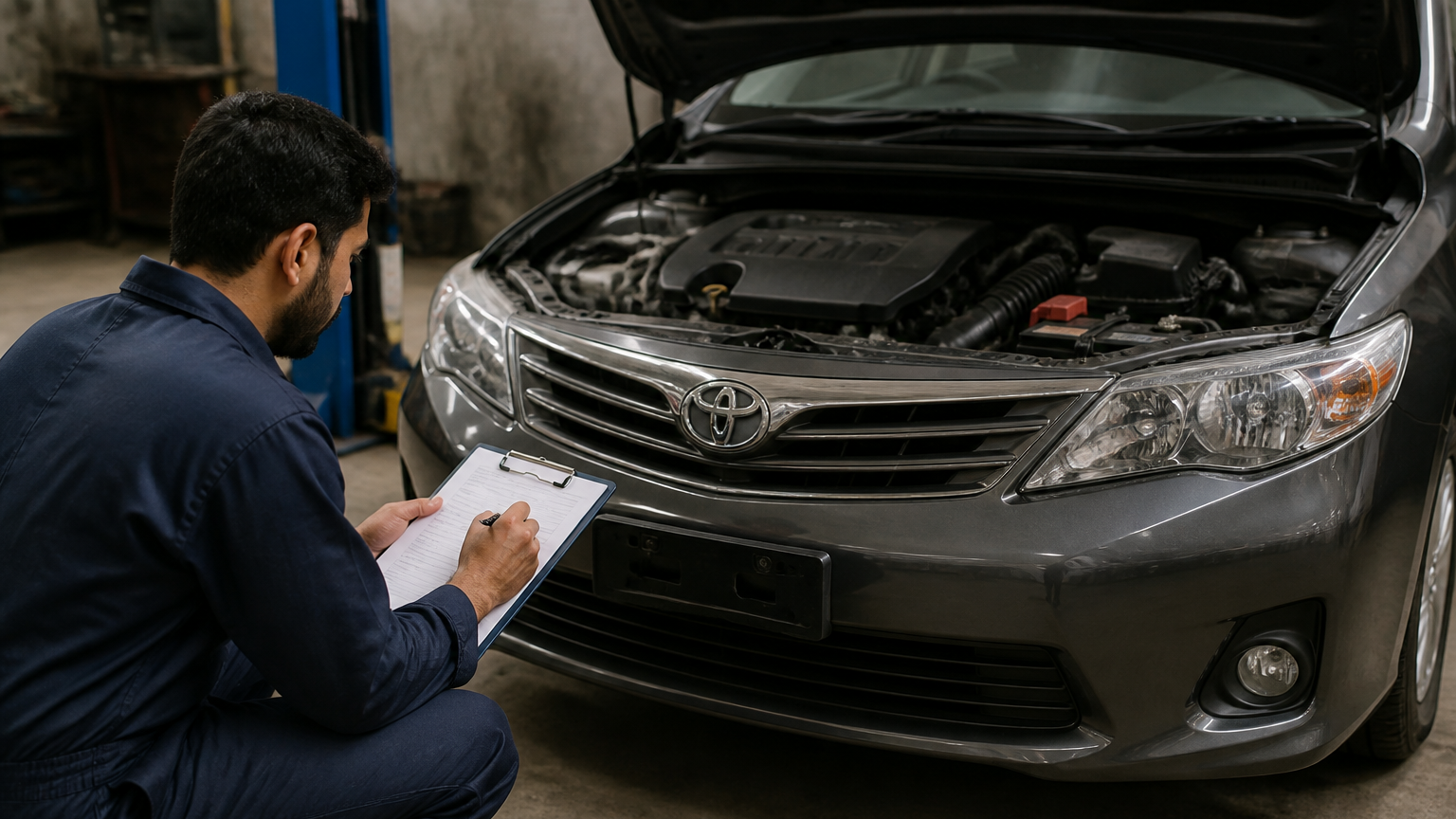
DrivePK Car Inspection Reports: Buy with Confidence
Buying a used car in Pakistan? A pre-purchase inspection can reveal hidden damage, engine issues and red flags before you pay—but it’s not enough alone.
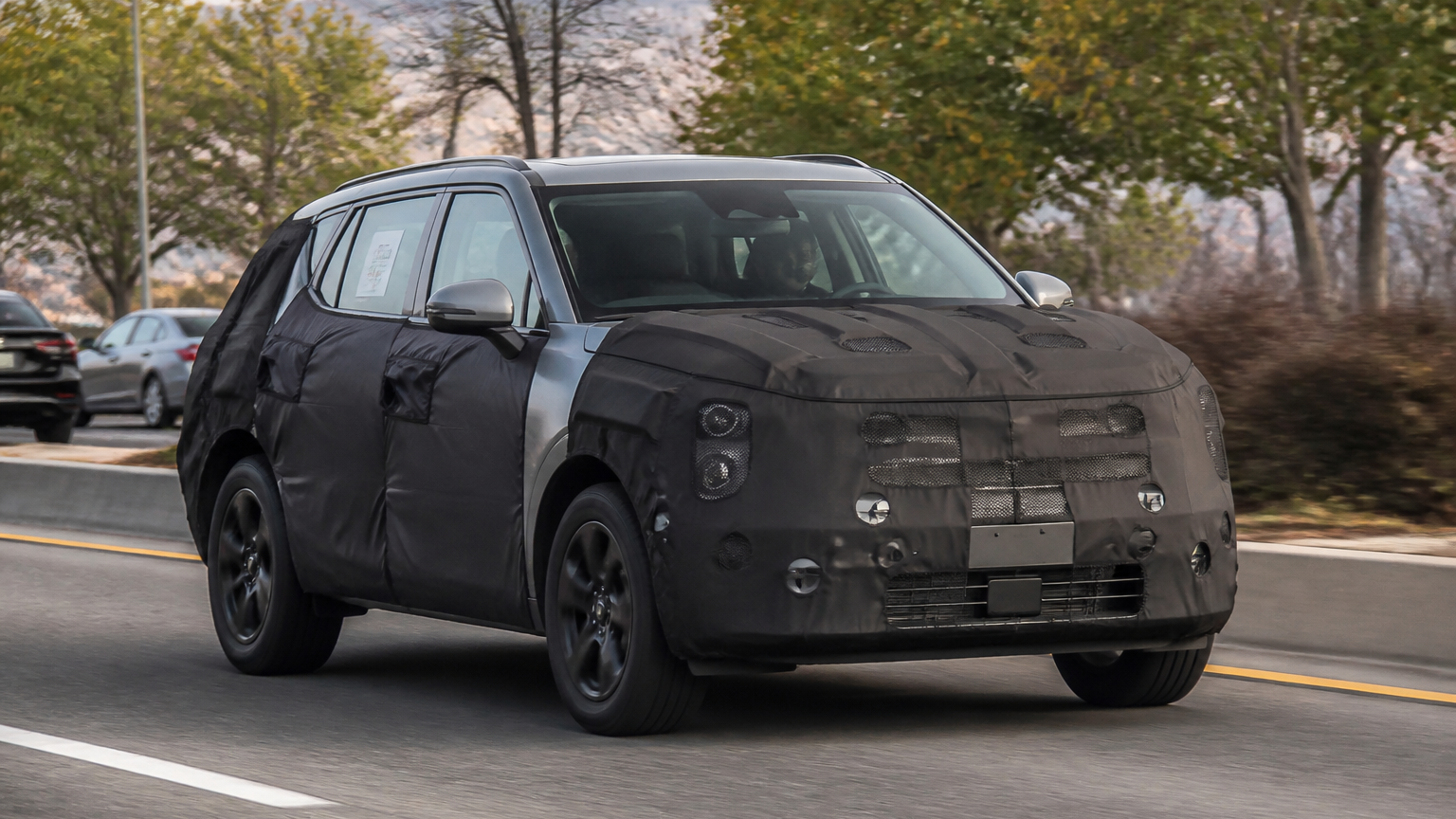
2028 Kia Sportage: Major Design Changes Spotted
Kia’s next Sportage may get a bolder, boxier redesign, with an upright profile, sharper lines, wider grille and split headlights hinted by spy shots.