Chinese Automakers to Overtake Japan in Global Car Sales 2025
Chinese automakers are projected to sell 27 million vehicles worldwide in 2025, overtaking Japanese brands for the first time. This historic shift reflects strong EV demand, competitive pricing, and aggressive global expansion that's reshaping the automotive industry.

Table of Contents
- The Numbers Tell the Story
- Why Chinese Brands Are Winning
- What This Means for Japanese Automakers
- But the market is shifting under their feet.
- The Global Auto Market Is Being Rewritten
- What Analysts Are Saying
- What Happens Next
- Conclusion
Chinese Automakers Are About to Beat Japan in Global Car Sales
The car industry is changing fast. And 2025 might be the year we look back on as a turning point.
Chinese car manufacturers are on track to sell more vehicles worldwide than Japanese brands. This would be the first time in history. The shift isn't just about numbers; it shows how quickly the global auto market is evolving.
The Numbers Tell the Story
Chinese automakers expect to sell around 27 million vehicles globally in 2025. That's a jump of roughly 17 percent from last year.
Japanese manufacturers, meanwhile, are looking at about 25 million units. Growth for them has slowed down significantly.
The gap might seem small, but the trend is clear. Chinese brands are accelerating while traditional leaders are struggling to keep pace.
Why Chinese Brands Are Winning
Several factors explain this dramatic rise.
Electric and hybrid vehicles are the main drivers. Chinese manufacturers invested heavily in EV technology years ago. Now they're reaping the benefits. Companies like BYD, NIO, and Geely offer competitive electric models that appeal to buyers worldwide.
Pricing gives Chinese brands an edge. Their vehicles often cost less than comparable Japanese or Western models. Lower production costs and government support help keep prices down. For budget-conscious buyers, this matters a lot.
Global expansion is accelerating. Chinese automakers aren't just dominating their home market anymore. They're pushing into Europe, Southeast Asia, Latin America, and even challenging markets like Australia. Their presence is growing everywhere.
Technology integration appeals to younger buyers. Chinese EVs often come packed with advanced tech features. Touchscreens, connectivity, and software updates are standard. This resonates with a generation that expects their cars to feel like smartphones on wheels.
What This Means for Japanese Automakers
Japanese brands built their reputation on reliability, fuel efficiency, and quality. Toyota, Honda, and Nissan have been household names for decades.
But the market is shifting under their feet.
The EV transition caught some Japanese manufacturers off guard. They invested heavily in hybrid technology but were slower to commit fully to electric vehicles. That hesitation now looks costly.
Brand loyalty doesn't guarantee future sales. Younger buyers care less about legacy. They want value, technology, and environmental benefits. If a Chinese EV delivers that at a better price, the badge on the hood matters less.
Production and supply chain advantages matter. China controls much of the global battery supply chain. This gives Chinese automakers cost and availability advantages that competitors struggle to match.
Japanese companies are fighting back. Toyota recently announced major EV investments. Honda and Nissan are ramping up their electric lineups. But catching up takes time.
The Global Auto Market Is Being Rewritten
This isn't just about China versus Japan. The entire industry is in flux.
European automakers face similar pressure. Volkswagen, BMW, and Mercedes are also adjusting strategies to compete with Chinese EVs. Traditional luxury no longer guarantees market share.
American manufacturers are watching closely. Tesla pioneered the EV market but now faces fierce competition from Chinese brands in global markets. Ford and GM are investing billions in electrification, partly to stay relevant.
Emerging markets are key battlegrounds. Countries in Africa, Latin America, and Southeast Asia represent huge growth potential. Chinese automakers are establishing strong footholds in these regions while others are still developing entry strategies.
What Analysts Are Saying
Industry experts view this shift as more than temporary.
S&P Global Mobility data shows consistent upward trends for Chinese manufacturers. The 17 percent growth rate isn't a fluke—it reflects sustained investment and strategic planning.
Some analysts warn against underestimating Chinese automakers. Their rapid improvement in quality, design, and technology surprised many observers. What seemed like low-cost alternatives a decade ago now compete directly with premium brands.
Others point out potential challenges. Trade tensions, tariffs, and regulatory barriers could slow Chinese expansion in certain markets. Quality concerns still linger in some buyer segments. And established brands have deep customer loyalty that won't disappear overnight.
But the momentum is undeniable.
What Happens Next
The 2025 sales figures will confirm what many already suspect. The automotive world order is changing.
Japanese automakers won't disappear. They're adapting, investing, and leveraging their strengths. But their dominance is ending.
Chinese manufacturers are claiming their place at the top. They've moved from imitators to innovators. Their success reflects years of strategic investment, government support, and market understanding.
For consumers, this competition brings benefits. More choices, better technology, and competitive pricing make cars more accessible and advanced.
For the industry, it's a wake-up call. Adapt or fall behind. The rules that worked for decades no longer apply.
Conclusion
This shift reveals something important about global economics and innovation.
China isn't just manufacturing cheap goods anymore. They're leading in key future technologies. Electric vehicles are one example. Renewable energy, battery technology, and artificial intelligence are others.
The automotive industry transformation mirrors broader changes in global power and influence. Economic leadership is shifting. New players are challenging old assumptions.
And 2025 marks the year when that shift became impossible to ignore.
For more updates, visit DrivePK.com
Tags
Share this article
About the Author

Najeeb Khan
Automotive enthusiast and writer
Comments (0)
Login Required
You need to be logged in to comment on this article.
No comments yet. Be the first to share your thoughts!
Related Articles
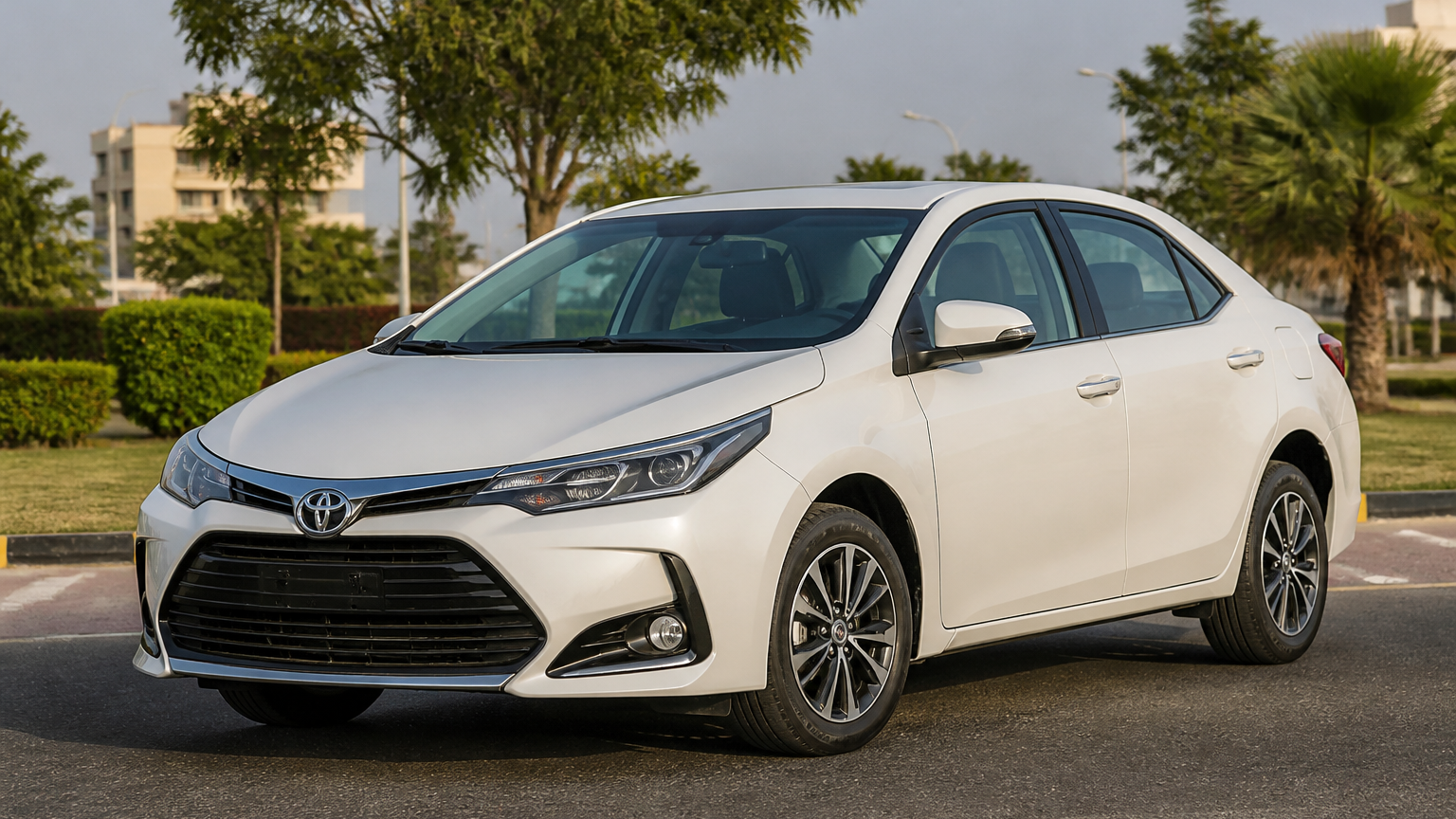
Toyota Corolla Discontinued Before Pakistan Facelift
Pakistan’s pre-facelift Toyota Corolla is reportedly discontinued, hinting at a facelift. Prices, bookings, specs and launch timing remain unconfirmed.
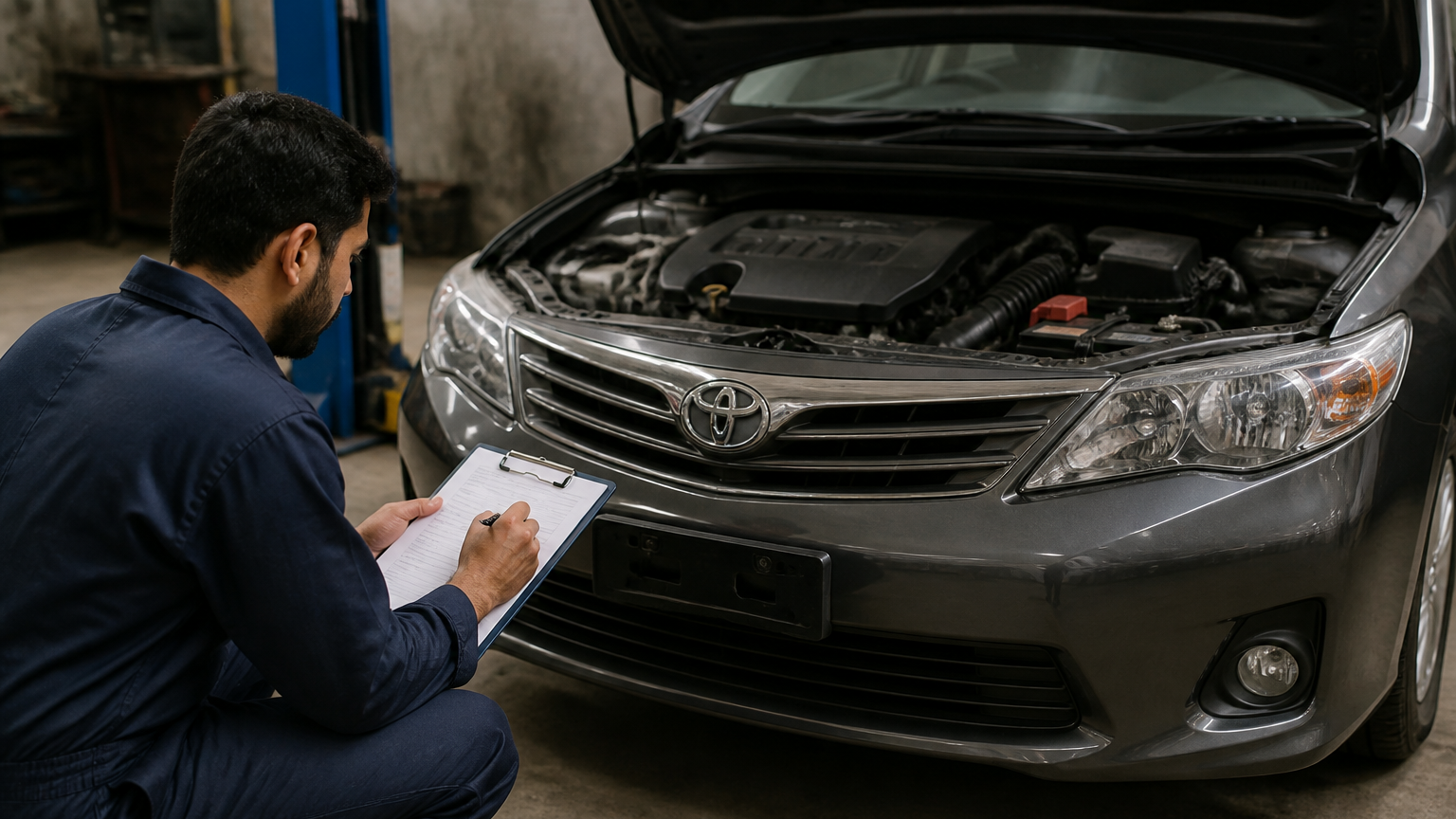
DrivePK Car Inspection Reports: Buy with Confidence
Buying a used car in Pakistan? A pre-purchase inspection can reveal hidden damage, engine issues and red flags before you pay—but it’s not enough alone.
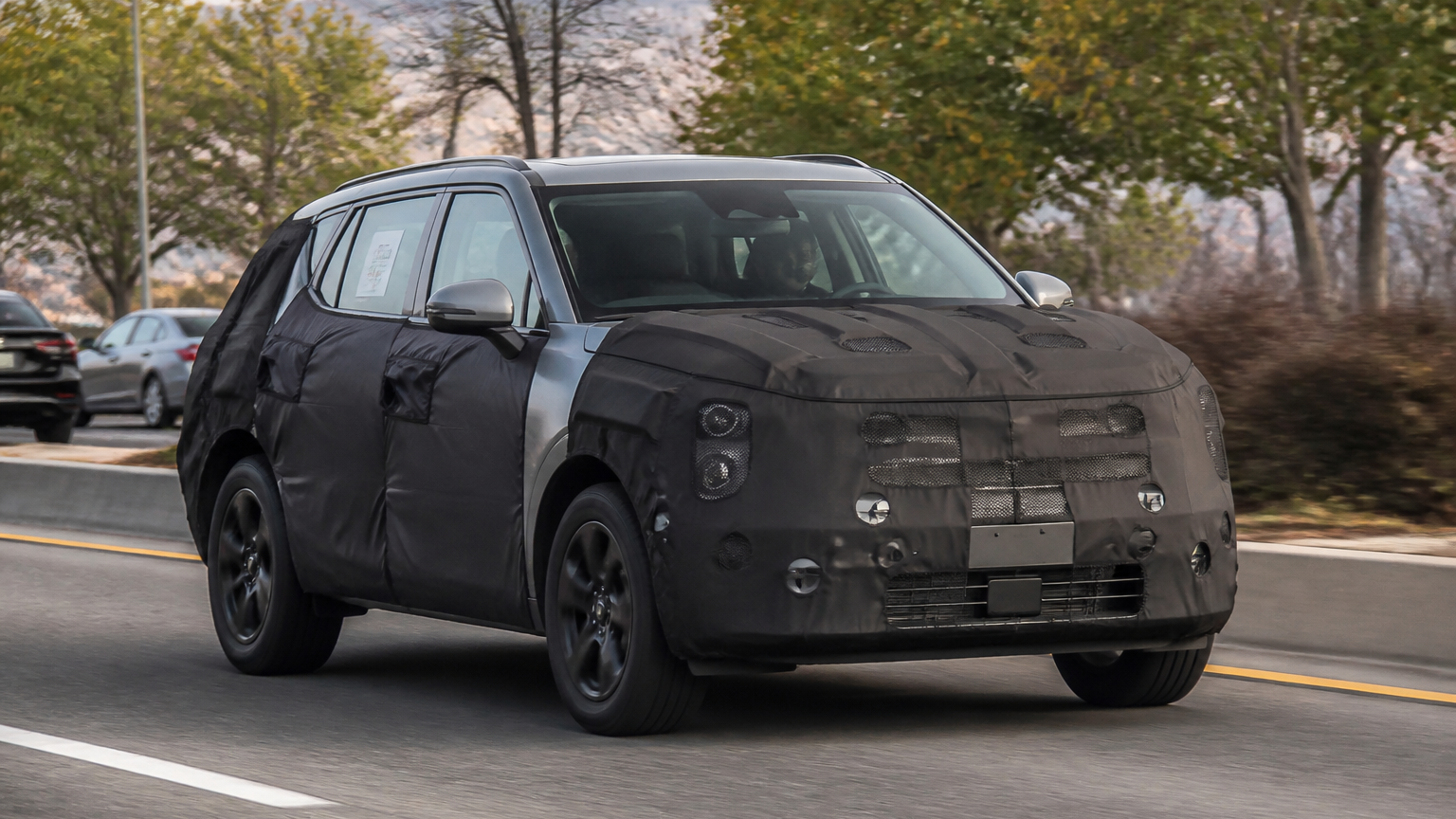
2028 Kia Sportage: Major Design Changes Spotted
Kia’s next Sportage may get a bolder, boxier redesign, with an upright profile, sharper lines, wider grille and split headlights hinted by spy shots.