Double Decker Buses Return to Karachi: What It Means for Daily Commutes
Karachi welcomes back double-decker buses after 65 years. The Sindh government launched the service with fares from Rs 80 to 120. It starts on a 22 km route from Malir to Shahrah-e-Faisal. Plans include expansion and more buses to ease daily travel for thousands.
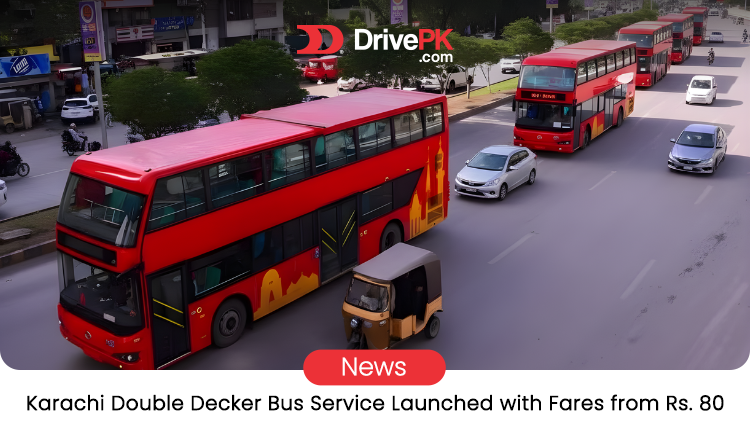
Table of Contents
- A Quick Look Back at Karachi's Bus History
- Details on the New Service
- Why This Matters for Everyday People
- Expansion and What's Next
- Conclusion
Karachi's streets just got a bit more interesting. The Sindh government has brought back double-decker buses after more than 60 years. It's a simple move to help people get around easier in this busy city. I remember hearing stories from older folks about riding those tall green buses as kids. Now, a new generation gets to try it.
The launch happened on the last day of 2025. Senior Minister Sharjeel Inam Memon and Local Government Minister Nasir Hussain Shah did the honors. They cut the ribbon and talked about making travel better for everyone. And starting January 1, 2026, anyone can hop on.
A Quick Look Back at Karachi's Bus History
Double-deckers aren't new to Karachi. They first showed up in the 1950s. Back then, the Karachi Road Transport Corporation ran green ones on routes like number 48 from Jama Cloth Market to Keamari. People loved sitting up top for the views. But by the late 1970s, they faded out. Reasons? Maybe rising costs or changing traffic. Other cities like Peshawar and Lahore had them too, but they all stopped.
Fast forward to now. After 65 years, they're returning. It's like reconnecting with an old friend. The government wants to blend that classic feel with today's needs. No fancy tech yet, but it's a start.
Details on the New Service
Right now, it's a trial run. The buses go from Malir to Shahrah-e-Faisal, covering 22 kilometers. That's a key stretch for many workers and students. Fares? Just Rs 80 to 120, depending on how far you go. The government subsidizes it to keep costs low. No one wants to pay an arm and a leg for a bus ride.
Each bus holds up to 120 people. That's double the space of a regular one. Sit downstairs for quick hops or upstairs for a breeze and city sights. Officials say it's safe and comfy, with better seats than the old crowded minis.
But why now? Karachi's transport is a mess. Over 20 million people, and not enough buses. The People's Bus Service carries 125,000 riders daily, while the Green Line handles 65,000. Still, folks squeeze into rickshaws or wait forever in traffic. Double-deckers could ease that a bit.
Why This Matters for Everyday People
Think about your daily commute. Stuck in jams, breathing fumes, fighting for space. Karachi ranks high on lists of congested cities. Public transport helps cut that down. These buses mean fewer cars on the road, less pollution, and quicker trips.
For families, it's a win. Kids can ride safely to school. Workers save money on fuel. And tourists? They get a fun way to see the city. One official said it's about giving people what they deserve: reliable rides without breaking the bank.
But it's not perfect. Critics call it a small fix for big problems. The city needs 15,000 buses, not just five new ones. Overcrowding and delays are still issues. Remember the Red Line BRT? Work stalled for years but picked up again. Port traffic adds to the chaos, too.
Expansion and What's Next
Don't worry, this isn't a one-off. The plan is to roll out double-deckers on every major road. Think Shahrah-e-Faisal to Tower via Model Colony. And in January 2026, five diesel double-deckers joined the fleet, plus 34 electric buses. Electric ones are quieter and greener.
Broader upgrades are coming. The Orange Line now connects to the Green Line, adding more stops. That means smoother transfers. The Chief Minister wants better roads and more routes across Sindh. It's all part of fixing transport for the long haul.
But challenges remain. Funding, maintenance, and training drivers take time. If done right, though, it could change how we move around.
Conclusion
Bringing back double-deckers is a smart nod to the past while looking ahead. It's affordable, practical, and a bit fun. If you're in Karachi, give it a try. Who knows? It might make your day a little easier.
The government promises more improvements in 2026. Let's hope they deliver. After all, good transport isn't a luxury. It's what keeps a city going. For more updates, visit DrivePK.com
Tags
Share this article
About the Author

Najeeb Khan
Automotive enthusiast and writer
Comments (0)
Login Required
You need to be logged in to comment on this article.
No comments yet. Be the first to share your thoughts!
Related Articles
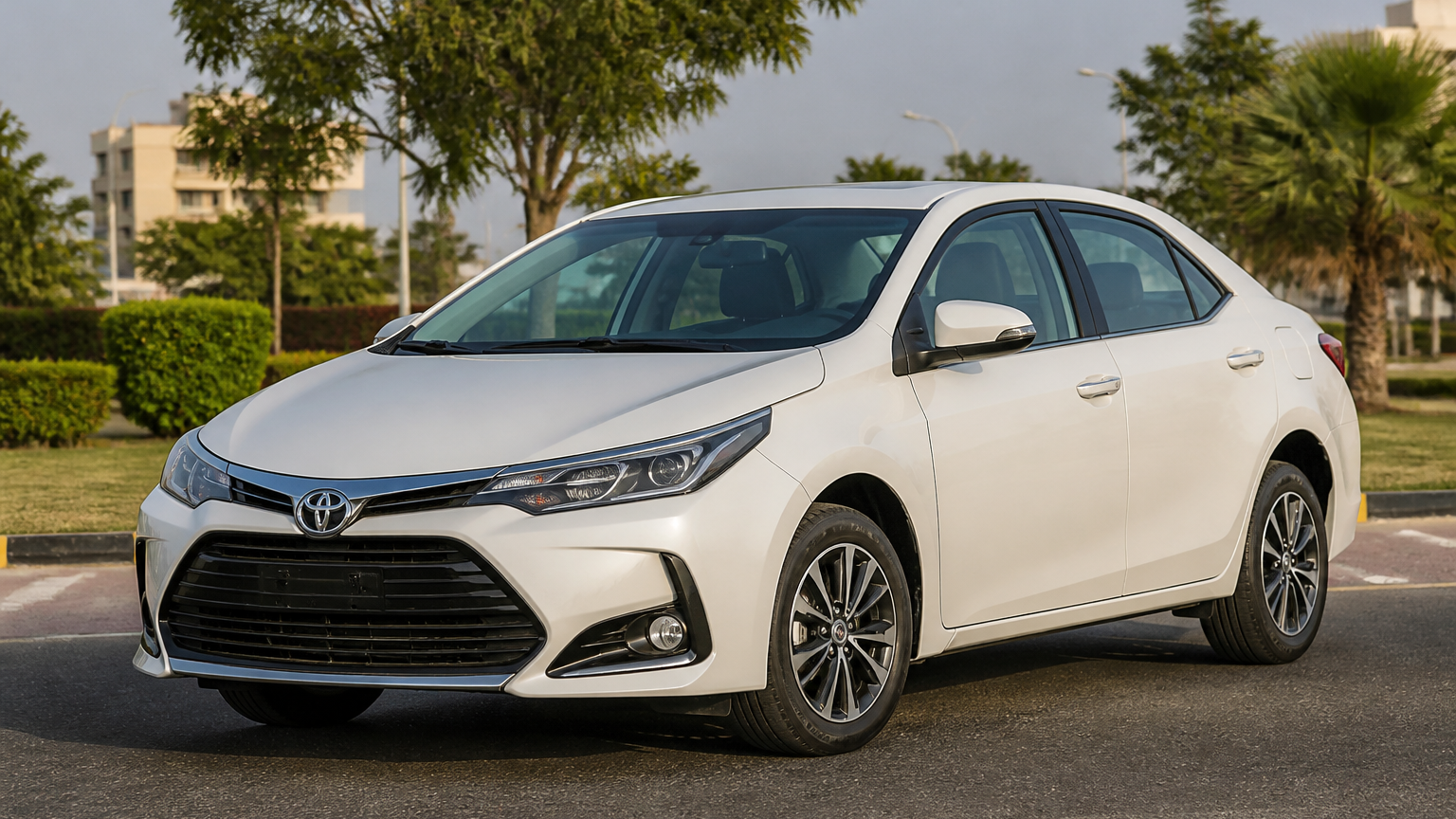
Toyota Corolla Discontinued Before Pakistan Facelift
Pakistan’s pre-facelift Toyota Corolla is reportedly discontinued, hinting at a facelift. Prices, bookings, specs and launch timing remain unconfirmed.
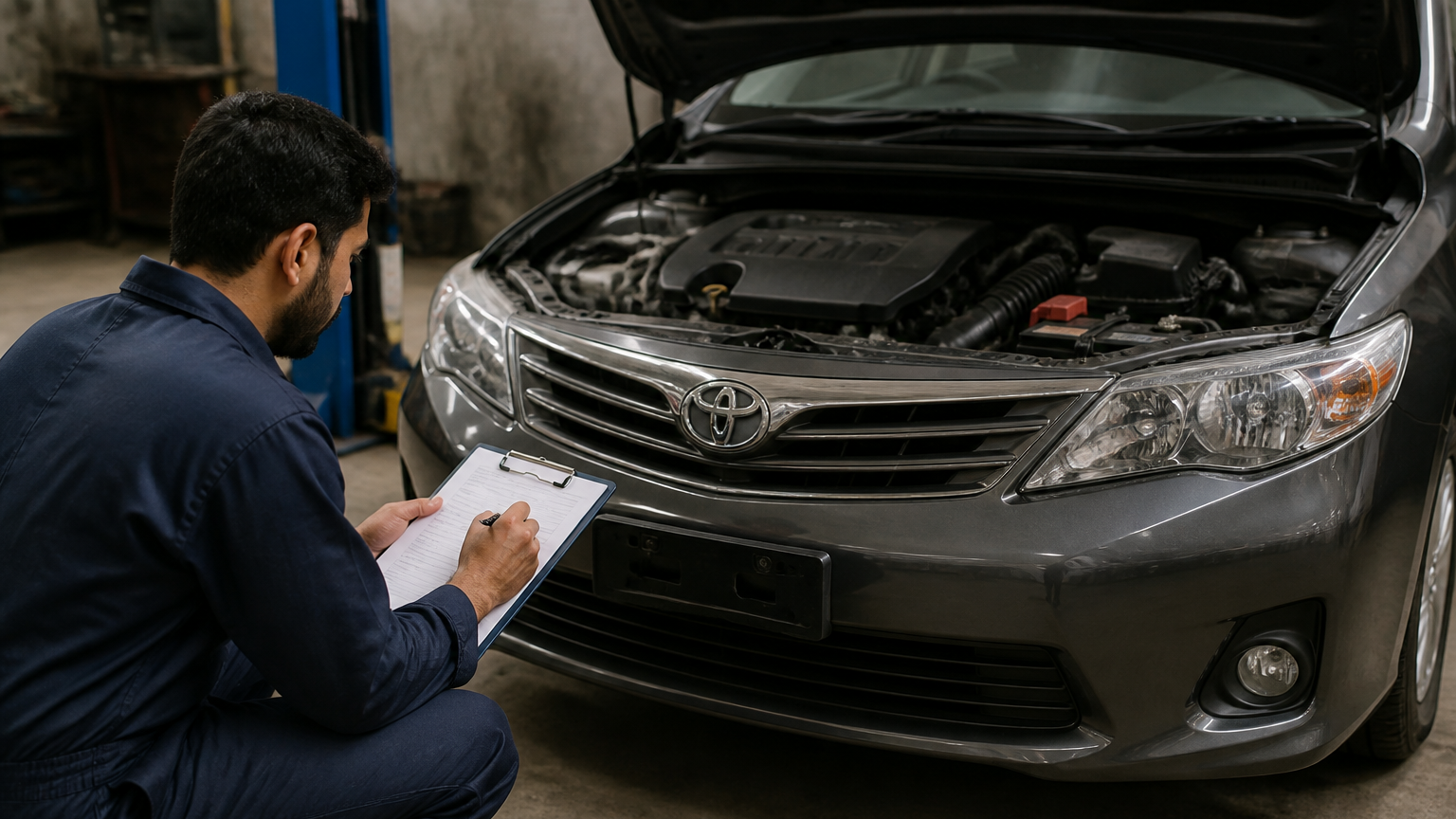
DrivePK Car Inspection Reports: Buy with Confidence
Buying a used car in Pakistan? A pre-purchase inspection can reveal hidden damage, engine issues and red flags before you pay—but it’s not enough alone.
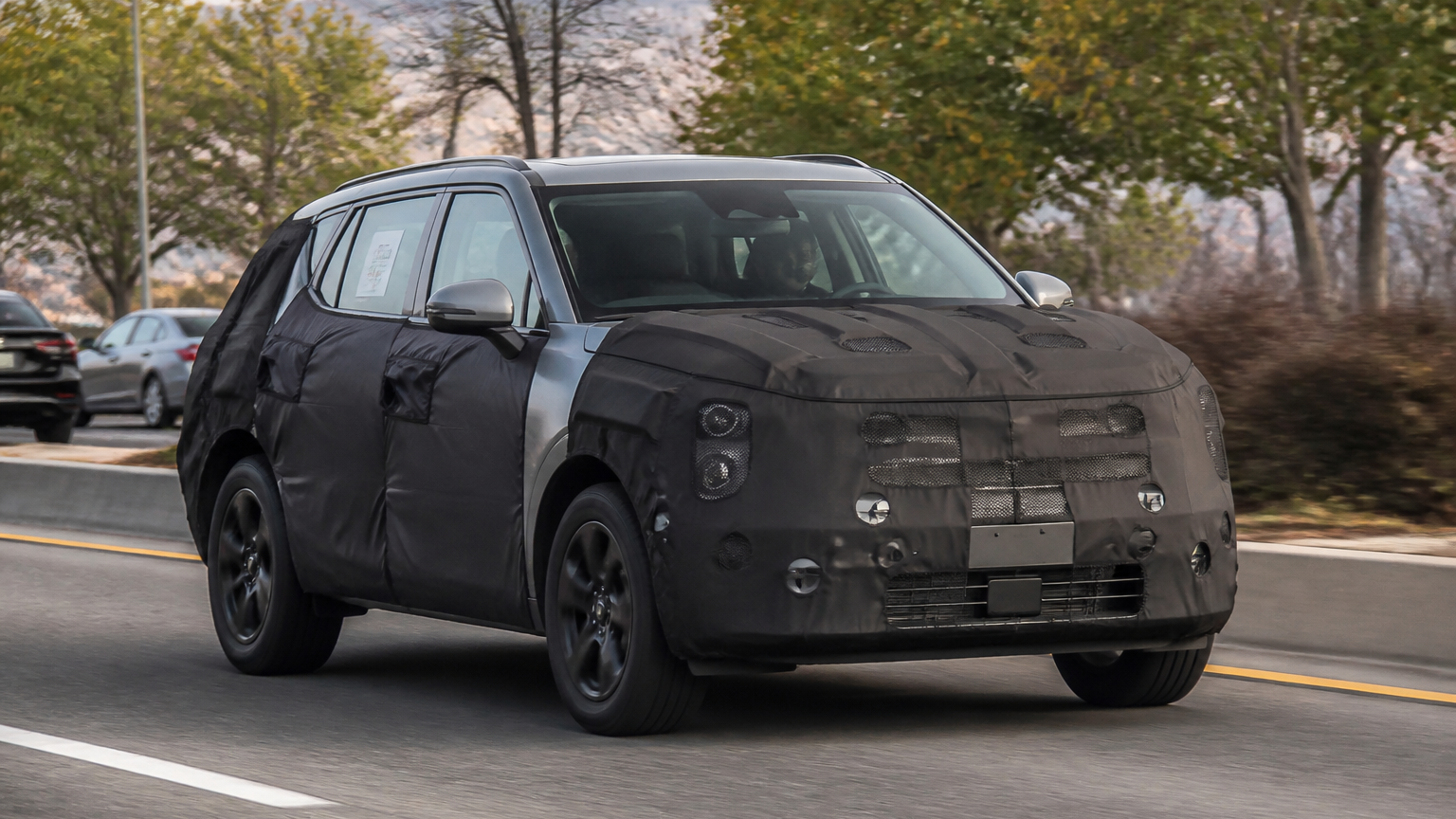
2028 Kia Sportage: Major Design Changes Spotted
Kia’s next Sportage may get a bolder, boxier redesign, with an upright profile, sharper lines, wider grille and split headlights hinted by spy shots.