Faisalabad Launches Pakistan’s First E-Bike Battery Swap Station
Faisalabad has opened Pakistan’s first public-sector battery swapping station for electric motorcycles. Riders can exchange a drained battery for a full one in about one minute. The pilot has two cabinets, 24 slots and five bikes. Officials plan 50 stations citywide by December 2026. Users register on the E-Swap app and pay through EasyPaisa, JazzCash or bank apps.
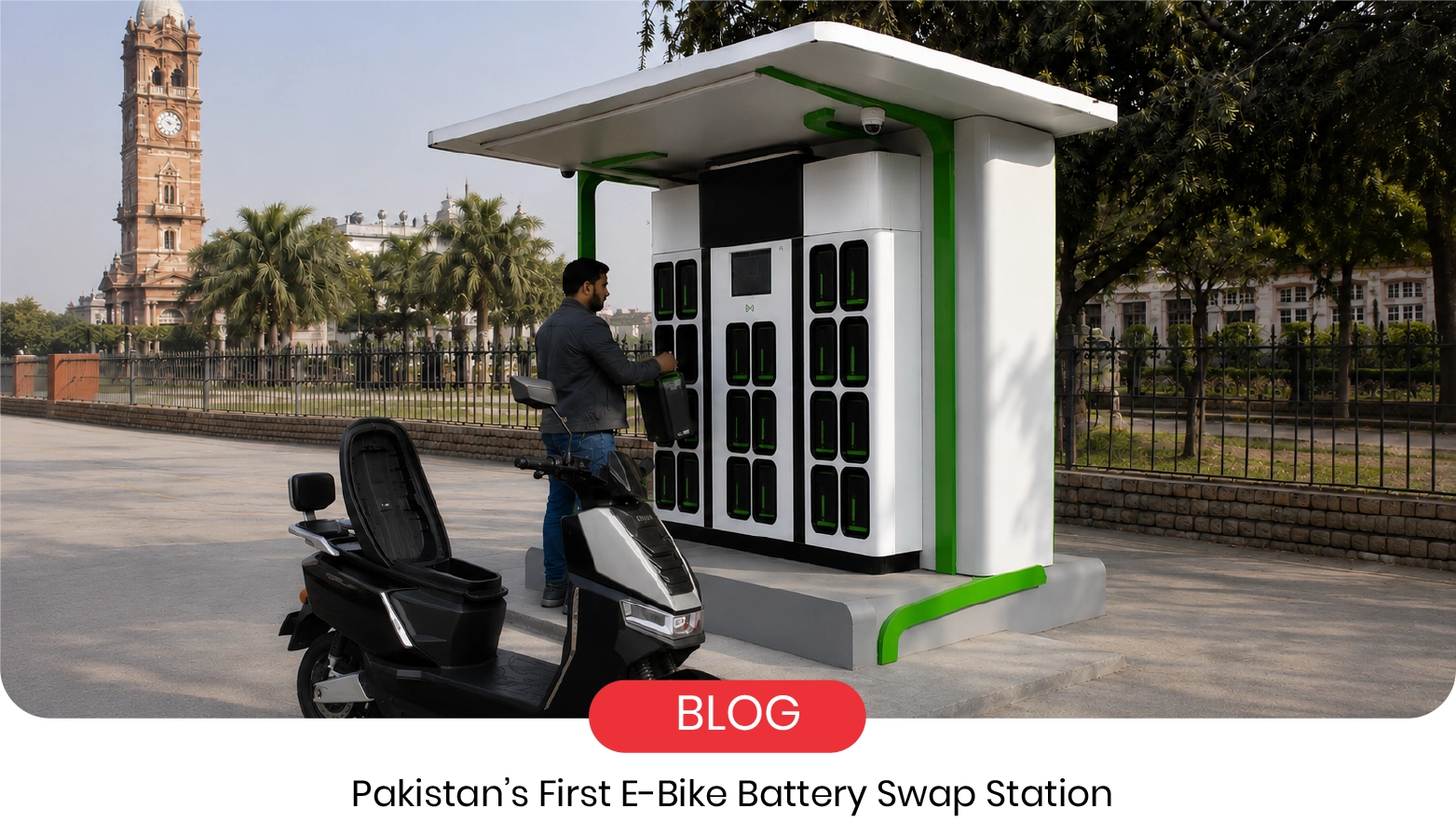
Table of Contents
- What the Pilot Looks Like Right Now
- How Users Access the Service
- Plans to Grow Across the City
- Why Battery Swapping Matters for Everyday Riders
- Links to Wider Clean Transport Efforts
- Practical Challenges Still Ahead
- What This Means for Pakistan’s Electric Mobility Path
- How Riders Can Get Started
- Looking Toward December 2026
Faisalabad just took a practical step toward cleaner daily travel. The city has launched Pakistan’s first public-sector battery swapping station for electric motorcycles. Riders no longer need to wait hours for a battery to charge. They can simply pull out a drained one and put in a fully charged battery in around one minute.
Divisional Commissioner Dr Imran Hamid Sheikh inaugurated the pilot project. It falls under Punjab Chief Minister Maryam Nawaz’s push for environment-friendly transport. The station sits in Faisalabad and is already open for registered users.
This is not a private company experiment. It is a government-backed pilot. That makes it the first of its kind in the public sector across Pakistan.
What the Pilot Looks Like Right Now
The starting setup is small but functional. Two battery swapping cabinets stand ready. They support 24 charging slots in total. Five electric motorcycles are available for riders as part of the initial fleet.
A live demonstration during the opening showed how the system works. A rider removed a low battery and inserted a charged one. The whole process took roughly one minute. No cables. No long wait. No need to leave the bike plugged in overnight.
Officials say the goal is clear. They want to make electric bikes more useful for people who ride every day. Delivery riders, office workers, and short-distance commuters often face the same problem. A battery runs low in the middle of work or travel. With normal charging, the bike sits idle for hours. Battery swapping removes that barrier.
How Users Access the Service
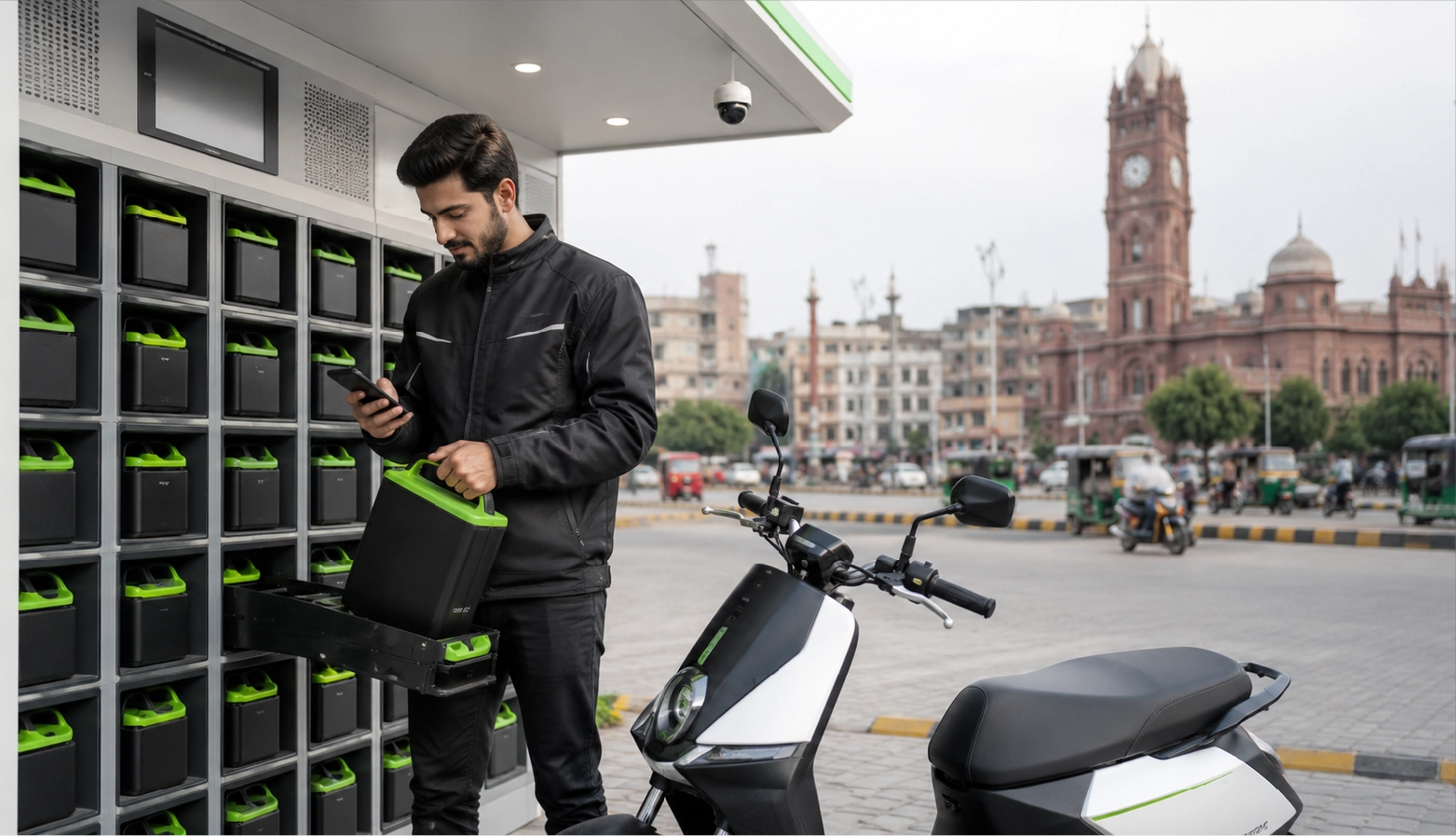
Everything runs through the E-Swap mobile app, also linked to the Faisalabad Urban Transport Society system. The app is available on both the Google Play Store and Apple App Store.
Registration is straightforward. Users download the app, enter basic details including identity card information and home address, and complete verification. Once approved, they can subscribe to the service. The subscription covers access to electric bikes, batteries and the network of swapping stations.
Payments stay digital. Users can pay through EasyPaisa, JazzCash or regular banking apps. No cash handling at the station. The process stays simple and trackable.
This model treats the battery like a shared resource. Riders do not own the expensive battery long-term. They use a charged one when needed and return the empty one. The service provider handles maintenance and replacement. That lowers the upfront cost for the rider and removes the worry of battery degradation over time.
Plans to Grow Across the City
The pilot is only the beginning. Officials have set a clear target. They aim to install 50 battery swapping cabinets across Faisalabad by December 2026. That expansion would place stations in more neighbourhoods, markets and high-traffic areas.
If the network reaches that scale, daily riders could swap batteries near home, work or delivery zones. Range anxiety, the fear of running out of power far from a charger, would drop sharply. Delivery riders who cover many kilometres each day stand to gain the most. They can keep moving instead of losing earning hours while a battery charges.
The commissioner has stated that the project aims to cut air pollution and give citizens a cleaner, more affordable transport option. Electric motorcycles produce no exhaust. In a city that faces regular air quality challenges, more e-bikes on the road can make a measurable difference over time.
Why Battery Swapping Matters for Everyday Riders
Many people in Faisalabad and other Pakistani cities already look at electric motorcycles. Fuel prices rise and fall, but the overall cost of petrol stays high. Electric bikes cost less to run per kilometre. The main drawbacks have always been charging time and battery life.
Traditional charging forces riders to plan around electricity. You plug in at home or at a station and wait. For someone who uses the bike for work from morning to evening, that wait is expensive. Battery swapping turns the process into something closer to filling a petrol tank. You stop, exchange, and continue.
Delivery riders feel this difference most sharply. Every minute the bike sits still is a minute without earnings. Food delivery, parcel services and other gig work depend on constant movement. A one-minute battery swap keeps the work flowing.
Commuters benefit too. A person who rides to an office or market can swap on the way if the battery runs low. There is no need to leave the bike charging for hours at a public spot or to carry a second heavy battery.
Links to Wider Clean Transport Efforts
This station fits into larger plans for electric mobility in Punjab. Earlier this year, officials in Faisalabad also spoke about digital public transport tools and more electric vehicle support. A separate national-level project focused on electric three-wheelers has received international funding and targets battery swapping networks in Faisalabad, Lahore and Multan. The motorcycle pilot sits alongside those efforts rather than replacing them.
Punjab has also promoted interest-free e-bike schemes for students and other groups. The swapping station adds the missing infrastructure piece. Bikes alone are not enough. Riders need easy ways to keep them powered during the day.
Air quality remains a practical concern. Faisalabad is an industrial city. Vehicle emissions add to the pollution load. Shifting even a portion of short trips from petrol motorcycles to electric ones can reduce local emissions. The commissioner has repeatedly linked the project to cleaner air and more modern transport options for residents.
Practical Challenges Still Ahead
The pilot starts small. Five bikes and two cabinets will serve a limited number of users at first. Expansion to 50 stations by December will require steady work on locations, power supply, battery inventory, and maintenance teams. Stations need reliable electricity or solar support so the batteries themselves stay charged and ready.
User adoption will decide the real success. People need to trust the app, the batteries and the availability of charged units. If a rider arrives at a station and finds no charged battery, confidence drops. Clear communication about station locations and real-time availability inside the app will matter.
Cost is another factor. The subscription fee must stay affordable for daily riders and delivery workers. If the monthly or usage-based charges feel too high compared with petrol costs, many will stay with traditional bikes. Officials have described the service as economical, but the exact pricing will shape how quickly people switch.
Battery standardisation also plays a role. Different electric motorcycle brands use different battery designs. A public swapping network works best when batteries are interchangeable across common models. Over time, the system may need agreements with manufacturers so more bikes can use the same swap stations.
What This Means for Pakistan’s Electric Mobility Path
Pakistan has seen growing interest in electric two-wheelers. Local and imported models appear in more showrooms. Government schemes have tried to lower the purchase price. Yet infrastructure has lagged. Public charging points remain limited. Home charging is not always reliable in areas with load-shedding or weak wiring.
Battery swapping offers a different route. It reduces the need for every rider to own a large home charger or to wait at public points. The battery becomes a service rather than a personal asset. Similar models have worked in other countries for two-wheelers and three-wheelers. Faisalabad’s pilot tests whether the same approach can work under local conditions.
If the 50-station target is met and usage grows, other cities may follow. Lahore, Multan and Karachi already have electric bike users. A proven public model in Faisalabad could speed up similar stations elsewhere.
How Riders Can Get Started
Anyone interested can begin with the E-Swap app. Download it, complete the registration with identity and address details, and wait for verification. Once approved, the subscription opens access to the available bikes and the swapping cabinets.
At the station, the process is simple. Locate a cabinet, follow the app instructions, remove the low battery and insert a charged one. The system records the exchange. The rider continues the journey.
Officials demonstrated the full cycle at the inauguration. The speed and simplicity stood out. One minute of exchange replaces hours of charging.
Looking Toward December 2026
The next few months will show how well the pilot performs. Feedback from early users will shape the expansion. Locations for the remaining cabinets, battery supply chains and customer support systems all need attention.
For now, Faisalabad has something new. A public station where electric motorcycle riders can swap batteries in about one minute. It is a small pilot with five bikes and two cabinets. But it is also the first public-sector attempt of its kind in the country.
Daily riders who have waited for batteries to charge finally have another option. Delivery workers who lose time to charging can keep moving. And the city gains one more tool in its effort to reduce pollution from petrol motorcycles.
The real test will come as the network grows. If the stations stay reliable and the costs stay reasonable, more people may choose electric bikes for their everyday trips. That outcome would mark a practical shift in how people move around Faisalabad.For more updates, visit DrivePK.com
Tags
Share this article
About the Author

Najeeb Khan
Automotive enthusiast and writer
Comments (0)
Login Required
You need to be logged in to comment on this article.
No comments yet. Be the first to share your thoughts!
Related Articles
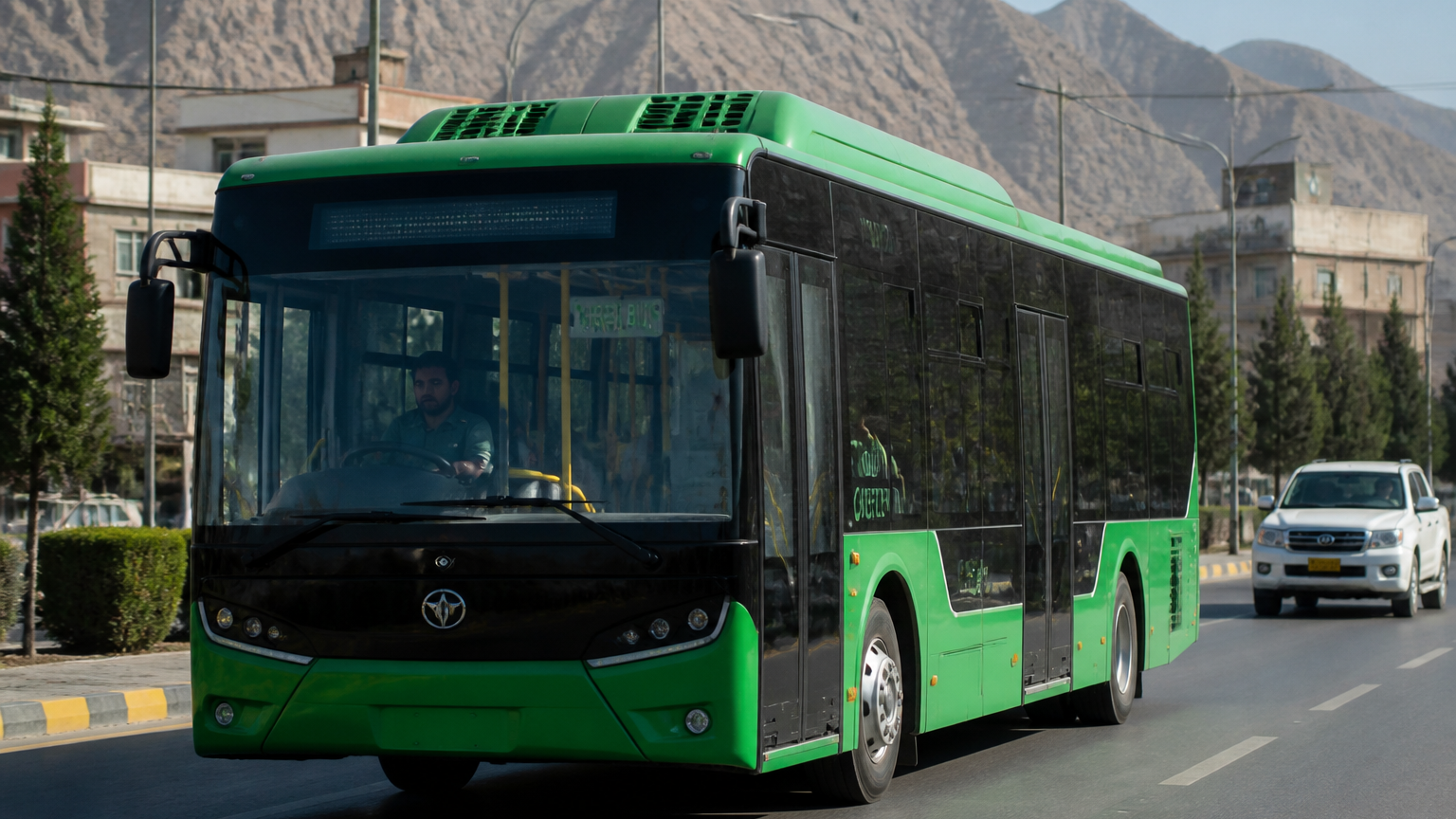
Quetta to Get 17 More Electric Green Buses
Quetta plans 17 more electric buses, potentially lifting its fleet from 25 to 42 and reaching underserved areas—timing and routes remain unclear.
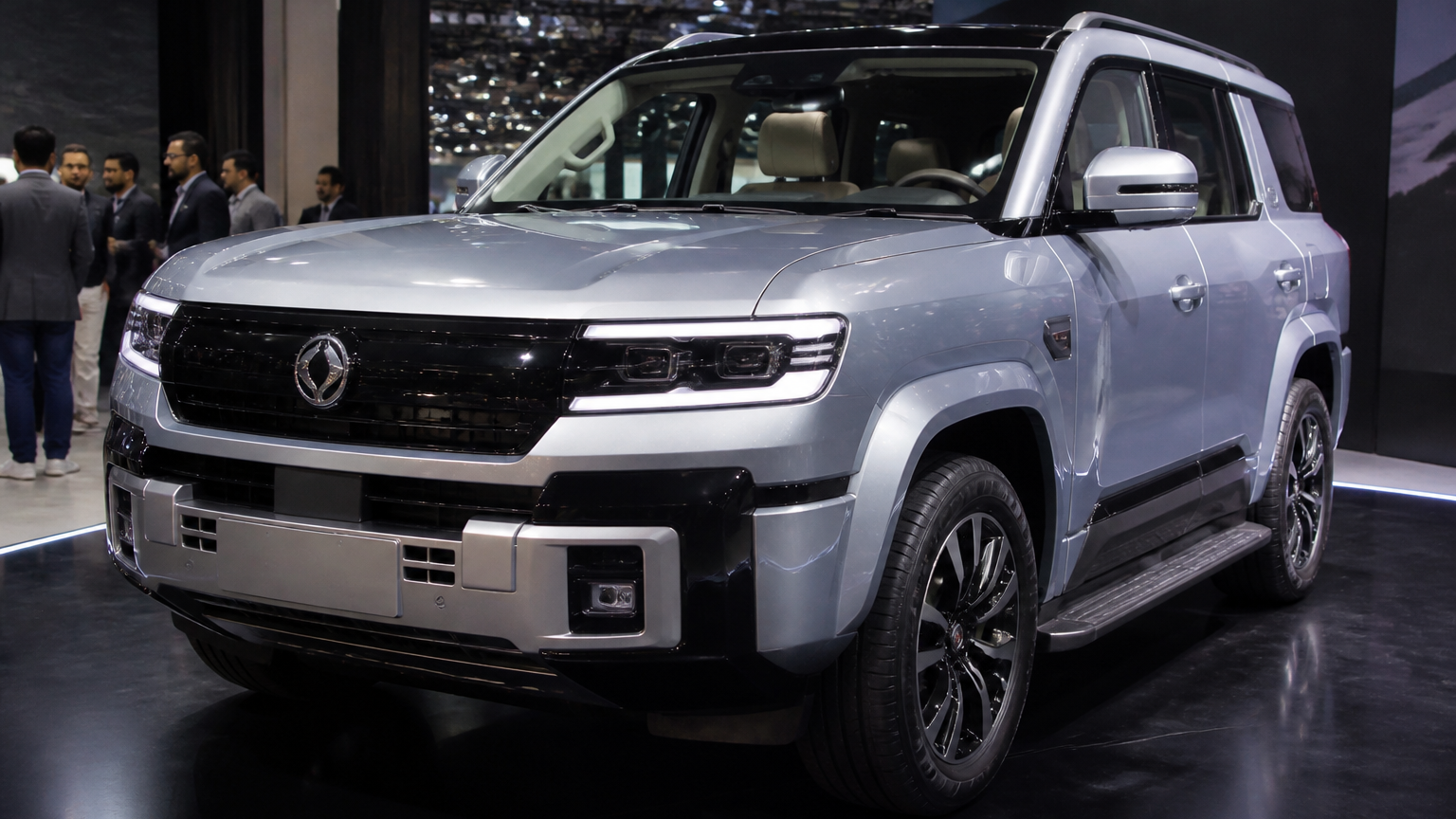
Denza B8 First Look: 600+ HP Luxury SUV
Denza B8 debuts in Pakistan with 600+ hp, six seats and off-road muscle—but price, bookings and launch details remain under wraps.
New Kia Stonic Turbo: Specs and Pakistan First Look
Kia previews the new Stonic in Pakistan with a turbo engine and refreshed cabin, but price, trims and launch timing remain under wraps.