Fuel Price Hike in Pakistan Triggers 3% Freight Charge Increase
Fuel prices in Pakistan jumped on February 16, 2026, prompting a 3% nationwide freight charge hike. The Pakistan Goods Transport Alliance cites rising diesel costs. This change, lasting until February 28, will boost logistics expenses and pressure everyday budgets for goods and travel
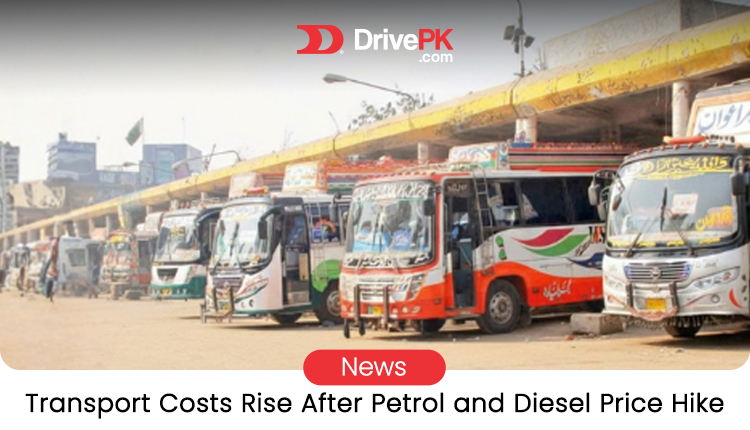
Table of Contents
- Why Freight Operators Made the Call
- Ripple Effects on the Economy
- Impact on Daily Life in Pakistan
- What's Next for Fuel and Transport
- Broader Lessons from the Hike
Fuel costs in Pakistan just went up again. On February 16, 2026, the latest hike took effect. Petrol and diesel prices climbed, and it's already shaking things up. Freight operators responded fast. They announced a 3 percent increase in charges across the country.
This move comes from the Pakistan Goods Transport Alliance. They say it's needed to cover the extra expenses. Diesel hits hardest here, as it's the main fuel for trucks and heavy vehicles. Without this adjustment, operators would lose money on every trip.
The new rates stick around for the current cycle. That runs until February 28. After that, prices get reviewed again. It's a short-term fix, but it shows how tied transport is to fuel swings.
In places like Rawalpindi, where traffic is thick and goods move constantly, this matters a lot. Local businesses and drivers feel it first.
Why Freight Operators Made the Call
Running a freight business isn't cheap. Fuel takes a big chunk of the budget. When diesel prices rise, so do operating costs. Tires, maintenance, and wages stay the same, but fuel jumps eat into profits.
Alliance President Malik Shahzad Awan explained it plainly. The increase offsets those higher expenses. It's not about making more money; it's about staying afloat. Trucks haul everything from food to building materials. If costs go up, charges follow.
This isn't the first time. Fuel prices often fluctuate in Pakistan. The government sets them every two weeks based on global oil trends and taxes. The February 16 hike reflects that pattern.
Operators track these changes closely. They adjust rates to match. Without it, some might cut routes or raise prices later, causing bigger disruptions.
Ripple Effects on the Economy
One change leads to another. Higher freight charges mean pricier logistics. Goods cost more to move from farms to markets or ports to shops. That pushes up prices for consumers.
Think about everyday items. Groceries, clothes, and electronics all get transported. A 3 percent hike might seem small, but it adds up across the supply chain. Retailers pass it on, and buyers pay more at the counter.
Intercity transport fares could rise too. Buses and coaches rely on diesel. Operators might bump tickets to cover fuel. Commuters between cities like Lahore and Islamabad notice it in their wallets.
Vehicle owners face pressure as well. Personal cars and bikes use petrol. Filling the tank costs more now. For families, that means tighter budgets on fuel, which ties into other expenses like school runs or work commutes.
The broader economy feels the strain. Inflation ticks up when transport costs climb. Businesses slow down if margins shrink. Exports might suffer if shipping gets too expensive. It's a chain reaction starting from the pump.
Impact on Daily Life in Pakistan
For regular people, this hits home. In urban areas like Rawalpindi, traffic is bad enough. Now add higher costs for rideshares or deliveries. Online shopping? Expect surcharges.
Farmers and small traders struggle too. Moving produce to cities costs more. They might absorb some, but eventually, prices rise for buyers. Fresh fruits and veggies could see the first increases.
Public transport users watch fares closely. Many rely on buses for work. A small hike means less money for food or bills. It's toughest on low-income groups.
Even industries like construction feel it. Materials trucked in cost extra. Projects might be delayed, or budgets stretched. In a growing economy, these hurdles slow progress.
But it's not all doom. Some see it as temporary. If global oil dips, prices could fall next cycle. Government subsidies or tax tweaks sometimes help. Still, right now, it's a burden.
What's Next for Fuel and Transport
The cycle ends February 28. Then comes the next review. If oil stays high, another hike could follow. Or prices might stabilize.
The alliance will watch closely. They adjust as needed. For now, the 3 percent holds. Operators urge understanding that it's not their choice, but a response to fuel realities.
Government plays a role too. Policies on imports, taxes, and alternatives like electric vehicles could ease long-term pain. But those take time.
In the meantime, people adapt. Carpooling, public transit, or cutting trips help. Businesses optimize routes to save fuel.
This hike reminds us how connected everything is. Fuel touches transport, which touches the economy, which touches daily life. Keeping an eye on prices helps everyone prepare.
Broader Lessons from the Hike
Pakistan's fuel dependency shows in these moments. Oil imports drive much of it. Diversifying energy, more renewables, or local production could buffer shocks.
Transport needs efficiency, too. Better roads, like ongoing projects in Rawalpindi, cut fuel use by easing traffic. Signal-free corridors mean less idling, less waste.
Education on fuel-saving habits matters. Simple things like proper tire pressure or smooth driving save money. Over time, they add up.
The alliance's move is pragmatic. It protects jobs in transport while passing costs fairly. But it highlights the need for stable policies.
As February rolls on, watch for updates. Prices might shift, but the impacts linger. Staying informed keeps you ahead.
In the end, it's about balancing costs and needs. No easy fixes, but awareness helps navigate the changes.For more updates, visit DrivePK.com
Tags
Share this article
About the Author

Najeeb Khan
Automotive enthusiast and writer
Comments (0)
Login Required
You need to be logged in to comment on this article.
No comments yet. Be the first to share your thoughts!
Related Articles
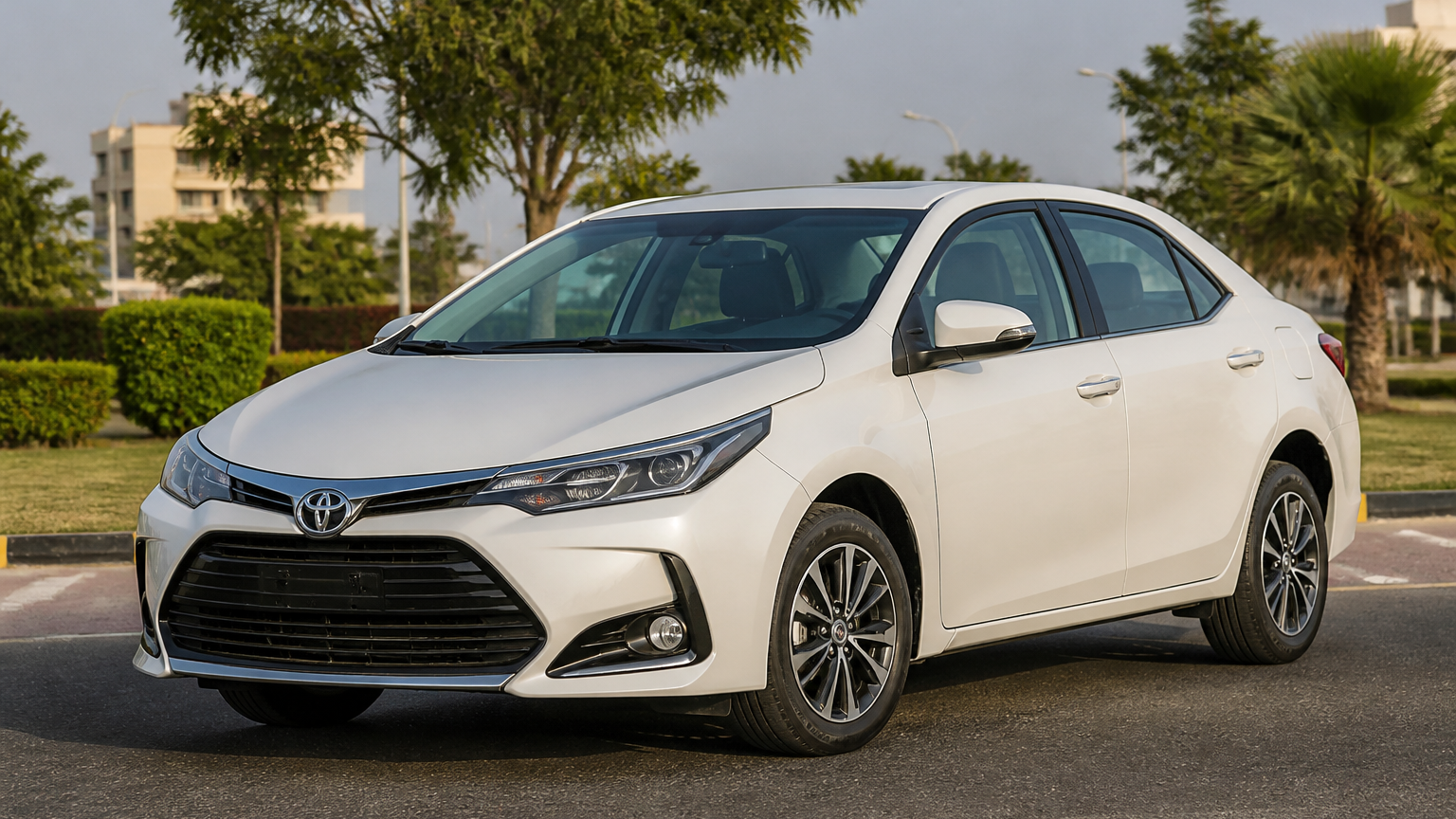
Toyota Corolla Discontinued Before Pakistan Facelift
Pakistan’s pre-facelift Toyota Corolla is reportedly discontinued, hinting at a facelift. Prices, bookings, specs and launch timing remain unconfirmed.
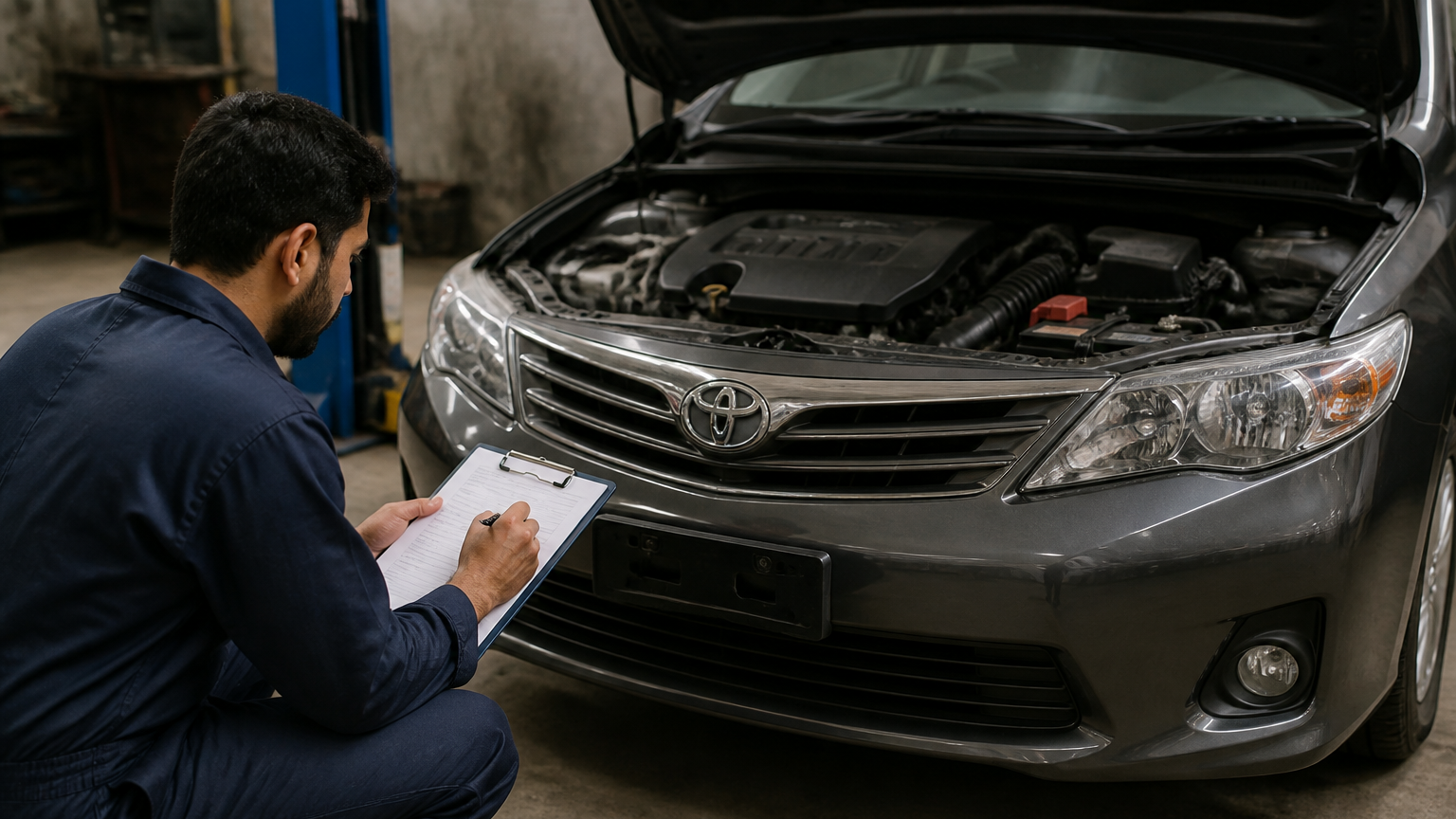
DrivePK Car Inspection Reports: Buy with Confidence
Buying a used car in Pakistan? A pre-purchase inspection can reveal hidden damage, engine issues and red flags before you pay—but it’s not enough alone.
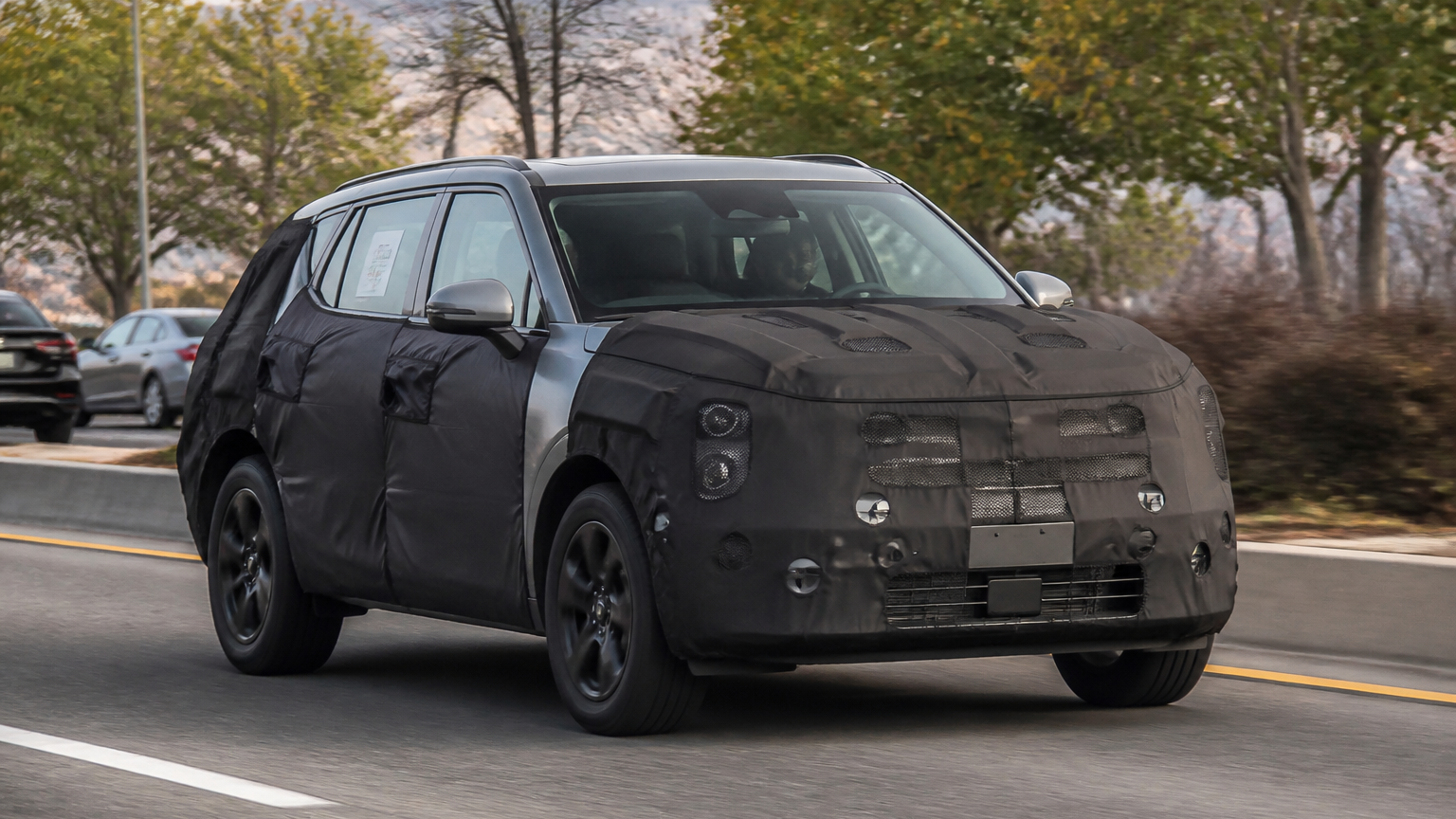
2028 Kia Sportage: Major Design Changes Spotted
Kia’s next Sportage may get a bolder, boxier redesign, with an upright profile, sharper lines, wider grille and split headlights hinted by spy shots.