Fuel Subsidy Pakistan: Rs100/L Relief Explained
Pakistan’s Rs100/litre fuel relief may help some drivers, but capped benefits expose a deeper issue: fuel prices remain a major tax burden.
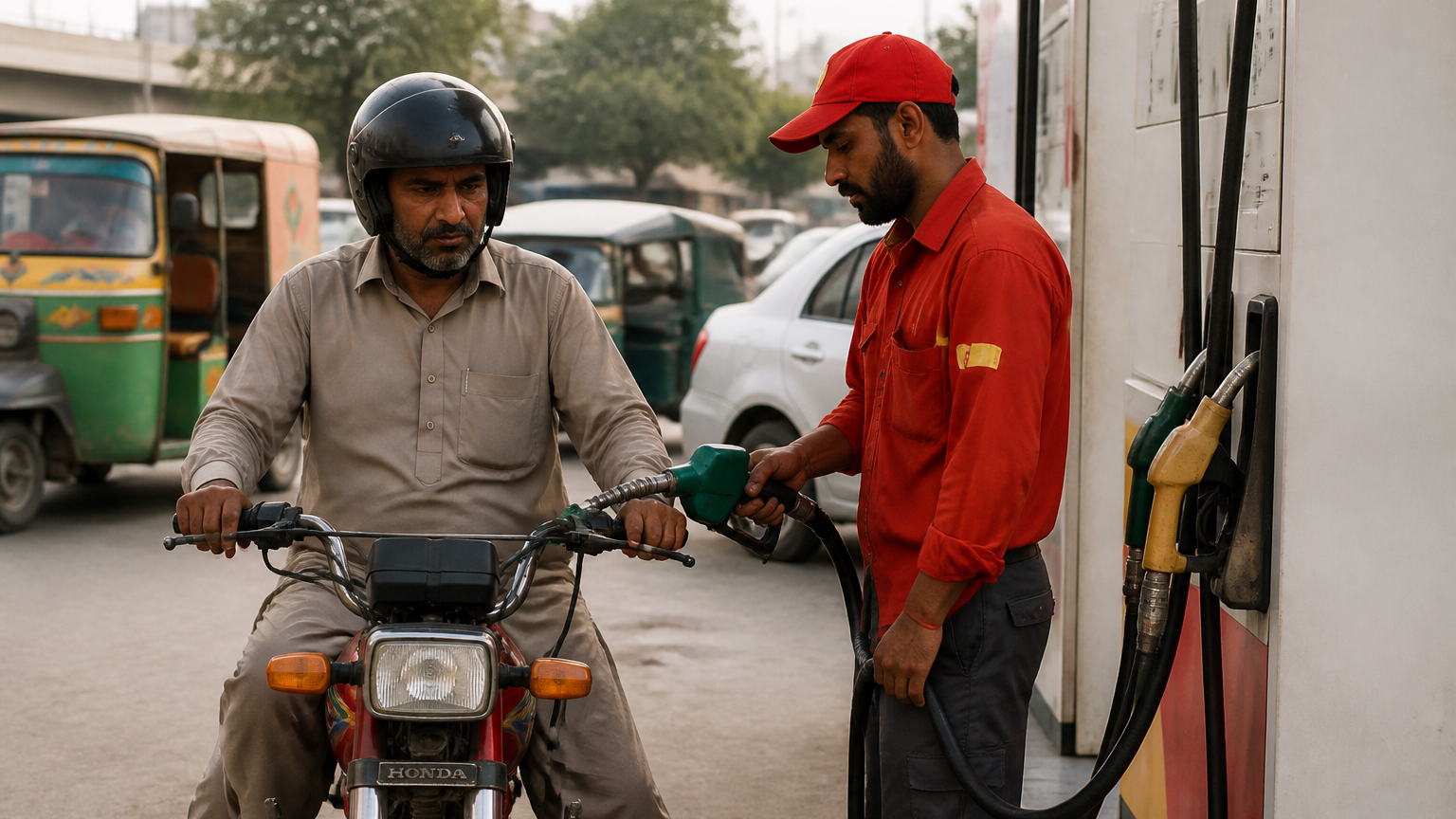
Table of Contents
- Pakistan Fuel Subsidy: Who Will Get Rs100 Per Litre Relief?
- Who Really Benefits?
- Why Does Fuel Remain So Expensive?
- Why Is the Subsidy Targeted Instead of Broad?
- What Drivers Should Do
- Conclusion
Pakistan Fuel Subsidy: Who Will Get Rs100 Per Litre Relief?
Pakistan’s reported fuel subsidy plan sounds simple on paper: Rs100 per litre relieffor motorcycles, rickshaws, Qingqis, and cars up to 800cc. But the scheme also highlights a larger problem for drivers — fuel in Pakistan is still being used as a major tax collection tool.
The reported relief is not a full price cut for everyone. It is a capped monthly benefit. Two- and three-wheelers would get up to 20 litres a month, while eligible small cars would get up to 30 litres.
At Rs100 per litre, that means:
- Motorcycle and rickshaw users:maximum saving of Rs2,000 per month
- Eligible small car owners:maximum saving of Rs3,000 per month
- Fuel Prices in Pakistan Oct 2025 | Petrol Rs. 268.68, Diesel Rs. 276.81
- Pakistan Fuel Prices Rise: Petrol at Rs316.15, Diesel at Rs354.35
- Motorcycle and rickshaw users:confirm eligibility and understand the 20-litre monthly limit.
The reported effective price after relief would be Rs275.82 per litre. The plan also reportedly includes a Rs25 billion monthly allocation. However, the allocation, eligibility criteria, and final implementation process should be confirmed through official government channels before drivers make financial plans around the subsidy.
Who Really Benefits?
For a rider who uses a motorcycle for work, school runs, or daily commuting, the relief could make a meaningful difference. The same applies to rickshaw and Qingqi drivers, particularly when fuel costs directly reduce their daily earnings.
For background, see our earlier coverage:
But the support is limited. Many users could reach their monthly quota before the month ends and would then have to pay the full market price for additional fuel.
For small car owners, the 30-litre monthly capmay cover only a portion of normal monthly consumption.
Drivers of cars above 800ccwould not fall under the reported eligibility limit. This includes many family sedans and compact crossovers, so those owners should not expect relief unless the eligibility rules are changed.
For comparison, see our previous coverage:
Why Does Fuel Remain So Expensive?
Fuel is one of the easiest areas for the government to collect indirect taxes because almost every commuter, transport operator, and business needs fuel.
The reported figures put total taxes and levies at around Rs114 per litre on petroland around Rs100 per litre on diesel during the period discussed.
The major component is the Petroleum Development Levy, while customs duty and other levies also contribute to the final price.
These figures can change with each pricing period, so they should be treated as a snapshot rather than permanent tax rates.
The wider issue is Pakistan’s reliance on indirect taxation. When direct tax collection from powerful sectors and higher-income groups remains challenging, governments can become more dependent on taxes collected through everyday necessities such as fuel.
That ultimately affects ordinary drivers, delivery businesses, transport operators, and other fuel-dependent users.
Why Is the Subsidy Targeted Instead of Broad?
The policy logic is relatively straightforward: a blanket fuel subsidy would cost significantly more and could place additional pressure on public finances.
A targeted scheme limits the government's exposure by providing relief to selected users through monthly fuel quotas and eligibility checks.
This approach allows the government to provide some support to lower-income commuters without reducing the fuel price for every consumer.
IMF programme conditions are part of the broader fiscal picture, but they are not the only factor affecting fuel prices. Exchange rates, international oil prices, import costs, domestic taxation, and overall fiscal pressure also influence the price motorists pay at the pump.
What Drivers Should Do
For now, drivers should treat the reported subsidy as proposed or reported relief until the government officially notifies the final rules.
- Qingqi drivers:check whether the final eligibility rules specifically include their vehicle category.
- Small car owners:calculate how much of your monthly fuel consumption would actually fall within the 30-litre quota.
- Owners of vehicles above 800cc:plan your budget assuming the normal pump price unless the rules are expanded.
- All drivers:do not treat the reported Rs275.82 effective price as final until officially confirmed.
Conclusion
The reported fuel subsidy could provide some relief to motorcycle, rickshaw, Qingqi, and small-car users, but its impact will be limited by the monthly fuel caps.
At the same time, the proposal highlights a bigger issue: fuel remains an important source of government revenue in Pakistan, meaning motorists can still face a significant tax burden even when targeted subsidies are introduced.
Until the government officially announces the final eligibility criteria, payment mechanism, and implementation date, drivers should avoid making financial decisions based solely on the reported subsidy.
For more updates, visit DrivePK.com.
Tags
Share this article
About the Author

Dr Khan
Automotive Expert & Content Strategist
Comments (0)
Login Required
You need to be logged in to comment on this article.
No comments yet. Be the first to share your thoughts!
Related Articles
Islamabad Rain Advisory: Drive Carefully on Slippery Roads
Heavy rain prompts Islamabad traffic advisory: slippery roads, poor visibility and waterlogging mean slower traffic and extra travel time today.
Vlektra Velocity 180 SE Discount Ends September 30
Vlektra’s Velocity 180 SE discount reportedly ends Sept. 30, but official terms aren’t visible—ask for written proof before booking.