Green Rides Coming to Gujrat: Punjab's Electric Bus Push
Gujarat's streets might soon feel a bit quieter and cleaner. Punjab plans to roll out 28 electric buses here by December 2025. This move fits into...
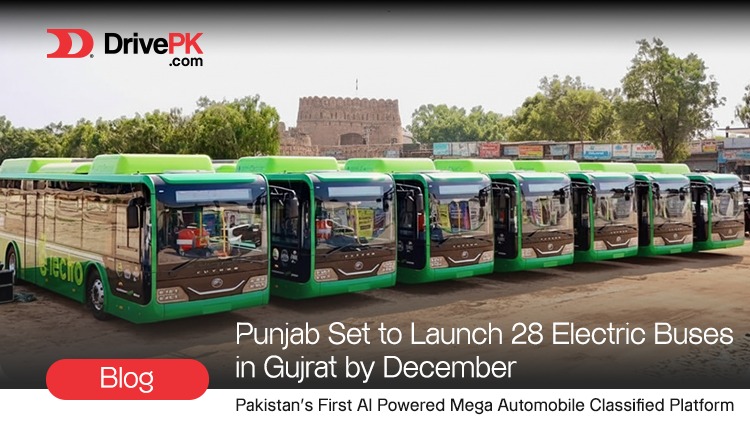
Table of Contents
- A Quick Check on the Ground
- Why Electric Buses Matter in Gujrat
- Part of a Bigger Green Shift
- What's Next for Riders
Gujarat's streets might soon feel a bit quieter and cleaner. Punjab plans to roll out 28 electric buses here by December 2025. This move fits into Chief Minister Maryam Nawaz's wider effort to make public transport greener across the province. It's a small start, but one that could change how locals get around.
A Quick Check on the Ground
Officials didn't just announce this and walk away. Assistant Commissioner Bilal Zubair led a team of transport and municipal staff to map out routes and pick bus stop spots. They walked the proposed paths to spot any snags early. The goal? Make sure everything's ready when the buses arrive. No last-minute fixes needed.
This hands-on review shows real commitment. Routes will link key areas like markets, schools, and stations. Bus stops will have shelters and clear signs. And since it's all electric, expect less noise and zero tailpipe fumes right from day one.
Why Electric Buses Matter in Gujrat
Gujrat sits in the heart of Punjab, with busy roads full of rickshaws, vans, and old diesel buses. Air quality dips low here, especially in winter. These new buses cut emissions and ease traffic. Each one holds up to 80 passengers, with air conditioning and space for wheelchairs.
Residents stand to gain a lot. Fares could stay low around Rs. 20 per ride, based on similar launches elsewhere. Students and seniors might ride free. Plus, real-time tracking via an app means no more guessing wait times. For daily commuters, that's a win. It beats cramming into smoky vans or paying extra for cabs.
But it's not just about comfort. Cleaner air helps everyone breathe easier. Fewer diesel engines mean less smog, which hits kids and the elderly hardest. And over time, it saves money on fuel imports for the province.
Part of a Bigger Green Shift
This Gujrat project isn't alone. Punjab aims for 1,500 electric buses total, starting with big cities like Lahore and Gujranwala. Smaller spots like Pakpattan and Gujar Khan already have services running. Depots and charging stations are popping up too, with trained teams on hand for upkeep.
Maryam Nawaz has pushed this hard, even boarding the first bus in Lahore herself. Her focus? Reach every corner of Punjab, not just the capitals. South Punjab districts get priority now, with 240 buses headed to 24 underserved areas.
What's Next for Riders
December feels close, but prep work ramps up soon. Watch for updates on exact routes—locals can weigh in through town halls or online. If it works here, more buses could follow.
Electric transport isn't flashy. It's practical. And for Gujrat, it means reliable rides that don't choke the air. Simple changes like this build trust in public systems. People might leave the car at home more often. That's how cities stay livable. More updates visit DrivePK.com
Tags
Share this article
About the Author

Najeeb Khan
Automotive enthusiast and writer
Comments (0)
Login Required
You need to be logged in to comment on this article.
No comments yet. Be the first to share your thoughts!
Related Articles
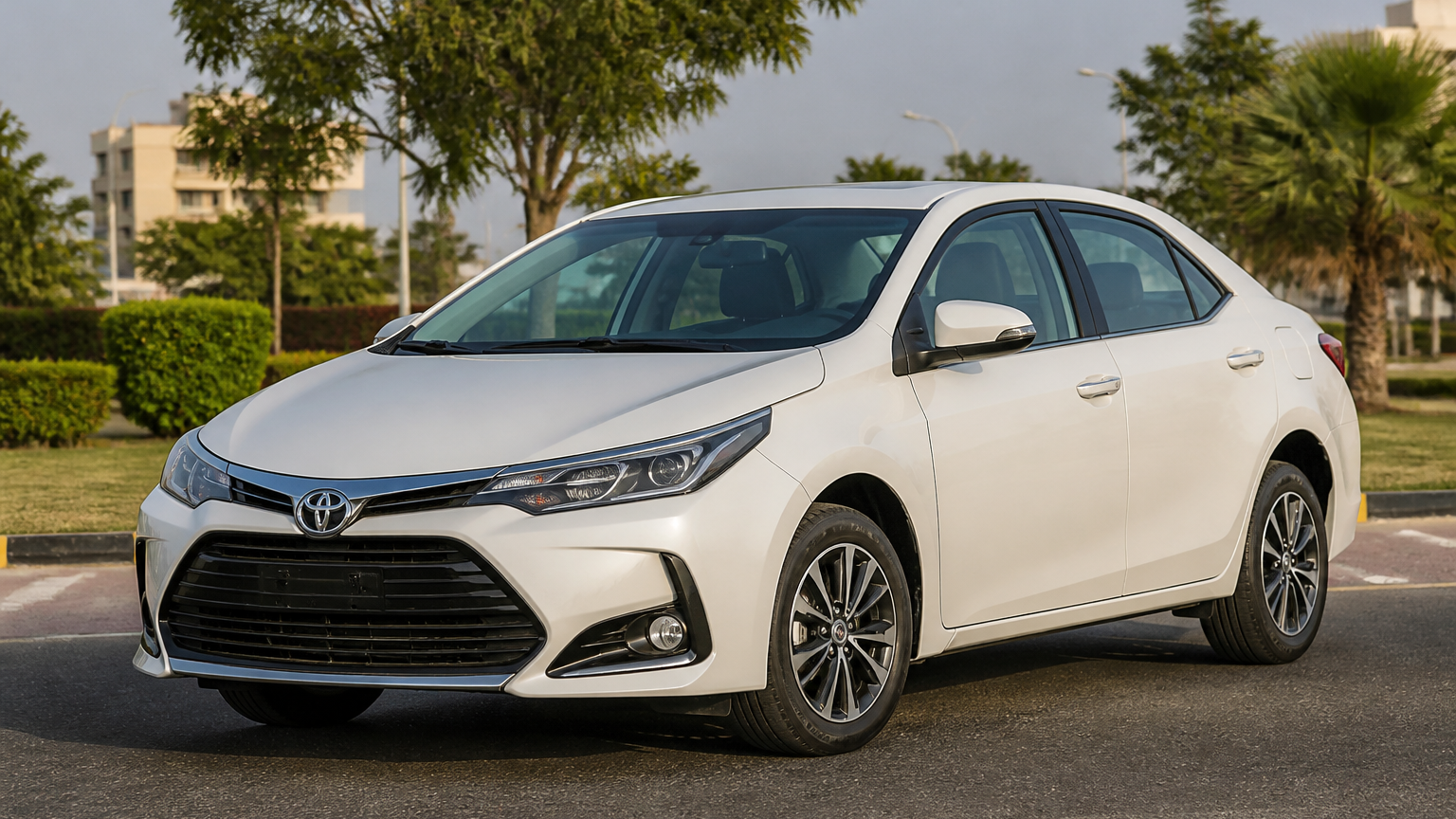
Toyota Corolla Discontinued Before Pakistan Facelift
Pakistan’s pre-facelift Toyota Corolla is reportedly discontinued, hinting at a facelift. Prices, bookings, specs and launch timing remain unconfirmed.
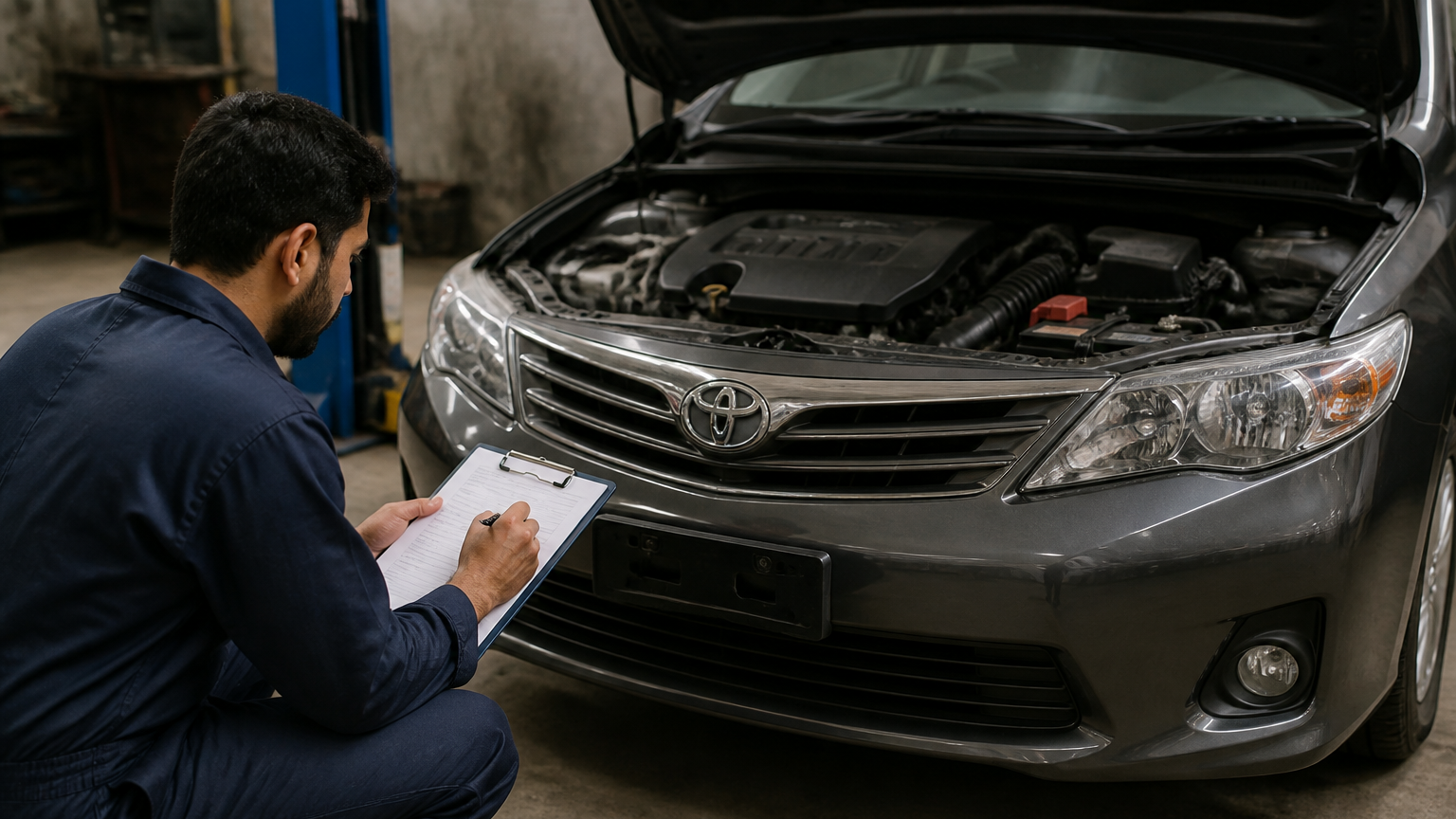
DrivePK Car Inspection Reports: Buy with Confidence
Buying a used car in Pakistan? A pre-purchase inspection can reveal hidden damage, engine issues and red flags before you pay—but it’s not enough alone.
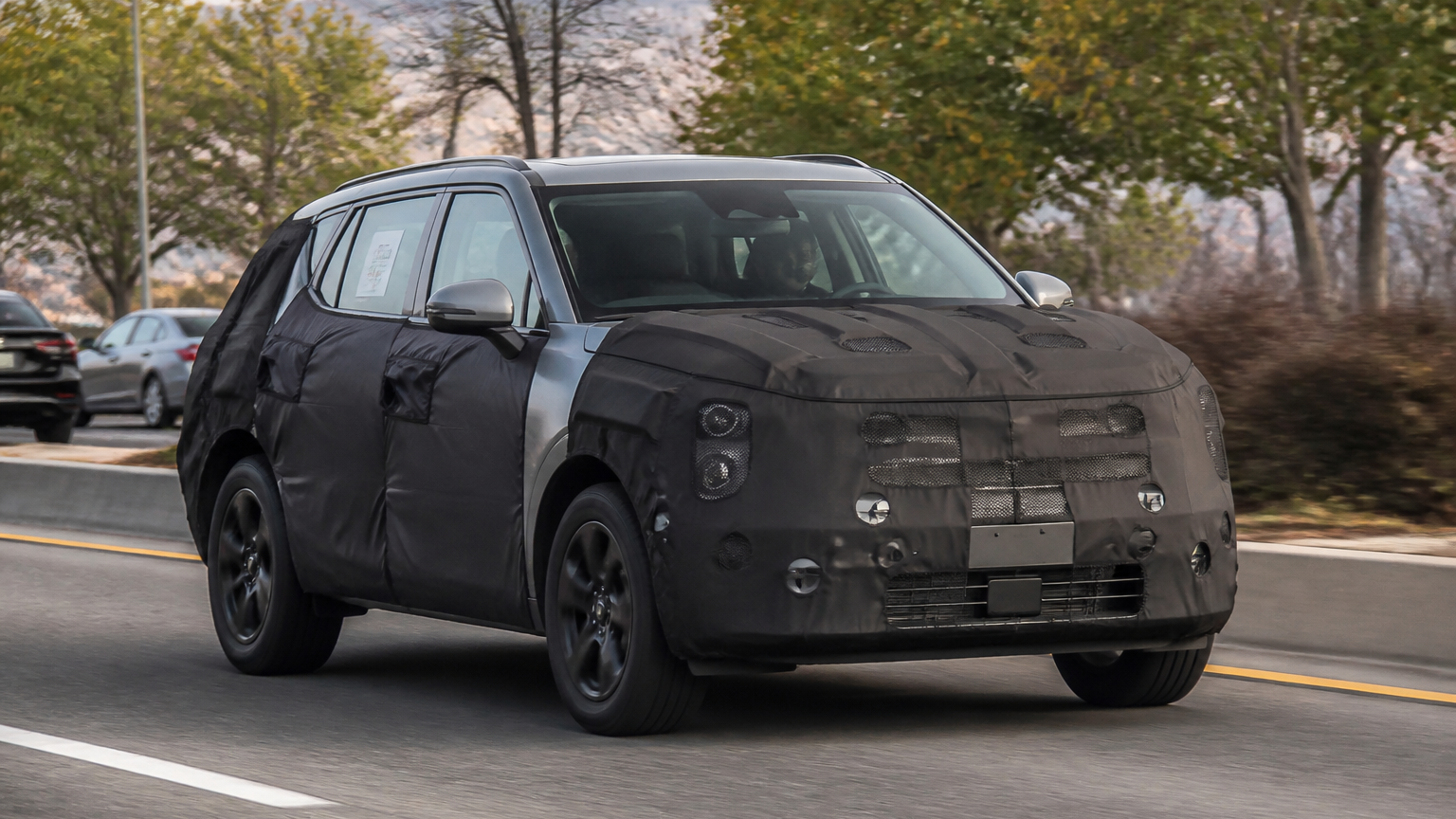
2028 Kia Sportage: Major Design Changes Spotted
Kia’s next Sportage may get a bolder, boxier redesign, with an upright profile, sharper lines, wider grille and split headlights hinted by spy shots.