Tesla Starts Driverless Robotaxi Tests in Austin: No Human Monitors
Tesla began testing robotaxis in Austin without human safety monitors on December 14, 2025. A video captured a Model Y driving empty on city streets, backing Elon Musk's year-end goal. With over 30 units running, the company eyes quick growth, but paid rides stay supervised for now.
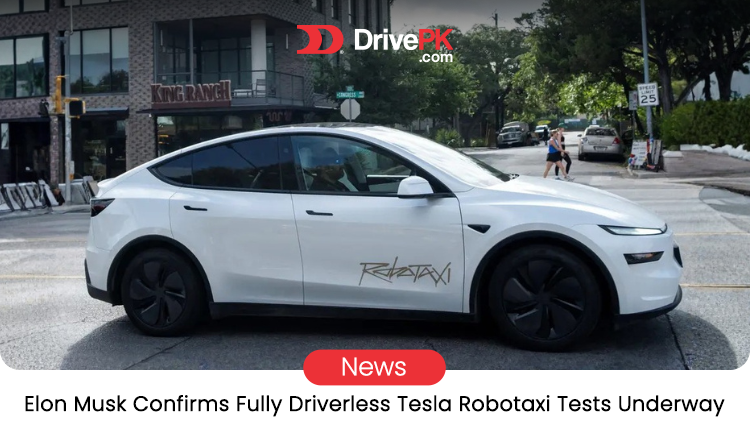
Table of Contents
- What the Video Shows
- Tesla's Fleet in Austin
- History of Tesla's Autonomy Push
- How It Compares to Competitors
- Safety and Regulations
- What This Means for Riders
- Economic Side
- Challenges Ahead
- Future Outlook
Tesla made headlines this week. They began testing robotaxis in Austin without human safety monitors. A video popped up showing a Model Y cruising through the streets, empty. Elon Musk confirmed it. This pushes their self-driving tech forward.
The tests kicked off around December 14, 2025. No one in the car at all. That's a shift from earlier rides with monitors in the passenger seat.
What the Video Shows
The clip came from a user on X. It captures the Model Y navigating turns and stops. Empty seats clear as day. Musk replied: "Testing is underway with no occupants in the car."
This matches his earlier promise. He said monitors would go by year-end. Now it's happening. Tesla's AI lead, Ashok Elluswamy, posted "So it begins." Feels like a movie moment.
But paid rides? Still have humans watching. These tests are empty cars only. Safety first, even in progress.
Tesla's Fleet in Austin
Over 30 robotaxis run there now. Mostly Model Ys. They plan to grow fast. Musk talks for three weeks about more driverless ops.
Austin fits well. Texas laws help with self-driving tests. Tesla works with locals on safety checks. No big issues yet.
Spotters share videos online. One user filmed it, tagging Tesla folks. Buzz grows quickly.
History of Tesla's Autonomy Push
Tesla's Full Self-Driving (FSD) started years ago. Beta tests in 2020. Now version 13 or so. Cameras only, no lidar like rivals.
Robotaxi idea from Musk in 2019. Cybercab unveils in October 2025. Sleek, no wheel. But Austin uses Model Y for now.
Delays happened. Regs, tech tweaks. But this test shows real steps.
How It Compares to Competitors
Waymo has been running driverless in Phoenix since 2017. They had remote monitors. Tesla goes full unsupervised.
Cruise paused after the issues. Tesla avoids that with data from millions of cars.
Edge? Tesla's scale. Owners train the system daily.
Safety and Regulations
No monitors mean trust in software. Tesla reports low incidents. But risks remain. City streets are tricky.
Texas audits help. Feds watch too. NHTSA probes past crashes.
Musk says safer than humans. Data backs it somewhat.
What This Means for Riders
Soon, the app hails a Tesla. No driver chat. Quiet ride.
But not yet. Tests build confidence first.
Expansion? California next, Musk hints. Fleet to hundreds quickly.
Jobs shift. Drivers out, tech in.
Economic Side
Robotaxis could cut costs. No driver pay. Rides cheaper.
Tesla stock reacts. Up on news. But lawsuits loom over past claims.
Long term, billions in revenue.
Challenges Ahead
Tech must handle rain, crowds. Austin tests that.
Public trust is key. Videos help show it works.
Rivals push hard. Tesla leads in hype.
Future Outlook
This test starts the era. Musk envisions millions of robotaxis.
By 2026, paid rides may be. Changes cities.
Exciting times. Watch Austin for clues.
And if you're there, spot one. Wave hello. For more updates, visit DrivePK.com
Tags
Share this article
About the Author

Najeeb Khan
Automotive enthusiast and writer
Comments (0)
Login Required
You need to be logged in to comment on this article.
No comments yet. Be the first to share your thoughts!
Related Articles
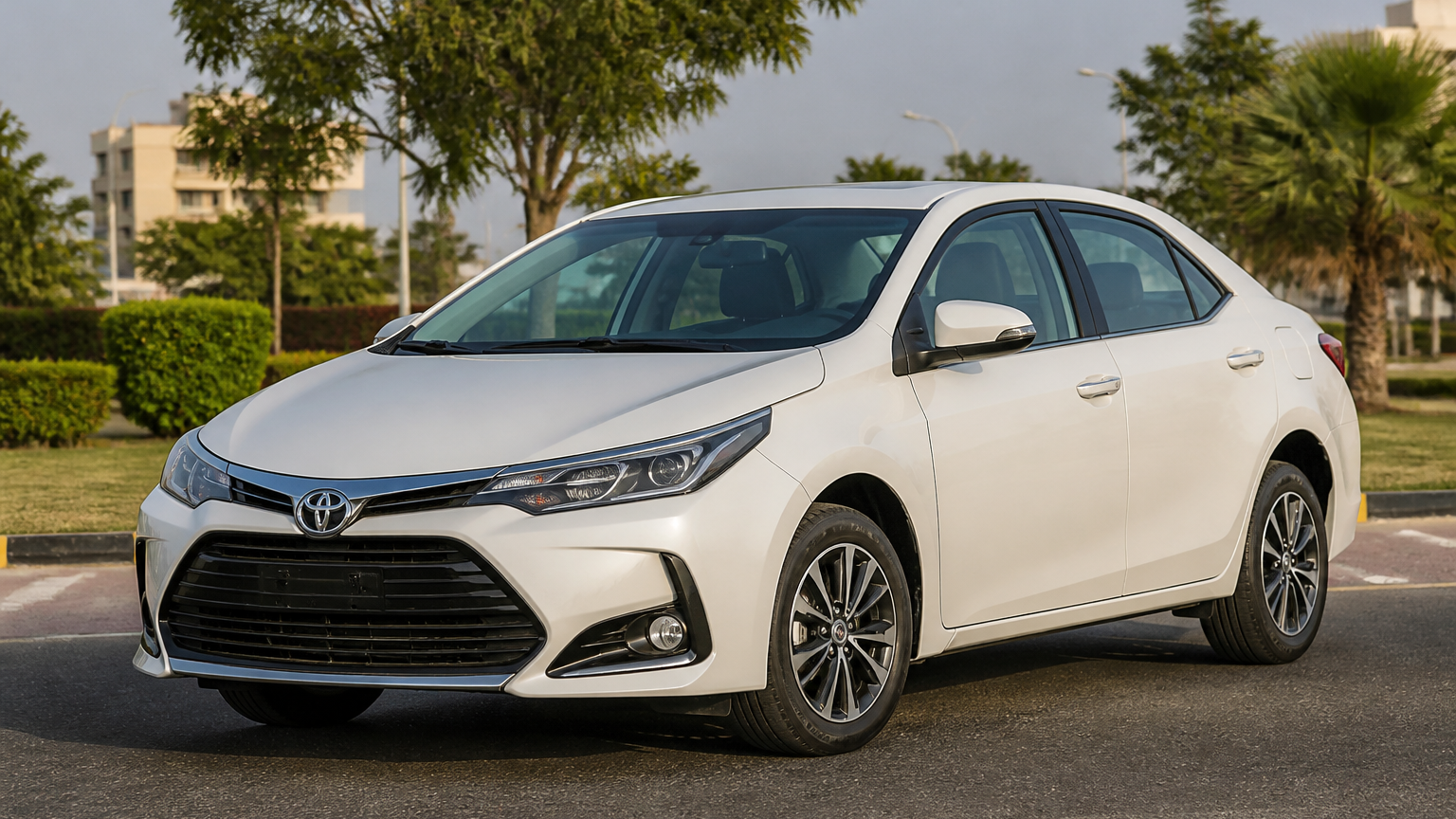
Toyota Corolla Discontinued Before Pakistan Facelift
Pakistan’s pre-facelift Toyota Corolla is reportedly discontinued, hinting at a facelift. Prices, bookings, specs and launch timing remain unconfirmed.
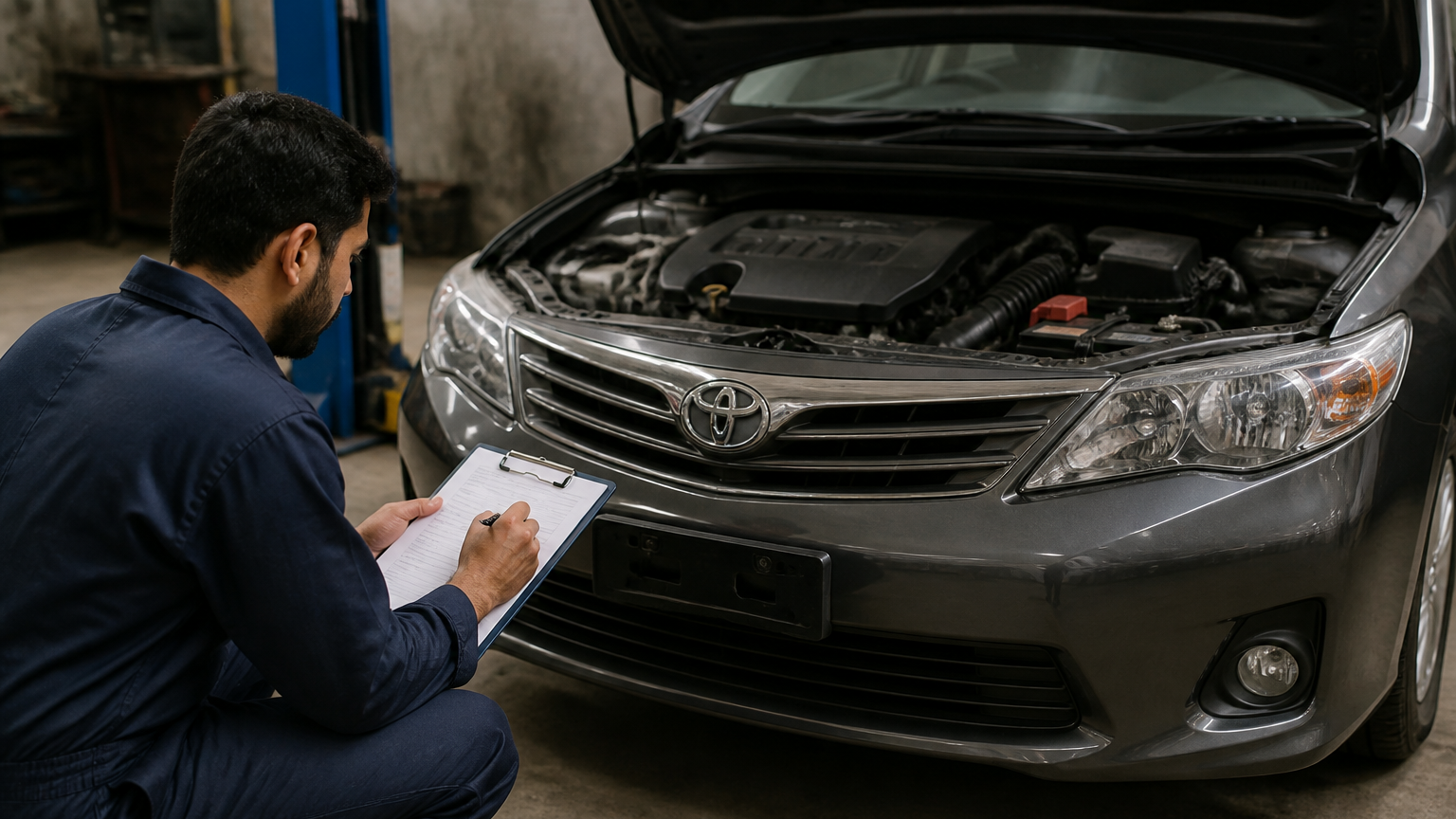
DrivePK Car Inspection Reports: Buy with Confidence
Buying a used car in Pakistan? A pre-purchase inspection can reveal hidden damage, engine issues and red flags before you pay—but it’s not enough alone.
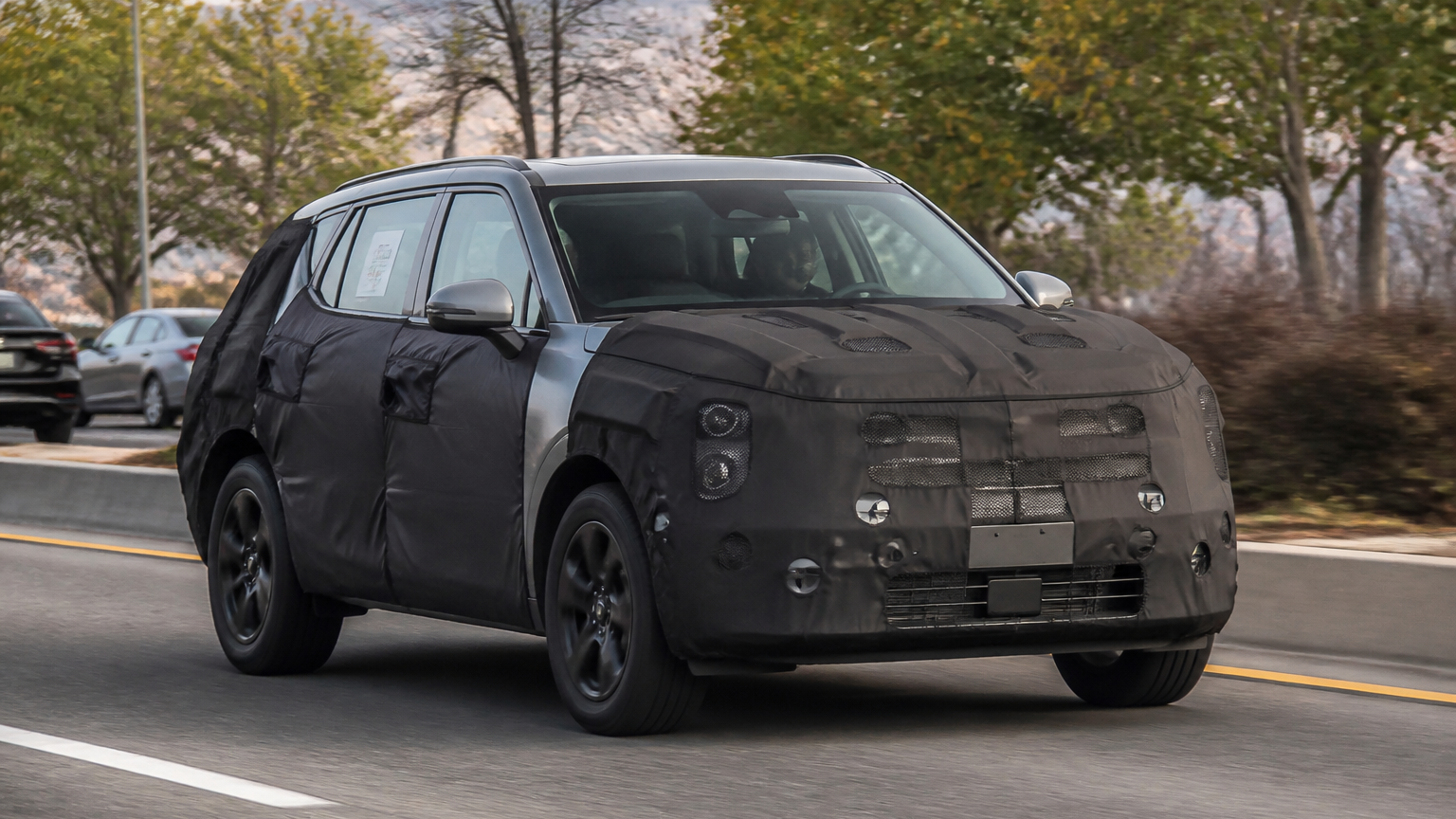
2028 Kia Sportage: Major Design Changes Spotted
Kia’s next Sportage may get a bolder, boxier redesign, with an upright profile, sharper lines, wider grille and split headlights hinted by spy shots.