Karachi Yellow Line BRT Cost Surges 190%: Revised Budget and What It Means
The Central Development Working Party approved a 190% cost hike for Karachi's Yellow Line BRT, now at Rs178.59 billion from Rs61.43 billion in 2019. Blame goes to delays and rising costs. It also cleared Rs 10.55 billion in schemes and sent four projects worth Rs256 billion to ECNEC.
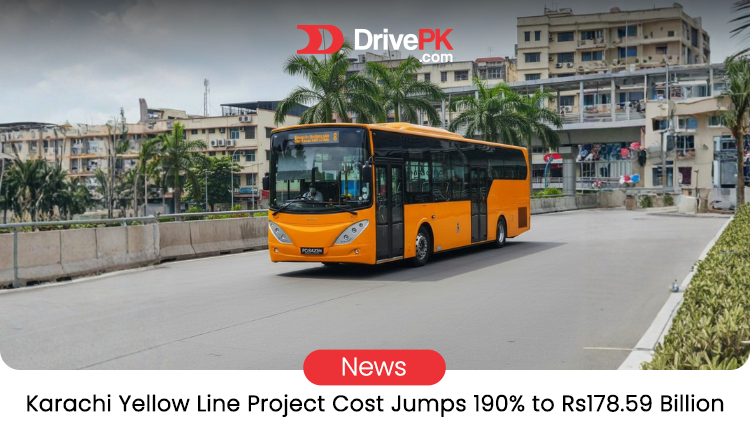
Table of Contents
- What Is the Yellow Line BRT?
- Timeline of the Project
- Reasons Behind the Cost Surge
- The Approved Budget Breakdown
- Other Projects in the Mix
- Impacts on Karachi Residents
- Challenges and Criticisms
- What's Next for Yellow Line
- Lessons for Future Projects
Karachi's traffic is a nightmare. Jams everywhere, buses packed. The Yellow Line BRT aims to fix some of that. But costs just shot up big time. The project now sits at Rs178.59 billion. That's a 190% jump from 2019's Rs61.43 billion.
The Central Development Working Party gave the nod recently. They also okayed other stuff worth Rs 10.55 billion. And sent four big projects, totalling Rs256 billion, to ECNEC for final say.
What Is the Yellow Line BRT?
It's a bus rapid transit system. Dedicated lanes for fast buses. The route starts at Dawood Chowrangi. Goes through the Korangi Industrial Area, over the Jam Sadiq Bridge, along the main Korangi Road. Ends at Saddar and Mazar-e-Quaid.
Think stops like Murtaza Chowrangi, Singer Chowrangi, Bilal Chowrangi, Vita Chowrangi, Chamra. It's meant to ease commutes in east Karachi.
Plans include electric buses only. Cleaner air, less noise. World Bank backs it, with loans of around USD 382 million originally. But costs climbed.
Timeline of the Project
Talks started years back. Conceptual design in the 2010s with ADB help. PC-I approved in 2019 at Rs61.43 billion.
Then delays hit. Land issues, design tweaks, COVID, maybe. By 2025, revised to Rs178.59 billion. CDWP cleared it on December 13.
Mayor Murtaza Wahab shared updates recently. Fresh timelines out. But similar projects like the Green Line saw costs double, too.
Reasons Behind the Cost Surge
Why so much more? Revisions first. Route changes, better stations. Delays add interest, contractor fees.
Inflation bites hard. Materials like steel, cement are up. The rupee weakened. Land acquisition costs rose.
Environmental stuff too. Drainage, pollution controls. And traffic growth means a bigger scope.
It's common in Pakistan. Infrastructure drags, prices climb.
The Approved Budget Breakdown
New total: Rs178.59 billion, or about $637.8 million. Covers civil works, buses, and systems.
World Bank loan helps. But locals pay through taxes.
Compared to the original, it's triple almost. Shows planning gaps.
Other Projects in the Mix
CDWP didn't stop there. Approved schemes at Rs 10.55 billion. Details scarce, but likely roads, water.
Four majors to ECNEC: Yellow Line one. Total Rs256 billion. Highlights inflation's toll on big works.
Impacts on Karachi Residents
Good side: Better transit. Less time stuck in traffic. Connects industrial areas to the city centre. Jobs during build.
But costs mean higher fares, maybe. Or budget cuts elsewhere.
Environment: Electric buses cut emissions. But construction dust, noise are short-term.
Economy: Boosts mobility, business. Karachi needs it badly.
Challenges and Criticisms
Delays frustrate. Six years, costs triple. Some call it poor management.
Inflation uncontrolled. Projects suffer.
And funding: Loans add debt.
What's Next for Yellow Line
ECNEC approval soon. Then tenders, build starts.
Timeline? The mayor says updates. Hope for a 2027 finish.
Watch for more hikes. Costs keep rising.
Lessons for Future Projects
Plan smarter. Factor in inflation from day one. Streamline approvals so momentum isn’t lost. Compared to a metro, BRT is far more cost-effective but only if execution matches intent. Karachi is expanding at a relentless pace, and without efficient mass transit, growth turns into gridlock. This surge exposes real challenges, yes, but it also presents a rare opportunity. Get it right, and BRT won’t just move people faster; it will unlock productivity, improve livability, and become a defining win for the city’s future.
For more updates, visit DrivePK.com
Tags
Share this article
About the Author

Najeeb Khan
Automotive enthusiast and writer
Comments (0)
Login Required
You need to be logged in to comment on this article.
No comments yet. Be the first to share your thoughts!
Related Articles
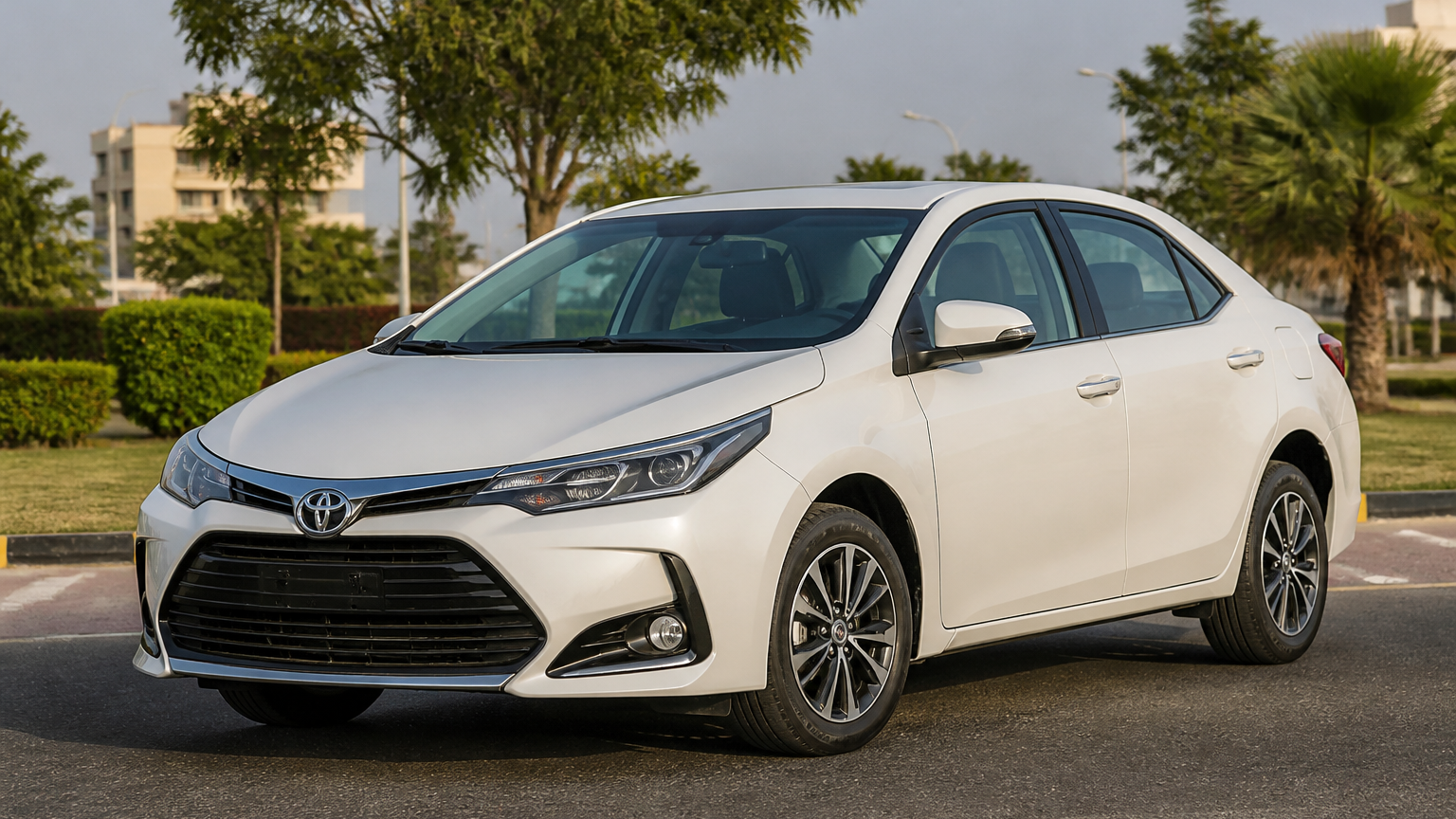
Toyota Corolla Discontinued Before Pakistan Facelift
Pakistan’s pre-facelift Toyota Corolla is reportedly discontinued, hinting at a facelift. Prices, bookings, specs and launch timing remain unconfirmed.
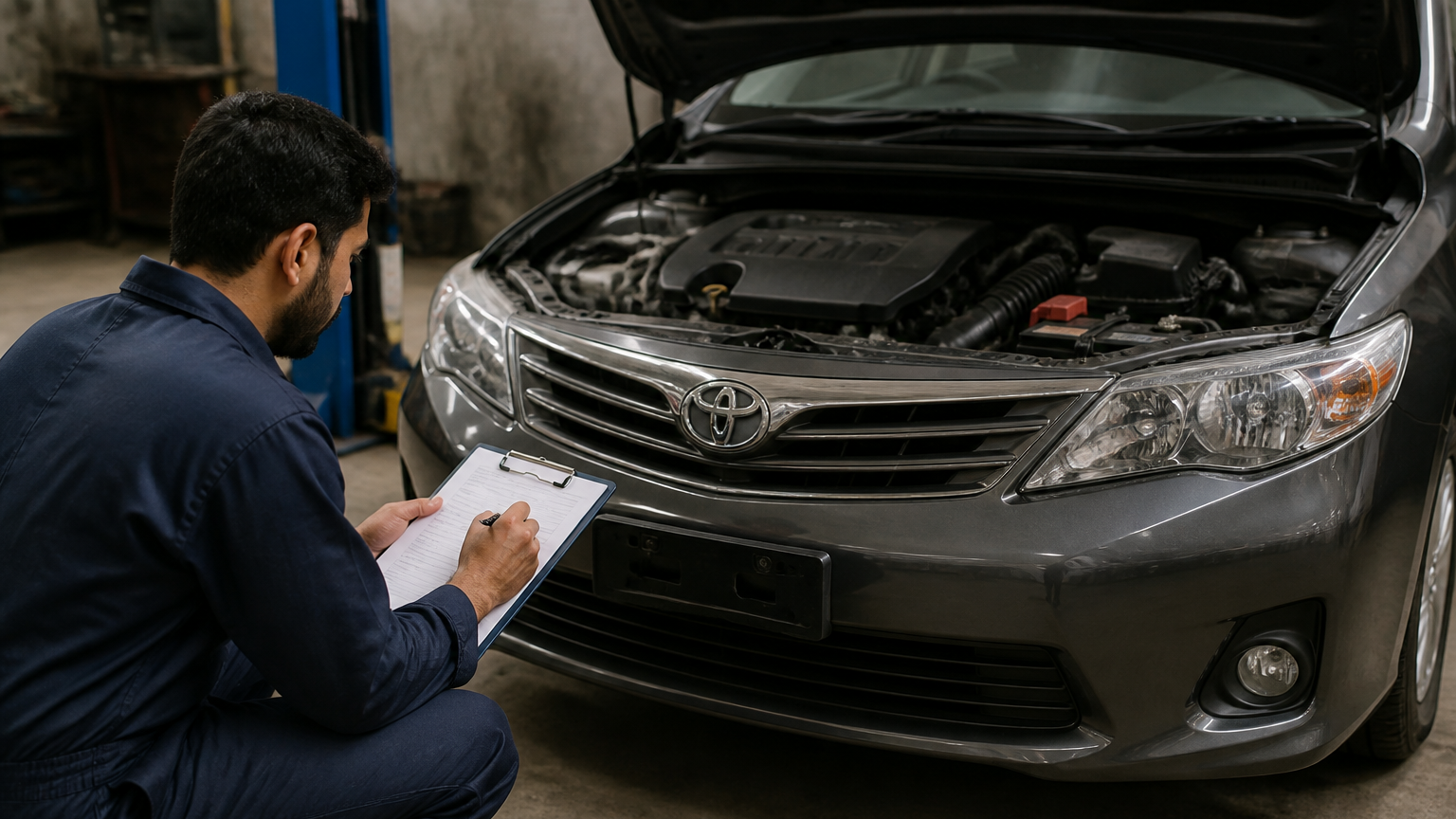
DrivePK Car Inspection Reports: Buy with Confidence
Buying a used car in Pakistan? A pre-purchase inspection can reveal hidden damage, engine issues and red flags before you pay—but it’s not enough alone.
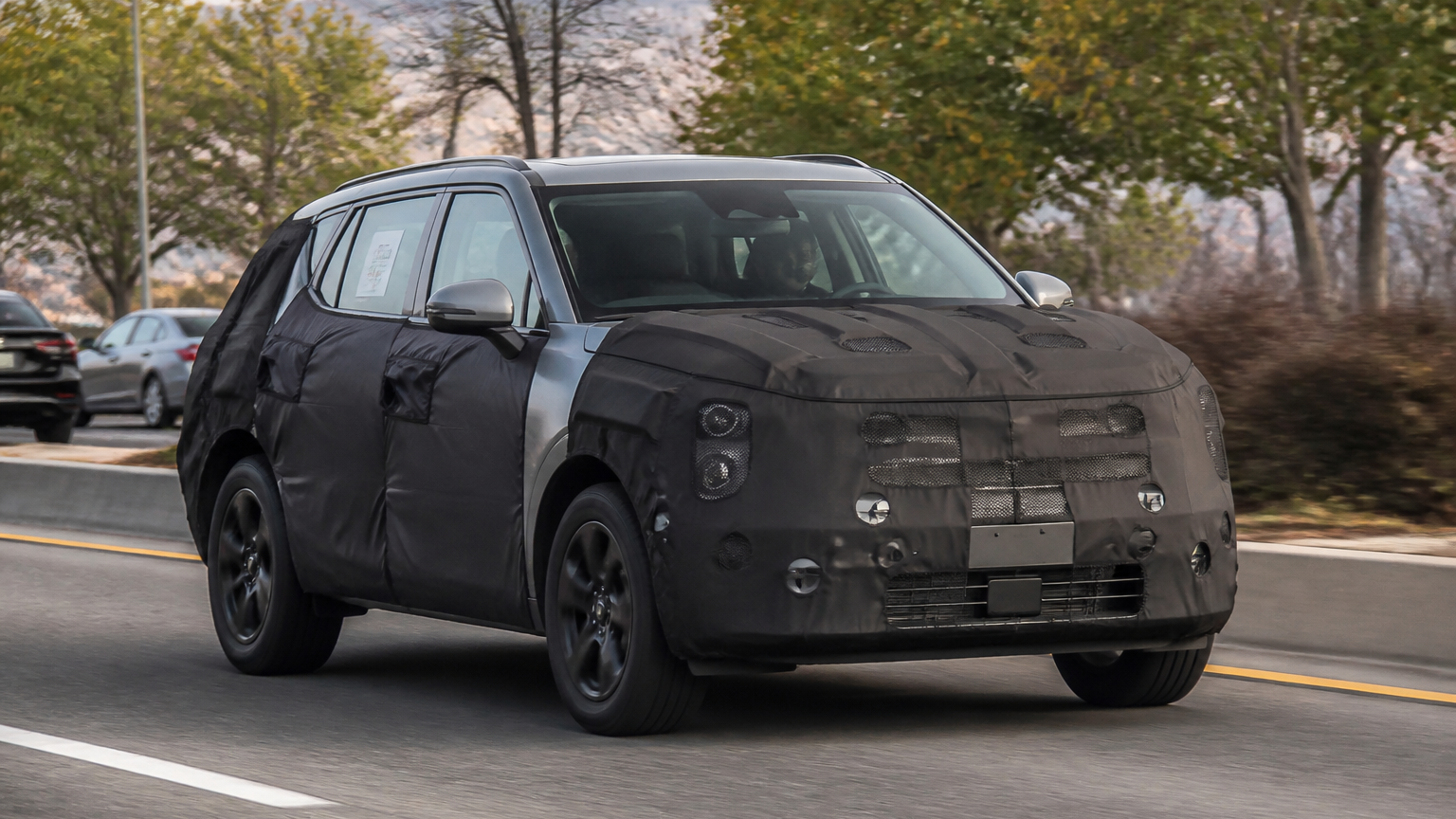
2028 Kia Sportage: Major Design Changes Spotted
Kia’s next Sportage may get a bolder, boxier redesign, with an upright profile, sharper lines, wider grille and split headlights hinted by spy shots.