Gujrat Left Waiting in Punjab’s Electric Bus Plan
Gujrat has been left out of Punjab’s Phase 2 e-bus rollout, with just 28 buses slated for late 2025 and proposed links to Lalamusa, Jalalpur Jattan, Mungowal, and Daulat Nagar.
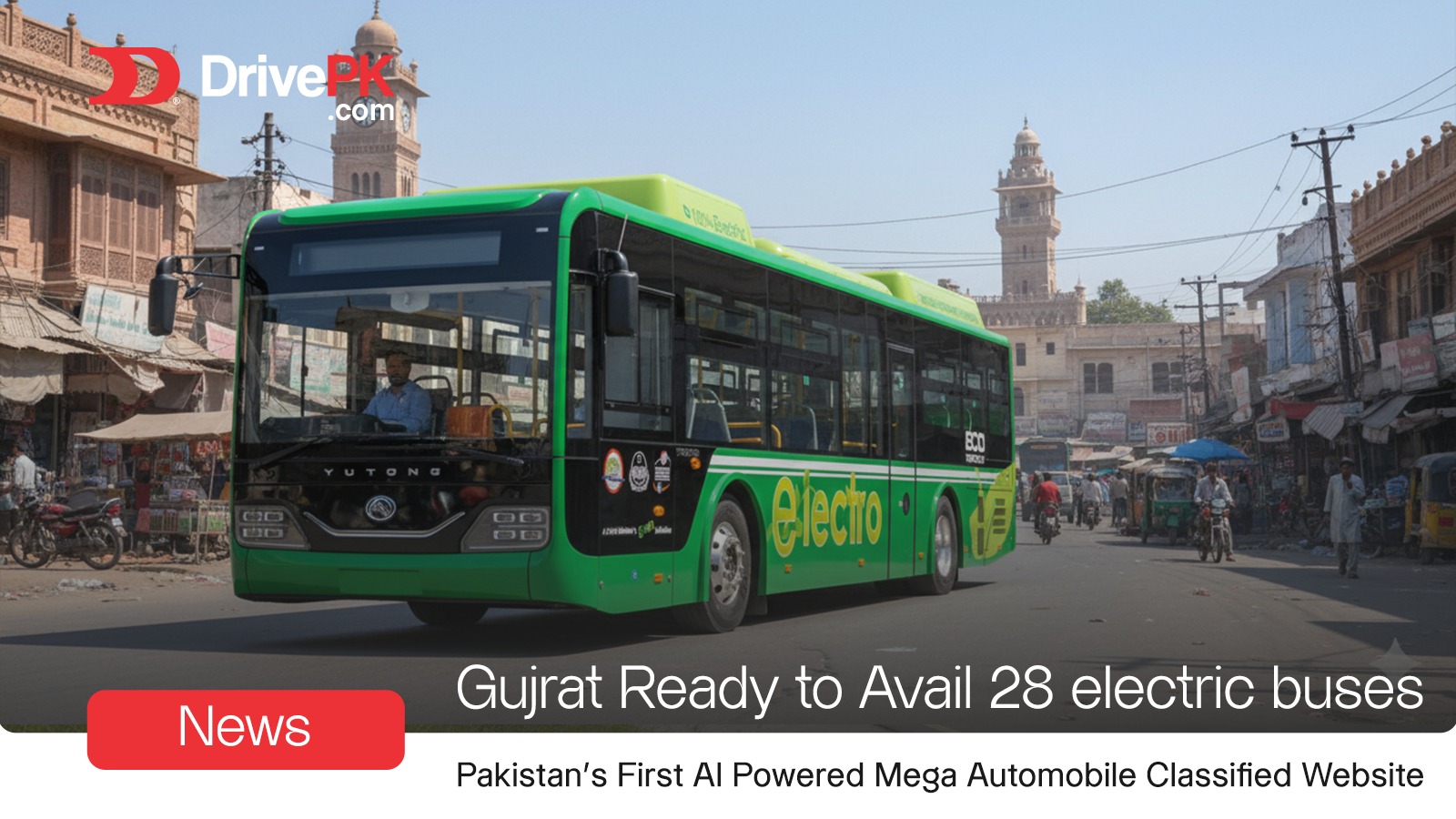
Table of Contents
- Proposed Routes but Delayed Promise
- Billions Spent, But Uneven Distribution
- Gujranwala Moves Ahead, Gujrat Left Behind
- What’s Causing the Delay?
- A Future Worth Waiting For But Not Easy
- Bottom Line
Gujrat might have to keep waiting while other cities in Punjab hop on to the electric bus project. The second phase of the plan is rolling out across nine cities, but Gujarat’s not on the list just yet. Instead, the city’s been told to expect its share, about 28 buses—towards the end of 2025. That’s the word for now.
Proposed Routes but Delayed Promise
So what’s actually in the pipeline? Officials say the proposed routes will stretch from Gujrat to Lalamusa, Jalalpur Jattan, Mungowal, and even Daulat Nagar. Sounds promising, but again it’s all sitting under the “eventually” tag. People here have been pressing for quicker action, especially since Gujranwala and Wazirabad are already seeing the buses on their roads.
Billions Spent, But Uneven Distribution
The overall project isn’t small by any means. The Punjab Transport Department has mapped out 206 buses for the Gujranwala Gujrat region, with a massive budget attached: about Rs. 7.5 billion just for charging stations and another Rs. 8.5 billion for the buses themselves. Out of that pool, Gujranwala takes the biggest chunk with 88 buses. Sialkot gets 45. Gujarat’s slice is 28. The rest are spread thin 16 for Hafizabad, 12 for Mandi Bahauddin, and just 7 each for Narowal and Wazirabad.
Gujranwala Moves Ahead, Gujrat Left Behind
If you look at the math, Gujranwala clearly leads the show. And maybe that makes sense bigger population, higher traffic. But still, Gujarat’s commuters feel left hanging. Imagine standing in long lines for the old diesel wagons while knowing that just a city over, people are already boarding cleaner, quieter electric buses. Frustrating, right?
What’s Causing the Delay?
Some argue the delay is because infrastructure like charging stations needs more time in Gujarat. Others quietly hint that politics could be playing its usual part. Hard to say for sure. What’s clear is that by December 2025, Gujarat’s residents are hoping those green buses will finally start running.
A Future Worth Waiting For But Not Easy
Anyway, if all goes according to plan, the city will at least be connected to its nearby towns through the new routes, which could change daily commuting in a big way. For now, though, it’s all about waiting and watching other cities get the head start.
Bottom Line
In short: Gujarat’s not getting electric buses anytime soon. The city’s turn comes late 2025, with 28 buses promised. Till then, it’s patience, old buses, and maybe a little envy of the neighbors.
Tags
Share this article
About the Author

Najeeb Khan
Automotive enthusiast and writer
Comments (0)
Login Required
You need to be logged in to comment on this article.
No comments yet. Be the first to share your thoughts!
Related Articles
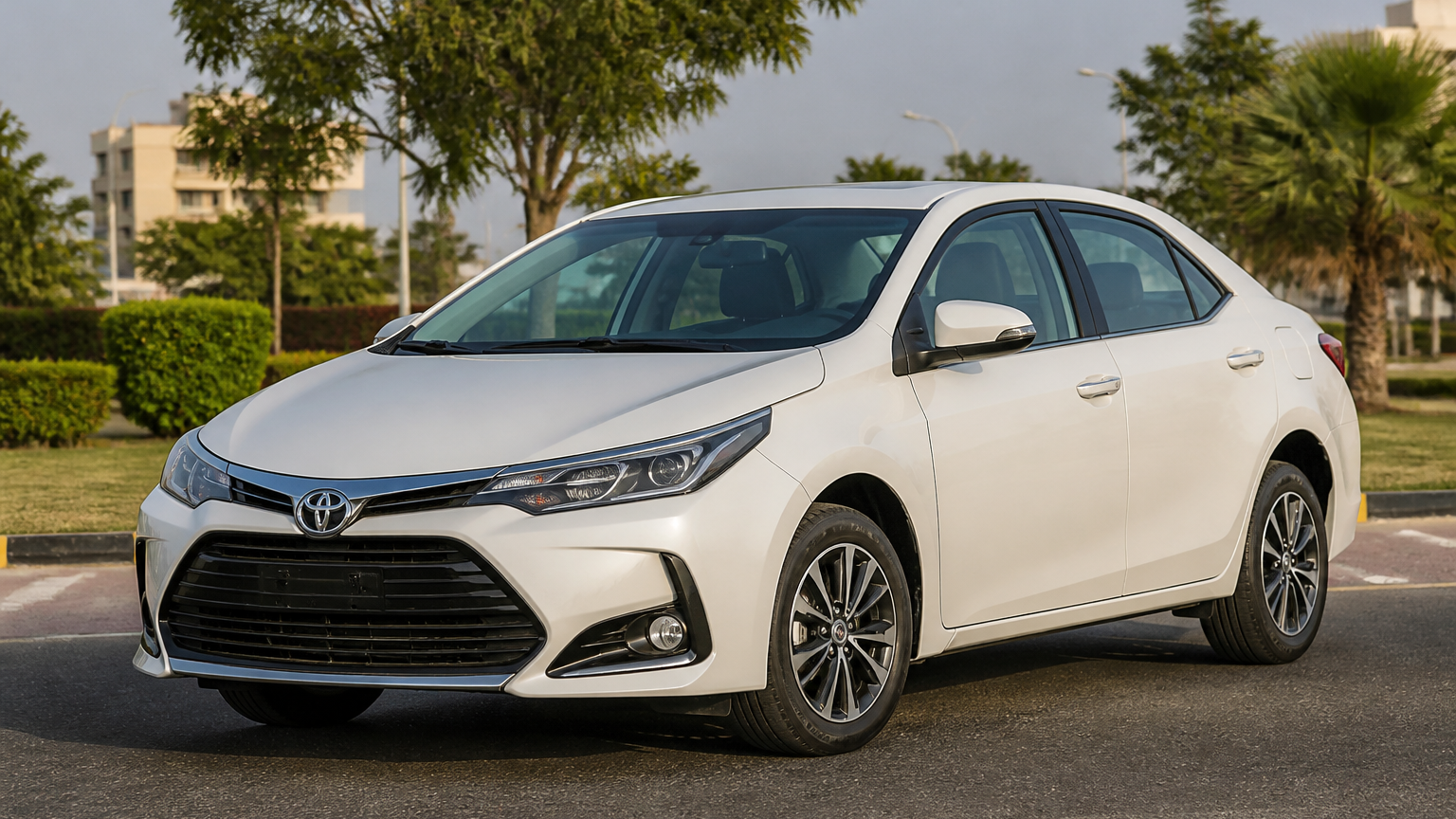
Toyota Corolla Discontinued Before Pakistan Facelift
Pakistan’s pre-facelift Toyota Corolla is reportedly discontinued, hinting at a facelift. Prices, bookings, specs and launch timing remain unconfirmed.
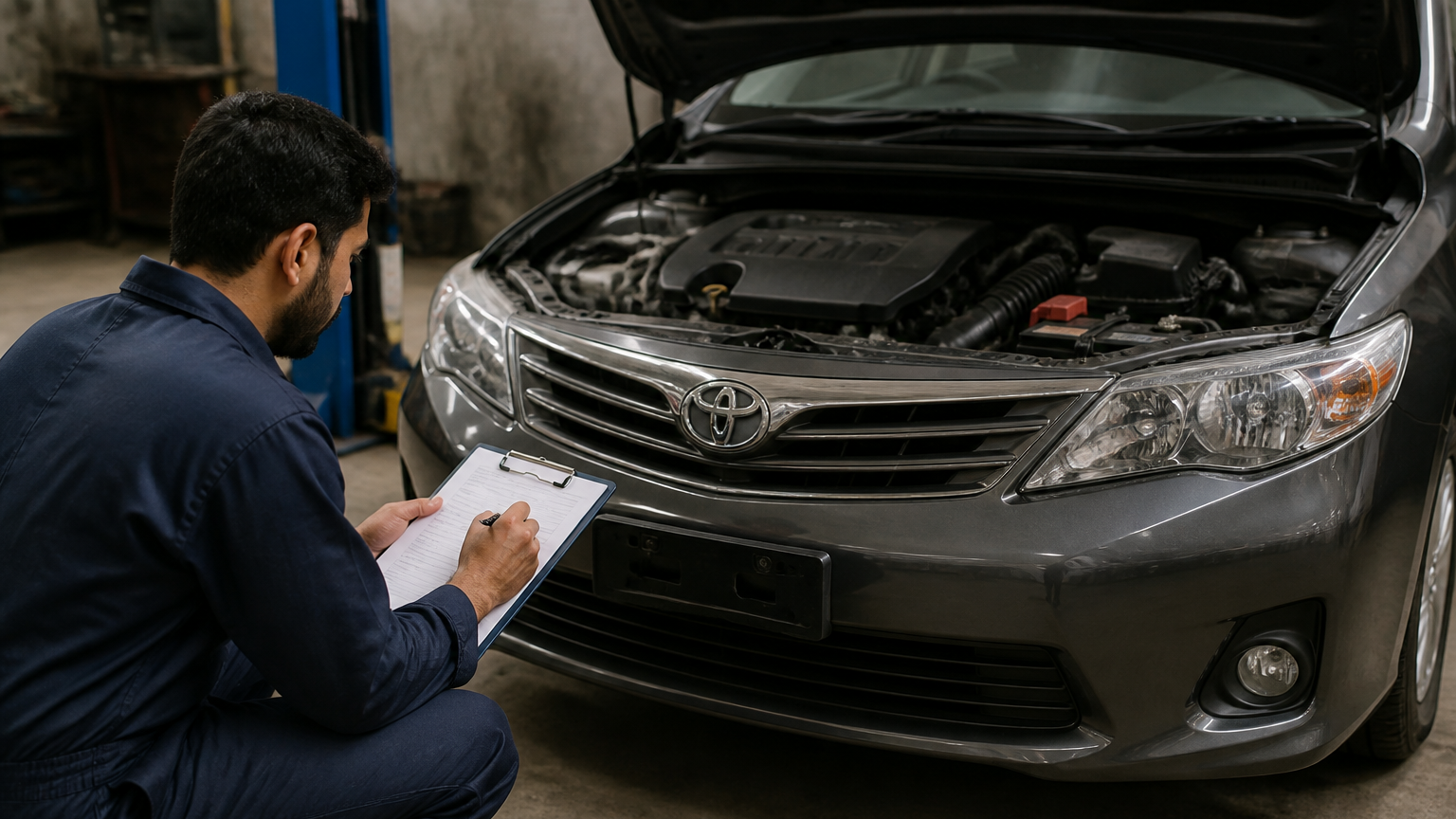
DrivePK Car Inspection Reports: Buy with Confidence
Buying a used car in Pakistan? A pre-purchase inspection can reveal hidden damage, engine issues and red flags before you pay—but it’s not enough alone.
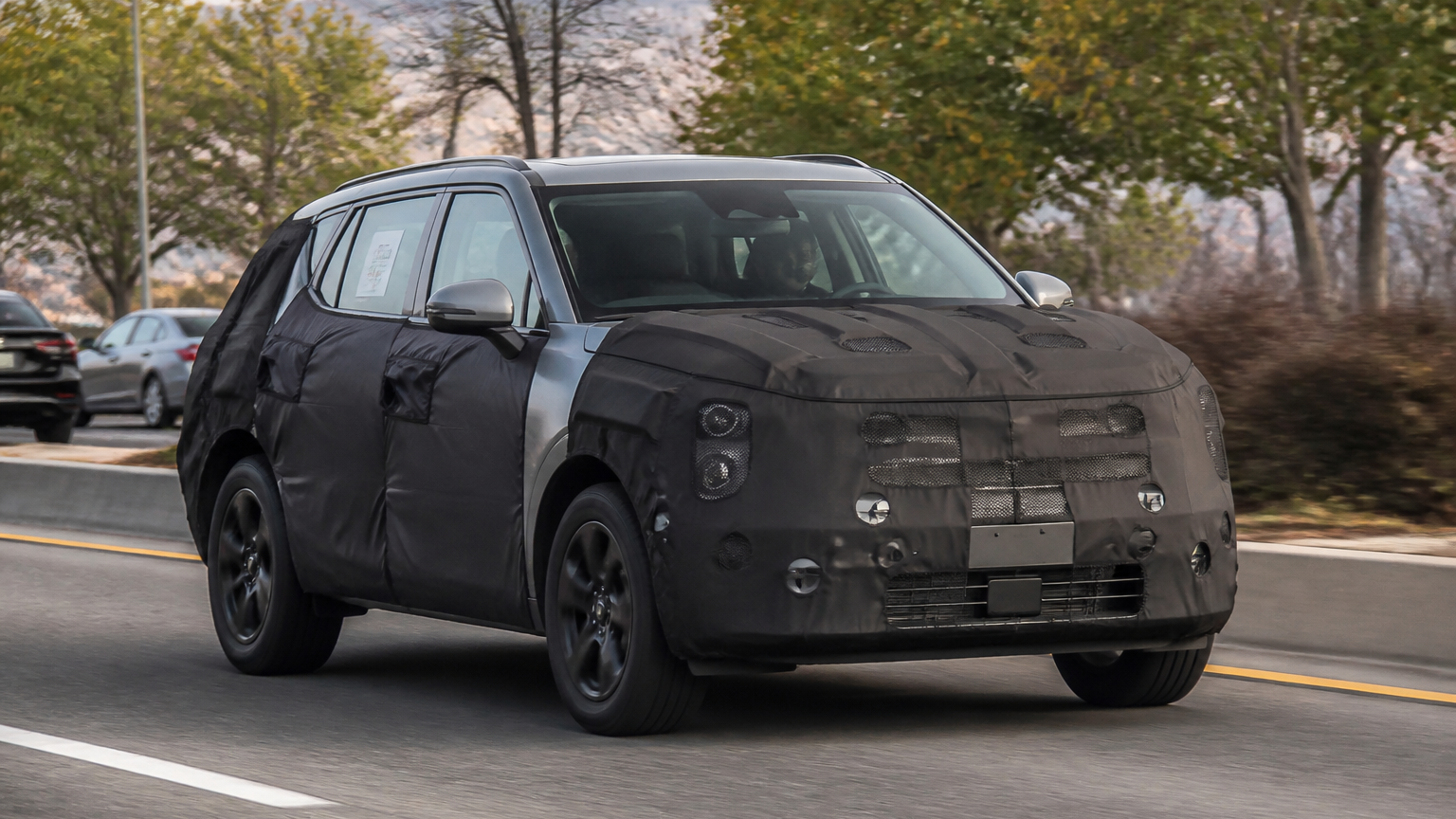
2028 Kia Sportage: Major Design Changes Spotted
Kia’s next Sportage may get a bolder, boxier redesign, with an upright profile, sharper lines, wider grille and split headlights hinted by spy shots.