How to Buy a Hybrid and Electric Car in 2026! PGEE is Your Perfect Guide
Not sure whether to buy a hybrid, PHEV, or full electric car? This guide breaks it all down in plain language: motor types, smart features, things to skip, and what to check before you sign anything.
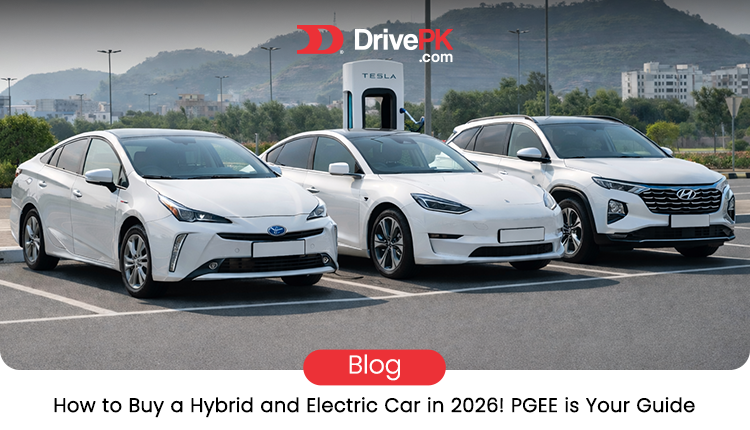
Table of Contents
- What’s the Difference Between a Hybrid, PHEV, and EV?
- Hybrid Cars The Easy First Step
- Plug-In Hybrid Cars (PHEVs) Best of Both Worlds
- Full Electric Cars (EVs) All-In on Electric
- What Size Car Do You Really Need?
- Compact SUVs: The Most Popular Choice
- Hatchbacks Often the Smarter Pick
- Big Family? Go for Large SUVs
- Safety Features That Are Actually Worth It
- Automatic Emergency Braking
- Front and Rear Cross Traffic Alert
- Lane Keep Assist
- Extra Features That Make Daily Driving Better
- Adaptive Cruise Control
- 360° Camera
- Head-Up Display
- Apple CarPlay or Android Auto
- Features You Can Totally Skip
- Seven Seats You’ll Never Use
- All-Wheel Drive in the City
- Rear Seat Screens
- Gesture Control
- Two Important Checks Before You Buy
- Here’s the Simple Rule
- Why PGEE Makes This Even Easier
Buying a new car already feels scary. Now throw in hybrids, plug-in hybrids, and full electric cars, and your head starts to spin! Salespeople use big words, ads make every car sound perfect, and you just want the truth.
Drivepk is here to help. This guide is written like we’re chatting over coffee. No fancy talk. Just simple facts about the different motor types, the safety stuff that really matters, and what’s worth your money (and what you can skip). Let’s make your 2026 car decision easy and smart.
What’s the Difference Between a Hybrid, PHEV, and EV?
First, let’s clear up the three main types. They look the same from the outside, but inside they work very differently.
Hybrid Cars The Easy First Step
A hybrid has a normal petrol engine plus a small electric motor. The electric part helps in slow traffic and when you stop and start. Once you go faster than about 50 km/h, the petrol engine does most of the work.
Best part? You never plug it in. Just fill up with petrol like always. The car does the smart switching by itself. You get better fuel savings without changing your habits. Perfect if you’re not ready for big changes.
Plug-In Hybrid Cars (PHEVs) Best of Both Worlds
These are like hybrids but with a bigger battery and a stronger electric motor. Some can drive more than 90 km on electricity alone! You charge at home overnight, and for short daily trips, you might never use petrol at all.
But they still have a full petrol engine, so you still need regular servicing like any petrol car. Great for people who drive short distances most days but want petrol ready for long trips. If your commute is under 60 km, a PHEV can save you a lot of money.
Full Electric Cars (EVs) All-In on Electric
EVs run only on battery power, no petrol at all. Fewer parts mean less fixing and no oil changes. Super quiet and cheap to run.
The two big things to think about: the distance you can go on one charge is usually less than a petrol car on one tank. And charging takes longer, even fast chargers need 20 to 40 minutes.
If you have a charger at home and mostly drive around town, an EV feels easy and fun. If you drive long distances a lot and can’t charge easily, think twice.
What Size Car Do You Really Need?
Don’t just pick by looks. Size changes everything. Too big and you waste money. Too small and you’ll feel crowded.
Compact SUVs: The Most Popular Choice
Right now, compact SUVs are the top pick for hybrids and EVs. They’re not huge, so parking is easy. You sit higher, see better, and get in and out without bending much. They also keep their value when you sell later.
But they cost more than a hatchback with the same inside space. If money is tight, a hatchback can be just as good.
Hatchbacks Often the Smarter Pick
A hybrid hatchback gives you plenty of room for less money. If it’s mostly you or you plus one other person, this saves cash on buying, insurance, and value loss.
Big Family? Go for Large SUVs
If you carry four or more people often, you need a bigger hybrid or EV SUV. Trying to fit everyone in a small one gets uncomfortable fast. For families, bigger isn’t fancy – it’s just practical.
Safety Features That Are Actually Worth It
Safety comes first – always. Basic airbags and stability controls are in every new car now. But these newer ones can really stop crashes before they happen.
Automatic Emergency Braking
The car watches the gap to the car in front. If you get too close too fast, it brakes by itself even if you’re distracted. It has saved real lives.
Front and Rear Cross Traffic Alert
Super helpful in busy car parks. When you back up or pull out, it checks both sides and beeps if something is coming. You get a warning before you can even see it.
Lane Keep Assist
It watches the white lines and gently steers you back if you drift. Great for long highway drives to stop you getting tired.
But test it! Some systems feel smooth, others feel pushy. If it annoys you in the test drive, you’ll hate it every day.
Extra Features That Make Daily Driving Better
Adaptive Cruise Control
A normal cruise just holds one speed. This one watches the car ahead and slows down or speeds up with traffic. Newer ones even stop completely in traffic jams and then start again. It feels like magic on long drives.
360° Camera
Better than parking sensors. Cameras all around give you a bird’s-eye view on the screen, so you see exactly where your car is. Parking in tight spots gets way less stressful. (Tip: fold your side mirrors when parking; they cost more to fix if broken.)
Head-Up Display
It shows your speed and directions right on the windscreen. You keep your eyes on the road instead of looking down. Just test it on a sunny day; some are hard to see with sunglasses.
Apple CarPlay or Android Auto
These let you use your phone’s maps, music, and messages on the big screen. Wireless ones connect automatically and stay in your bag. Super handy if you spend time in the car.
Features You Can Totally Skip
Seven Seats You’ll Never Use
If the back row stays folded most of the year, you paid extra for nothing. It also makes the boot smaller. Be honest with yourself.
All-Wheel Drive in the City
It costs more and uses a bit more energy. If you never drive on rough roads, snow, or mud, you don’t need it.
Rear Seat Screens
Expensive to add and even more expensive to repair. A cheap tablet does the same job.
Gesture Control
Wave your hand to change volume? Sounds cool, but it’s awkward, and most people try it once then ignore it. Not worth the extra money.
Two Important Checks Before You Buy
- Get an insurance quote first. Newer hybrids and EVs can cost way more to insure than you expect. Do this before you fall in love with a car.
- Think about how fast the car loses value. Normal brands hold value better than luxury ones. Sometimes buying a 1- or 2-year-old car saves you a lot while still giving you almost all the good features.
Here’s the Simple Rule
- Want to go greener without changing how you fill up? Pick a regular hybrid.
- Short daily drives, but need petrol for long trips? Pick a PHEV.
- Have home charging and mostly drive locally? Pick a full EV.
The best car isn’t the most expensive or the flashiest. It’s the one that fits your real life.
Take a test drive. Check insurance. Think about value loss. And never let a salesperson push you into extras you’ll never use.
Why PGEE Makes This Even Easier
That’s exactly why Pakistan Global Evee Expo exists. PGEE is all about helping regular people like you make smarter, happier car choices. They break down the real differences between brands, Toyota, BYD, Tesla, MG and more. They work hand-in-hand with government teams on EV rules, road safety, and money-saving green incentives.
Whether this is your first hybrid or you’re jumping all the way to a full electric car, PGEE keeps you informed and confident.
Make sure you’re there on 2–3 May 2026 at the Pakistan-China Friendship Centre in Islamabad. Come meet the experts, see the cars up close, and get answers to all your questions.
See you there, let’s make your next car the right one! For more updates, visit DrivePK.com
Tags
Share this article
About the Author

Najeeb Khan
Automotive enthusiast and writer
Comments (0)
Login Required
You need to be logged in to comment on this article.
No comments yet. Be the first to share your thoughts!
Related Articles

Jhang Desert Rally 2026 Set for October 16–18
Jhang may host its first desert rally and cultural festival Oct 16–18, 2026, featuring a 95km Thal Desert course and 100 racers.
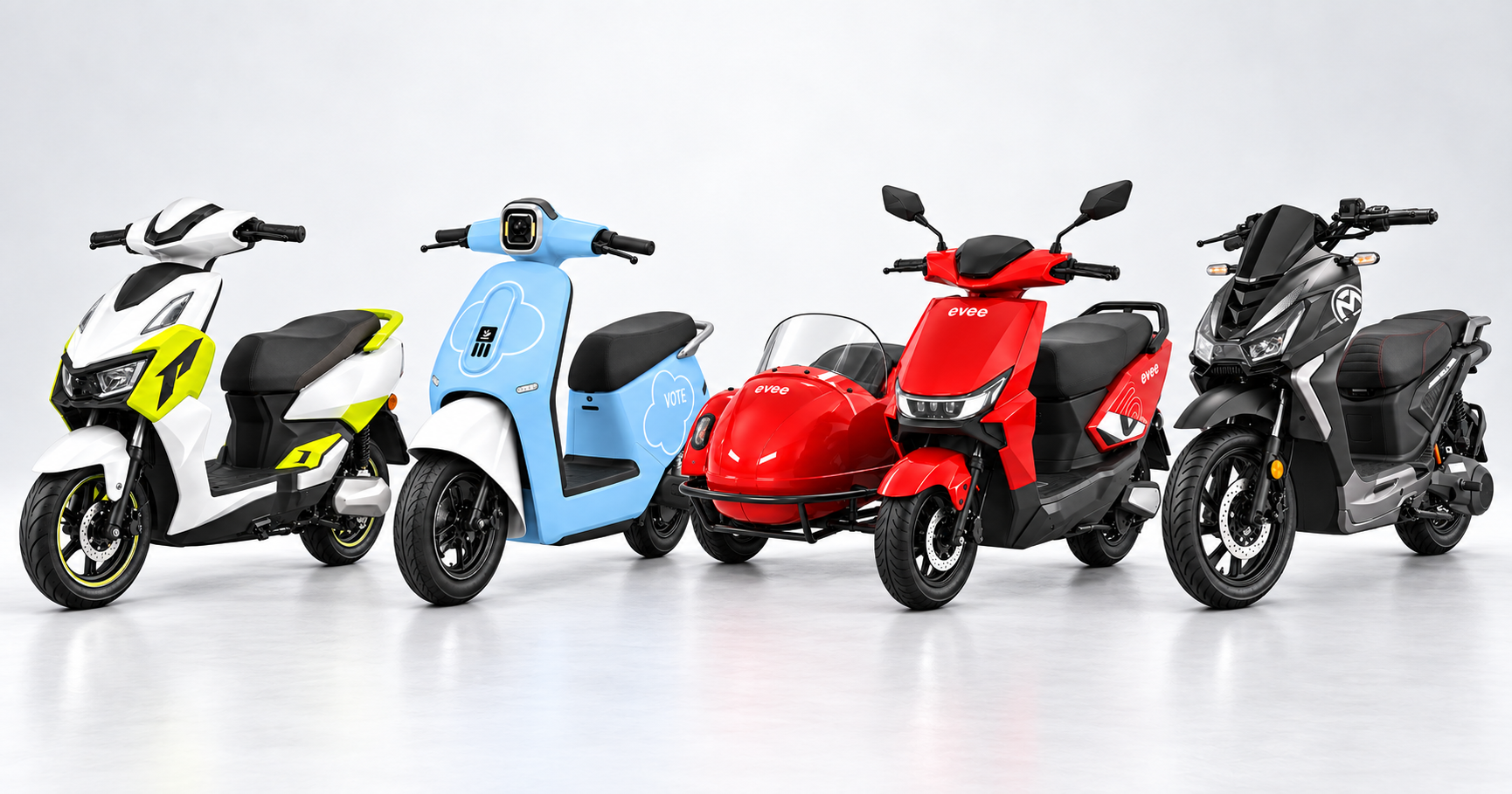
New Electric Scooters at PAPS 2026: Prices, Range & Specs
PAPS 2026 brought 14 new electric scooters from OKLA and EcoDost, with prices from Rs 199,000 to Rs 699,000. This guide lists every model with motor, battery, speed and claimed range, then shows what real riders should expect, what running costs look like and what to check before you book.
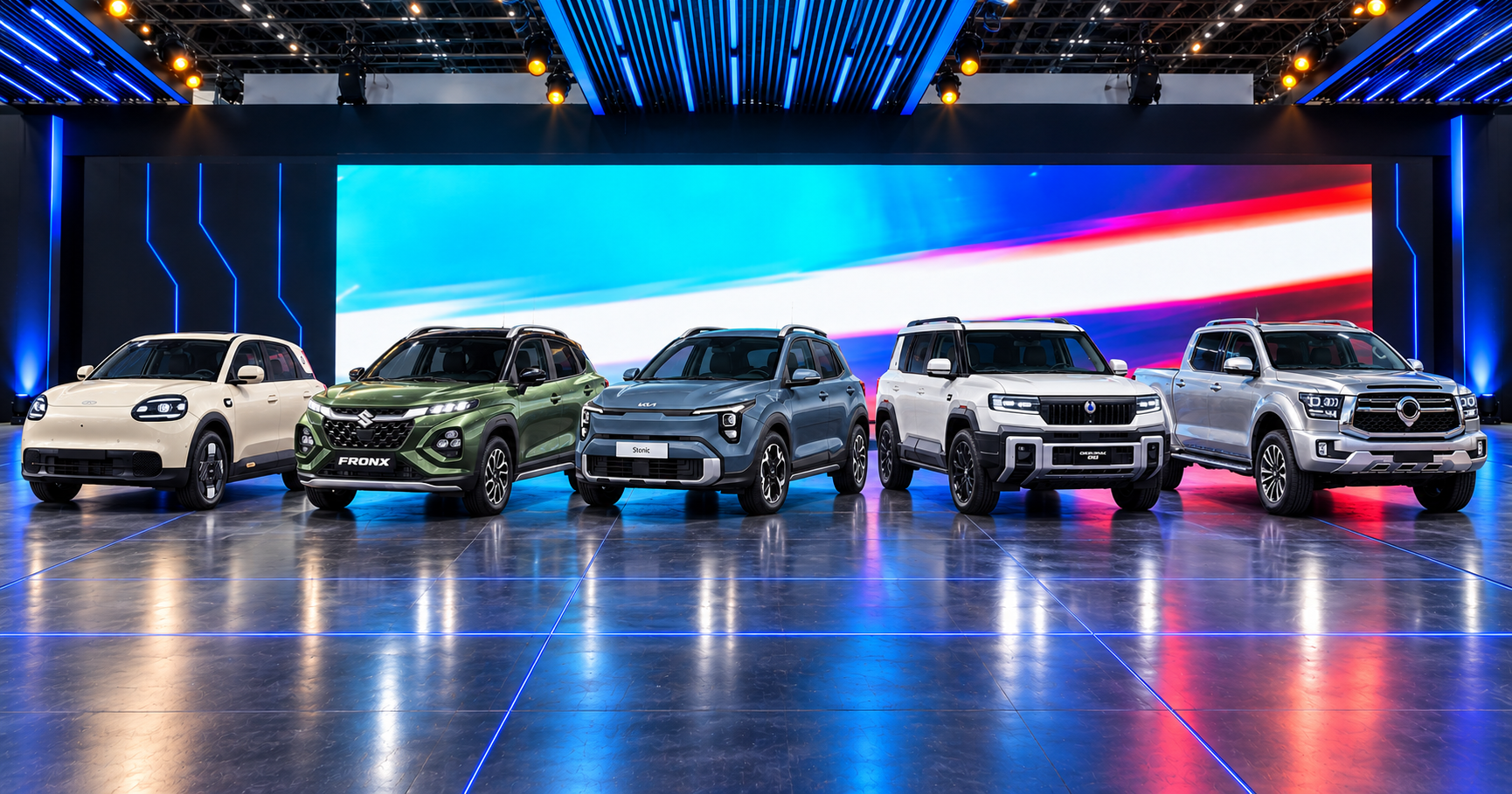
PAPS 2026: New Vehicle Launches & Reveals at Pakistan Auto Show
PAPS 2026 in Lahore brought new car reveals from Chery, Suzuki, Haval, Kia, Hyundai, Jaecoo, BYD and GWM. Here's every model shown, with confirmed prices where available and full specs for the rest.