Hybrid & EV Inspection Checklist for Pakistan
Buying a used hybrid or EV in Pakistan? A clean look can hide costly battery, inverter and wiring faults—know the checks before you pay.
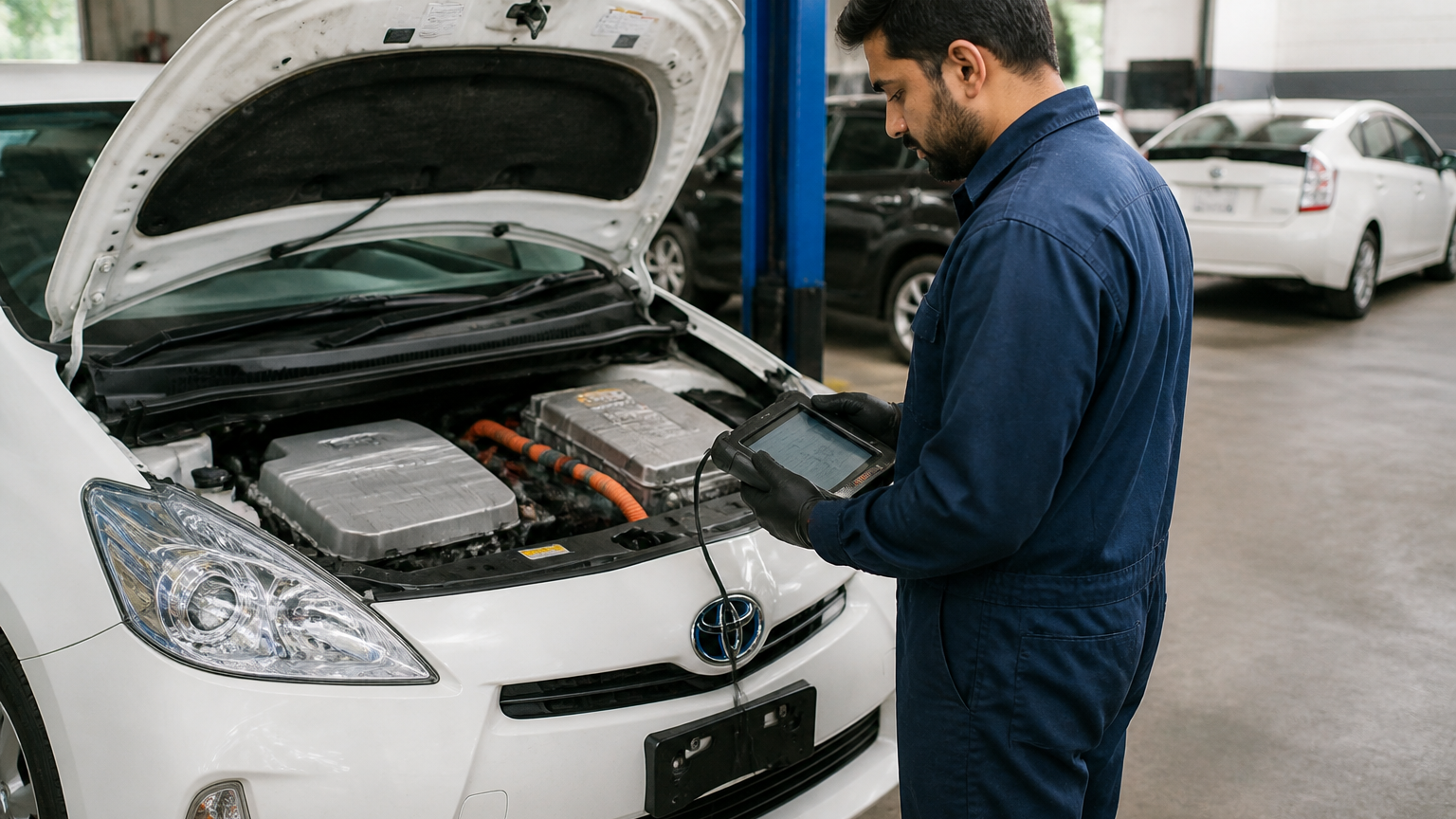
A used Toyota Aqua, Prius, or imported EV can look clean, start quietly, and show no warning lights. That does not mean it is safe to buy. A petrol-car inspection is still needed, but hybrid and electric vehicles bring costly parts that ordinary checks can miss, especially the battery, inverter, motor, charging system, and high-voltage wiring.
For Pakistani buyers, that matters even more because heat, dust, patchy repair work, and limited specialist workshops can turn a bargain into a big repair bill.
Why a normal inspection is not enough
A conventional car mainly needs checks for the engine, transmission, suspension, brakes, and body. A hybrid or EV still needs all of that, but it also needs a look at the electrified powertrain.
That means checking the traction battery, electric motor, inverter, battery cooling setup, charging port, and low-voltage system. In plug-in hybrids and full EVs, charging equipment also becomes part of the inspection. For background, read our earlier coverage: Top Electric Vehicle Companies in Pakistan.
If you want a basic primer on how EVs work, see What Are Electric Vehicles and How Do They Work?.
The six checks that can save you money
1) Battery health
A full battery charge does not mean the battery is healthy. A diagnostic scan should check state of health, module voltage balance, battery temperature, estimated capacity, and stored fault codes.
State of charge only shows how full the battery is right now. State of health shows how much capacity it can still hold compared with when it was newer.
2) Battery cooling
Pakistan’s summer heat makes this one important. Some hybrids and EVs use fans, vents, and filters. Others use liquid cooling with pumps and coolant circuits. Dust, blockages, leaks, and overheating signs should all be checked.
3) Motor, inverter, and high-voltage parts
Weak acceleration, strange drivetrain noise, power limits, or electrical warning lights can point to a problem here. Visible damage or signs of undocumented repairs should also raise concern.
Buyers should not open or touch high-voltage parts themselves. Only trained technicians should handle them.
4) Charging system
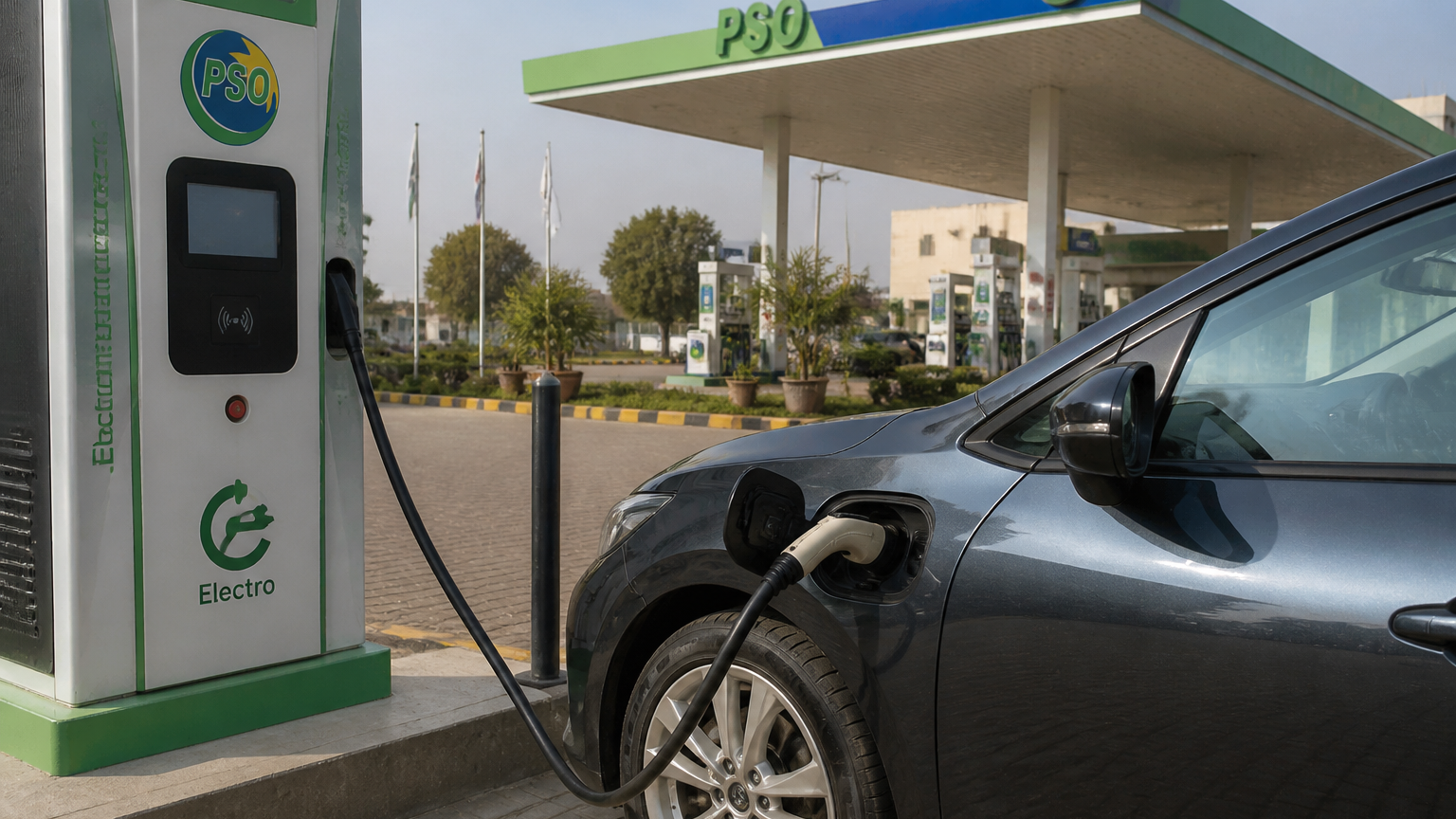
Check the charging port, cable, and connector for damage or corrosion. If the car supports both AC and DC charging, test both separately. A car that charges at home may still have trouble with fast charging.
Imported EVs may use different connector types such as Type 2, CCS, CHAdeMO, or GB/T, so compatibility with local charging setups must be confirmed.
5) Regenerative and friction brakes
Hybrid and electric cars often use regenerative braking, which can reduce pad wear. But discs can still corrode if the friction brakes are used less often. Check pads, discs, calipers, brake fluid, and braking feel on the road.
6) 12-volt battery
Even EVs rely on a small 12-volt battery for control units, accessories, and startup functions. A weak one can cause warning lights or startup trouble even when the main battery is fine.
Hybrids still need engine checks
Many buyers focus only on the battery and forget the petrol engine. That is a mistake. A Toyota Aqua, Prius, or similar hybrid still needs checks for oil, coolant, leaks, unusual noise, and service history.
Model knowledge matters too. A Honda Vezel Hybrid uses a different transmission setup from a Toyota Aqua, so a workshop should know the exact car before judging its condition.
Ask for proof, not just a seller’s claim
If the seller says the battery was replaced, ask whether the whole pack was changed or only some modules. Ask for an invoice, warranty details, and a recent diagnostic report.
You should also request battery repair records, maintenance history, accident-repair papers, recall or service-campaign records, and original charging equipment documents.
For Japanese imports like the Aqua and Prius, auction-sheet checks can help, but they only show the car’s condition before export, not how it was treated after landing in Pakistan.
Watch for flood or underbody damage
Damage near the battery enclosure, repairs near mounting points, corrosion, water marks, or broken connectors need specialist inspection. If flood exposure is suspected, do not charge or buy the car until a qualified workshop has checked it.
What to do before final payment
The safest move is simple: get a full conventional inspection plus an electrified-powertrain scan from a workshop that understands hybrids and EVs.
If the battery health is unclear, charging does not work properly, flood damage is suspected, or repair history cannot be verified, walk away or renegotiate. In some cases, a simpler petrol car may be the better choice if charging access or qualified support is not available in your city.
Used hybrids and EVs can be good buys in Pakistan. But only if the buyer checks what is hidden under the quiet engine and clean paint.
Explore DrivePK services
Considering a used car? Explore DrivePK Car Inspection to assess its condition before deciding. Review service coverage and booking details first.
For more updates, visit DrivePK.com
Share this article
About the author

Dr Khan
Automotive expert and content strategist

Comments (0)
Sign in required
Sign in to comment on this article.
No comments yet. Be the first to share your thoughts!