Hyundai Ioniq V Revealed in China: Sleek 4.9m EV Sedan with 600km+ Range and 27-Inch Screen
Hyundai just showed the near-production Ioniq V in China. This 4.9-metre electric sedan brings a sleek fastback look, massive 27-inch screen, and over 600km range. Built for the tough Chinese market, it mixes style, space, and smart tech. Here’s what we know so far.
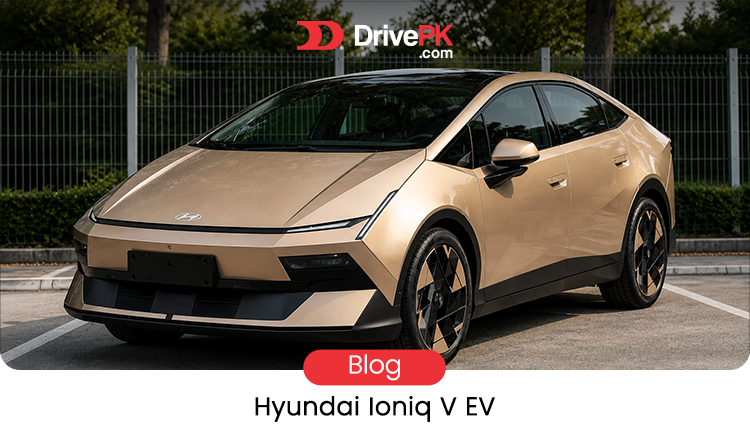
Table of Contents
- Size and Exterior Design
- Inside the Cabin: Big Screens and Comfort
- Power, Range, and Charging
- Tech and Safety Features
- How It Fits Hyundai’s China Strategy
- Who Might Buy the Ioniq V?
- Challenges in This Market
- What This Means for Buyers
- Final Thoughts
China sells more electric cars than anywhere else. Local brands move fast with new models and aggressive pricing. Foreign companies often struggle to keep up. Hyundai now steps up with the Ioniq V.
This mid-size sedan appeared at Auto China 2026 in April. It marks the first dedicated Ioniq model made specifically for Chinese buyers. Hyundai aims to rebuild its presence there with fresh ideas and local partnerships.
Size and Exterior Design
The Ioniq V measures 4.9 metres long with a 2.9-metre wheelbase. That gives it a stretched, confident stance. Width sits at 1.89 metres and height around 1.47 metres. These dimensions place it squarely in the popular mid-size segment.
It follows a sleek fastback shape. Smooth lines help cut through the air. You get frameless doors, hidden door handles, and a full-width rear light bar. These details make the car look modern and clean. Aerodynamics matter here because better airflow means better range and efficiency.
The design draws from the earlier Venus concept. Production version keeps that futuristic feel but adds practical touches for real roads.
Inside the Cabin: Big Screens and Comfort
Step inside and the 27-inch 4K dual-screen setup grabs attention. It stretches across the dashboard for a wide, immersive view. A head-up display adds important information without pulling your eyes off the road.
The system runs on Qualcomm’s Snapdragon 8295 chip. This powers smooth graphics, fast responses, and smart voice controls. Hyundai added AI features for easier daily use. You can adjust climate, navigation, or media with natural speech.
Space feels generous thanks to the long wheelbase. Front legroom reaches 1,078 mm while rear offers 1,019 mm. That gives adults decent room in the back. Materials look premium, and the flat floor (typical of EVs) helps movement inside.
Power, Range, and Charging
Hyundai built the Ioniq V on an 800V architecture. This setup allows faster charging compared to many 400V rivals. Expect solid DC fast-charging speeds that add meaningful range in short stops.
Buyers can choose between two versions:
- Pure battery-electric (BEV)
- Extended-range electric (EREV) with a small petrol generator for extra peace of mind on long trips
Power outputs go up to 168 kW (around 228 hp). Regulatory filings also mention a 140 kW option. Top speed sits at 165 km/h. The long-range BEV model targets over 600 km on China’s CLTC test cycle. Real-world numbers will likely land lower but still competitive.
Batteries come from CATL, the world’s biggest battery maker. This partnership helps with cost, supply, and performance tailored to China.
Tech and Safety Features
Beyond the big screen, the car includes advanced driver assistance. It uses Momenta technology for Level 2++ capabilities. This covers highway driving support, automatic lane changes, and more.
Safety remains a priority. Expect strong body structure and multiple airbags. Hyundai focuses on both active and passive protection.
Connectivity features suit Chinese users well. Integration with local services and apps should feel natural. The AI assistant learns habits and makes suggestions over time.
How It Fits Hyundai’s China Strategy
Hyundai has faced tough times in China lately. Sales dropped while local brands like BYD, NIO, and Xiaomi grew quickly. The Ioniq V leads a bigger plan: up to 20 new models in coming years.
This car shows Hyundai’s shift. Instead of selling global models with small changes, they create something built for Chinese tastes — strong tech, good range, and modern looks. Production happens locally through Beijing Hyundai.
The EREV option makes sense too. Many Chinese buyers still worry about range anxiety on longer trips or in colder weather. The extended-range version offers flexibility without full commitment to pure electric yet.
Who Might Buy the Ioniq V?
Think young professionals and families in big cities who want style and tech without sacrificing space. The sleek design appeals to people who like Tesla or NIO looks but prefer Hyundai’s build quality reputation.
Pricing details remain unclear, but it will likely sit in the competitive mid-to-upper segment. Success depends on how well Hyundai balances features with value. Chinese buyers research heavily and compare numbers closely.
Challenges in This Market
China’s EV world moves fast. New models appear every month with better specs or lower prices. Hyundai needs sharp execution on quality, after-sales service, and software updates.
Competition includes everything from Tesla Model 3 to Xiaomi SU7 and many BYD options. Standing out requires more than good specs — strong brand feeling and real ownership experience matter.
Environmental rules tighten too. Local production and supplier partnerships help Hyundai meet requirements and control costs.
What This Means for Buyers
If you shop for electric sedans in China, the Ioniq V brings interesting choices. The big screen and comfortable cabin could make daily drives more pleasant. Fast charging reduces wait times on road trips. The EREV version adds flexibility many appreciate.
Globally, this model shows Hyundai’s direction. Lessons from China often influence other markets later. Features like the Snapdragon system or advanced AI could appear in future global Ioniq cars.
Final Thoughts
The Hyundai Ioniq V looks promising on paper. Sleek design, spacious interior, strong tech, and solid range address real buyer needs in China. Whether it succeeds depends on final pricing, real-world performance, and how well Hyundai markets it.
For now, it signals Hyundai refuses to give up on China. They invest in local development and focus on what buyers actually want. That attitude could help them regain ground.
The coming months will bring more details on exact specs, pricing, and launch timing. If you follow EVs in China, keep an eye on this one. It could influence how other global brands approach this massive market. For more updates, visit DrivePK.com
Tags
Share this article
About the Author

Najeeb Khan
Automotive enthusiast and writer
Comments (0)
Login Required
You need to be logged in to comment on this article.
No comments yet. Be the first to share your thoughts!
Related Articles
MG ZS HYBRID+ Revealed With 465 Nm Torque
MG Pakistan lists the new ZS Vibe and Hybrid+ models, but headline torque, acceleration and 3-speed transmission claims remain unverified.
New Kia Stonic Price Starts at Rs 54.99 Lakh
Kia Stonic bookings reportedly open in Pakistan: Turbo X at Rs5.499m, Turbo S at Rs5.899m. Verify taxes, fees and on-road costs.
New BMW 3 Series: Petrol and EV Power
BMW’s new G50 3 Series brings petrol mild-hybrid and electric i3 choices, bold Neue Klasse styling, and 2027 deliveries. Pakistan timing is unknown.