Islamabad Electric Bus Service Fully Operational on 21 Routes
Islamabad's electric bus service hits full stride with 21 routes active. Over 102,000 riders used it in one day. Infrastructure nears completion, routes link key areas, and features like Google Maps and QR payments boost convenience. This step cuts emissions and supports the Green City vision
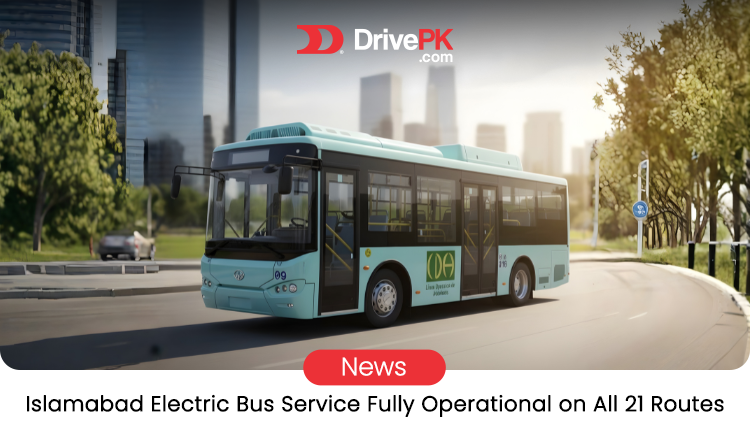
Table of Contents
- What the Service Offers Right Now
- How Passengers Are Responding
- Building the Backbone: Infrastructure Details
- Routes That Connect the City
- Digital Tools for Easier Rides
- Cutting Emissions for a Cleaner Future
- Tying into the Green City Vision
Islamabad just made a big step in cleaner travel. The electric bus service now runs on all 21 routes. This means more people can skip cars and hop on eco-friendly rides. The Capital Development Authority (CDA) shared the news, and it's clear folks are excited.
I remember when the first buses rolled out. It felt like a promise for better air and less traffic. Now, it's real. Over 102,000 passengers rode in a single day. That's a lot of people choosing buses over personal vehicles. It shows the service fills a real need in the city.
But why does this matter? Traffic in Islamabad can be tough. With growing populations, we need smart ways to move around. Electric buses cut down on noise and pollution. They're quiet and don't spew exhaust. For families and workers, this could mean easier commutes.
What the Service Offers Right Now
The buses cover key spots across the capital. From residential areas to business hubs, the routes connect it all. They even link up with the existing Metro Bus lines. This makes switching between services simple. No more long waits or confusing transfers.
One depot is already up and running. Others are almost done. This setup keeps the buses charged and ready. The CDA worked hard to get this infrastructure in place. It ensures the fleet operates without hitches. Imagine buses breaking down less because everything's planned out.
And the numbers speak for themselves. That 102,000-passenger day isn't a fluke. It's a sign of trust. People see the value in reliable public transport. In a city like Islamabad, where the weather can be extreme, air-conditioned electric buses are a relief.
How Passengers Are Responding
Public feedback has been strong. Many riders say the buses are comfortable and on time. Social media buzzes with positive stories. One user shared how it cut their commute by 20 minutes. Another praised the clean interiors.
But it's not just anecdotes. The CDA's report highlights the surge in usage. This response pushes the city to maintain high standards. If ridership stays high, we might see expansions soon. More routes or even extended hours could follow.
Challenges exist, though. Some areas still lack full coverage. Rural outskirts might need more attention. Yet, the current success builds momentum. It encourages investment in public transport.
Building the Backbone: Infrastructure Details
Infrastructure is key to any transport system. Here, one depot handles charging and maintenance. The others, nearing completion, will spread the load. This prevents bottlenecks.
Think about it. Electric buses need reliable power sources. The depots use advanced tech for quick charges. This keeps downtime low. The CDA invested in solar panels at some sites, too. It ties into the green theme.
Roads and stops got upgrades as well. New shelters protect from rain and sun. Signage is clear, helping new users. These small touches make a big difference in daily life.
Without this foundation, the service couldn't scale. Now, with 21 routes live, operations run smoothly. It's a model for other Pakistani cities. Lahore or Karachi might follow suit.
Routes That Connect the City
The 21 routes weave through Islamabad's core. They link sectors like G-6, F-7, and I-8. Commercial areas, schools, and hospitals are all accessible.
Integration with Metro Bus is a smart move. Passengers can transfer seamlessly. This creates a unified network. No need for multiple tickets or apps.
For tourists, it's a boon. Visiting sites like the Faisal Mosque becomes easier. Locals benefit from reduced travel costs. Fares are affordable, encouraging shifts from private cars.
But coverage isn't perfect yet. Some feedback calls for routes to newer developments. The CDA listens and plans adjustments.
Digital Tools for Easier Rides
Tech makes everything better. The service adds Google Maps integration. Riders can track buses in real time. No more guessing arrival times.
Cashless payments via QR codes are coming too. Scan and go simple as that. It speeds up boarding and reduces cash handling.
These features cater to tech-savvy users. Younger crowds love the convenience. For others, it's a gentle push toward digital habits. Tutorials at stops help everyone adapt.
Security gets a boost with app-based tracking. Parents feel safer sending kids on buses. Overall, these additions make commuting modern and hassle-free.
Cutting Emissions for a Cleaner Future
Electric buses mean less pollution. No diesel fumes choke the air. The CDA estimates big cuts in carbon emissions. This helps combat climate change.
Islamabad's air quality improves with each ride. Trees and parks stay greener without exhaust. Health benefits follow fewer respiratory issues for residents.
It's part of a global trend. Cities worldwide switch to electric fleets. Islamabad joins the likes of London and Beijing. Local context matters, though. With Pakistan's energy mix, renewable power ideally powers these buses.
Challenges like battery life in heat exist. But tech advances handle that. The transition saves fuel costs long-term too.
Tying into the Green City Vision
This service fits Islamabad's Green City goals. The vision includes more trees, better waste management, and sustainable transport. Electric buses are a cornerstone.
Officials aim for a carbon-neutral future. Public buy-in is crucial. High ridership shows support. Community events promote the service further.
And partnerships help. Private firms might sponsor routes. International aid funds green tech. It all builds a resilient city.
But success needs ongoing effort. Maintenance, training, and updates keep it going. Residents play a role by using the service.
In the end, this milestone changes how we move. It's practical and forward-thinking. Islamabad leads by example in Pakistan. More updates will come as the system evolves. Keep an eye on it your next ride might be electric. For more updates, visit DrivePK.com
Tags
Share this article
About the Author

Najeeb Khan
Automotive enthusiast and writer
Comments (0)
Login Required
You need to be logged in to comment on this article.
No comments yet. Be the first to share your thoughts!
Related Articles
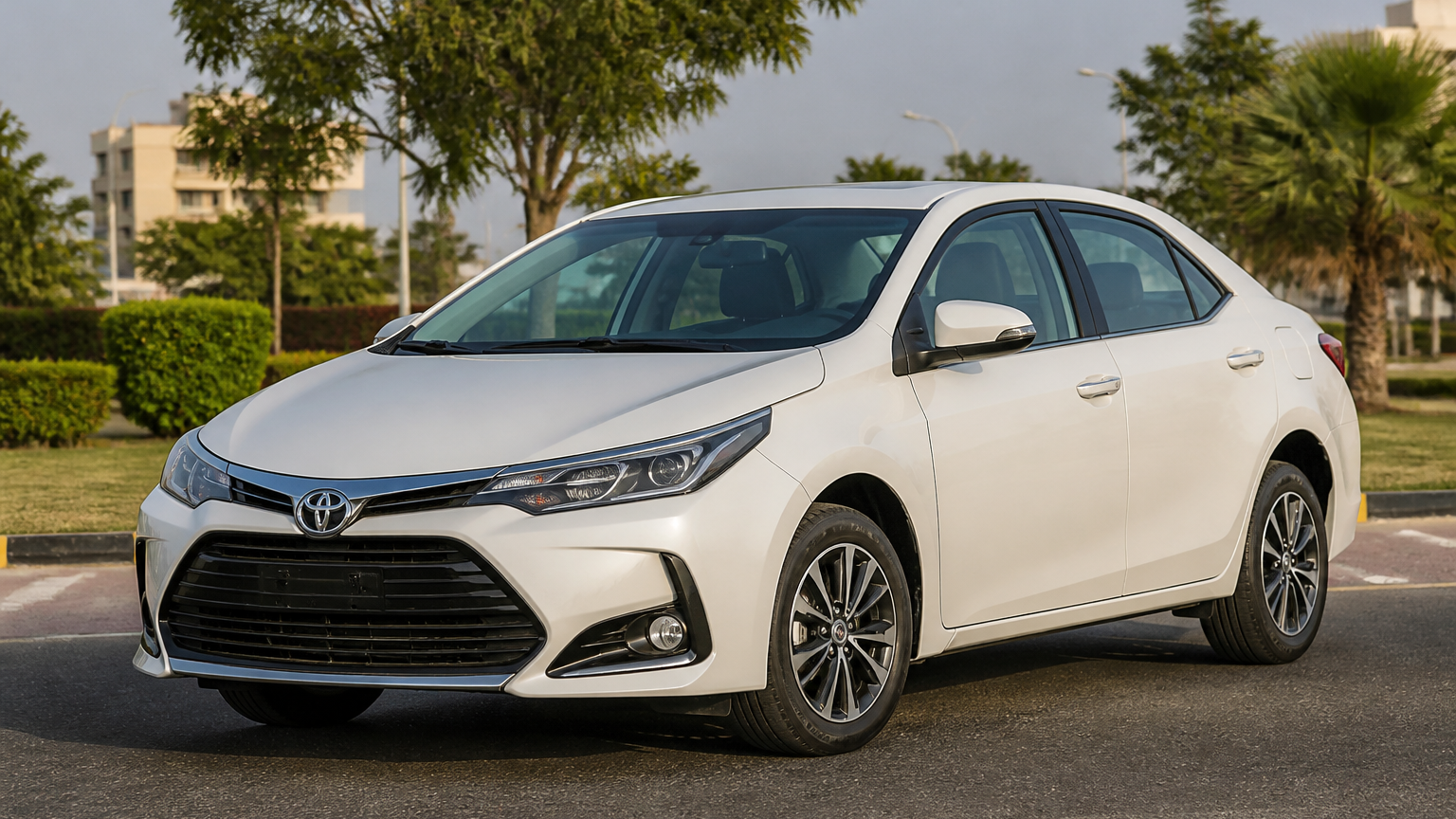
Toyota Corolla Discontinued Before Pakistan Facelift
Pakistan’s pre-facelift Toyota Corolla is reportedly discontinued, hinting at a facelift. Prices, bookings, specs and launch timing remain unconfirmed.
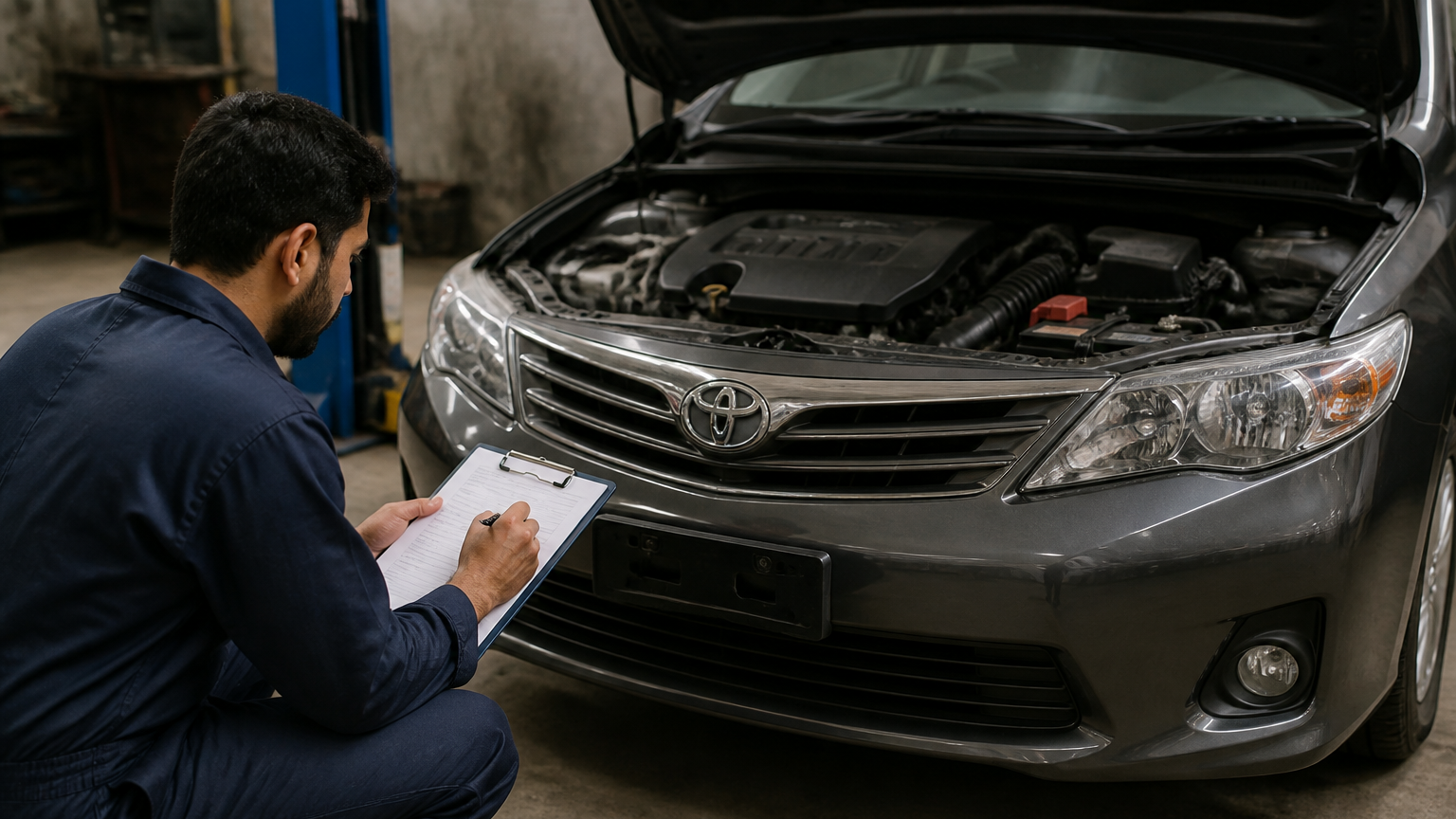
DrivePK Car Inspection Reports: Buy with Confidence
Buying a used car in Pakistan? A pre-purchase inspection can reveal hidden damage, engine issues and red flags before you pay—but it’s not enough alone.
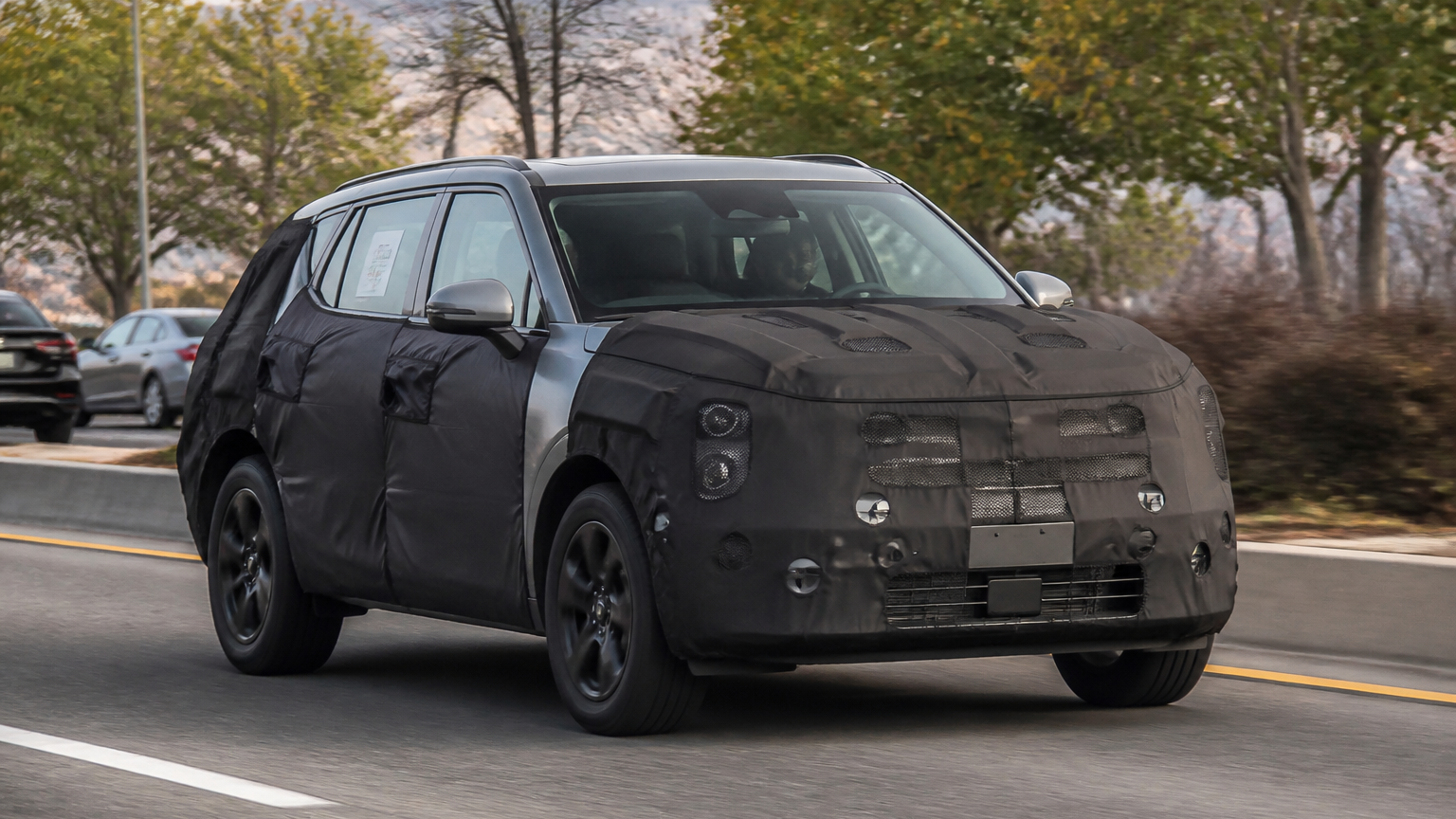
2028 Kia Sportage: Major Design Changes Spotted
Kia’s next Sportage may get a bolder, boxier redesign, with an upright profile, sharper lines, wider grille and split headlights hinted by spy shots.