Islamabad Electric Tram Project: Feasibility Study and Urban Development Updates
Islamabad authorities order a quick feasibility study for an electric tram to enhance public transport, tying into the airport and existing lines. CDA advances work in sectors C-14, I-12, E-12, with possessions soon, signboards, e-maps, and encroachment clearances for better city living.
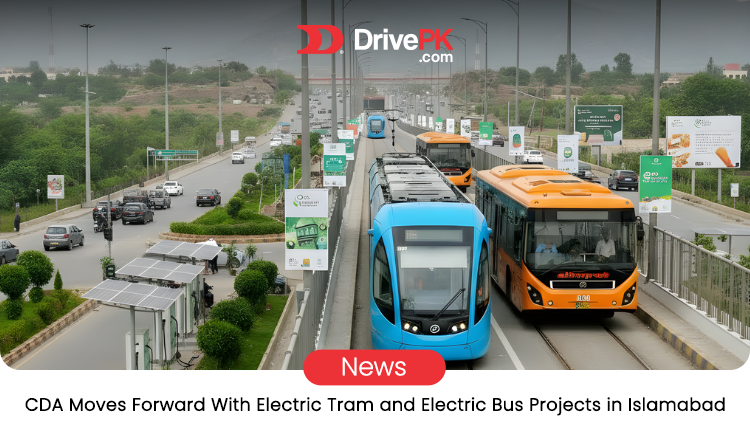
Table of Contents
- Why an Electric Tram Now?
- Progress in Residential Sectors
- Clearing Out Illegal Encroachments
- What This Means for Residents
- Challenges and Next Steps
- A Brighter Future for the Capital
Islamabad is growing fast, and so are its traffic woes. That's why authorities are now eyeing an electric tram system. It could change how people get around. In a recent meeting led by CDA Chairman Muhammad Ali Randhawa, they agreed to start a feasibility study right away. The idea is to make public transport better and link it with what’s already there.
Picture this: trams running smoothly, connecting neighborhoods to the Islamabad International Airport. No more endless waits in traffic. It's practical, and it fits the city's push for green options. Electric means less pollution, too. But first, they need to check if it all makes sense—costs, routes, and impacts.
And it's not just about tracks. The talks covered depots for storing trams, charging spots to keep them powered, and maintenance setups. All based on an Intelligent Transport System. That tech would handle schedules, track locations in real time, and even predict delays. Smart stuff for a smarter city.
Why an Electric Tram Now?
The capital needs reliable rides. Buses and metros help, but they're stretched thin. An electric tram could fill gaps, especially for airport runs. Travelers hate those long taxi queues or unreliable shuttles. A direct tram line? That would be a game-saver for locals and visitors alike.
Feasibility studies aren't quick sketches. They'll look at routes that weave through key spots offices, schools, markets. Integration with existing transit is key. Think seamless switches from bus to tram. And since it's electric, it aligns with global shifts away from fuel-guzzlers.
But challenges exist. Building in a hilly city like Islamabad means careful planning. Slopes, weather, and underground utilities all factor in. The study will map these out. If it green-lights the project, construction could follow soon. For now, it's about gathering data and expert views.
Officials stressed urgency. Why wait when traffic snarls grow daily? This could ease commutes and boost the economy. More people moving means more business flowing.
Progress in Residential Sectors
In other meetings, the CDA turned to housing developments. Sector C-14 is almost done. Infrastructure like roads, water lines, and power is wrapping up. Soon, plot owners can take possession. That's big news for families waiting to build homes.
Imagine getting your keys after years of delays. It brings relief and excitement. The sector's layout promises green spaces and easy access. No more empty lots, real communities forming.
Then there's Sector I-12. Major work is in the final stages. Same for E-12. These areas were stalled before, but now momentum is back. Roads are paved, sewers are in place, and lighting is up. It's about making livable spaces, not just plots on paper.
Directives came clear: install signboards for better navigation. Confusing streets lead to frustration. And update e-maps. In a digital age, everyone relies on apps for directions. Accurate maps mean fewer wrong turns and safer drives.
Clearing Out Illegal Encroachments
No development without cleanup. The CDA ordered removals of illegal setups in these sectors. Squatters, unauthorized shops, or random builds, they're out. It's tough but necessary. Encroachments block progress and create hazards.
Think of a road narrowed by shacks. Traffic backs up, accidents rise. Clearing them opens space for proper use. Teams are on it, with notices and enforcement. The goal? Orderly growth where rules apply to all.
This ties back to the bigger picture. Safe, planned sectors attract residents and investment. Messy areas scare them off. By tackling encroachments now, the city sets a strong foundation.
And it's not blind action. Officials reviewed progress step by step. Reports showed what's done and what's next. Accountability keeps things moving.
What This Means for Residents
For Islamabad folks, these updates spell relief. Better transport cuts commute times. Imagine hopping on a tram to the airport instead of battling rush hour. It saves money on fuel and reduces stress.
In housing, completions mean more options. Sectors like C-14, I-12, and E-12 add supply. Prices might stabilize, helping first-time buyers. Updated maps and signs make daily life smoother. No more guessing where to turn.
But safety is the quiet winner. Intelligent systems in trams mean fewer mishaps. Cleared encroachments reduce risks. It's all connected—transport, homes, and order.
Parents will like it too. Safer streets for kids, easier access to schools. And for the elderly, reliable public options beat driving.
Challenges and Next Steps
Nothing's perfect. Feasibility for the tram might uncover high costs or route issues. But starting early helps spot problems fast. Public input could shape it, maybe surveys on preferred stops.
In sectors, finishing touches matter. Delays in possessions could frustrate owners. The CDA needs to communicate timelines clearly. Transparency builds trust.
Watch for more meetings. Randhawa's team seems proactive. Updates on the study or sector handovers might come soon.
Residents can help. Report encroachments or suggest tram ideas. Community involvement strengthens plans.
A Brighter Future for the Capital
Islamabad is evolving. From electric trams to ready sectors, it's about quality of life. These steps address real needs: mobility, housing, and safety.
The tram could become a symbol of progress. Clean, efficient, connected. And developed sectors mean stable neighborhoods.
In the end, it's simple: a city that works for its people. These initiatives push toward that. Stay tuned as details unfold. Islamabad might just set an example for others.For more updates, visit DrivePK.com
Tags
Share this article
About the Author

Najeeb Khan
Automotive enthusiast and writer
Comments (0)
Login Required
You need to be logged in to comment on this article.
No comments yet. Be the first to share your thoughts!
Related Articles
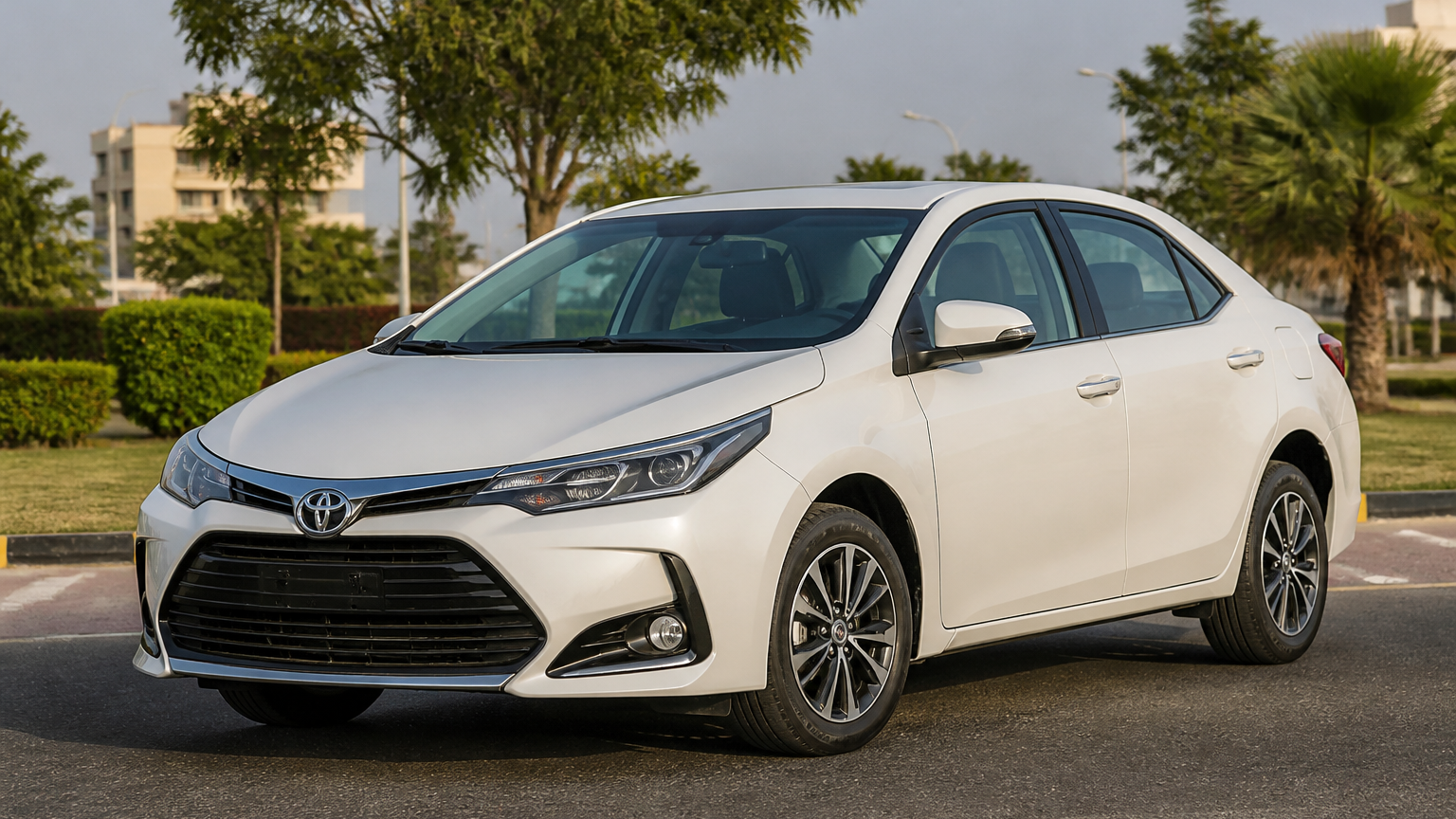
Toyota Corolla Discontinued Before Pakistan Facelift
Pakistan’s pre-facelift Toyota Corolla is reportedly discontinued, hinting at a facelift. Prices, bookings, specs and launch timing remain unconfirmed.
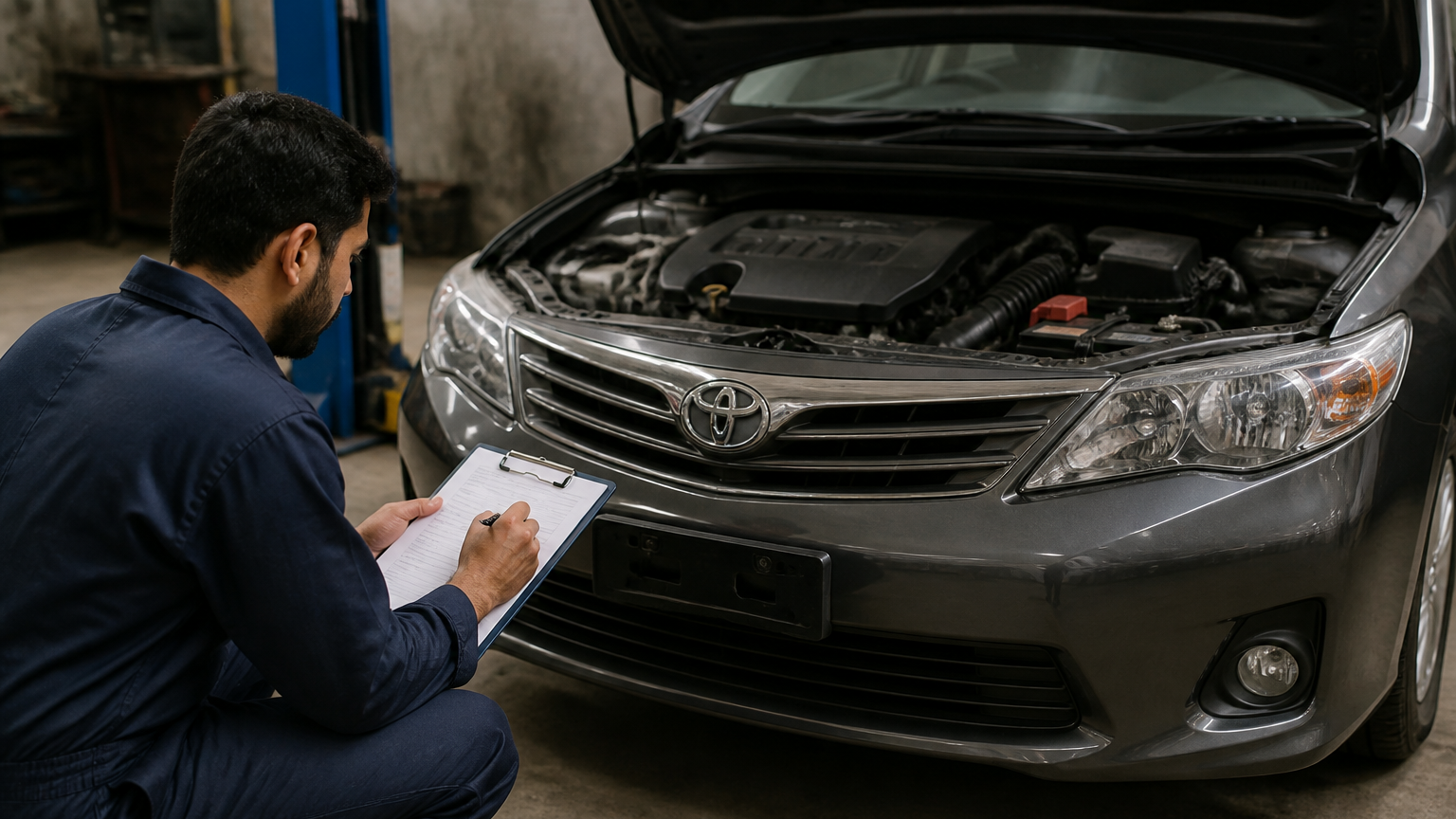
DrivePK Car Inspection Reports: Buy with Confidence
Buying a used car in Pakistan? A pre-purchase inspection can reveal hidden damage, engine issues and red flags before you pay—but it’s not enough alone.
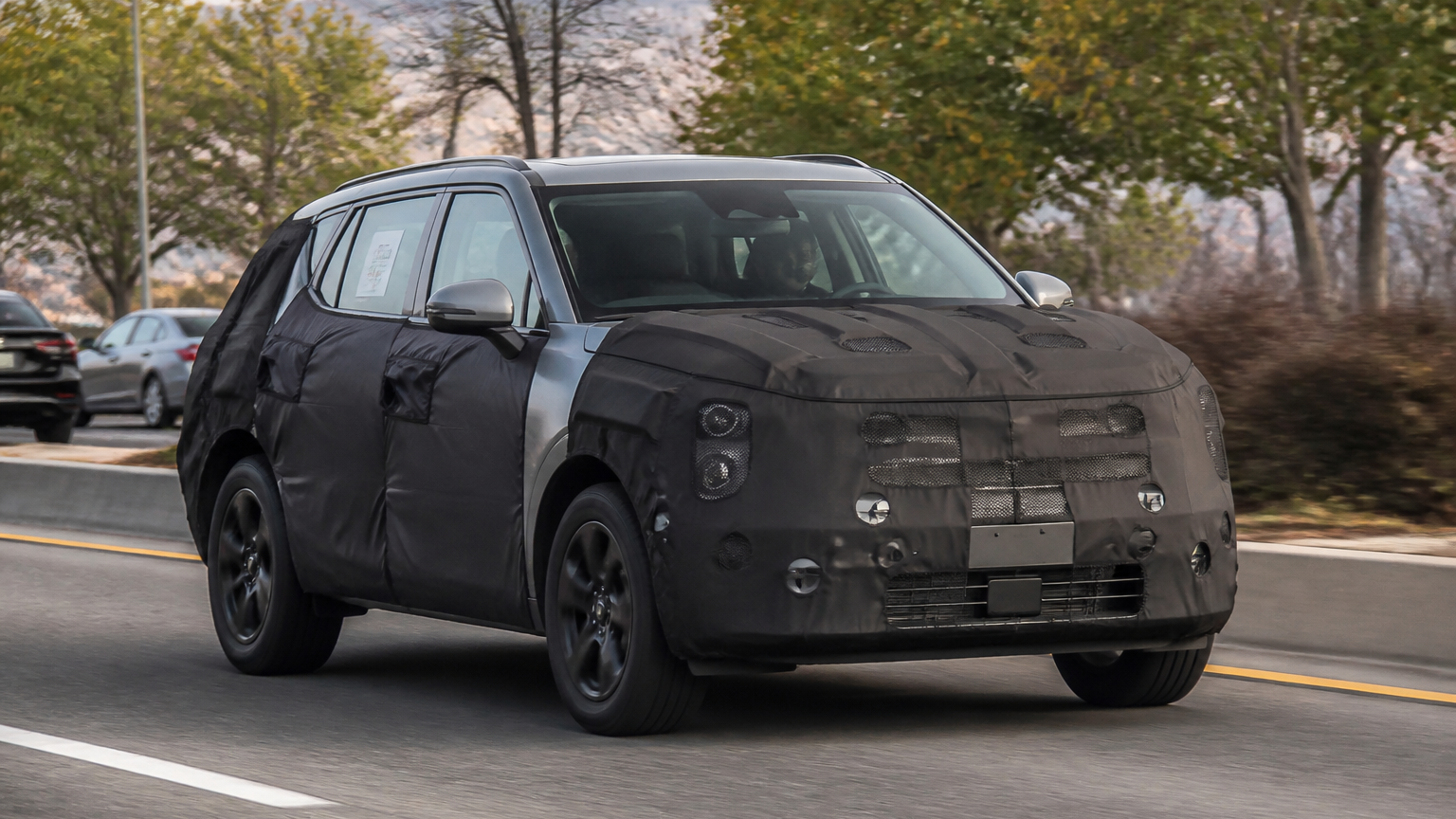
2028 Kia Sportage: Major Design Changes Spotted
Kia’s next Sportage may get a bolder, boxier redesign, with an upright profile, sharper lines, wider grille and split headlights hinted by spy shots.