Islamabad Installs M-Tag Readers and Cameras for Better Security and Traffic Control
Authorities in Islamabad just rolled out a new setup. M-Tag readers at 11 key spots. Surveillance cameras at 14 points. All under the Safe City...
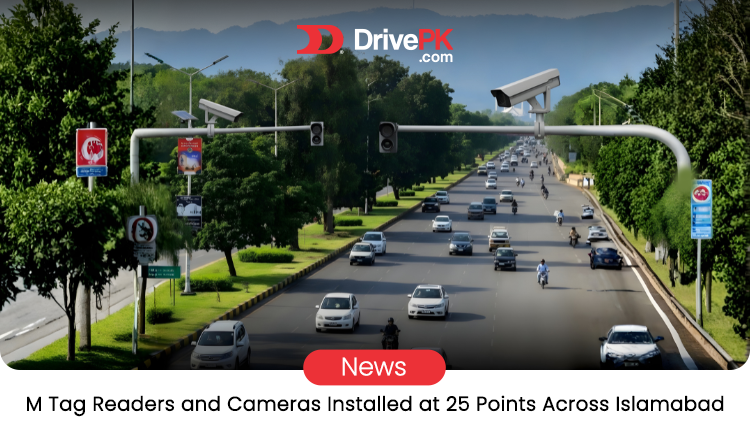
Table of Contents
- Where the Tech Goes Live
- Dropping Barriers for Smoother Flow
- Fighting Fake Plates and Boosting Safety
- How It Works for Drivers
- Ties to Broader Government Goals
- Potential Hiccups and Fixes
- What Locals and Visitors Say
- Future of Surveillance in the Capital
Authorities in Islamabad just rolled out a new setup. M-Tag readers at 11 key spots. Surveillance cameras at 14 points. All under the Safe City Authority's watch. The goal? Track vehicles better and make sure everyone follows e-tag rules.
I've navigated Islamabad's roads plenty. Traffic builds fast, especially near offices and markets. This system scans M-Tags and plates. It flags any odd matches or missing tags. Everything ties back to Safe City for quick alerts.
No more slipping through with fakes. Officials say it's about security first. But it also smooths traffic without old ideas like barriers. Those got scrapped because they jammed things up too much.
Where the Tech Goes Live
These aren't random placements. Readers and cameras hit high-traffic zones. Think entry points, main arteries, and busy intersections. Exact spots aren't detailed yet, but they cover the federal capital broadly.
Safe City oversees it all. Devices link directly to their hub. Real-time data flows in. If a vehicle's tag doesn't match its plate, an alert goes out. No tag? Same deal. Police can act fast.
This builds on existing surveillance. Islamabad already has cameras for crime watch. Now, vehicle focus sharpens things. It's like adding eyes where they count most.
Dropping Barriers for Smoother Flow
Earlier plans included automatic barriers. Sounded good on paper. Scan fails, barrier stays down. But reality hit. Congestion in Islamabad is no joke. Barriers would worsen it. Long lines at gates. Horns blaring. Time wasted.
So, they pivoted. Alerts instead of blocks. Vehicles get flagged digitally. Enforcement follows without halting everyone. Smart move. Keeps movement going while nailing rule-breakers.
Officials learned from trials. Traffic studies showed barriers as bottlenecks. Now, the system warns without walls. Better for daily commuters.
Fighting Fake Plates and Boosting Safety
Fake number plates plague cities. They hide stolen cars or dodge fines. This setup spots them easily. Scan the plate, check the tag. Mismatch means trouble.
Security gets a lift, too. Tracked movements help in emergencies. Like chasing suspects or finding lost vehicles. In a capital with embassies and VIPs, this matters.
Safer mobility is the tagline. Government pushes no entry without M-Tags. It's mandatory now. Part of wider efforts. Think fewer accidents from unchecked vehicles. Cleaner data for planning roads.
Data from scans could inform traffic tweaks. Spot jam patterns. Adjust signals. Long-term wins.
How It Works for Drivers
If you're driving in Islamabad, get that M-Tag. It's an electronic toll tag, but now for city access too. Install it on your windshield. The system reads it automatically.
No tag? Expect stops or fines. But with one, you sail through. Plates must match records. Keep registration current.
For truckers or out-of-towners, plan. Borders might check. It's all linked.
Privacy concerns? Officials say data stays secure. Used only for enforcement. Not shared loosely.
Ties to Broader Government Goals
This fits Pakistan's push for smart cities. Islamabad leads as the model. Safe City started years back with cameras and command centers. Now, vehicle integration expands it.
The federal government backs it. Funds flow for tech upgrades. Similar setups might hit other cities soon. Lahore or Karachi could follow.
It's about efficiency, too. Less manpower on checks. Tech does the heavy lift. Officers focus on real issues.
Environmentally, tracked traffic could cut idling. Better flow means fewer emissions. Small but adds up in a green capital.
Potential Hiccups and Fixes
Tech isn't foolproof. What if readers glitch in the rain? Or power outs hit? Backups likely in place. Safe City has redundancies.
False alerts could annoy. Mismatched data from errors. But verification steps should sort it.
Public awareness needs work. Campaigns on TV and social media. Explain the benefits. How to get tags. Avoid confusion at launch.
Cost for tags? Affordable, but ensure access points. Stations at entries.
Feedback loops help. Drivers report issues. Tweak as needed.
What Locals and Visitors Say
Chatted with a few residents. One office worker noted, "Finally, something to stop fake plates. Roads feel safer already." A visitor added, "As long as it doesn't slow me down, I'm for it."
Officials echo that. "Security without snarls," one said. Focus on prevention over reaction.
Campaign ties to recent drives. Like the Good Citizen stickers. Rewards and enforcement go hand in hand.
Future of Surveillance in the Capital
By 2026, expect more spots. Maybe AI for predictions. Spot unusual patterns early.
This initiative sets the bar. Safer, smarter Islamabad. Vehicles accounted for. Threats minimized.
Drive compliant. Stay safe. The city's watching for good reasons.
Share this article
About the Author
Najeeb Khan
Automotive enthusiast and writer
Comments (0)
Login Required
You need to be logged in to comment on this article.
No comments yet. Be the first to share your thoughts!
Related Articles
Toyota Corolla Discontinued Before Pakistan Facelift
Pakistan’s pre-facelift Toyota Corolla is reportedly discontinued, hinting at a facelift. Prices, bookings, specs and launch timing remain unconfirmed.
DrivePK Car Inspection Reports: Buy with Confidence
Buying a used car in Pakistan? A pre-purchase inspection can reveal hidden damage, engine issues and red flags before you pay—but it’s not enough alone.
2028 Kia Sportage: Major Design Changes Spotted
Kia’s next Sportage may get a bolder, boxier redesign, with an upright profile, sharper lines, wider grille and split headlights hinted by spy shots.