Islamabad M-Tag Mandatory: No Entry Without It Starting January 1, 2026
Islamabad bans vehicles without M-Tags from January 1, 2026, boosting security via RFID readers at entry points. Directed by Minister Mohsin Naqvi, 16 registration centers are open. Tags cost Rs 250, with 100,000 issued since November. This automates tolls and eases traffic.
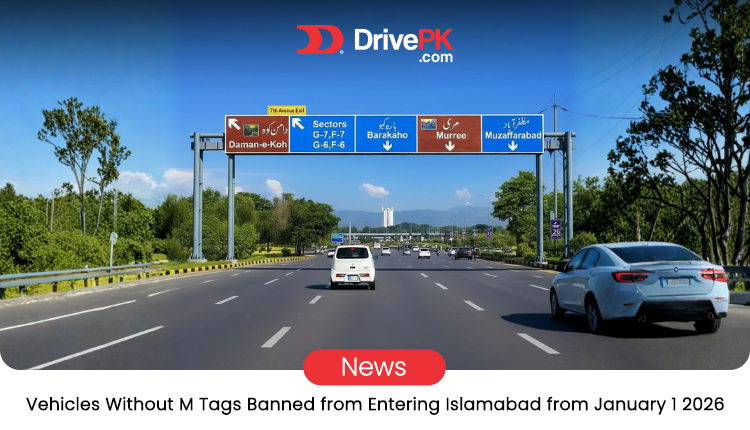
Table of Contents
- Understanding M-Tag: The Basics
- Why the Push for Mandatory M-Tags?
- How to Get Your M-Tag: Step by Step
- Where the Action Happens: Entry Points and Tech
- Broader Impacts on Daily Life
- Tips for Smooth Compliance
- Conclusion
Meta Title: Islamabad M-Tag Mandatory: No Entry Without It Starting January 1, 2026
Islamabad is tightening up. From January 1, 2026, any vehicle without an M-Tag gets turned away at the city limits. This comes straight from Interior Minister Mohsin Naqvi. It's all about security. RFID readers at checkpoints will spot non-compliant rides. But it's not just barriers; 16 spots around town make getting tagged easy. Nearly 100,000 vehicles have one already since mid-November. At Rs 250 a pop, it's cheap insurance against hassle.
Understanding M-Tag: The Basics
M-Tag stands for Motorway Tag. It's a small RFID sticker on your windshield. Think of it as a digital ID for your car. Originally for highways, it lets you zip through tolls without stopping. Cash gets deducted from a prepaid account. No more fumbling for change.
Now, Islamabad adapts it for city access. Readers at entry points scan tags automatically. If yours is missing or invalid, you're out. This ties into the Safe City project, which amps up surveillance. Cameras and tech track vehicles better. It helps spot suspicious ones quickly. In a capital city, that matters.
The tag uses radio waves. When you drive near a reader, it pings your info. Secure and fast. No personal data exposed, just vehicle details. Pakistan's National Highway Authority runs the system. It's been around for motorways since 2021. Expanding to urban security is new.
Some call it E-Tag, but it's the same thing. Don't confuse it with emission stickers, which are for pollution checks. Those are separate, though both might be needed soon.
Why the Push for Mandatory M-Tags?
Security tops the list. Mohsin Naqvi ordered this to plug gaps. Islamabad sees threats from time to time. Tagged vehicles mean easier tracking. If something's off, authorities react faster. It's part of broader efforts like more cameras and checkpoints.
But benefits spill over. Toll plazas clear quicker. Less congestion at entries. In a city growing fast, that saves time. Fuel savings, too, from less idling. Environment wins with lower emissions. And for users, no cash handling reduces theft risks.
Officials say it's not punitive. It's to modernize. With 100,000 tags out in weeks, uptake is strong. The mid-November kickoff shows planning. Avoid last-minute rushes, they warn.
How to Get Your M-Tag: Step by Step
Simple process. Head to one of 16 centers. Bring your CNIC, vehicle registration book, and Rs 250 cash. No cards, cash only for now.
Staff checks the docs, issues the tag, and sticks it on. Takes minutes. Centers run from 9 am to 9 pm, seven days. Better go early to beat the crowds. Once tagged, recharge via app or agents. Minimum balance? Rs 500 for cars.
If you're from outside, still need it for entry. No exceptions. Trucks, bikes, cars – all vehicles.
Key spots: Kachnar Park in I-8, Lake View Park, 26 Number near Tabligi Markaz, Excise Office (Islamabad plates only), F-9 Park Gate 2, F-7 Jinnah Super, Tarlai, Metro Cash & Carry in I-11, Gulberg Greens near Telenor HQ, Parade Ground, Soan Gardens. Spread out for convenience.
Complaints? Call 051-9108084. Or check online for updates.
Where the Action Happens: Entry Points and Tech
Eleven main entries get RFID readers. Think Srinagar Highway, GT Road, others. Scanners mounted on gantries or poles. They read tags from afar, even at speed.
If no tag, barriers drop or alerts go out. Police handle it. Fines? Not clear yet, but action promised. This setup mirrors global cities like London with congestion zones.
Tech is reliable. Weatherproof, low maintenance. Integrates with number plate recognition for double checks.
Broader Impacts on Daily Life
For residents, it's a shift. Commuters from Rawalpindi adapt quickly. Tourists plan. Businesses with fleets tag up en masse.
Positives: Smoother flows. Less queueing at tolls. Data helps plan roads better. Security boosts confidence.
Downsides: Initial costs, though low. Rural folks might struggle with access. But centers are accessible. Government urges prompt action to avoid January chaos.
This fits Pakistan's digital push. Like Nadra for IDs, M-Tag streamlines transport. Could spread to other cities.
Tips for Smooth Compliance
Register now. Crowds build as the deadline nears. Check tag status online. Keep the balance topped. If the tag is damaged, replace it for free at centers.
For emissions, separate centers at D Chowk, Lake View, etc. Free for now, for older cars. Timings 9 am-4 pm, Monday-Saturday.
Stay informed via official channels. Avoid fakes only from the listed spots.
Conclusion
Islamabad's M-Tag mandate starts January 1, 2026. It's security first, with perks like faster tolls and less traffic. At Rs 250, and with 16 easy spots, no excuses. Over 100,000 done, join them. This could make the capital safer and smoother. If you drive in, tag up soon. For more updates, visit DrivePK.com
Tags
Share this article
About the Author

Najeeb Khan
Automotive enthusiast and writer
Comments (0)
Login Required
You need to be logged in to comment on this article.
No comments yet. Be the first to share your thoughts!
Related Articles
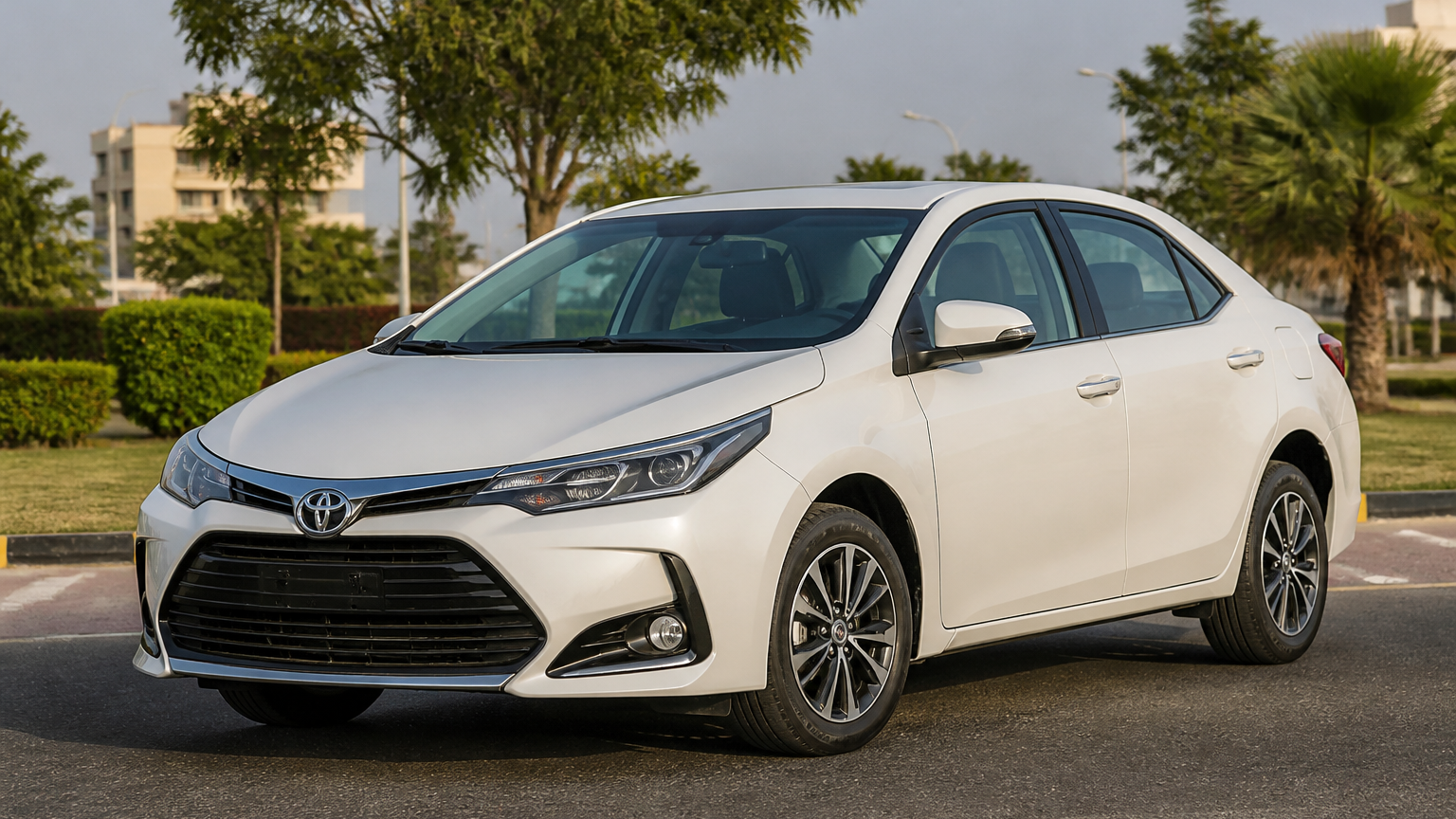
Toyota Corolla Discontinued Before Pakistan Facelift
Pakistan’s pre-facelift Toyota Corolla is reportedly discontinued, hinting at a facelift. Prices, bookings, specs and launch timing remain unconfirmed.
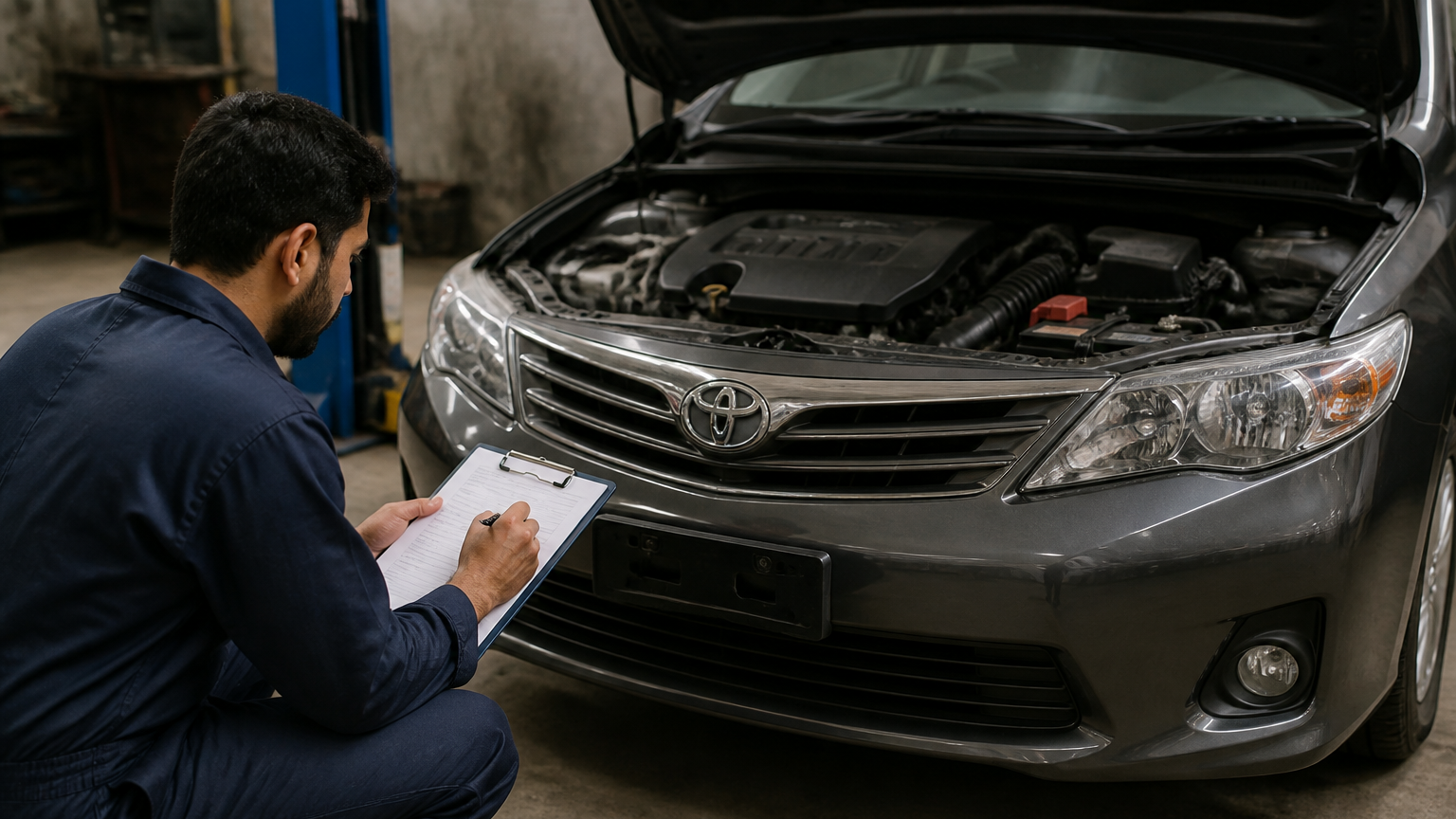
DrivePK Car Inspection Reports: Buy with Confidence
Buying a used car in Pakistan? A pre-purchase inspection can reveal hidden damage, engine issues and red flags before you pay—but it’s not enough alone.
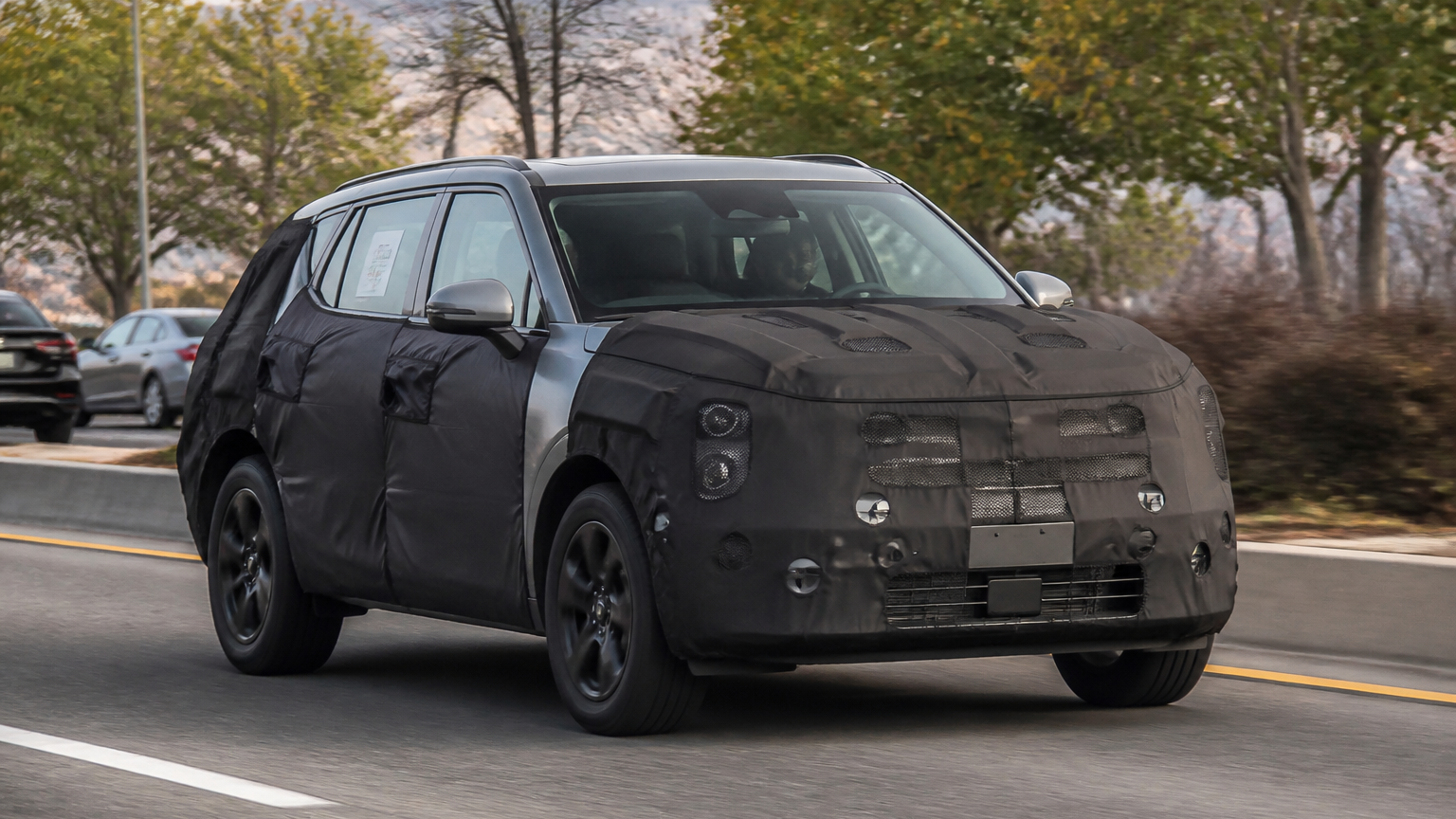
2028 Kia Sportage: Major Design Changes Spotted
Kia’s next Sportage may get a bolder, boxier redesign, with an upright profile, sharper lines, wider grille and split headlights hinted by spy shots.