Islamabad Police Takes Delivery of First Electric Fleet: BYD Atto 2 and Sealion 7 Join Service
Islamabad Police now has its first electric fleet. Prime Minister Shehbaz Sharif handed over BYD Atto 2 and Sealion 7 vehicles on April 6, 2026. Supplied through Mega Motor Company, these New Energy Vehicles will handle traffic patrol and official duties. The step reduces fuel use, lowers running costs, and promotes cleaner policing in the capital.
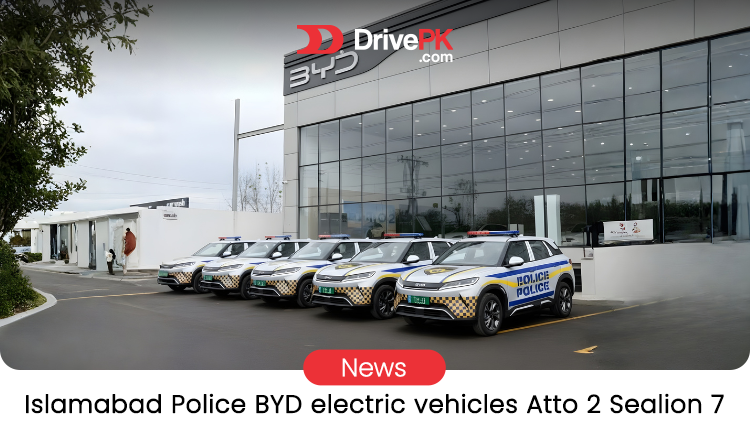
Table of Contents
- Why This Matters Right Now
- The Vehicles: Atto 2 and Sealion 7
- First Phase and Future Plans
- Benefits Beyond Fuel Savings
- Challenges Still Ahead
- A Signal for Private Buyers Too
- What Comes Next
Pakistan took a practical step toward electric mobility this week. On April 6, 2026, Prime Minister Shehbaz Sharif handed over a set of BYD electric vehicles to Islamabad Police. The delivery included the compact BYD Atto 2 and the larger BYD Sealion 7. This marks the first time a federal department has put a New Energy Vehicle (NEV) fleet into regular operation.
The ceremony took place in Islamabad. Senior police officials and government figures attended. The vehicles will mainly support traffic patrol and other official duties in the capital. For many, this feels like a timely move, especially with fuel prices staying high.
Why This Matters Right Now
Fuel costs have been climbing across Pakistan. Diesel and petrol prices put pressure on government budgets and ordinary drivers alike. Electric vehicles change the equation. They run on electricity instead of imported fuel. That means lower operating costs and less strain on foreign reserves.
Prime Minister Shehbaz Sharif used the event to urge other provinces and law enforcement agencies to follow suit. He pointed out that each electric vehicle can save significant money every month compared to a petrol equivalent. The government sees this as part of a wider push to save energy and protect the economy.
The Vehicles: Atto 2 and Sealion 7
BYD supplied the cars through its official partner in Pakistan, Mega Motor Company (MMC).
The BYD Atto 2is a compact crossover built for city use. In Pakistan, it carries a price tag of around PKR 7.29 million. It offers a real-world range suitable for daily patrols and comes with modern safety features, including BYD’s Blade Battery technology for added safety.
The BYD Sealion 7is a larger, more powerful electric SUV. Priced at approximately PKR 15.49 million, it brings stronger performance and longer range — up to 482 km on a full charge in ideal conditions. It suits longer duties or higher-speed requirements while keeping running costs low.
Both models use advanced electric powertrains. They produce zero tailpipe emissions, which helps improve air quality in busy Islamabad. Maintenance is usually simpler too, with fewer moving parts than traditional engines.
First Phase and Future Plans
Reports say 15 electric vehicles were provided in this initial phase. Some sources mention plans to expand the fleet further. Islamabad Police will use them for traffic management, with each patrol team including a captain, responders, and a driver in special uniforms.
This is not just about one city. The Prime Minister encouraged all law enforcement agencies and provincial governments to look at similar switches. If more departments adopt EVs, the savings on fuel could add up quickly for the public sector.
Benefits Beyond Fuel Savings
Lower emissions mean cleaner air, especially important in urban areas. Electric vehicles are also quieter, which can make city environments more livable. For the police force, predictable running costs help with budgeting instead of worrying about sudden fuel price spikes.
BYD is the world’s top seller of new energy vehicles. Their partnership with Mega Motor Company brings proven global technology to Pakistan. The company has already started customer deliveries of Atto 2 across the country and plans local assembly in the future, which could bring down costs and create jobs.
Challenges Still Ahead
Charging infrastructure remains limited in many parts of Pakistan. Government and private players will need to build more public and home chargers for wider adoption. Battery costs and upfront prices are higher than petrol cars, but the gap narrows when you count years of fuel savings.
Still, this pilot with Islamabad Police gives a chance to test real-world performance on Pakistani roads from hot summers to monsoon conditions. Data from these vehicles can guide future decisions.
A Signal for Private Buyers Too
When the police start using electric vehicles successfully, it sends a message to everyone. Ordinary citizens watching the news may feel more confident considering an EV for their family. With fuel prices high, many drivers are already calculating monthly savings. An electric car can cut running costs dramatically for city commuting.
Mega Motor Company and BYD have opened bookings for both models nationwide. Showrooms in major cities are ready to explain charging options and ownership experience.
What Comes Next
This handover is one small but visible step. Pakistan needs more charging stations, clearer policies, and perhaps incentives to speed up the shift. Local manufacturing of EVs and batteries could make the technology more affordable in the long run.
For now, the Islamabad Police has set an example. Clean, quiet, and cost-effective vehicles are now part of official duties in the capital. If the trial works well, expect other departments to watch closely and follow.
The message from the top is clear: electric mobility is no longer just talk. It is entering daily government operations. For a country facing fuel price pressure, every switch counts.For more updates, visit DrivePK.com
Tags
Share this article
About the Author

Najeeb Khan
Automotive enthusiast and writer
Comments (0)
Login Required
You need to be logged in to comment on this article.
No comments yet. Be the first to share your thoughts!
Related Articles
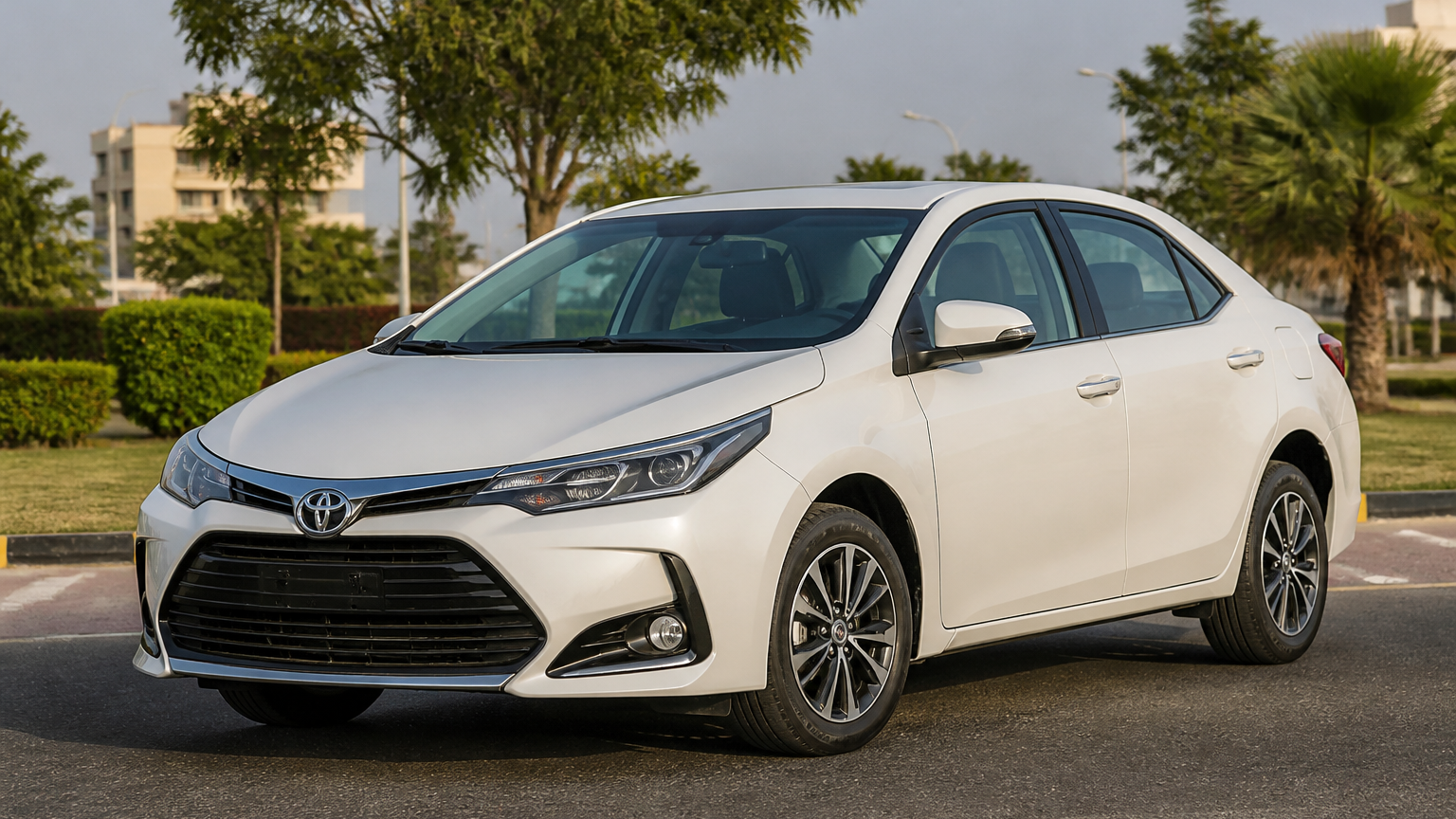
Toyota Corolla Discontinued Before Pakistan Facelift
Pakistan’s pre-facelift Toyota Corolla is reportedly discontinued, hinting at a facelift. Prices, bookings, specs and launch timing remain unconfirmed.
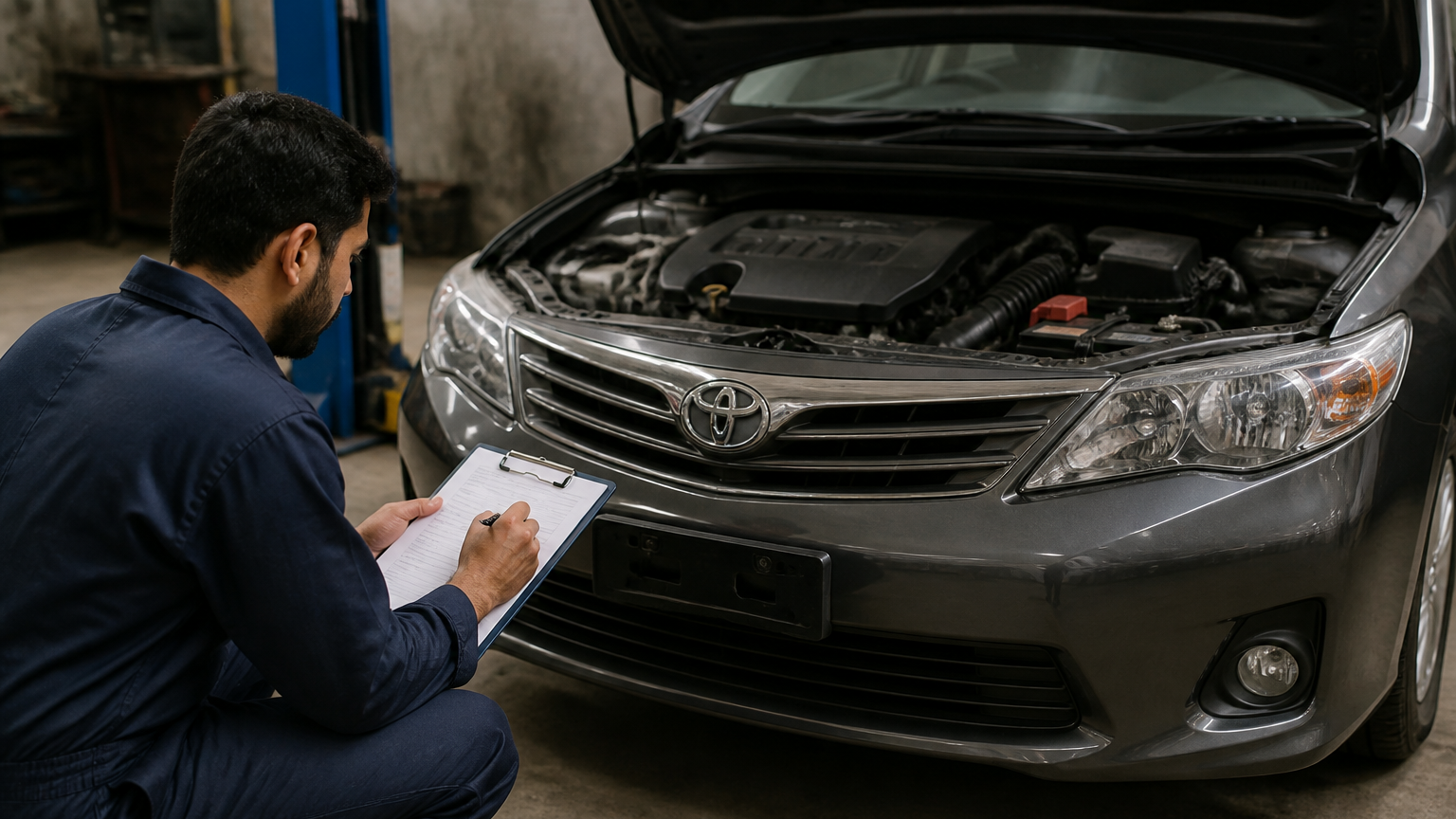
DrivePK Car Inspection Reports: Buy with Confidence
Buying a used car in Pakistan? A pre-purchase inspection can reveal hidden damage, engine issues and red flags before you pay—but it’s not enough alone.
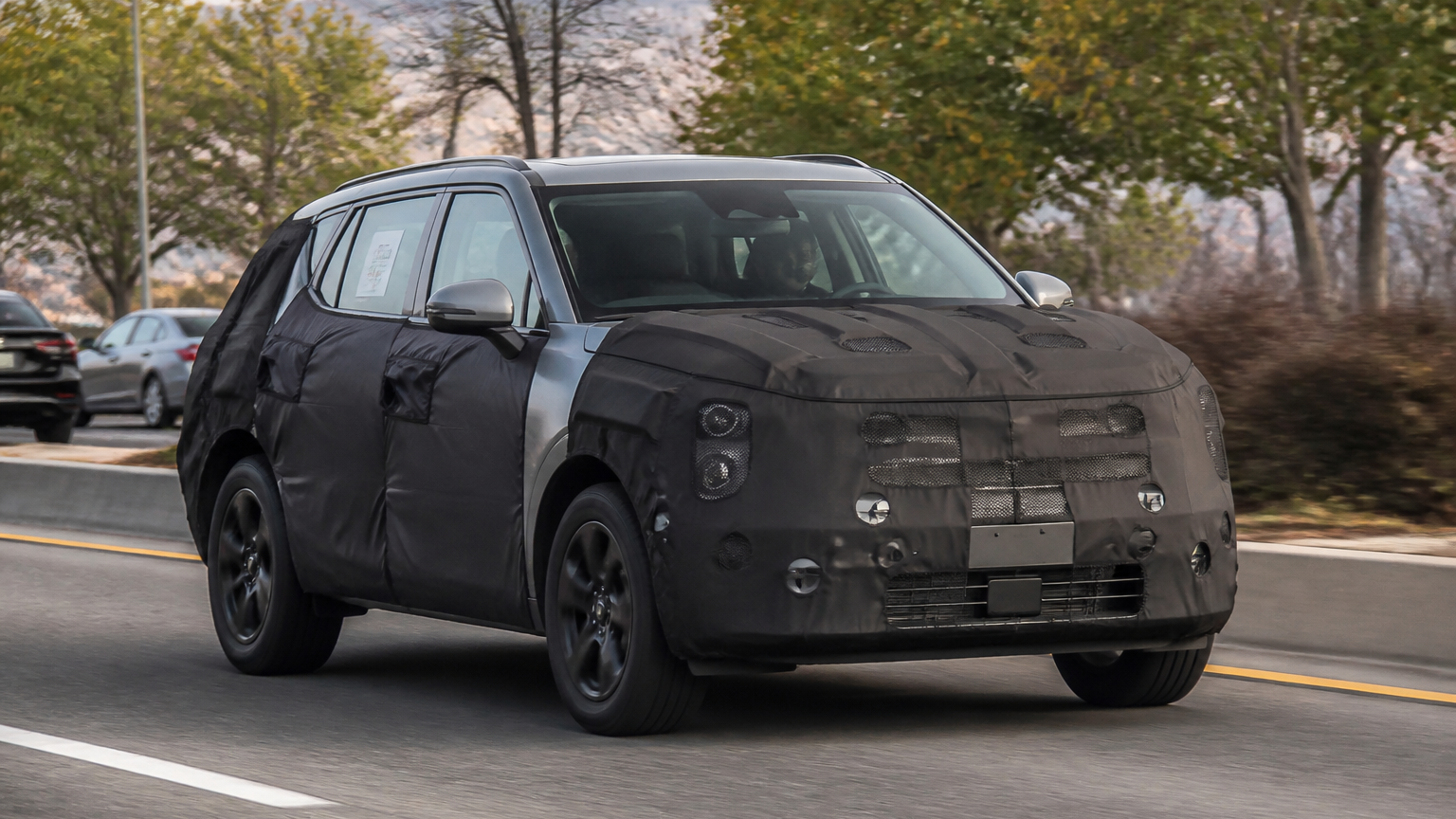
2028 Kia Sportage: Major Design Changes Spotted
Kia’s next Sportage may get a bolder, boxier redesign, with an upright profile, sharper lines, wider grille and split headlights hinted by spy shots.