K-Electric and Pak Suzuki Partner for Dedicated 20 MW Grid Station in Karachi
K-Electric and Pak Suzuki Motor Company signed an agreement on December 26, 2025, to build a dedicated 132 kV grid station in Karachi. This setup will supply up to 20 MW of stable power, helping Pak Suzuki meet rising production demands and strengthening Pakistan's industrial landscape amid energy challenges.

Table of Contents
- Why This Agreement Matters Now
- A Quick Look at Pak Suzuki's Role in Pakistan
- K-Electric's Background and Push for Better Service
- What This Means for Pakistan's Economy
- Challenges Ahead and How to Overcome Them
- Wrapping It Up: A Step Toward Stronger Industries
Pakistan's auto industry is picking up speed, but power problems often slow things down. That's why the recent agreement between K-Electric and Pak Suzuki Motor Company stands out. Signed on December 26, 2025, it sets up a dedicated 132 kV grid station right at Pak Suzuki's manufacturing site in Karachi. This move promises up to 20 MW of steady electricity, enough to keep production lines running without a hitch.
It's a practical step for both companies. Pak Suzuki, a key player in making and selling Suzuki vehicles in Pakistan, needs reliable power to handle growing demand. And K-Electric, the main power provider for Karachi, sees this as a way to support local industries and make better use of the national grid.
Why This Agreement Matters Now
Karachi's industries face tough power issues. Outages can last hours, sometimes up to 12 hours in some areas, due to overloads, illegal connections like kundas, and aging infrastructure. These disruptions hit hard, factories stop, workers wait, and deadlines slip. In November 2025 alone, power cuts caused massive water shortages in the city, showing how linked everything is.
For Pak Suzuki, stable power isn't a luxury. The company assembles cars, pickups, vans, and motorcycles, holding the title of Pakistan's largest car assembler. With sales jumping in recent months, they can't afford downtime. Hiroshi Kawamura, Pak Suzuki's Managing Director, put it plainly: "Reliable energy is critical for our operations and plans. This partnership with K-Electric to install a dedicated grid station will enable us to maintain production efficiency."
On the other side, Moonis Alvi, CEO of K-Electric, sees bigger benefits. "This project is more than just a power connection," he said. "It’s about delivering solutions that anticipate the evolving needs of Pakistan’s automotive sector. Through this collaboration, K-Electric is demonstrating how partnerships between the energy and industrial sectors can unlock sustainable economic growth for Karachi and beyond while strengthening grid demand."
This isn't K-Electric's first such deal. They've recently partnered with DP World for a 26 MW grid station at the port and with PSRM for another setup in Gharo. These steps show growing trust in K-Electric's ability to deliver cost-effective, reliable power.
A Quick Look at Pak Suzuki's Role in Pakistan
Pak Suzuki started as a joint venture and has grown into a major force since the 1980s. They handle everything from assembling to marketing Suzuki models tailored for local roads, think tough 4x4s and efficient small cars. The company employs thousands and contributes to the economy through exports and local parts manufacturing.
But growth brings challenges. Pakistan's auto market is booming in 2025. Car sales rose 67% year-on-year in September, hitting 12,000 units, and kept climbing to 15,442 in November. Overall, the industry saw a 37.7% increase through August. Pak Suzuki benefits from this surge, but only if it can produce more without interruptions.
Power reliability plays a big part here. Unstable supply can damage equipment or halt assembly lines, costing time and money. This new grid station addresses that head-on, giving Pak Suzuki a direct, dedicated feed from the grid.
K-Electric's Background and Push for Better Service
K-Electric has a long history, starting in 1913 as Karachi Electric Supply Corporation. It went private in 2005 and now serves over 25 million people in Karachi and nearby areas. Owned mostly by international investors, it's the only fully integrated power utility in Pakistan, handling generation, transmission, and distribution.
The company has faced criticism for outages, but they're working on fixes. Recent crackdowns removed thousands of kilograms of illegal wiring in industrial zones, cutting theft and improving supply. Deals like this one with Pak Suzuki show their focus on key sectors.
What This Means for Pakistan's Economy
Pakistan's auto industry drives jobs and GDP. With sales up 53% in the first quarter of fiscal 2026, it's a bright spot amid other challenges. But energy shortages hold it back. Factories in Karachi often deal with inconsistent power, leading to lower output and higher costs.
This agreement could set an example. By building dedicated stations, companies get tailored power solutions. It boosts efficiency, attracts investment, and helps meet export goals. For Karachi, a hub for manufacturing, it means more stable operations and potential job growth.
And it's not just about cars. Reliable power supports the whole supply chain, parts makers, dealers, and service centers. As Pakistan pushes for electric vehicles and greener tech, steady electricity will be key.
Challenges Ahead and How to Overcome Them
No deal is without hurdles. Building the grid station will take time, permits, and coordination. Power theft remains an issue, with illegal connections straining the system. K-Electric's efforts to remove kundas are a start, but ongoing vigilance is needed.
For Pak Suzuki, this means planning around construction without disrupting current output. But the payoff, 20 MW of dependable power, should make it worth it.
Pakistan's government could help by streamlining regulations and investing in grid upgrades. Policies that encourage such partnerships would speed up industrial recovery.
Wrapping It Up: A Step Toward Stronger Industries
This K-Electric and Pak Suzuki agreement is a solid move for both. It tackles real problems like power unreliability and supports growth in a vital sector. As Pakistan's auto market keeps rising, deals like this ensure companies can keep pace.
Watch for more such collaborations. They show how energy and industry can work together for lasting progress. In the end, it's about keeping the wheels turning, literally, in Pak Suzuki's case. For more updates, visit DrivePK.com
Tags
Share this article
About the Author

Najeeb Khan
Automotive enthusiast and writer
Comments (0)
Login Required
You need to be logged in to comment on this article.
No comments yet. Be the first to share your thoughts!
Related Articles
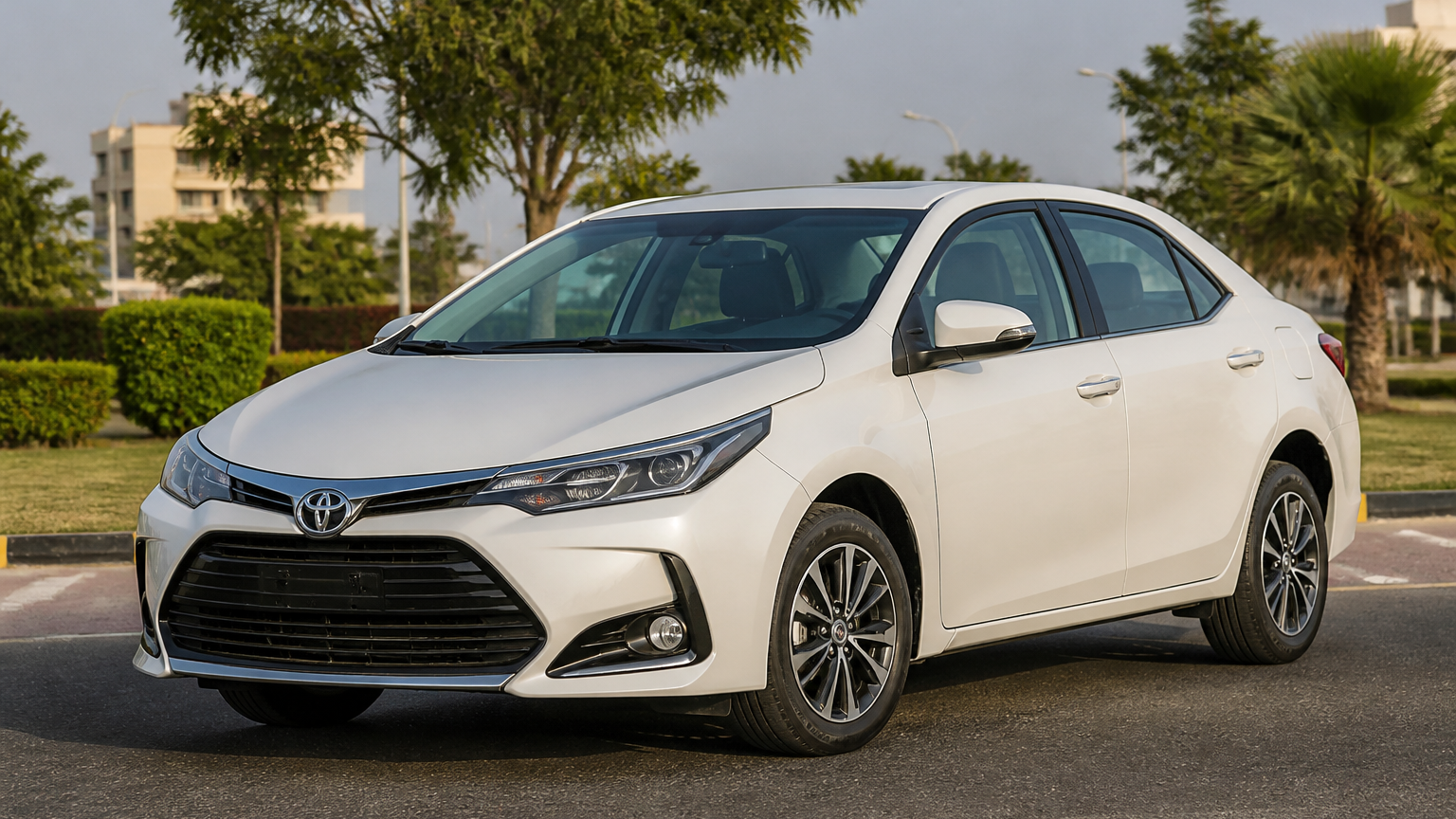
Toyota Corolla Discontinued Before Pakistan Facelift
Pakistan’s pre-facelift Toyota Corolla is reportedly discontinued, hinting at a facelift. Prices, bookings, specs and launch timing remain unconfirmed.
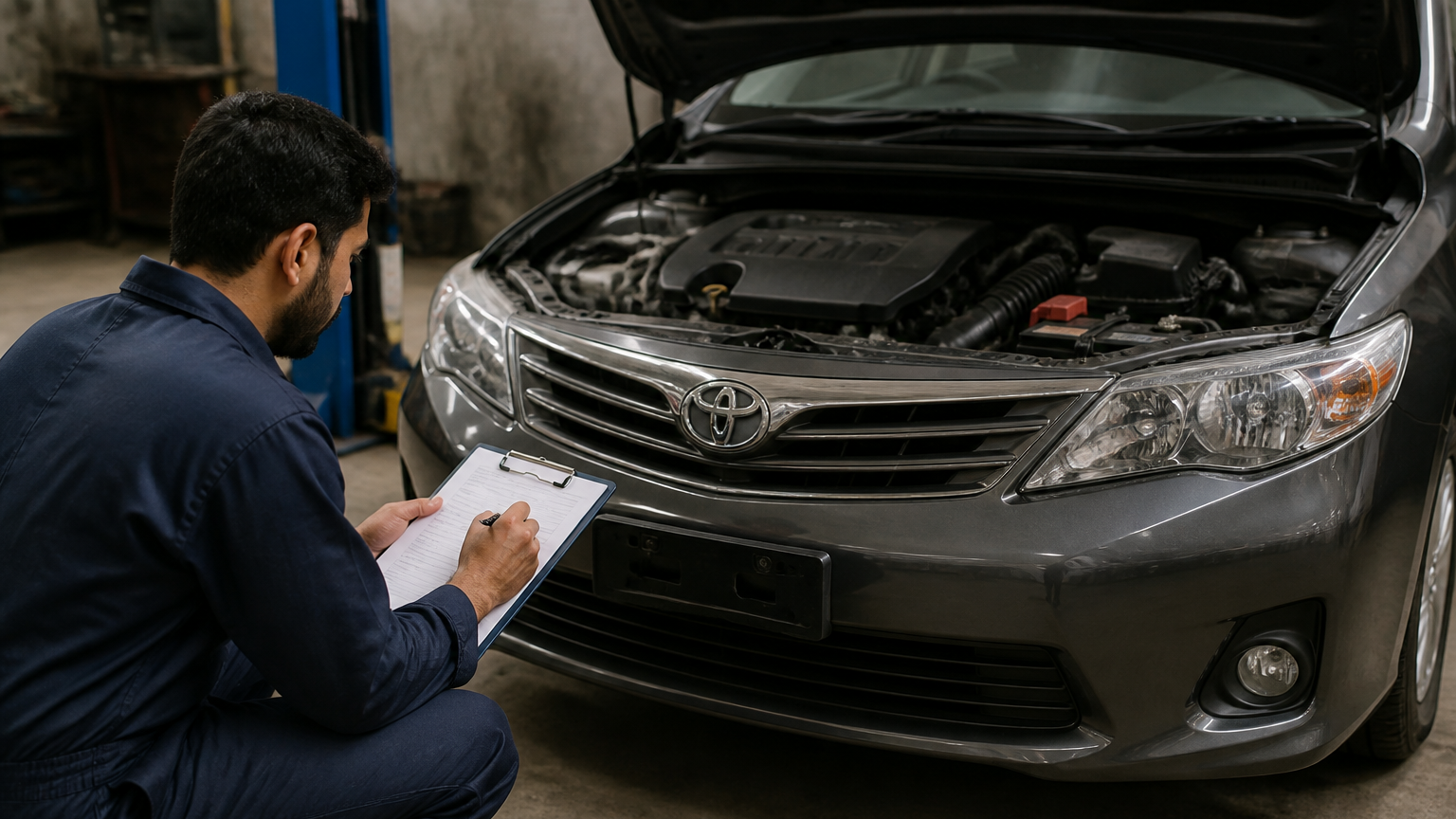
DrivePK Car Inspection Reports: Buy with Confidence
Buying a used car in Pakistan? A pre-purchase inspection can reveal hidden damage, engine issues and red flags before you pay—but it’s not enough alone.
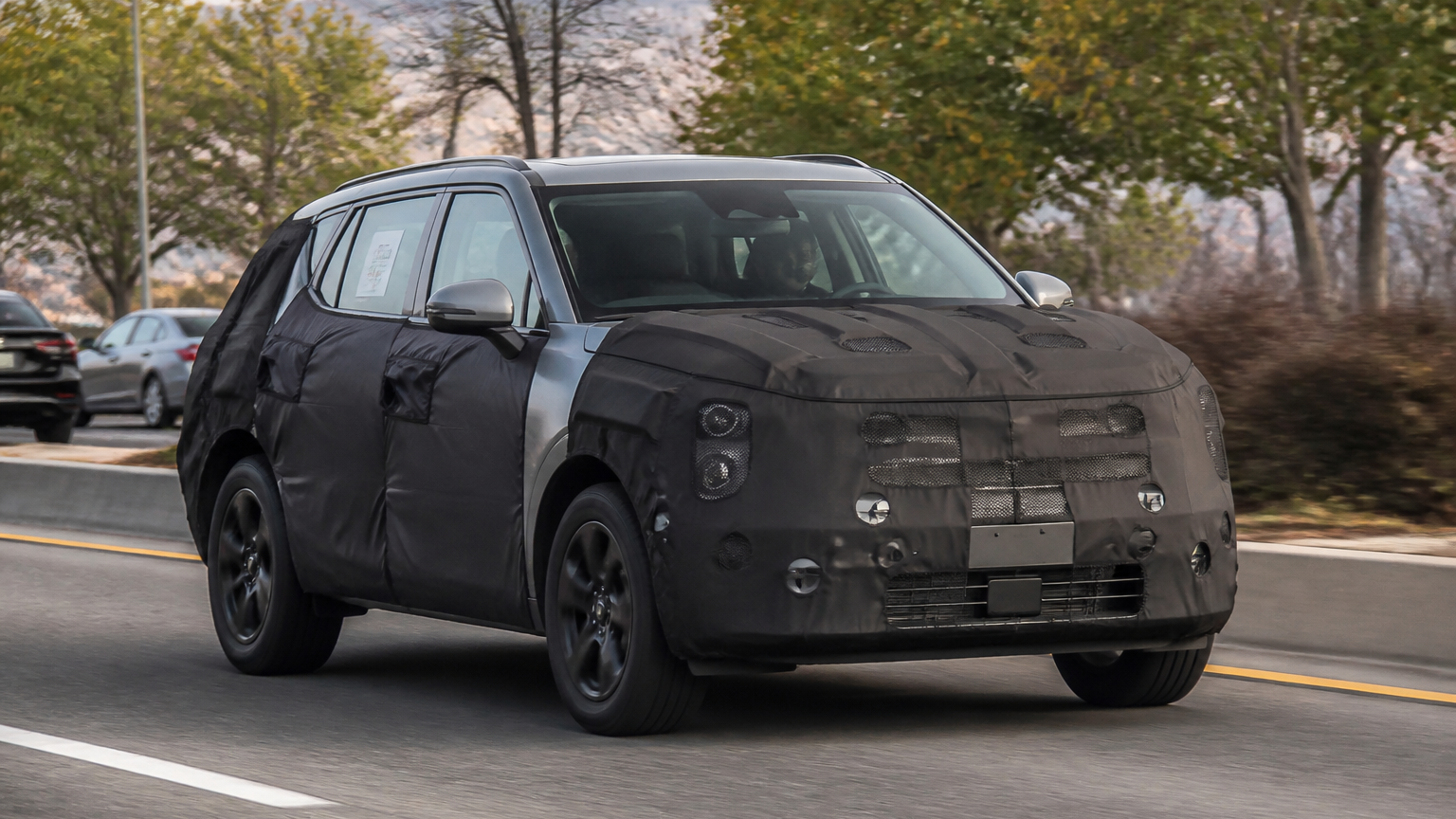
2028 Kia Sportage: Major Design Changes Spotted
Kia’s next Sportage may get a bolder, boxier redesign, with an upright profile, sharper lines, wider grille and split headlights hinted by spy shots.