Karachi Bans Daytime Heavy Vehicle Movement for Two Months to Cut Congestion
Karachi has banned daytime movement of heavy vehicles for two months starting December 23, 2025, to ease traffic and curb accidents. The restriction, under Section 144, allows travel only from 10 p.m. to 6 a.m., with exemptions for vital supplies. Designated routes and penalties apply.
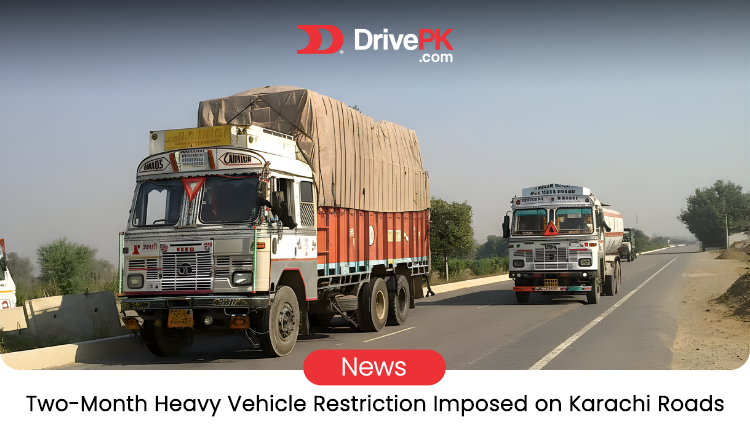
Table of Contents
- Why Now? The Accident Spike
- Routes and Rules for Heavy Hauliers
- How It Affects Daily Life
- Past Efforts and Lessons
- Public Reaction So Far
- Broader Safety Push
- What Commuters Should Know
- Looking Ahead to February
- Why Safety Matters Most
- Final Thoughts
Karachi's traffic is no joke. Jams stretch for miles, horns blare nonstop. Now add heavy dumpers rumbling through. They cause wrecks and slow everything down. That's why the city stepped in. From December 23, 2025, to February 22, 2026, a ban hit the daytime movement of these big rigs.
The rule comes under Section 144 of the Criminal Procedure Code. It stops heavy vehicles from city limits during the day. They can only roll from 10 p.m. to 6 a.m. That's night hours when the roads are quiet. The goal? Cut congestion and drop accident numbers.
But not all trucks face the axe. Those hauling water, edible oil, or medical supplies get a pass. They keep essentials flowing. Without that, shops could be empty, and hospitals would struggle.
Why Now? The Accident Spike
Accidents have climbed. Heavy vehicles play a big role in fatal accidents. Dumpers tip over, crush cars, or block lanes. Commuters pay the price. Recent crashes sparked outrage. People demand safer streets.
The ban follows those concerns. Officials saw the pattern: daytime chaos peaks with these beasts on the move. Night shifts mean fewer folks around, less risk.
It's not the first try. Past restrictions helped, but lapsed. Now they extend it to two months. Hope is to test if it sticks, maybe make it permanent.
Routes and Rules for Heavy Hauliers
No free-for-all at night either. Designated paths keep them off busy spots. Super Highway, National Highway, Northern Bypass, these are the go-tos. They skirt the city core and reduce mix-ups with local traffic.
For industrial zones, a twist. Dumpers with tracking devices can operate inside. Karachi Traffic Police watch them closely. It's a nod to business needs. Factories can't halt.
Break the rules? Penalties hit hard. Fines, impounds, whatever it takes. Enforcement squads patrol. They mean business.
How It Affects Daily Life
For regular drivers, this could ease up. Fewer trucks mean smoother flows. Morning rushes might shorten. Evening commutes, too.
But truckers grumble. Night shifts disrupt sleep and family time. Costs rise with overtime. Some worry about delays in goods delivery.
Businesses adapt. Construction sites stock up early. Shops plan around night hauls. It's a shuffle, but safety wins out.
Public transport might benefit. Buses and rickshaws zip faster without dodging dumpers.
Past Efforts and Lessons
Karachi tried similar bans before. Last year, short restrictions cut accidents somewhat. But enforcement slipped, and problems returned.
This time, tracking tech adds teeth. Police use it to spot violators quickly.
Other cities watch. Lahore and Islamabad face similar issues. If it works here, they might copy.
Public Reaction So Far
Folks seem split. Drivers cheer less chaos. "Finally, safer roads," one said online. But transporters push back. They want talks on better timings.
Social media buzzes. Posts share near-miss stories with trucks. Calls for stricter checks grow.
Officials urge patience. Two months to see results. If crashes drop, extend it.
Broader Safety Push
This ban fits bigger plans. Road repairs and signal upgrades ongoing. Awareness drives teach safe driving.
Police train more on heavy vehicle stops. Tech like cameras helps.
But root causes linger. Overloaded trucks, poor maintenance. Rules target those, too.
What Commuters Should Know
Plan trips smart. Avoid peak hours if possible. Apps show real-time traffic.
Report violators. Hotlines take tips. Its community effort.
For truck owners, fit trackers now. Get permits for zones.
Looking Ahead to February
By February 22, 2026, the review comes. If congestion eases, accidents fall, ban might stay.
Or tweaks happen. Maybe shorter hours, more exemptions.
For now, nights belong to heavies. Days to the rest.
Why Safety Matters Most
Karachi grows fast. More cars, more risks. Measures like this protect lives.
Lost loved ones from crashes scar families. Prevention saves that pain.
Support the ban. Drive careful. Together, make streets safer.
Final Thoughts
These two-month trials are resolved. If it works, brighter commutes ahead.
Stay updated. Changes might come. Safe travels in Karachi. For more updates, visit DrivePK.com
Tags
Share this article
About the Author

Najeeb Khan
Automotive enthusiast and writer
Comments (0)
Login Required
You need to be logged in to comment on this article.
No comments yet. Be the first to share your thoughts!
Related Articles
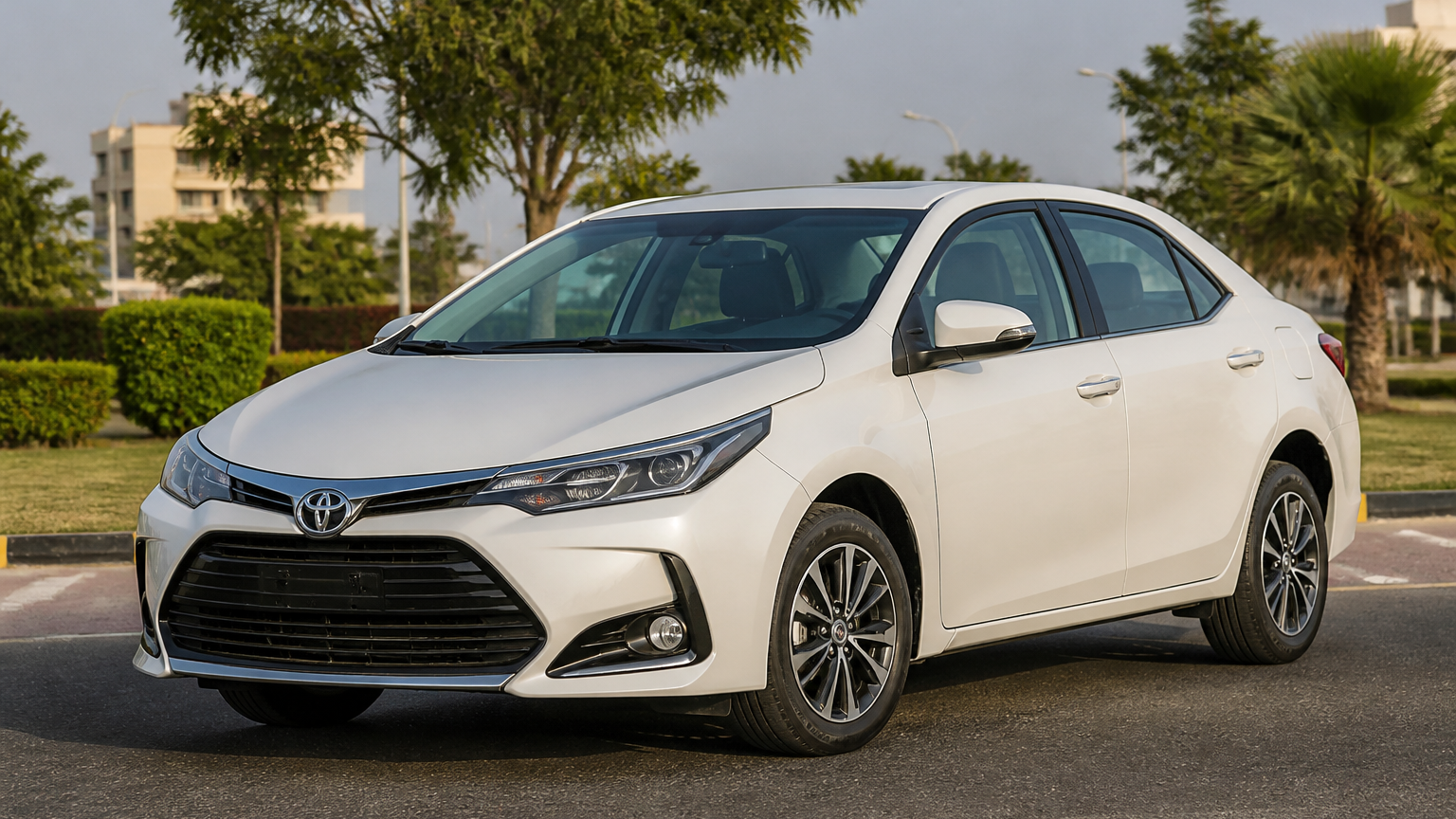
Toyota Corolla Discontinued Before Pakistan Facelift
Pakistan’s pre-facelift Toyota Corolla is reportedly discontinued, hinting at a facelift. Prices, bookings, specs and launch timing remain unconfirmed.
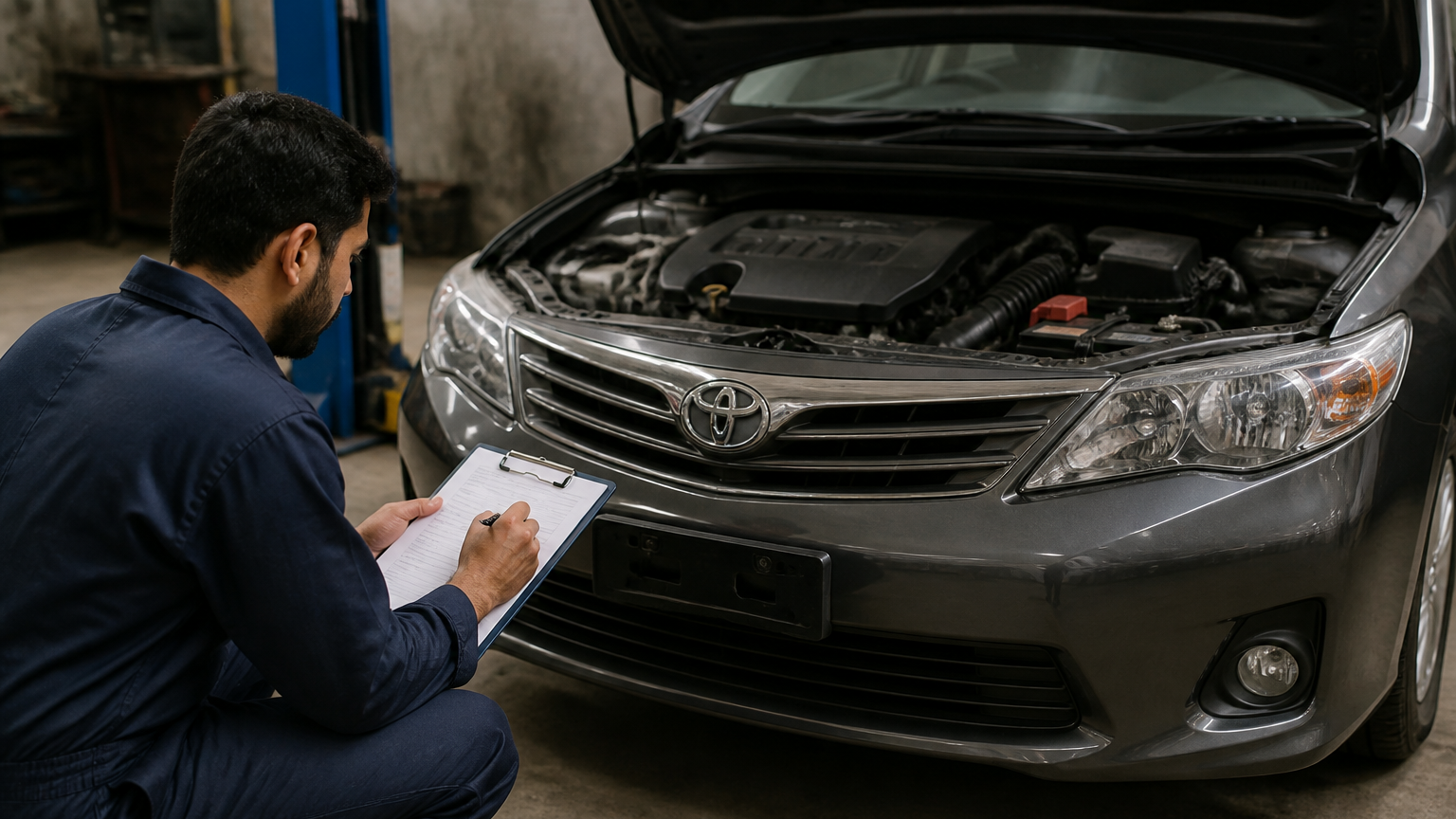
DrivePK Car Inspection Reports: Buy with Confidence
Buying a used car in Pakistan? A pre-purchase inspection can reveal hidden damage, engine issues and red flags before you pay—but it’s not enough alone.
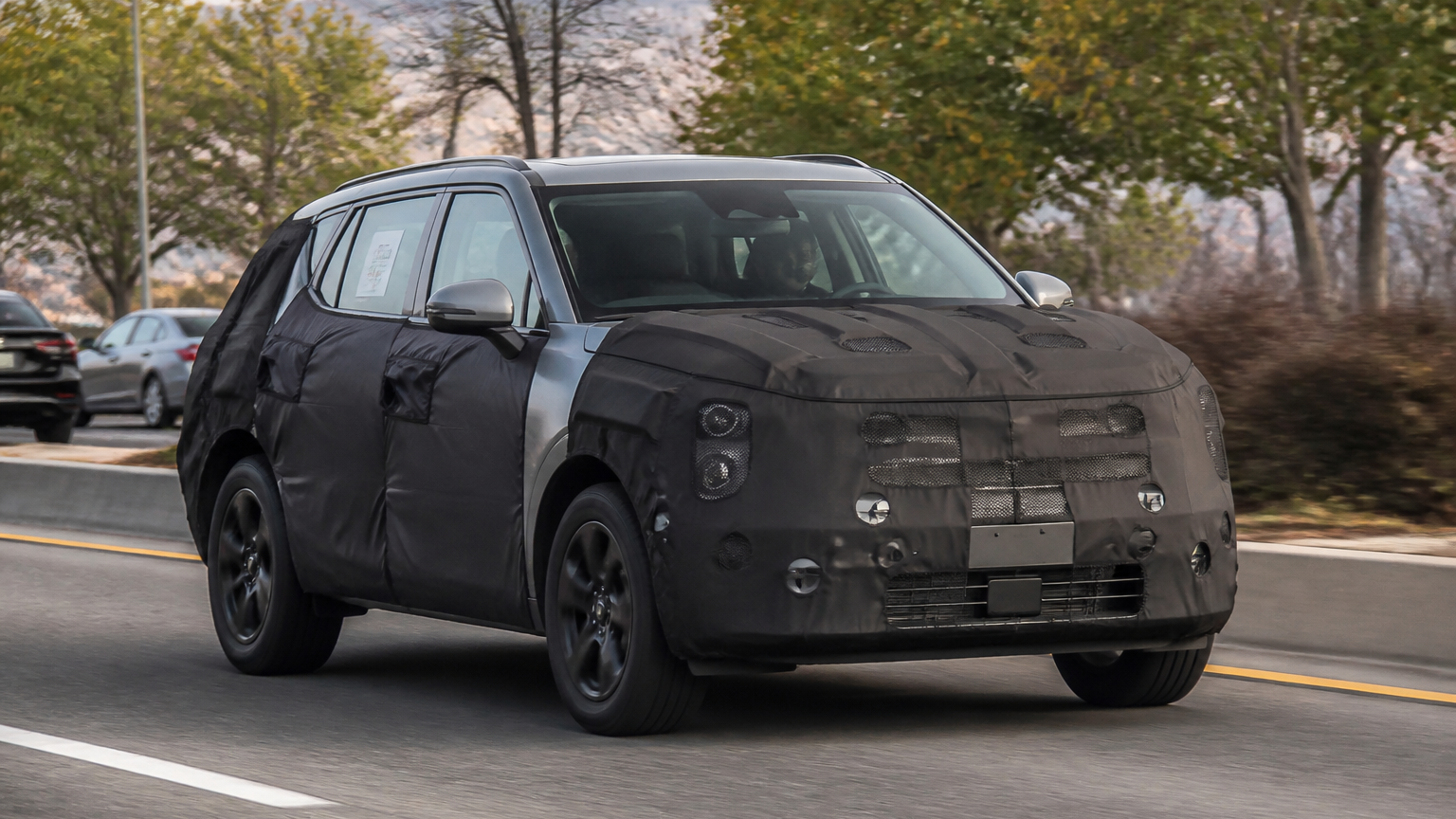
2028 Kia Sportage: Major Design Changes Spotted
Kia’s next Sportage may get a bolder, boxier redesign, with an upright profile, sharper lines, wider grille and split headlights hinted by spy shots.