Karachi Drivers Just Got Hit with Rs710 Million in Fines and the Crackdown Isn’t Stopping
Karachi drivers were fined over Rs710 million in one month, with seatbelt violations alone making up the majority. The Sindh High Court has refused to pause the e-challan system, meaning the crackdown will continue as cameras tighten enforcement across the city.
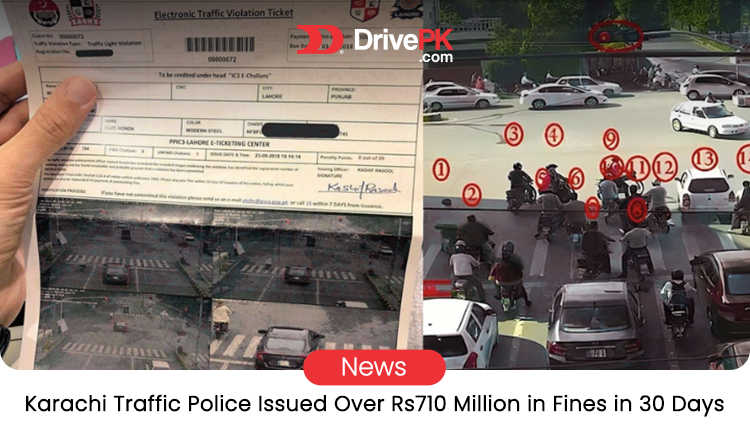
Table of Contents
- Karachi Drivers Just Got Hit with Rs710 Million in Fines and the Crackdown Isn’t Stopping
- The Breakdown
- Sindh High Court Says “No Pause”
- This Isn’t About Revenue. It’s About Survival.
- What You Can Actually Do Right Now
- Bottom Line
Karachi Drivers Just Got Hit with Rs710 Million in Fines and the Crackdown Isn’t Stopping
If you’ve driven anywhere in Karachi over the past month, you’ve probably felt it: the city is watching.
Traffic police issued fines worth more than Rs710 million in just 30 days. That’s real money leaving people’s pockets, and the biggest chunk, Rs575.41 million, came from one simple violation: not wearing a seatbelt.
Yes. Seatbelts alone accounted for over 80% of the total fines.
The Breakdown
- Seatbelt violations: Rs575.41 million
- Motorcycle riders without helmets: Rs111.13 million
- Tinted windows: Rs29.45 million
- Everything else: the remaining crumbs
That means hundreds of thousands of drivers and riders got caught. Most of them for something that takes two seconds to fix.
Sindh High Court Says “No Pause”
Someone finally challenged the e-challan system in court and asked for an immediate stay. The Sindh High Court straight-up rejected it.
The bench told the petitioner: follow the law first, argue later.
They summoned DIG Traffic AVCC Ahmed Nawaz Cheema to appear in person on December 11, 2025. The petitioner’s lawyer argued Karachi is being treated worse than Lahore and that bus owners are suffering because the city still has no proper bus stands.
The court basically said: we’ll hear everyone, but the fines keep coming until then.
This Isn’t About Revenue. It’s About Survival.
Karachi’s roads are brutal. We lose friends and family every year because someone thought “bas thodi door hai” and skipped the seatbelt or helmet.
The police can make all the money they want – if it forces even a few thousand more people to buckle up or wear a helmet, it’s worth it.
But let’s be honest: getting a Rs2,000 challan in the mail when you’re already struggling with bills feels like a punch in the gut. Especially when half the city’s roads are broken and public transport is a joke.
What You Can Actually Do Right Now
- Wear your damn seatbelt. Every single time. Even for a 2-minute drive to the corner shop.
- Helmet on, strap tight, no exceptions, no “just to the market” excuses.
- Remove the tint or pay the price. They’re not playing anymore.
- Check Sadapay or your bank app regularly. Many people don’t even know they have pending challans until they try to pay tax or sell the car.
The cameras are everywhere now. Shahrah-e-Faisal, Korangi, Gulistan-e-Jauhar, Clifton – nowhere is safe.
Bottom Line
The Sindh High Court has made it clear: the e-challan system stays until they say otherwise.
So you have two choices.
Keep paying fines and complaining.
Or spend three seconds clicking that seatbelt and save yourself Rs2,000 every single trip.
Your wallet and your life will both thank you.For more updates, visit DrivePK.com
Tags
Share this article
About the Author
Najeeb Khan
Automotive enthusiast and writer
Comments (0)
Login Required
You need to be logged in to comment on this article.
No comments yet. Be the first to share your thoughts!
Related Articles
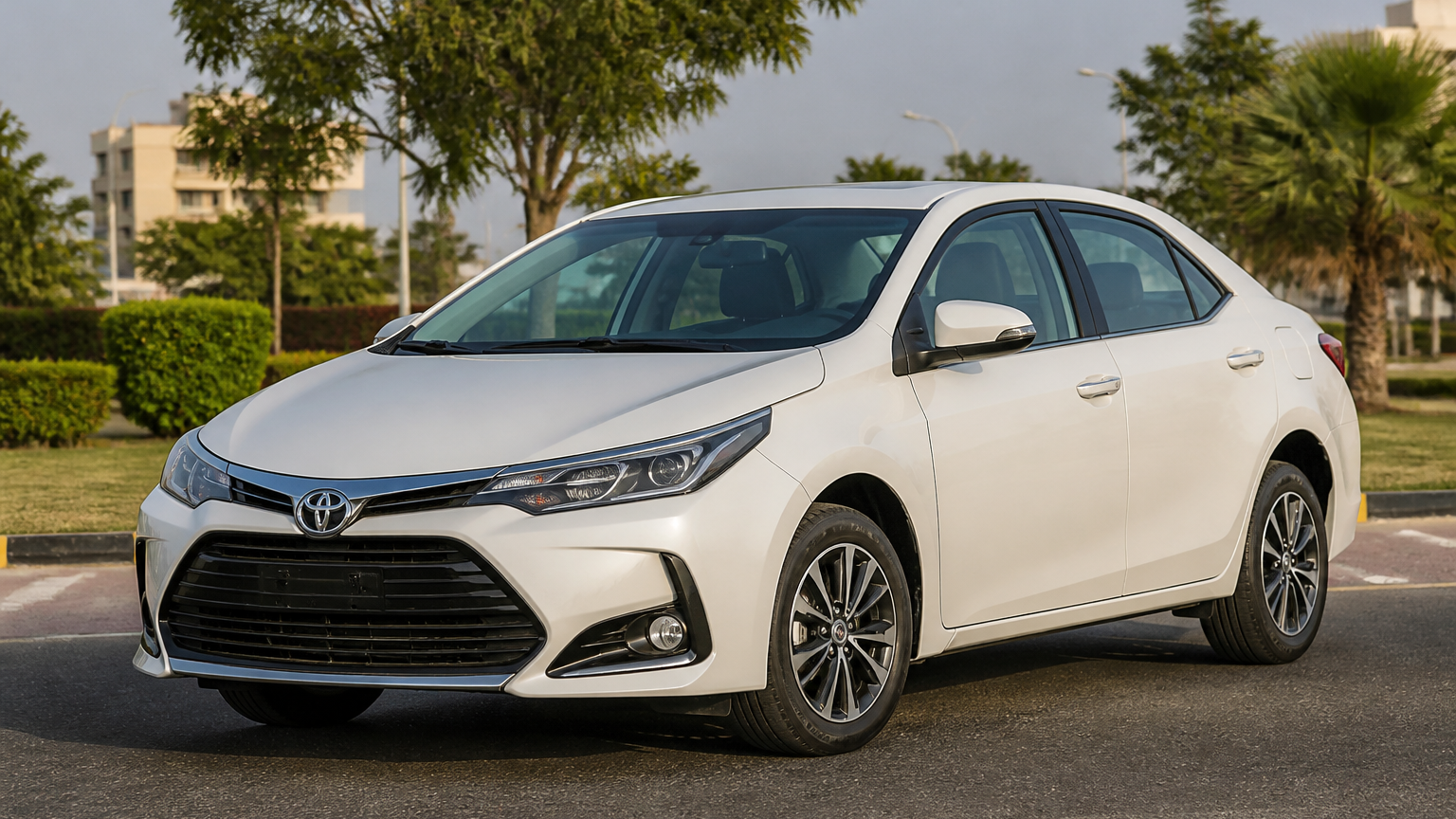
Toyota Corolla Discontinued Before Pakistan Facelift
Pakistan’s pre-facelift Toyota Corolla is reportedly discontinued, hinting at a facelift. Prices, bookings, specs and launch timing remain unconfirmed.
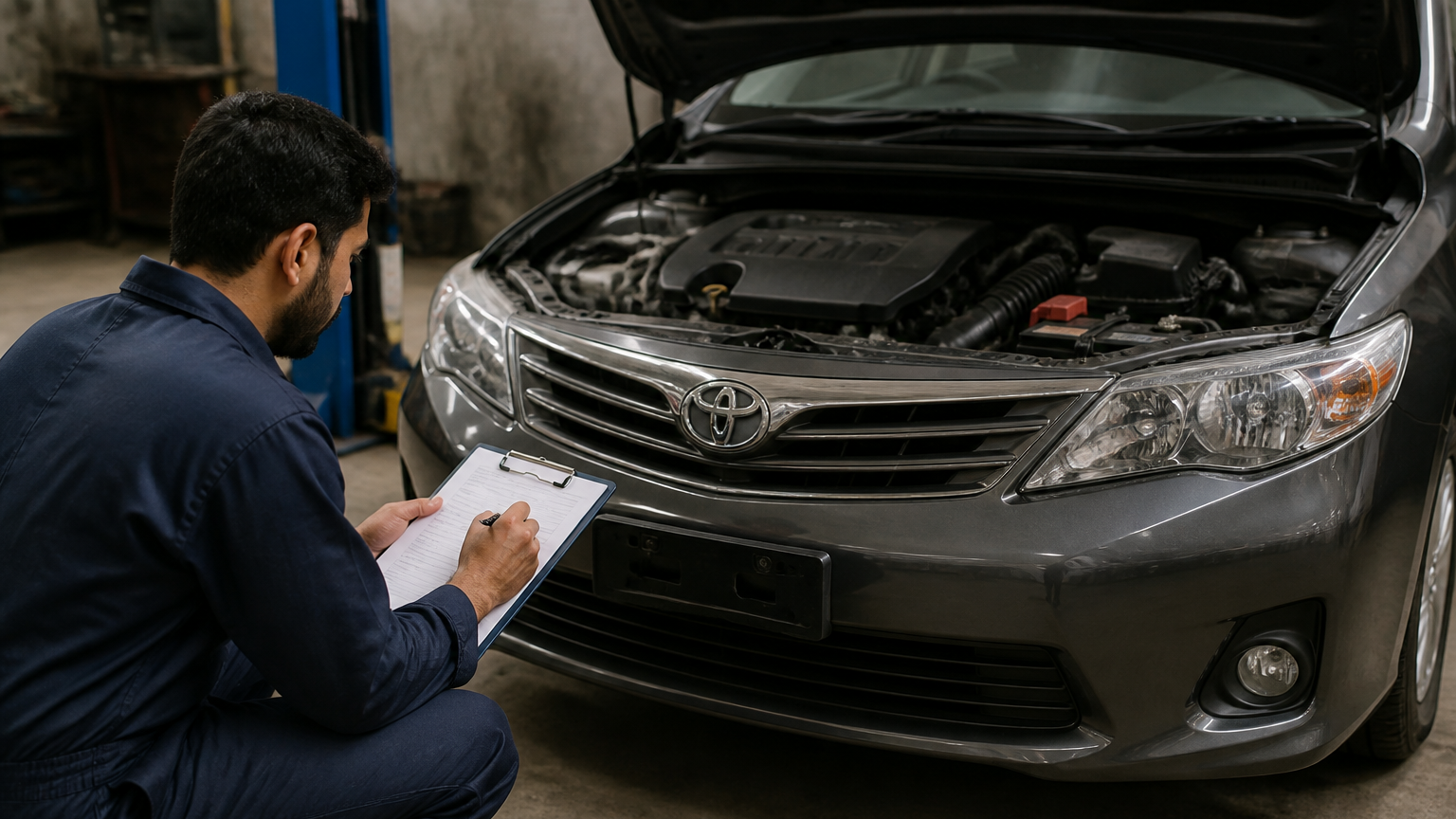
DrivePK Car Inspection Reports: Buy with Confidence
Buying a used car in Pakistan? A pre-purchase inspection can reveal hidden damage, engine issues and red flags before you pay—but it’s not enough alone.
2028 Kia Sportage: Major Design Changes Spotted
Kia’s next Sportage may get a bolder, boxier redesign, with an upright profile, sharper lines, wider grille and split headlights hinted by spy shots.