Karachi Launching Electric Taxi Service in Dec 2025 | Clean & Affordable
Karachi is rolling out Pakistan’s first government-run electric taxi service in Dec 2025, with a women’s fleet, charging stations, and cleaner rides for all.
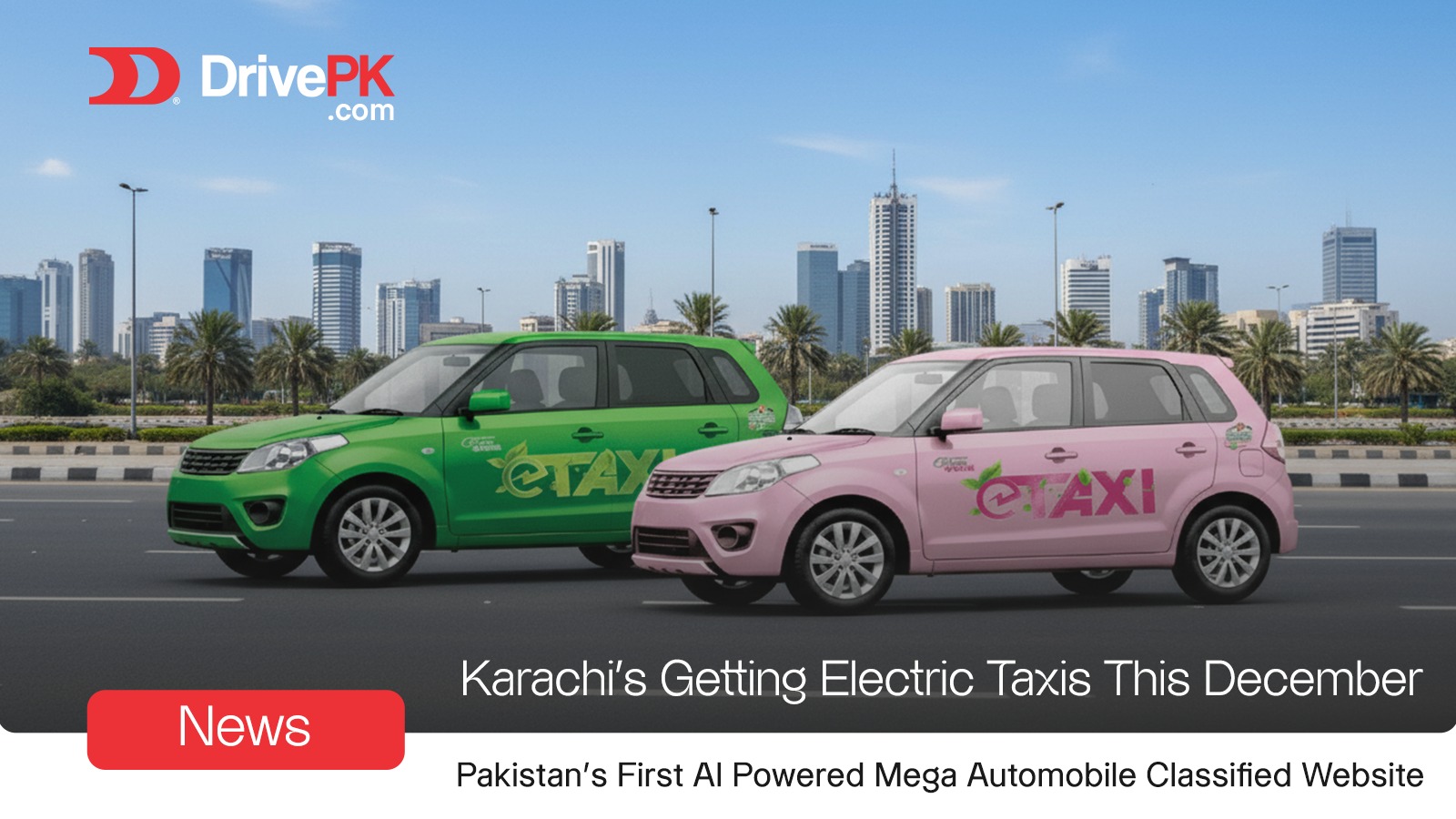
Table of Contents
- Deal is Awesome?
- Blessing for Women!
- Why Should You Care?
- Conclusion
The people of Karachi have faced huge transportation issues for many decades, with the exhaust fumes, the fare negotiations, and the general chaos; commuting here can feel like a survival sport. But here's something that actually got me excited: Pakistan's first government-run electric taxi service is launching in Karachi this December.
Senior Minister Sharjeel Inam Memon announced it recently, and honestly, it sounds like the kind of change we've been waiting for. This isn't just about having new taxis on the road – it's part of Chairman Bilawal Bhutto-Zardari's bigger plan to modernize how we get around while actually caring about the environment for once.
Deal is Awesome?
Imagine you have a taxi that doesn’t have a bad smell or other maintenance hassles. That's the idea here. These electric taxis will be running on Karachi's streets by year-end, and they're building charging stations around the city to keep them going. It's not just a trial run either – they're serious about making this work long-term.
The Sindh government has actually been on a roll with transport lately. The People's Bus Service has been pretty successful; they've brought in electric buses, and now they're even planning double-deckers. Who would've thought?
Blessing for Women!
Here's what stood out to me: they're reserving part of the fleet specifically for women. It connects with their Pink Bus and Pink Scooty programs, which are oragized, which have specially for women who need safe, reliable ways to get around.
So that is critical for women who often face harassment on public transport. It's not just a good initiative, but it's practical and needed.
Why Should You Care?
Beyond the obvious perks of cleaner air and cheaper rides, there's the bigger picture. Pakistan spends billions importing oil every year, and transport is a huge chunk of our emissions problem. Electric vehicles are the ultimate solution to resolve these issues. could actually help with both issues.
Conclusion
Most people have less time breathing in exhaust, more predictable fares, and transport options that don't make you feel like you're sacrificing your lungs for convenience.
December isn't that far off. Everyone is curious to see how this actually goes on because December is ahead – Hope that the infrastructure will keep up, if the fares will really be affordable,
What do you think? Would you take an EV taxi over a regular one? Let me know in the comments.
Tags
Share this article
About the Author

Najeeb Khan
Automotive enthusiast and writer
Comments (0)
Login Required
You need to be logged in to comment on this article.
No comments yet. Be the first to share your thoughts!
Related Articles
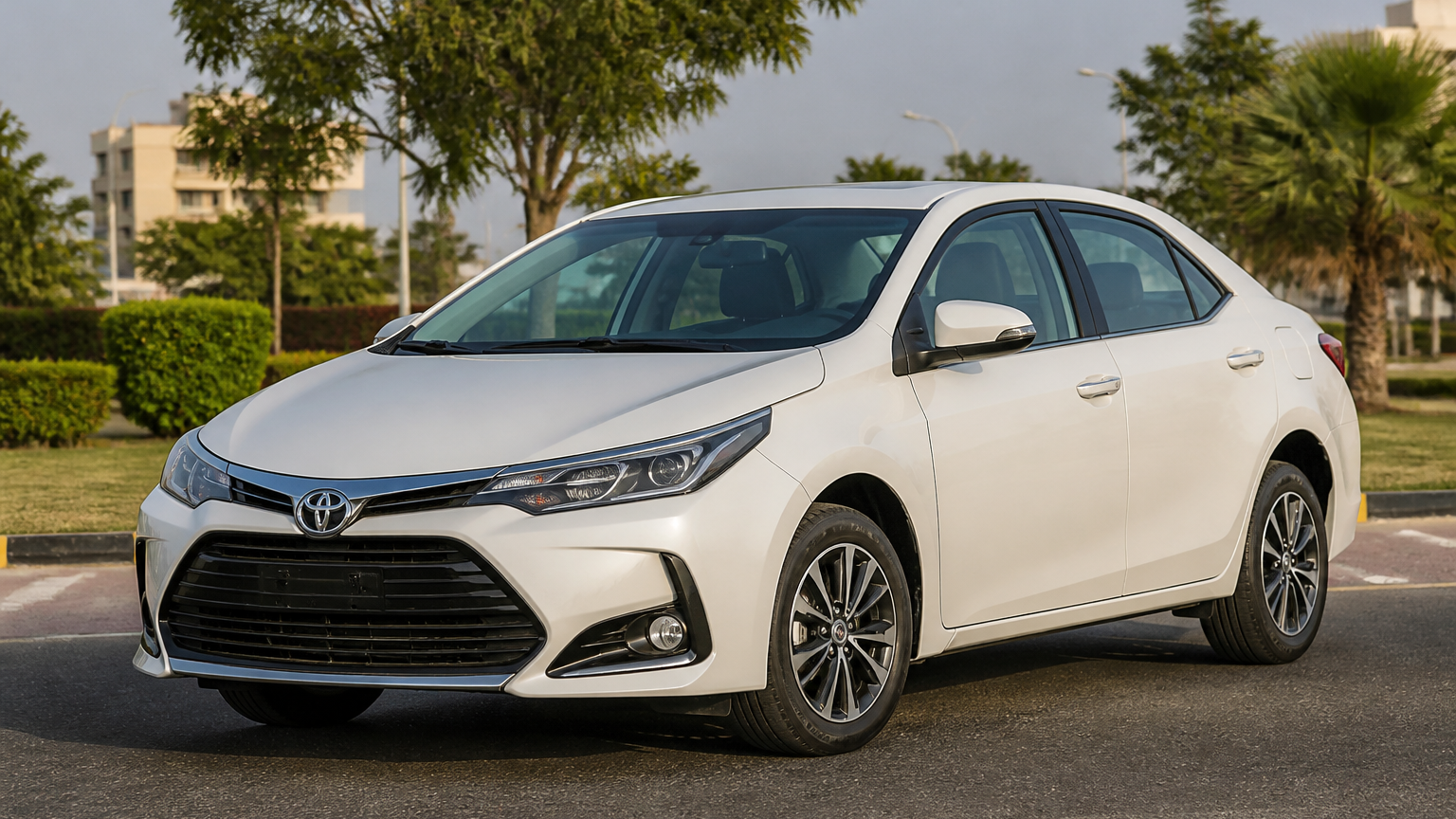
Toyota Corolla Discontinued Before Pakistan Facelift
Pakistan’s pre-facelift Toyota Corolla is reportedly discontinued, hinting at a facelift. Prices, bookings, specs and launch timing remain unconfirmed.
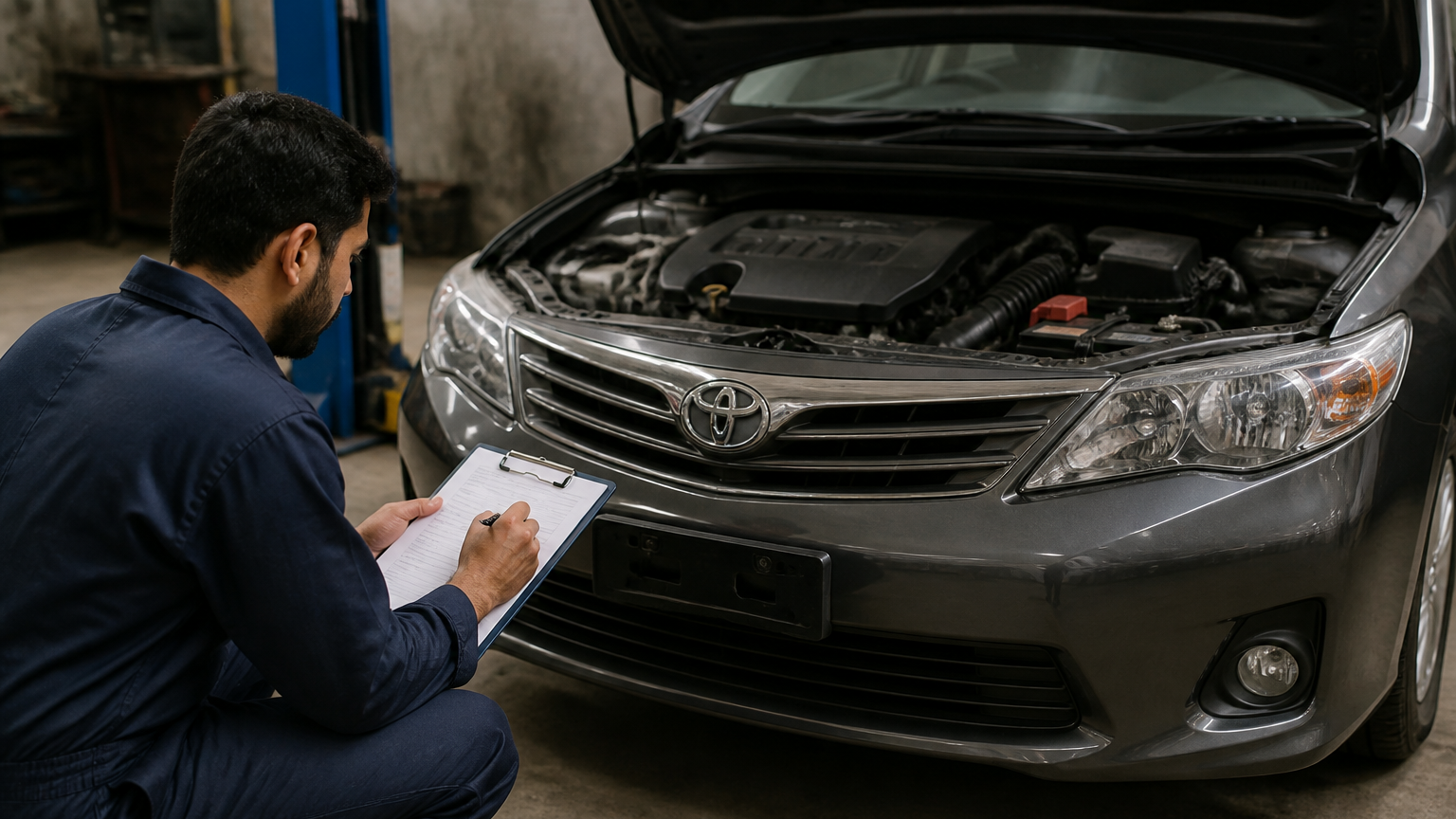
DrivePK Car Inspection Reports: Buy with Confidence
Buying a used car in Pakistan? A pre-purchase inspection can reveal hidden damage, engine issues and red flags before you pay—but it’s not enough alone.
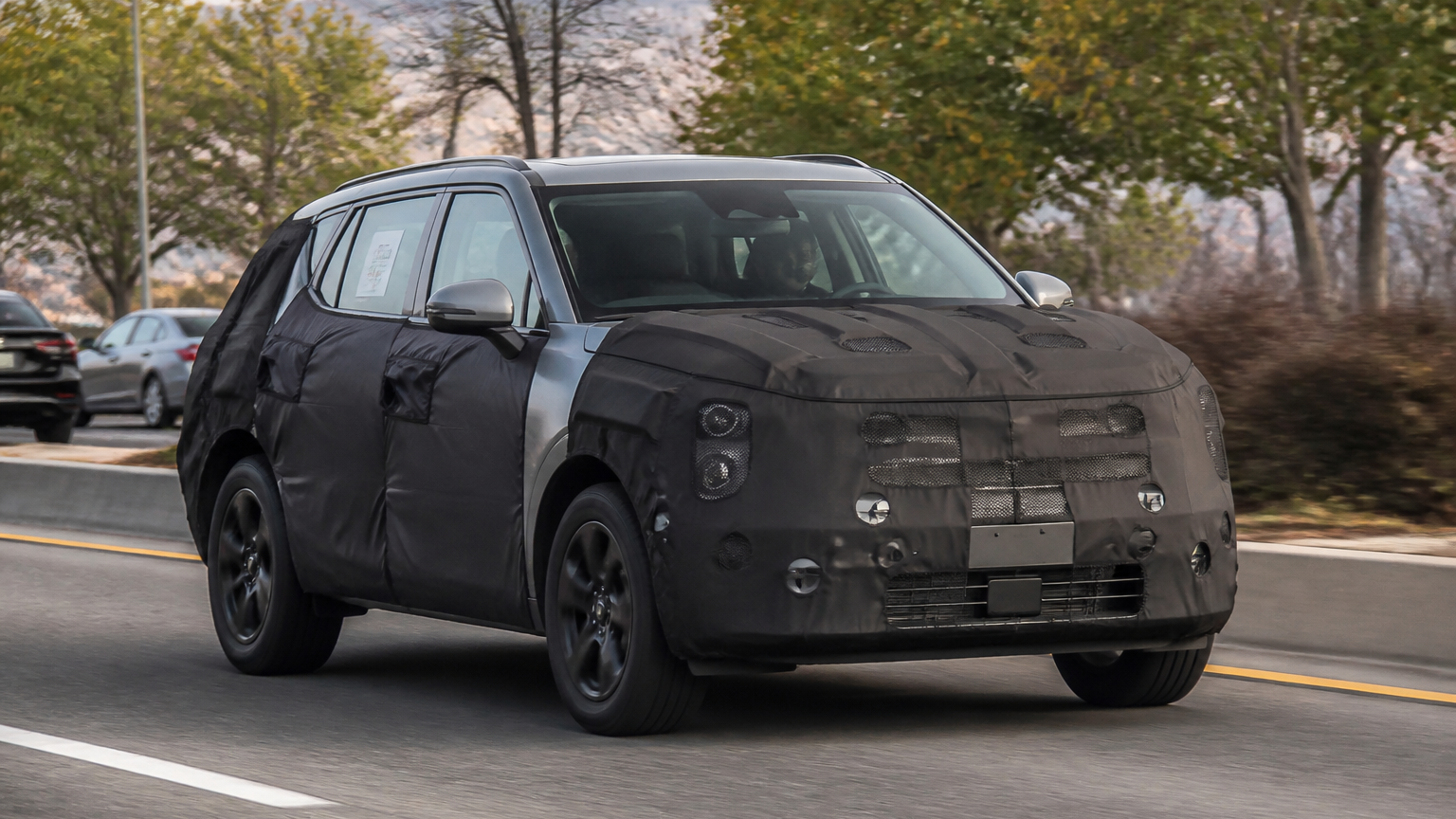
2028 Kia Sportage: Major Design Changes Spotted
Kia’s next Sportage may get a bolder, boxier redesign, with an upright profile, sharper lines, wider grille and split headlights hinted by spy shots.