Karachi Now Has Robot Cars That Catch Parking Violators on the Spot
Karachi Traffic Police have deployed unmanned camera cars that automatically detect illegal parking and issue instant e-challans. The pilot in Saddar and Tariq Road aims to clear congestion, stop on-spot bribery, and shift ticketing to a fully automated system.
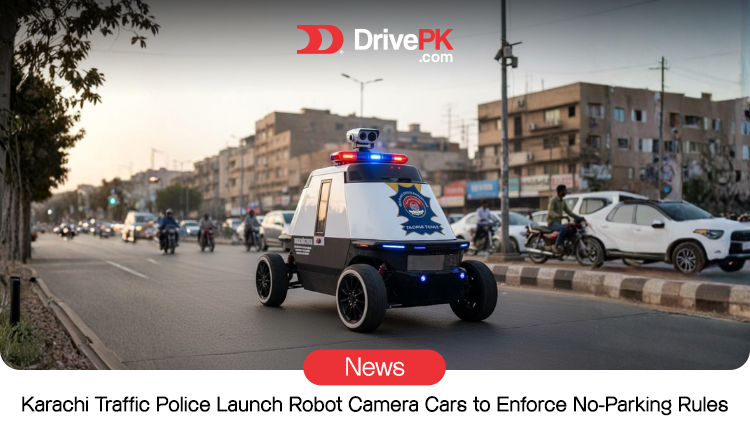
Table of Contents
- Where it’s happening first
- How the robot cars work
- Why they’re doing this
- What drivers can expect now
- Next steps
- The bottom line
Karachi Traffic Police just rolled out something new: unmanned camera cars that spot illegal parking and send fines instantly. No officer needs to stand there with a ticket book anymore.
These robot cars are packed with high-resolution cameras. They drive slowly through busy areas, scan both sides of the road, and catch anyone parked in no-parking zones or double-parked. The moment the system sees a violation, it snaps photos of the number plate and fires off an e-challan to the owner’s phone and address. All automatic.
Where it’s happening first
The pilot is running in two of the most crowded spots in Karachi:
- Saddar
- Tariq Road
If you’ve ever tried to drive through these places, you know the chaos. One wrongly parked car or delivery van can jam the whole street for half an hour. That’s exactly what the police want to stop.
How the robot cars work
The vehicles move at a set low speed. Cameras on all sides read number plates in real time. Software decides if the car is breaking the rules. If yes, the fine is issued in seconds. No human touches the process after the car leaves the garage.
That means no arguments, no requests for “adjust kar lo, sir,” and no chance for anyone to slip a note and walk away.
Why they’re doing this
Traffic police say too many officers were tied up writing parking tickets instead of managing flow at signals and intersections. The old way also opened the door to corruption; some drivers paid cash on the spot and never got an official fine.
With robot cars, every violation goes on record. Money goes straight to the government account. Officers stay free to handle real emergencies.
What drivers can expect now
If you park where you’re not supposed to in Saddar or Tariq Road, your phone will buzz with a fine before you even finish shopping. The fine amount is the same as before, usually between Rs. 500 and Rs. 2,000, depending on the violation, but now there’s no escaping it.
People who follow the rules have nothing to worry about. In fact, roads should start clearing faster once habitual offenders get a few quick fines.
Next steps
The pilot will run for a few weeks. If it works, and early signs say it already is, the traffic police plan to add more robot cars and cover other hot spots like Clifton, Defence, Gulistan-e-Jauhar, and Shahrah-e-Faisal.
The bottom line
Karachi is finally using tech to fix a problem that everyone complains about, but no one could solve. Cleaner roads, less congestion, and zero “favour” culture on parking tickets.
Park smart, or pay fast. The robot cars don’t take bribes, and they don’t get tired.
For more updates, visit DrivePK.com
Tags
Share this article
About the Author

Najeeb Khan
Automotive enthusiast and writer
Comments (0)
Login Required
You need to be logged in to comment on this article.
No comments yet. Be the first to share your thoughts!
Related Articles
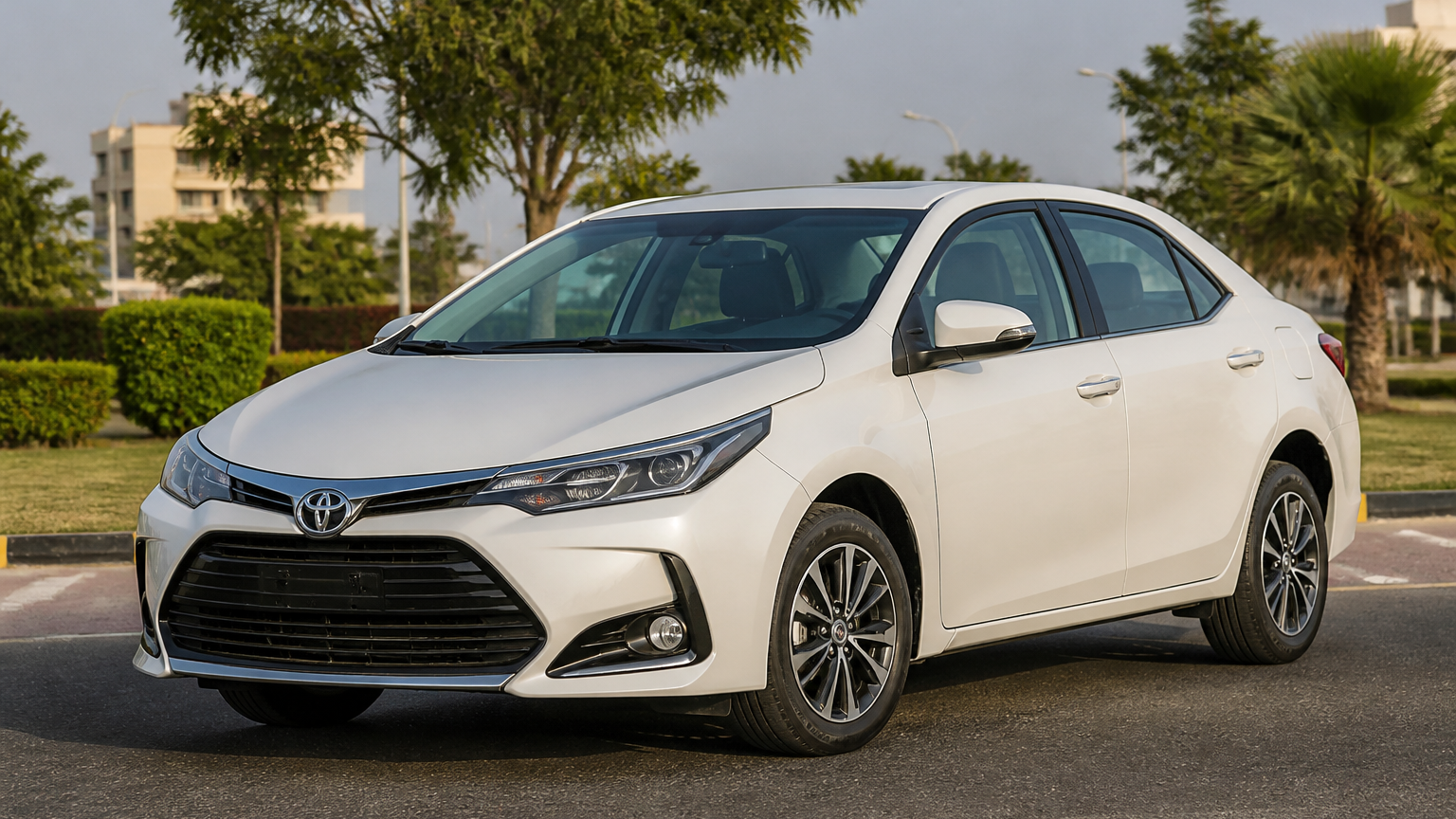
Toyota Corolla Discontinued Before Pakistan Facelift
Pakistan’s pre-facelift Toyota Corolla is reportedly discontinued, hinting at a facelift. Prices, bookings, specs and launch timing remain unconfirmed.
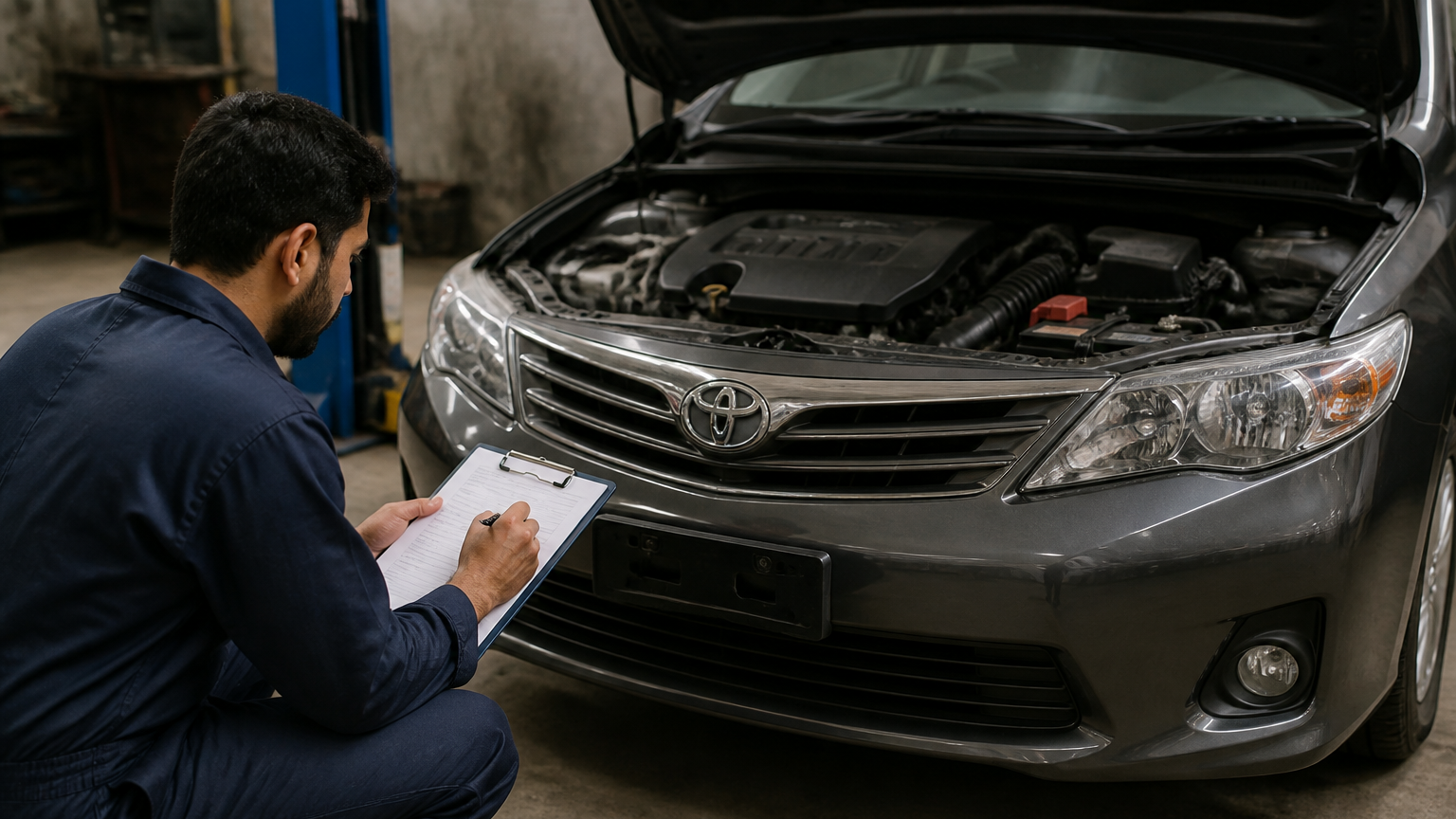
DrivePK Car Inspection Reports: Buy with Confidence
Buying a used car in Pakistan? A pre-purchase inspection can reveal hidden damage, engine issues and red flags before you pay—but it’s not enough alone.
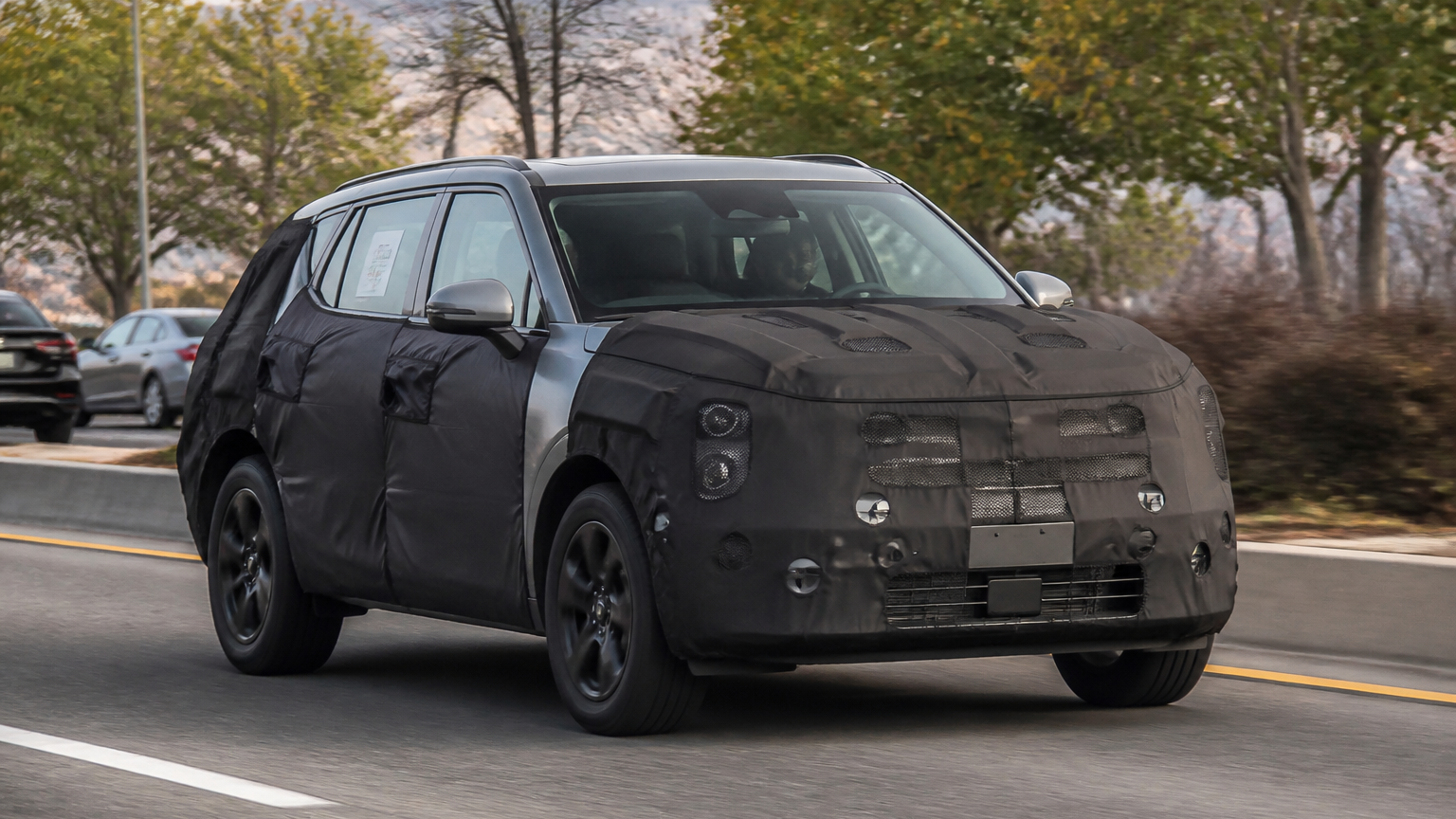
2028 Kia Sportage: Major Design Changes Spotted
Kia’s next Sportage may get a bolder, boxier redesign, with an upright profile, sharper lines, wider grille and split headlights hinted by spy shots.