KP Personalized Registration Marks 2025 , New PRM Rules & Digital Vehicle Registration
Khyber Pakhtunkhwa has unveiled its new Personalized Registration Marks (PRM) system, allowing vehicle owners to keep their number plates for life and reserve custom numbers online. The digital rollout aims to curb cloned plates, boost transparency, and simplify vehicle registration for citizens.
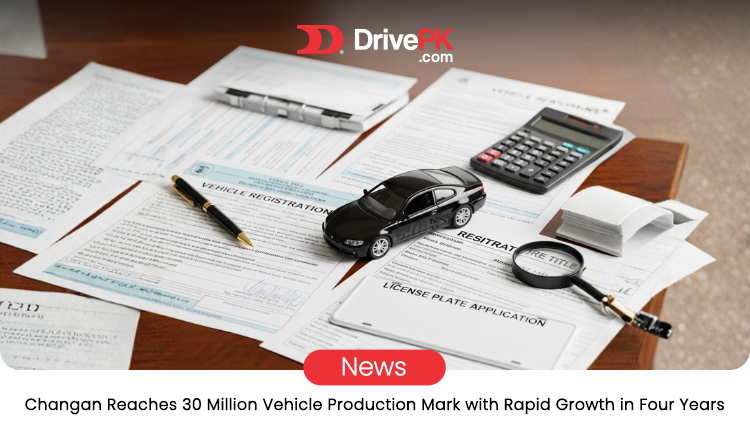
Table of Contents
- What the PRM System Brings
- How It Tackles Old Problems
- Benefits for Citizens and the Province
- Beyond Registration: Anti-Drug Push
- How to Get Started
- What This Means Long-Term
- Conclusion
Khyber Pakhtunkhwa just rolled out a fresh take on vehicle registration. Chief Minister Muhammad Sohail Afridi launched the Personalized Registration Marks (PRM) system this week. It puts the number plate in your hands, not tied to the car. If you sell your ride, the number stays with you. The buyer starts over with a new one. This could change how people handle their vehicles in the province.
And it's all digital now. No more paperwork hassles or shady deals. The goal? Make things quick and clean. For folks tired of cloned plates or illegal cars on the road, this might help.
What the PRM System Brings
Under PRM, your registration number acts like your ID card. It belongs to you, the owner. Sell the car? Keep the number. The new owner applies for their own. This stops the old way where numbers were stuck to vehicles forever.
You can pick your number too. Reserve it for up to three years, even without a car yet. That gives time to plan. Maybe grab a special combo that means something to you. It's personal, hence the name.
The system goes fully online. The Chief Minister told the Excise Department to build it that way. Apply from home, track progress, no lines. It cuts out middlemen who might ask for extras under the table.
How It Tackles Old Problems
Fake plates have been a headache. Cloned numbers let crooks hide stolen cars or dodge fines. With PRM, each number ties to one person. That makes fakes easier to spot. Police can check ownership fast.
Illegal vehicle use drops, too. If numbers don't transfer with sales, it forces proper handovers. No more quick flips without records. The Chief Minister called it a step to clean up the roads.
Transparency stands out. Digital means audits and logs. Corruption? Harder to pull off when everything's tracked. For everyday drivers, this speeds things up. Register once, keep it simple.
But what if you move provinces? Details aren't clear yet. Stick to KP rules for now.
Benefits for Citizens and the Province
Owners win big. Your number becomes an asset. Like a phone number you port. Build history with it fewer questions at checkpoints.
For the government, revenue might steady. Proper registrations mean better tax collection. No loopholes for evaders.
Environment gets a nod indirectly. Fewer illegal cars could mean fewer unregistered polluters. But that's a stretch. The main win is security. Cloned plates fuel crime; this curbs it.
Young drivers or families might like the reservation bit. Save a number for a kid's first car. It's thoughtful.
Challenges exist, though. Not everyone has internet. Rural areas might need help centers. And initial glitches? Common with new tech.
Beyond Registration: Anti-Drug Push
The launch wasn't just about plates. The Chief Minister announced a Martyrs Package for Excise staff. These folks risk their lives in anti-narcotics ops. The package supports families if tragedy hits.
He pushed for tough action on big drug dealers. Protect the youth, make KP drug-free. It's tied to Excise duties. They handle more than taxes now.
This links vehicle checks to broader safety. Spotting drugs in cars is easier with solid records.
How to Get Started
Head to the KP Excise website. Look for the PRM section. Apply online once it's live. Need your CNIC, maybe vehicle details if you have one.
Reservations open soon. Pick numbers not taken. Fees? Not detailed yet, but expect some cost for custom ones.
If you're selling, inform the buyer. They'll need their own number. The transfer process should be smooth digitally.
Watch for updates. The system builds on existing MVRS. It integrates with online verification.
What This Means Long-Term
KP leads here. Other provinces might follow. Punjab has similar ideas, but KP makes it citizen-owned.
Road safety improves. Accurate ownership cuts accidents from bad drivers hiding.
Economy-wise, it boosts trust. Clean systems attract investment. For locals, less hassle means more focus on life.
But success depends on rollout. Train staff, fix bugs fast. Public awareness key ads or apps could help.
The Chief Minister sees it as reform. Ties to bigger goals like drug-free youth.
Conclusion
This PRM launch marks progress for KP vehicle owners. Numbers now yours for keeps. Digital shift promises ease and honesty. Add the anti-drug focus, and it's a rounded effort.
If you're in KP, check it out. It could simplify your next car deal. For others, watching how it plays out might spread. For more updates, visit DrivePK.com
Tags
Share this article
About the Author

Najeeb Khan
Automotive enthusiast and writer
Comments (0)
Login Required
You need to be logged in to comment on this article.
No comments yet. Be the first to share your thoughts!
Related Articles
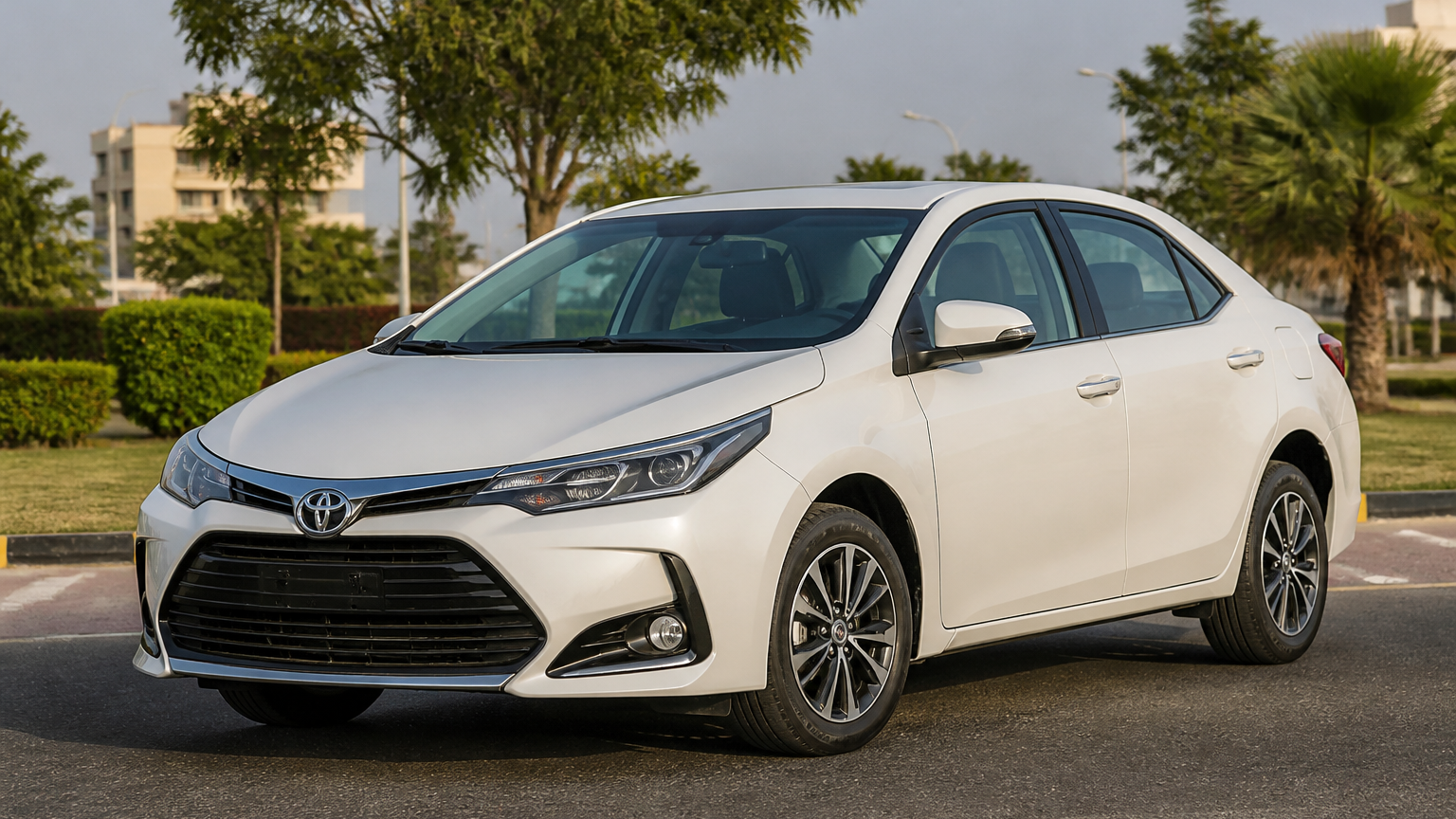
Toyota Corolla Discontinued Before Pakistan Facelift
Pakistan’s pre-facelift Toyota Corolla is reportedly discontinued, hinting at a facelift. Prices, bookings, specs and launch timing remain unconfirmed.
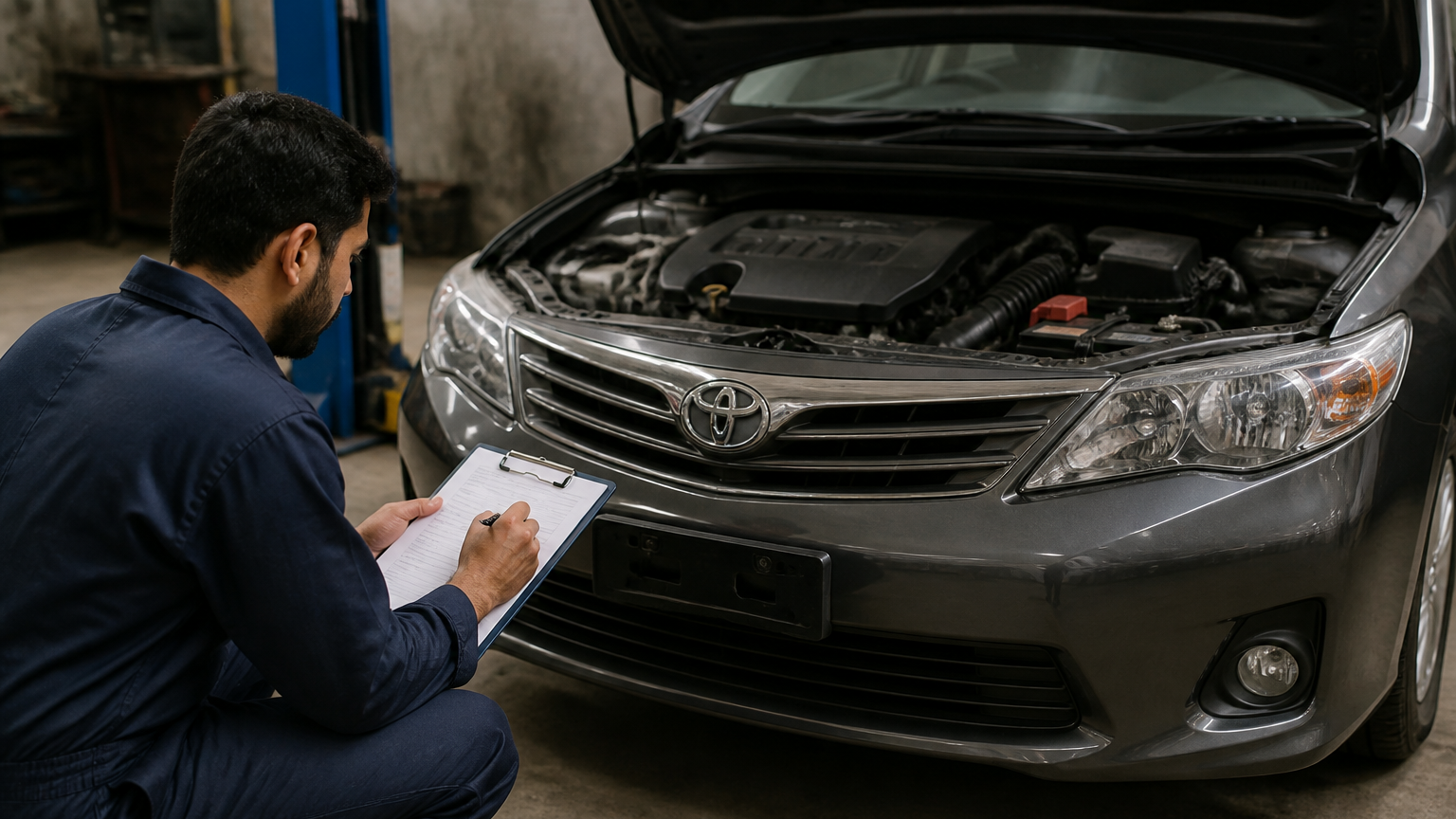
DrivePK Car Inspection Reports: Buy with Confidence
Buying a used car in Pakistan? A pre-purchase inspection can reveal hidden damage, engine issues and red flags before you pay—but it’s not enough alone.
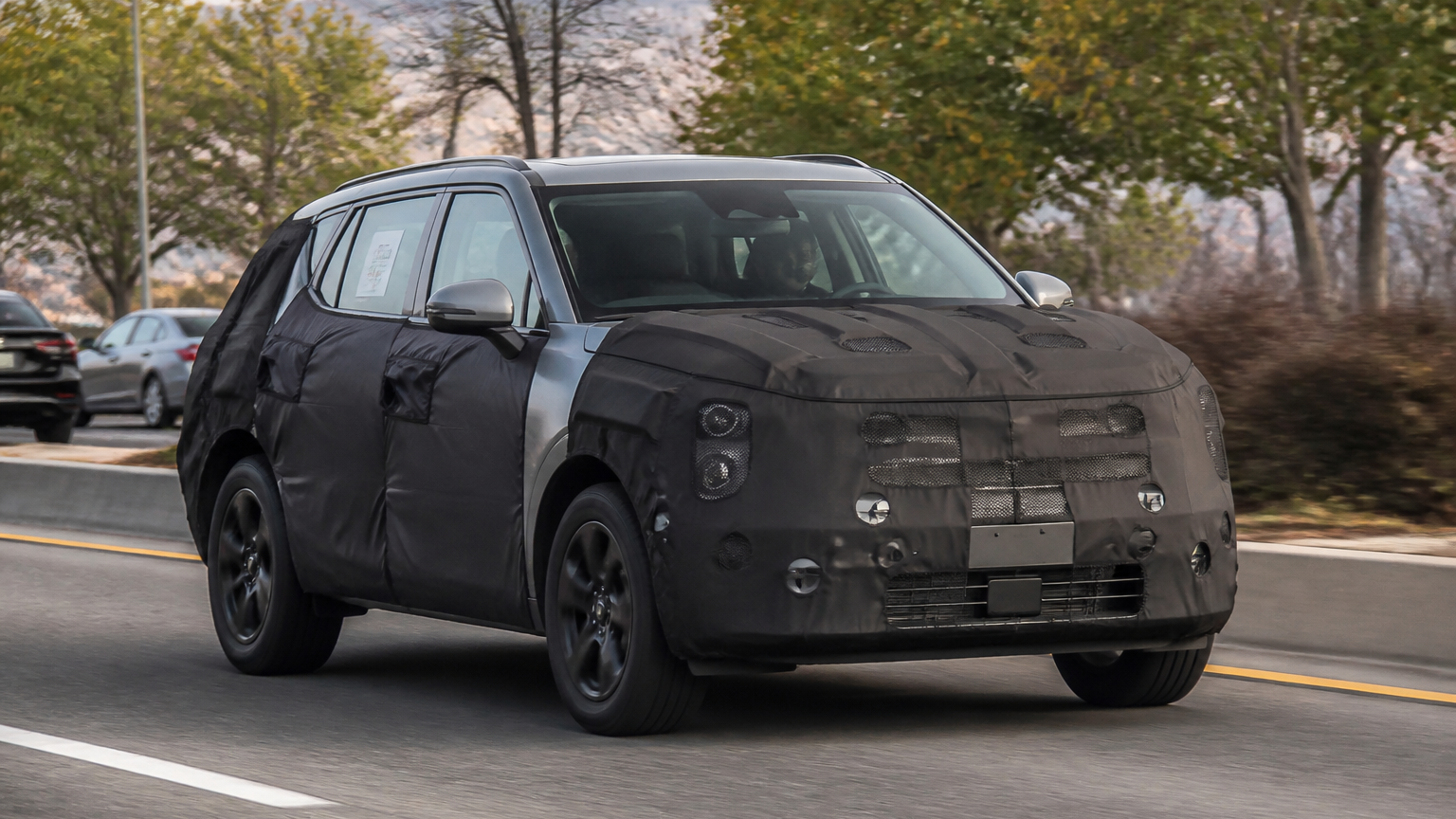
2028 Kia Sportage: Major Design Changes Spotted
Kia’s next Sportage may get a bolder, boxier redesign, with an upright profile, sharper lines, wider grille and split headlights hinted by spy shots.