KP Plans 20% Hike in Swat Expressway Toll to Rs 324
The Khyber Pakhtunkhwa government wants to raise the Swat Expressway Phase I toll by 20 percent, from Rs 270 to Rs 324. The plan went before the provincial cabinet, but the August 21 meeting was postponed. The new rate is not yet in force. It waits for formal approval. Frequent drivers and tourists should watch for updates.
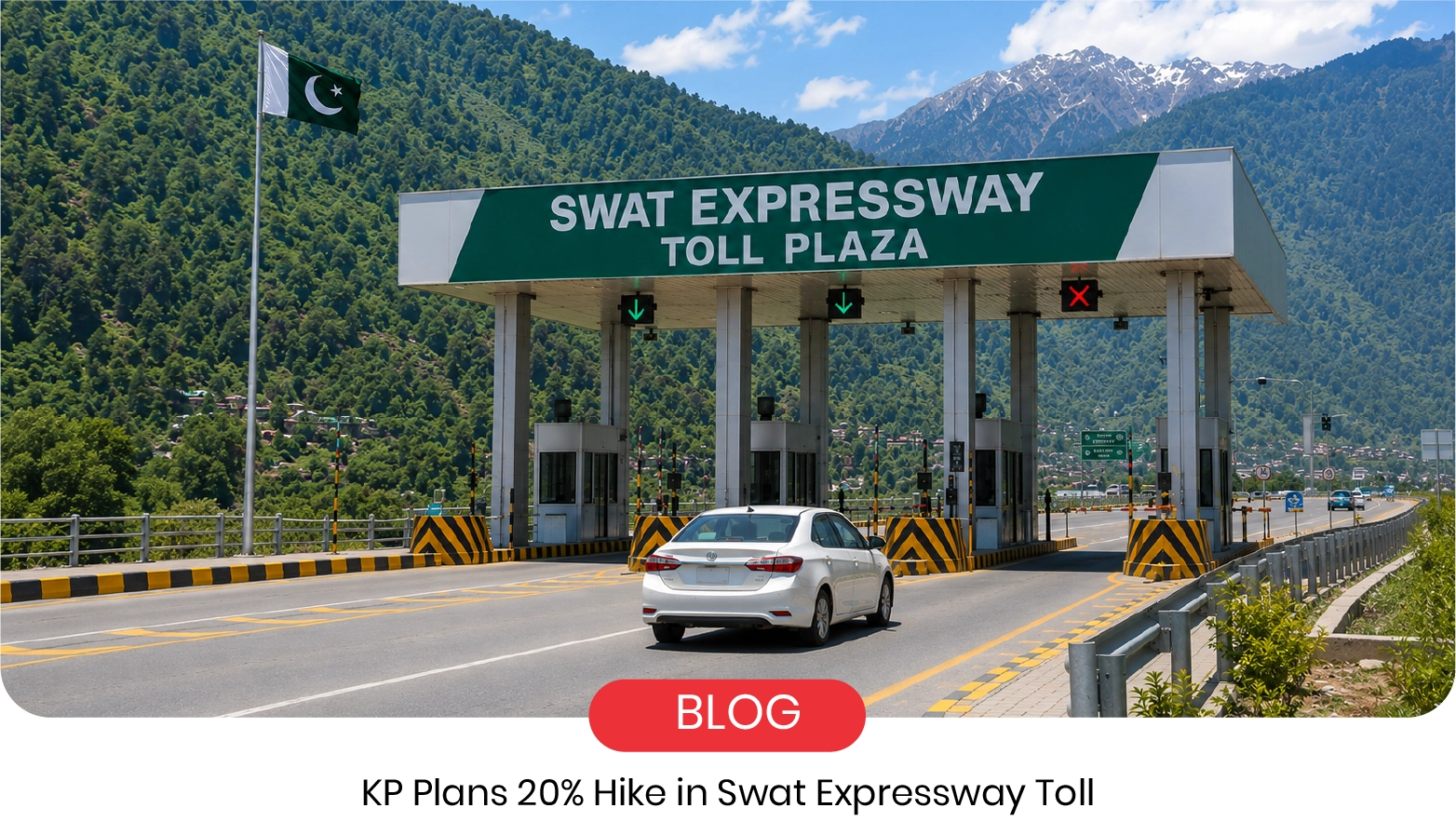
Table of Contents
- Why This Road Matters So Much
- The Numbers Behind the Proposal
- What It Means for Everyday Users
- Timeline and Next Steps
- Looking at the Bigger Picture
If you drive the Swat Expressway often, this news hits close to home. The Khyber Pakhtunkhwa government has put forward a plan to lift the Phase I toll by 20 percent. The charge would move from Rs 270 to Rs 324 for the main category. That is an extra Rs 54 each way.
The proposal sat on the agenda for the 57th meeting of the KP Cabinet. That meeting was set for August 21. It was postponed. So the higher rate has not started. It will only apply after the cabinet gives formal approval and the government issues the order.
This is not a small change for people who use the road regularly. Families heading to Swat for a weekend, traders moving goods, or daily commuters between Nowshera and Chakdara all feel the difference. And because the expressway has become the main fast link into the Malakand region, the timing matters.
Why This Road Matters So Much
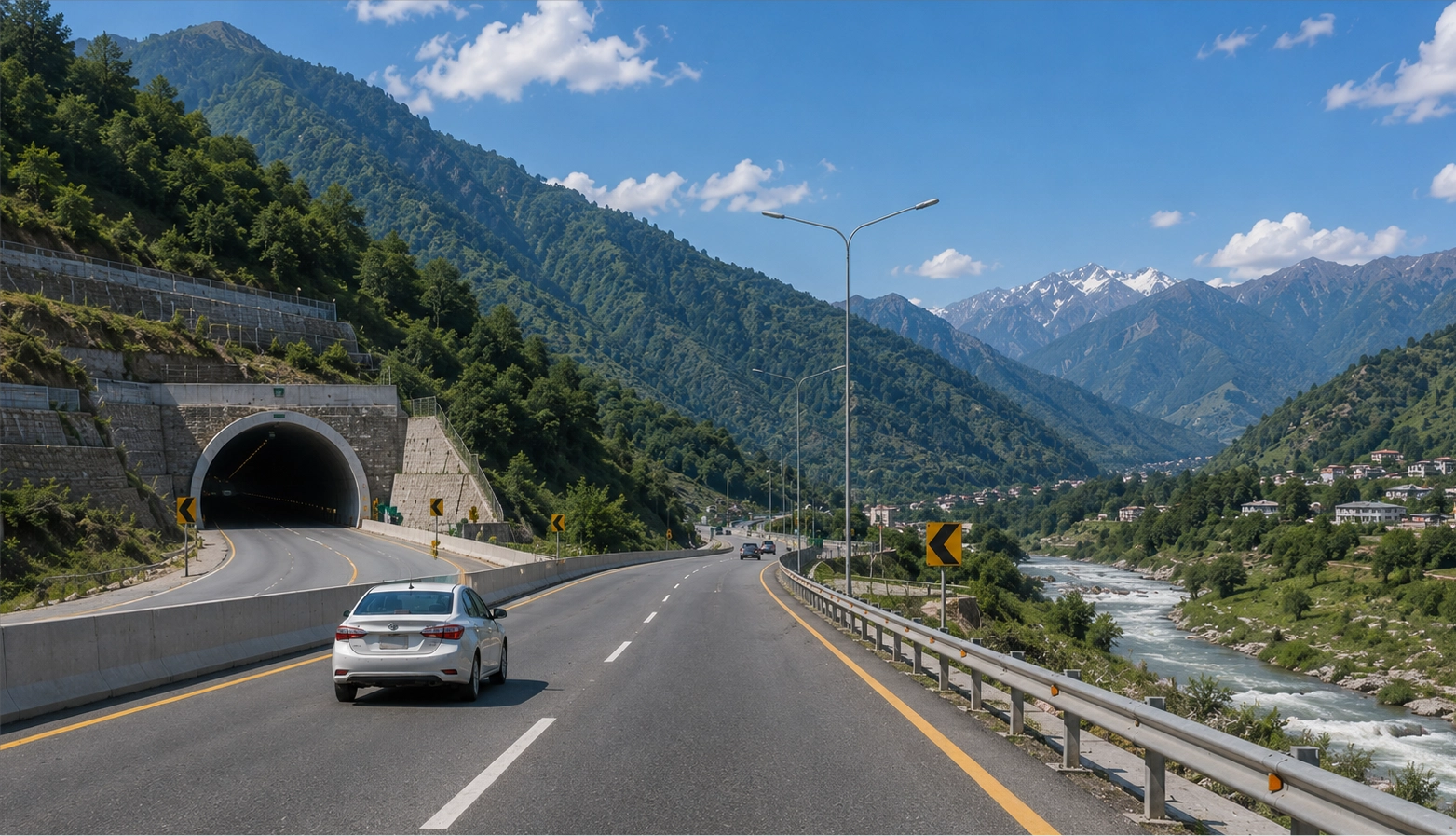
Phase I of the Swat Expressway runs about 81 kilometres. It starts at the Karnal Sher Khan Interchange on the M-1 Motorway near Nowshera and ends at Chakdara. It passes through parts of Swabi, Mardan and Malakand. The Frontier Works Organization built it. The cost came in around Rs 36 billion. It opened to traffic in June 2019.
Before this road, the old route through the hills took far longer. Travel time from Nowshera to Chakdara dropped from roughly three hours to about one. That single change opened Swat and the surrounding valleys to many more visitors. Hotels filled up. Local shops and transport operators saw more business. Fruit from the area reached markets faster.
Tourism numbers climbed after the expressway opened. People from Peshawar, Islamabad, Punjab and further afield started making the trip more often. Winter visits to Kalam, Malam Jabba and nearby spots also grew. Better access turned what once felt like a long journey into a practical day or weekend outing. The road itself has tunnels and a smooth surface that many drivers prefer to the older national highways.
Phase II is still under development. It will push further north toward Fatehpur and open more of upper Swat. Until that happens, Phase I remains the key stretch.
The Numbers Behind the Proposal
The current full Phase I toll for a standard car sits at Rs 270. The new figure of Rs 324 is exactly 20 percent higher. Sources reporting the plan confirm the increase would form part of a broader review of expressway charges. Officials have not yet published a full breakdown for every vehicle class, but the headline car rate is clear.
Toll roads in Pakistan usually adjust rates from time to time. Inflation, maintenance costs and the need to keep the surface safe all play a role. National Highway Authority routes have seen several revisions in recent years. Provincial roads like this one follow their own process. In this case the decision rests with the KP Cabinet.
Because the August 21 meeting was postponed, nothing changes at the toll plazas right now. Drivers still pay the existing rate. The government has said the matter will come up again at a rescheduled session. Until then, the old charge stays in place.
What It Means for Everyday Users
For a family that drives to Swat twice a month, the extra Rs 54 each way adds up. A return trip would cost Rs 108 more. Over a year that becomes a noticeable sum. Commercial vehicles may face higher increases if the same percentage applies across classes, though details are still pending.
Tour operators and hotel owners watch these changes closely. Higher travel costs can influence how many people decide to make the trip, especially during shoulder seasons. At the same time, the expressway itself remains far safer and faster than the alternative routes. Many travellers still see the toll as the price of a reliable, controlled-access road.
Maintenance of tunnels, bridges and the paved surface requires steady funding. The original project used a mix of provincial resources and support from partners. Ongoing upkeep falls partly on the toll revenue. That is the usual argument for periodic adjustments.
Timeline and Next Steps
The proposal reached the cabinet agenda. The meeting did not take place on the planned date. Officials expect the issue to return once a new date is fixed. After approval, a formal notification would set the start date for the new rates. Until that notice appears, collection points continue with the current schedule.
Drivers can check updates through official provincial channels or trusted local news. Social media posts from the National Highways and Motorway Police sometimes note road conditions on the expressway, including temporary diversions during monsoon slides. Those remain separate from the toll question.
Looking at the Bigger Picture
Swat Expressway Phase I changed how people reach the northern valleys of Khyber Pakhtunkhwa. It cut hours off the journey and supported a clear rise in visitor numbers. Local economies in Malakand Division felt the difference. Hotels, restaurants, fruit sellers and transport services all saw more activity.
Any toll change sits inside that larger story. Higher charges can strain household budgets. They can also help keep the road in good condition for the growing traffic it carries. The cabinet will weigh those points when the proposal returns.
For now the rate stays at Rs 270. The proposed Rs 324 figure is not yet active. Motorists who use the route should treat the current charge as the real one until an official order says otherwise.
The postponement gives a short window. It also shows that the process is not automatic. Cabinet review still has to happen. Once it does, the outcome will set the new baseline for everyone who travels this stretch of road.
If you plan a trip in the coming weeks, budget for the existing toll. Keep an eye on announcements from the provincial government. That is the clearest way to know when, or if, the higher rate begins.For more updates, visit DrivePK.com
Tags
Share this article
About the Author

Najeeb Khan
Automotive enthusiast and writer
Comments (0)
Login Required
You need to be logged in to comment on this article.
No comments yet. Be the first to share your thoughts!
Related Articles
Toyota Corolla Discontinued Before Pakistan Facelift
Pakistan’s pre-facelift Toyota Corolla is reportedly discontinued, hinting at a facelift. Prices, bookings, specs and launch timing remain unconfirmed.
DrivePK Car Inspection Reports: Buy with Confidence
Buying a used car in Pakistan? A pre-purchase inspection can reveal hidden damage, engine issues and red flags before you pay—but it’s not enough alone.
2028 Kia Sportage: Major Design Changes Spotted
Kia’s next Sportage may get a bolder, boxier redesign, with an upright profile, sharper lines, wider grille and split headlights hinted by spy shots.