ML-1 Railway Project Starts: Karachi-Rohri Upgrade Kicks Off
The long-delayed ML-1 railway project is finally moving. Work on the Karachi to Rohri section will start soon with $2 billion from the Asian Development Bank. This upgrade promises faster trains, more freight, and real change for Pakistan's economy.
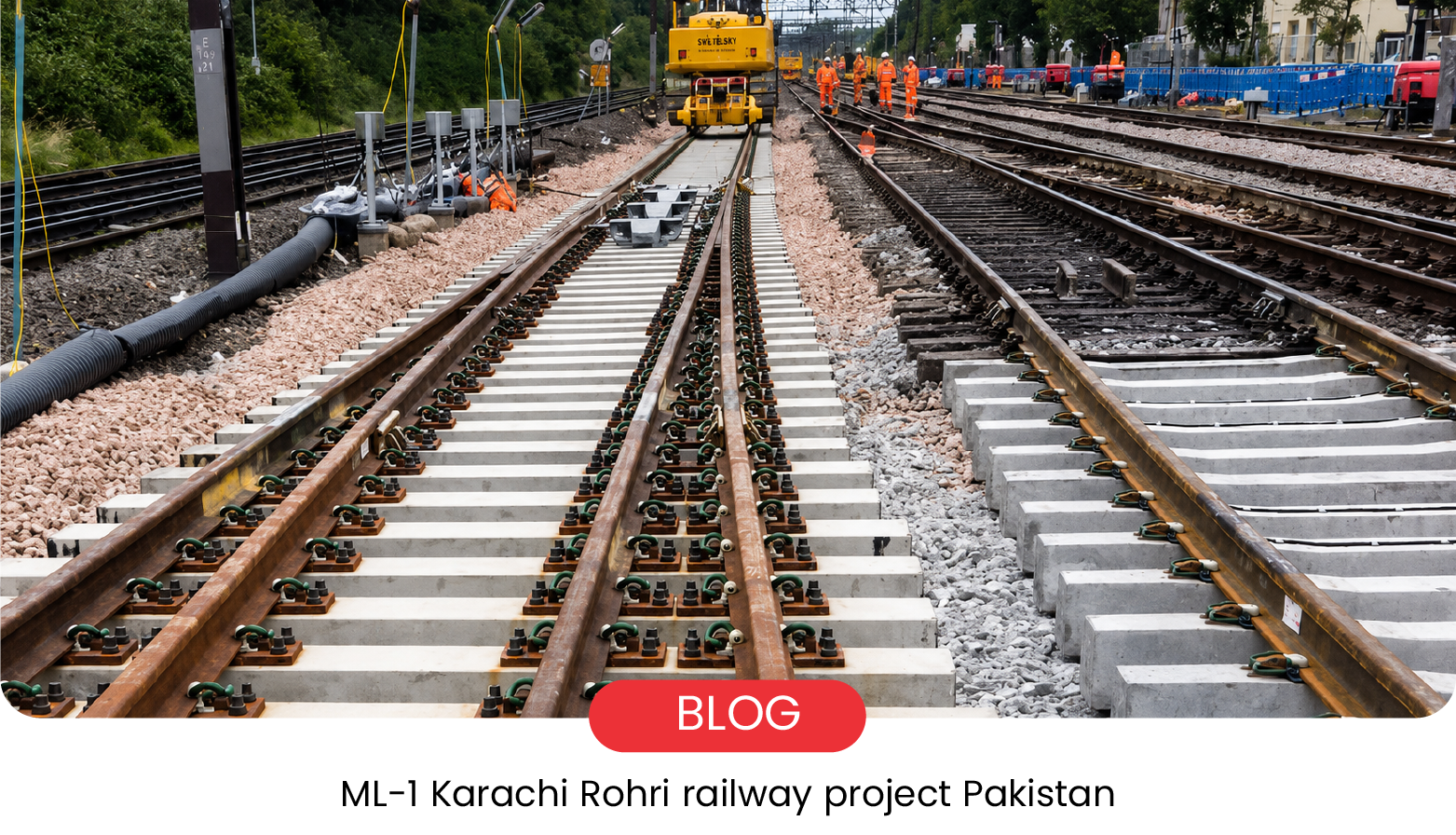
Table of Contents
- What Exactly Is the ML-1 Project?
- Current Problems on the Tracks
- How the Upgrade Changes Things
- Broader Economic Benefits
- Challenges and What Comes Next
- What This Means for Ordinary People
Pakistan's trains have seen better days. Tracks are old. Speeds stay low. Freight moves slowly to roads instead. People wait for delayed services. The Main Line 1 (ML-1) from Karachi to Peshawar carries most of the country's rail traffic, yet it struggles.
The government announced that construction of the first phase of the ML-1 project will begin soon. It focuses on the Karachi-Rohri section. This marks a real step forward for the $6.7 billion effort to modernize the network under CPEC.
What Exactly Is the ML-1 Project?
ML-1 runs about 1,726 to 1,872 kilometers from Karachi to Peshawar. It handles over 75% of Pakistan's rail passengers and cargo. The full upgrade includes doubling tracks, improving bridges and signaling, and raising speeds.
Plans call for passenger trains to reach 160 km/h or more in sections, and better freight handling. The project was revised down to around $6.7 billion from earlier higher estimates. It will roll out in phases.
The first phase targets the 480-kilometer Karachi-Rohri stretch. The Asian Development Bank is providing $2 billion. Construction is set to start in July 2026. Officials aim to finish this part by late 2028.
This section matters a lot. It links the port to inland areas and supports projects like Reko Diq copper and gold mine by moving concentrate efficiently to Port Qasim.
Current Problems on the Tracks
Pakistan Railways once moved more goods. Freight peaked at over 14 million tons decades ago but dropped sharply. In recent years, it carried around 5-8 million tons annually. Passenger numbers also fell from peaks in the past.
Many tracks are outdated. Locomotives break down often. Signaling is old. Roads took over much of the freight because rail couldn't compete on speed or reliability. This shift raised logistics costs and hurt the environment with more trucks on highways.
The result? Higher transport expenses for businesses, slower supply chains, and lost opportunities for economic growth.
How the Upgrade Changes Things
The Karachi-Rohri work will bring modern tracks and improved bridges. Trains will run faster and safer. Daily train operations could jump significantly once complete.
For passengers, travel times should drop. Karachi to Peshawar could eventually take much less than the current long journey. Freight will move quicker and cheaper than roads for many routes.
This helps Reko Diq. The mine needs reliable rail to export copper and gold. Timely transport supports billions in potential revenue and jobs.
Overall, ML-1 supports CPEC Phase 2 goals: better connectivity, industry growth, and trade. A stronger rail network cuts costs, creates jobs during construction, and boosts related sectors like steel, engineering, and logistics.
Broader Economic Benefits
Better railways mean lower costs for moving goods. Factories get raw materials faster. Farmers reach markets easier. Ports handle more traffic efficiently.
Experts see gains in trade, regional links, and investment. More reliable freight shifts cargo from roads, easing traffic and reducing accidents and pollution.
Job creation comes in construction, then operations and maintenance. Skills transfer and local industry involvement can build long-term capacity.
Pakistan Railways showed recent improvements, including profitability in some reports. This infrastructure push builds on that momentum.
Challenges and What Comes Next
Big projects face hurdles: land issues, security in some areas, and coordination. Transparent procurement with ADB funding should help avoid past delays.
The full ML-1 will need more financing. A consortium includes ADB, AIIB, China, and Pakistan. Later phases cover other sections toward Peshawar.
Success depends on good execution, maintenance, and reforms in railway operations. Prioritizing freight alongside passengers and keeping costs under control will matter.
What This Means for Ordinary People
Think about shorter, more reliable train trips for families. Businesses shipping goods without endless road delays. Young engineers and workers finding opportunities on these projects.
It signals Pakistan investing seriously in basics that drive growth. Good infrastructure lifts daily life and future prospects.
The Karachi-Rohri start is not the end. But it shows progress on a project talked about for years. If done right, it strengthens the backbone of national transport.
Pakistan needs modern, efficient railways. This phase of ML-1 takes a solid step in that direction. Watch for updates as ground breaks and work advances. The potential rewards for economy and connectivity make it worth following closely. For more updates, visit DrivePK.com
Tags
Share this article
About the Author

Najeeb Khan
Automotive enthusiast and writer
Comments (0)
Login Required
You need to be logged in to comment on this article.
No comments yet. Be the first to share your thoughts!
Related Articles
Oil Prices Near $100: Impact on Pakistan
Brent nears $100 after a sharp swing linked to China’s fuel-export curbs—but Pakistan’s petrol and diesel prices remain unchanged for now.
Pakistan Motorway Projects: PM Inauguration Soon
PM Shehbaz may inaugurate key road projects soon, including Lodhran-Multan, Peshawar Bypass and M-4 works—but no date or opening is confirmed.
Hayatabad Underpass Opens in Peshawar for Rs1.6bn
Peshawar opens a Rs1.6bn Hayatabad underpass after 90 days—promising faster commutes, but will it truly ease rush-hour traffic?