New Ride-Hailing Regulations in Islamabad: What Drivers and Riders Need to Know
Islamabad's new ride-hailing laws require drivers to register and companies to get certificates. This aims to improve safety with strict vehicle checks and data sharing. Unregistered operations are banned, addressing long-standing concerns in the growing sector.
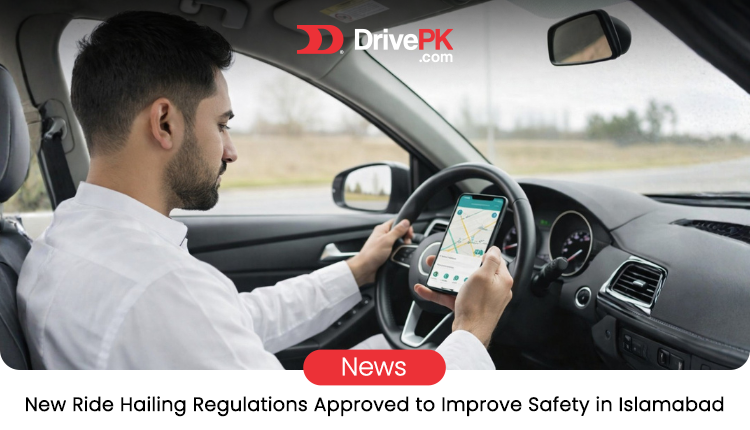
Table of Contents
- Why the Change Happened
- Key Requirements for Drivers
- What Companies Must Do
- Boosting Passenger Safety
- Impact on the Industry
- Looking Ahead
Ride-hailing apps have changed how people get around in Islamabad. But until now, there wasn't much oversight. That just shifted. The Senate passed a law to regulate these services. It sets clear rules for drivers, companies, and vehicles. This could make rides safer and more reliable for everyone.
Why the Change Happened
For years, safety worries have piled up in the ride-hailing world. Passengers complain about unchecked drivers or old cars. Companies grow fast without much control. Officials saw the mess. They wanted better accountability. So, they created this framework. It tackles those issues head-on. No more flying under the radar.
The sector boomed quickly. Apps like Uber and Careem drew in thousands of drivers. But without rules, problems grew. Accidents happened. Disputes arose. The government stepped in to fix it. Now, everything gets structured. It's about protecting people, not slowing things down.
Key Requirements for Drivers
Drivers can't just sign up and start anymore. They need to register with the authorities. That means showing a valid license and getting a special permit. No shortcuts here. If you're not registered, you're out. Operating without it? That's now illegal in the capital.
Vehicles face checks too. They must be registered and pass yearly fitness tests. Think brakes, lights, and overall condition. It's basic stuff, but it ensures cars are roadworthy. Drivers who skip this risk face fines or bans. And it's not optional. The law makes it clear: meet the standards or don't drive.
This hits home for many. A lot of drivers use their personal cars. Now, those cars need to qualify. It might cost time and money upfront. But in the long run, it builds trust. Riders will feel better knowing their driver passed these hurdles.
What Companies Must Do
Ride-hailing firms have new duties. First, they need an operational certificate. Without it, they can't run in Islamabad. That's a big deal for startups or expanding apps. It levels the playing field. Established players like international ones will adapt, but smaller ones might struggle.
They also have to keep records. Detailed ones. Think trip logs, driver info, and more. And when authorities ask, share real-time data. This helps with oversight. If there's an issue, officials can track it fast. It's like having eyes on the operation.
Companies say they're on board. But it adds layers. More paperwork, tech setups for data sharing. Still, it's worth it. Better regulation means fewer headaches from complaints or legal troubles. Plus, it shows they're serious about safety.
Boosting Passenger Safety
Safety is the heart of this law. Past concerns? Addressed. Registered drivers mean background checks are easier. Vehicles that pass inspections reduce breakdown risks. And data sharing lets authorities monitor patterns. Spot a problem area? Fix it quick.
Imagine hailing a ride late at night. You want to know the driver is legit. The law makes that standard. No more guessing. It's peace of mind. For families, women, or anyone, this matters. Rides become predictable, not risky.
But it's not perfect. Enforcement will be key. If checks are lax, nothing changes. Officials promise strict oversight. Time will tell. For now, it's a step forward. Passengers can expect fewer surprises.
Impact on the Industry
This law reshapes the ride-hailing scene. Growth won't stop, but it'll slow for the unregulated. Good for big companies with resources. They can comply easily. Smaller ones? They might merge or exit. It could consolidate the market.
Drivers feel the pinch too. Registration costs time. Some might quit if it's too hard. But others see opportunity. Certified drivers could charge more or get better gigs. It's a trade-off. Quality over quantity.
For the city, it's positive. Better managed traffic. Fewer illegal ops clogging roads. And economically, a regulated sector attracts investment. Investors like stability. This provides it.
Challenges remain. How do they handle tech glitches in data sharing? What about appeals for denied registrations? Details will emerge. But the foundation is solid.
Looking Ahead
What's next?
Implementation starts soon. Authorities will guide companies and drivers. Workshops, maybe. Online portals for registration. It's a transition period. Expect some bumps.
In the bigger picture, this sets a precedent. Other cities in Pakistan might follow. Lahore or Karachi could adopt similar rules. It's a national trend toward better transport.
For users, adapt. Check if your app complies. Choose registered rides. It supports the system. And drivers: get on board early. Avoid the rush.
This law isn't about control. It's about balance. Growth with safety. Islamabad's ride-hailing just got an upgrade. Riders win. Drivers who play by the rules win. The city wins. For more updates, visit DrivePK.com
Tags
Share this article
About the Author

Najeeb Khan
Automotive enthusiast and writer
Comments (0)
Login Required
You need to be logged in to comment on this article.
No comments yet. Be the first to share your thoughts!
Related Articles
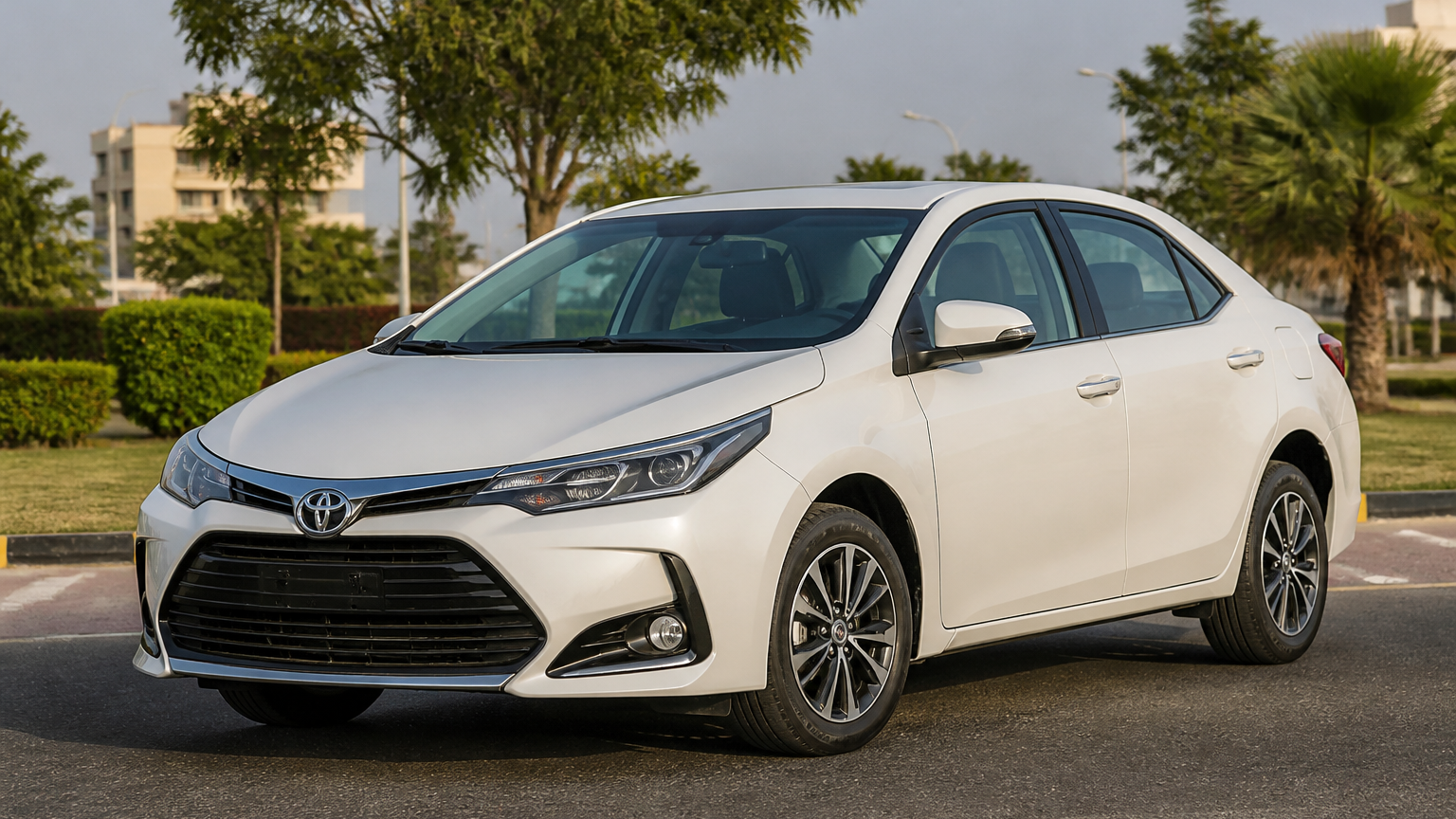
Toyota Corolla Discontinued Before Pakistan Facelift
Pakistan’s pre-facelift Toyota Corolla is reportedly discontinued, hinting at a facelift. Prices, bookings, specs and launch timing remain unconfirmed.
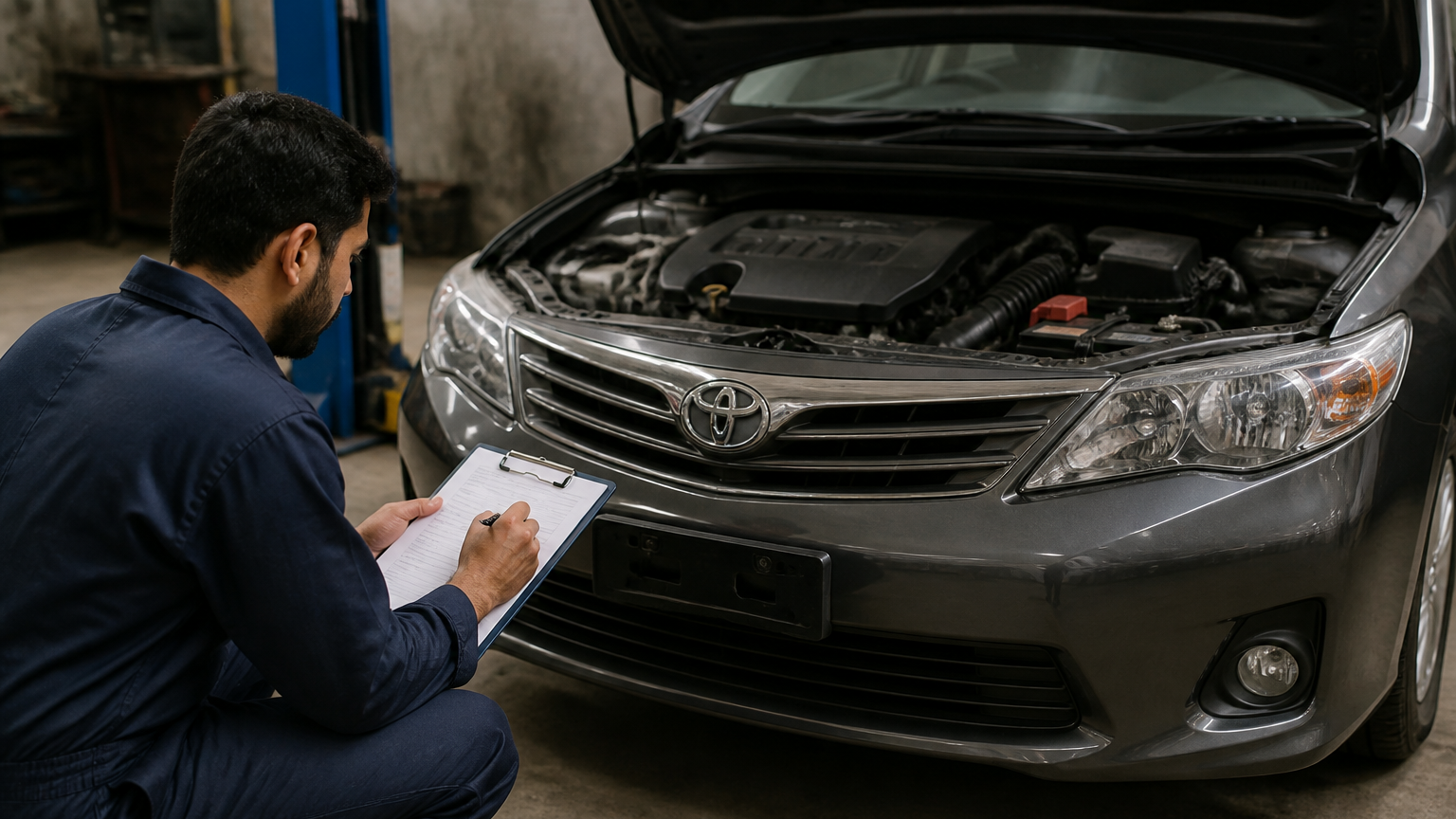
DrivePK Car Inspection Reports: Buy with Confidence
Buying a used car in Pakistan? A pre-purchase inspection can reveal hidden damage, engine issues and red flags before you pay—but it’s not enough alone.
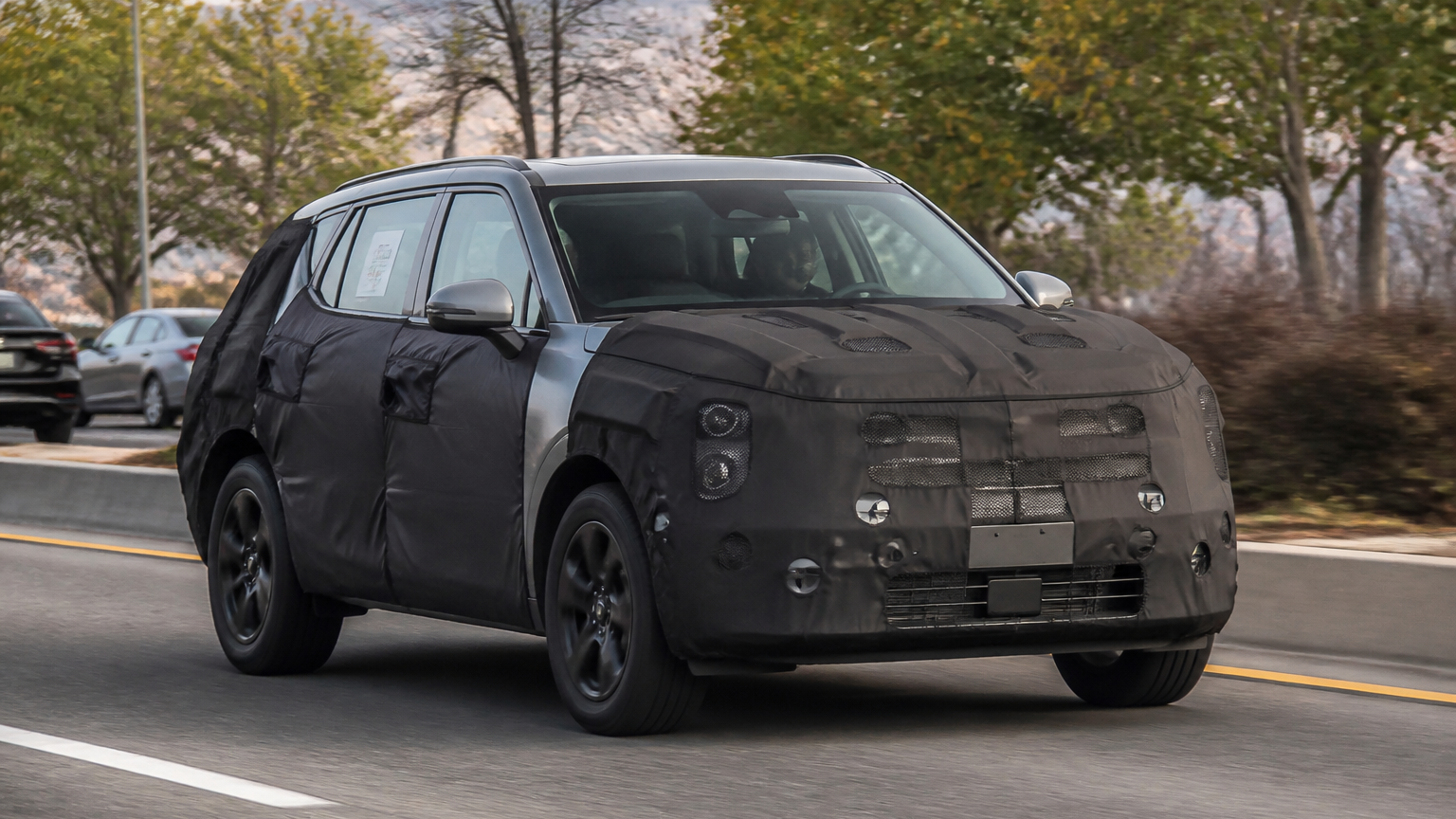
2028 Kia Sportage: Major Design Changes Spotted
Kia’s next Sportage may get a bolder, boxier redesign, with an upright profile, sharper lines, wider grille and split headlights hinted by spy shots.