NHA 50% Extra Toll on No M-Tag Challenged in Court
The NHA’s policy of charging a 50% extra toll on vehicles without a valid M-Tag faces a legal challenge in the Islamabad High Court. A petitioner claims it exceeds the NHA Act’s authority. Here’s what’s happening and why it matters to drivers
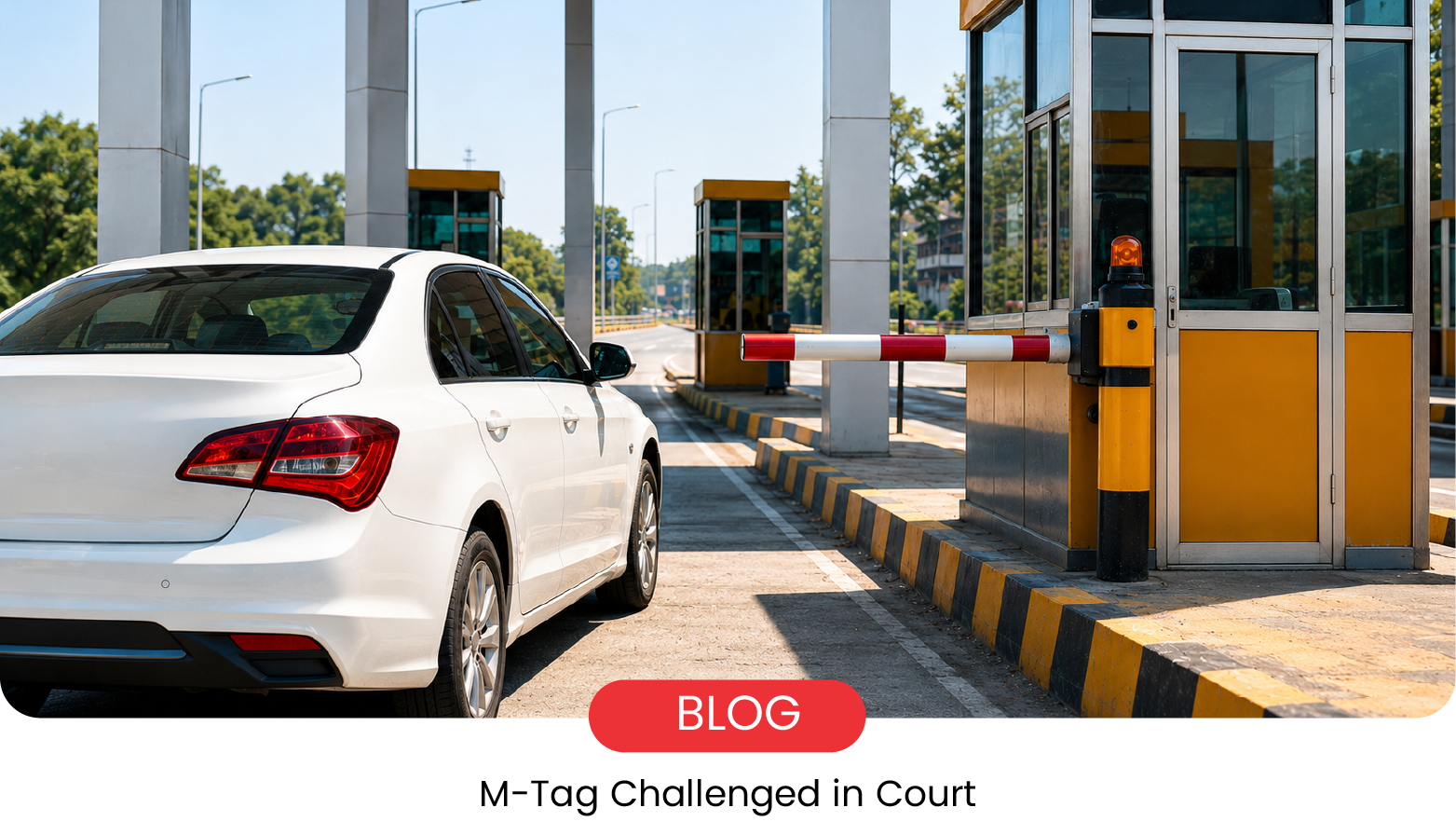
Table of Contents
- Background of the M-Tag Policy
- The Petition in Islamabad High Court
- Legal Arguments at Play
- How the Policy Affects Ordinary Drivers
- Why M-Tags Matter for Highways
- Possible Outcomes of the Court Case
- NHA Extra Toll Policy Faces Court Challenge: What Drivers Need to Know
- Background of the M-Tag Policy
- The Petition in Islamabad High Court
- Legal Arguments at Play
- How the Policy Affects Ordinary Drivers
- Why M-Tags Matter for Highways
- Possible Outcomes of the Court Case
- Practical Advice for Drivers Right Now
- Bigger Picture: Toll Collection and Public Trust
- What Happens Next?
If you drive on Pakistan’s national highways, you have probably noticed the push for M-Tags. The National Highway Authority added a 50% extra charge on vehicles without an M-Tag or with a low balance. Now that policy is under scrutiny in the Islamabad High Court.
The case questions whether NHA can impose what many see as a fine disguised as a toll adjustment. This matters to millions of drivers who use motorways and highways daily.
Background of the M-Tag Policy
NHA introduced M-Tags to make toll collection faster and reduce cash handling. The electronic system lets vehicles pass through plazas without stopping. It aims to cut queues, improve security, and modernize operations.
On May 30, 2025, NHA notified the 50% additional toll for non-M-Tag users or those with insufficient balance. The idea was to encourage adoption of the electronic system. Many drivers felt it was more like a penalty than a fair toll variation.
The Petition in Islamabad High Court
A petitioner has formally challenged this policy. The core argument is straightforward: the NHA Act allows collection of toll tax but does not give power to impose fines or penalties. Treating the extra 50% as a legitimate charge crosses that line, making it unlawful and unconstitutional.
Key demands in the petition:
- Declare the May 30, 2025 notification invalid.
- Order refund of all extra amounts collected under this policy.
- Direct NHA to explain the M-Tag balance mechanism clearly, including how it works and any deductions.
The court is now examining whether NHA overstepped its legal bounds. This case could set an important precedent for how authorities collect tolls and enforce electronic payments.
Legal Arguments at Play
Toll tax under the NHA Act is meant to recover costs for building and maintaining highways. It is a user fee, not a punitive measure. The petitioner argues that adding 50% extra goes beyond simple toll collection and becomes a fine. Only specific laws or regulations can authorize fines, and the petition claims proper authority is missing here.
This raises broader questions about transparency and fairness in public authorities’ policies. Drivers expect clear rules. Sudden extra charges without strong legal backing can feel arbitrary.
Courts often look at whether such measures are reasonable, proportionate, and backed by law. If the policy is struck down, it could force NHA to rethink its approach to encouraging M-Tag use.
How the Policy Affects Ordinary Drivers
Many people travel on motorways for work, family visits, or business. Without an M-Tag, a normal toll of Rs. 500 becomes Rs. 750. For frequent travelers, this adds up quickly. Truckers and commercial vehicles feel it even more.
M-Tag users sometimes face issues too low balance leads to the same extra charge. Recharging must be convenient, yet some drivers report difficulties with the system, balance tracking, or unexpected deductions.
The lack of clear information about the “M-Tag balance mechanism” is another pain point. People want to know exactly how money is deducted, what happens in disputes, and how to get refunds if errors occur.
Why M-Tags Matter for Highways
Electronic toll collection has benefits. It reduces cash-related corruption risks, speeds up traffic, and provides better data for highway management. Countries worldwide use similar systems successfully.
In Pakistan, expanding M-Tag use can help maintain quality roads. Tolls fund repairs and new projects. But the method of encouraging adoption should stay within legal limits and feel fair to users.
Possible Outcomes of the Court Case
The Islamabad High Court has several options:
- Uphold the NHA policy if it finds sufficient legal backing.
- The court might view the 50% additional charge as a legitimate variation in toll rates rather than a fine, especially if NHA can show it helps manage traffic flow and recovers costs more efficiently.
- Strike down the 50% additional charge entirely. If the judges agree that the NHA Act does not permit penalties in this form, they could declare the May 30, 2025 notification invalid.
- This would likely include orders for NHA to refund the extra amounts collected from affected drivers and commercial operators.
- Suggest modifications or a middle path. The court could direct NHA to revise the policy, for example, by introducing a warning system, a grace period for low balance, or clearer regulations before applying extra charges.
- It might also ask for better public awareness efforts and improvements in the M-Tag system itself.
NHA Extra Toll Policy Faces Court Challenge: What Drivers Need to Know
If you drive on Pakistan’s national highways, you have probably noticed the push for M-Tags. The National Highway Authority added a 50% extra charge on vehicles without an M-Tag or with a low balance. Now that policy is under scrutiny in the Islamabad High Court.
The case questions whether NHA can impose what many see as a fine disguised as a toll adjustment. This matters to millions of drivers who use motorways and highways daily.
Background of the M-Tag Policy
NHA introduced M-Tags to make toll collection faster and reduce cash handling. The electronic system lets vehicles pass through plazas without stopping. It aims to cut queues, improve security, and modernize operations.
On May 30, 2025, NHA notified the 50% additional toll for non-M-Tag users or those with insufficient balance. The idea was to encourage adoption of the electronic system. Many drivers felt it was more like a penalty than a fair toll variation.
The Petition in Islamabad High Court
A petitioner has formally challenged this policy. The core argument is straightforward: the NHA Act allows collection of toll tax but does not give power to impose fines or penalties. Treating the extra 50% as a legitimate charge crosses that line, making it unlawful and unconstitutional.
Key demands in the petition:
- Declare the May 30, 2025 notification invalid.
- Order refund of all extra amounts collected under this policy.
- Direct NHA to explain the M-Tag balance mechanism clearly, including how it works and any deductions.
The court is now examining whether NHA overstepped its legal bounds. This case could set an important precedent for how authorities collect tolls and enforce electronic payments.
Legal Arguments at Play
Toll tax under the NHA Act is meant to recover costs for building and maintaining highways. It is a user fee, not a punitive measure. The petitioner argues that adding 50% extra goes beyond simple toll collection and becomes a fine. Only specific laws or regulations can authorize fines, and the petition claims proper authority is missing here.
This raises broader questions about transparency and fairness in public authorities’ policies. Drivers expect clear rules. Sudden extra charges without strong legal backing can feel arbitrary.
Courts often look at whether such measures are reasonable, proportionate, and backed by law. If the policy is struck down, it could force NHA to rethink its approach to encouraging M-Tag use.
How the Policy Affects Ordinary Drivers
Many people travel on motorways for work, family visits, or business. Without an M-Tag, a normal toll of Rs. 500 becomes Rs. 750. For frequent travelers, this adds up quickly. Truckers and commercial vehicles feel it even more.
M-Tag users sometimes face issues too low balance leads to the same extra charge. Recharging must be convenient, yet some drivers report difficulties with the system, balance tracking, or unexpected deductions.
The lack of clear information about the “M-Tag balance mechanism” is another pain point. People want to know exactly how money is deducted, what happens in disputes, and how to get refunds if errors occur.
Why M-Tags Matter for Highways
Electronic toll collection has benefits. It reduces cash-related corruption risks, speeds up traffic, and provides better data for highway management. Countries worldwide use similar systems successfully.
In Pakistan, expanding M-Tag use can help maintain quality roads. Tolls fund repairs and new projects. But the method of encouraging adoption should stay within legal limits and feel fair to users.
Possible Outcomes of the Court Case
The Islamabad High Court has several options:
- Uphold the NHA policy if it finds sufficient legal backing.
- Strike down the 50% additional charge and order refunds.
- Suggest modifications, like clearer rules or a grace period instead of immediate penalties.
A decision in favor of the petitioner could lead to refunds for affected drivers and push NHA toward friendlier ways to promote M-Tags better awareness campaigns, easier registration, or incentives for first-time users.
Even if the policy stands, the case highlights the need for better communication. NHA might improve transparency on its own to avoid future challenges.
Practical Advice for Drivers Right Now
While the case is ongoing, here is what you can do:
- Get an M-Tag: It is still the smoothest way to pass toll plazas. Register through authorized banks or NHA outlets. Keep your balance topped up.
- Check your balance regularly: Use official apps or portals to avoid surprises.
- Keep records: Save toll receipts and M-Tag transaction details. They help if you need to dispute any charge.
- Follow court updates: The outcome could bring refunds or policy changes. Reliable news sources will cover the verdict.
- Voice concerns properly: If you face genuine issues with the system, contact NHA helpline or use complaint portals. Document everything.
For commercial operators, review routes and costs. Some might adjust operations based on toll expenses.
Bigger Picture: Toll Collection and Public Trust
This challenge reflects wider expectations from government bodies. People accept paying for good infrastructure but want rules that are clear, legal, and applied fairly. Hidden or punitive fees erode trust.
NHA has worked hard to expand highways. Modernizing toll systems fits that progress. The key is doing it in ways that respect legal boundaries and user convenience.
Successful electronic toll systems elsewhere rely on easy adoption, reliable technology, and strong customer support. Pakistan can learn from these examples.
What Happens Next?
The Islamabad High Court will hear arguments and review documents. The decision could come in the coming weeks or months. It will affect not just current extra charges but also future enforcement methods.
In the meantime, drivers should prepare by adopting M-Tags where practical. Authorities might use this case to refine policies and address genuine grievances.
Staying informed helps you plan better trips and protect your money. Whether you support faster electronic systems or worry about extra costs, this case is worth watching.
Pakistan’s road network is vital for the economy and daily life. Fair, transparent toll policies keep everyone moving smoothly, literally and figuratively.
Drive safe, recharge your tag if you have one, and keep an eye on this important legal development. Small policy changes can make a big difference in your travel expenses. For more updates, visit DrivePK.com
Tags
Share this article
About the Author

Najeeb Khan
Automotive enthusiast and writer
Comments (0)
Login Required
You need to be logged in to comment on this article.
No comments yet. Be the first to share your thoughts!
Related Articles
Rawalpindi Ring Road Opening Delayed by Toll Plaza Work
Rawalpindi Ring Road is structurally complete, but toll plazas and e-toll systems remain unfinished—delaying opening, toll rates and traffic relief.
Islamabad Blockades Delay Karachi Freight Before PTI Protest
PTI’s Oct. 4 march may delay northbound freight from Karachi, affecting car parts, tyres and workshop supplies—but the scale remains unclear.
Oil Prices Near $100: Impact on Pakistan
Brent nears $100 after a sharp swing linked to China’s fuel-export curbs—but Pakistan’s petrol and diesel prices remain unchanged for now.