Nio EC6 High-Speed Crash in Shanghai Shows Rear Detach but Passengers Survive
A Nio EC6 crashed at high speed in Shanghai, splitting in half as the rear detached on impact, yet both occupants survived with minor injuries. The cabin stayed intact, airbags deployed, and the battery remained safe, highlighting how modern EV safety engineering performs in extreme crashes.
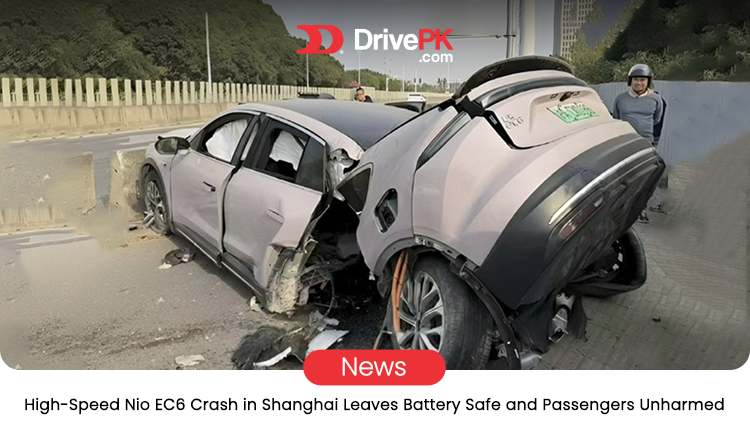
Table of Contents
- What Actually Happened (As Far As We Know Right Now)
- Why the Rear Detached, And Why That Might Not Be As Bad As It Looks
- We Still Don’t Know the Full Story
- This Isn’t the First Time We’ve Seen This
- Conclusion
Two days ago, on December 1, a Nio EC6 was going flat-out on a suburban road in Shanghai when it slammed into a concrete barrier. The impact was so violent that the entire rear half of the car detached and ended up metres away.
The photos and videos are all over Weibo and X right now. They look brutal. Most people’s first reaction is “there’s no way anyone survived that.”
Yet both the driver and passenger walked away with non-life-threatening injuries. They’re already in the hospital and stable.
What Actually Happened (As Far As We Know Right Now)
According to eyewitnesses and the footage circulating, the EC6 was travelling at very high speed, some estimates say over 180–200 km/h, when the driver lost control, hit the barrier sideways, and the car spun.
The rear section literally tore away behind the B-pillar. The battery pack, motor, and everything back there are separated from the passenger cabin.
The front half of the actual cabin stayed remarkably intact. Doors opened normally, airbags did their job, and the two people inside were able to get out with help.
Nio confirmed the car’s system automatically reported the crash, unlocked the doors, and the high-voltage battery remained safe, no fire, no thermal runaway.
Important detail: the driver-assist system (NOP or whatever they call it) was not engaged at the time. So this wasn’t an ADAS failure. It was pure high-speed impact.
Why the Rear Detached, And Why That Might Not Be As Bad As It Looks
A lot of people are saying “Chinese car fell apart” or “poor build quality.”
Hold on.
The EC6, like most modern EVs, is designed with deliberate breakaway points behind the cabin. In a massive rear/side impact, the back end is supposed to shear off rather than transfer all that energy into the passenger cell.
It’s the same principle Land Rover uses on Defender, Mercedes uses on some models, and even Tesla has similar crumple zones that can separate under extreme force.
The goal is simple: keep the people in the safest possible cocoon. The cabin stayed rigid. The seats didn’t move much. That’s why the occupants are alive.
If the car had stayed in one piece, the deceleration forces might have been much worse for the humans inside.
So yes, it looks horrific. But from a safety engineering standpoint, it may have actually done exactly what it was supposed to do.
We Still Don’t Know the Full Story
Shanghai police are investigating. No official speed data, no black box readout released yet, no reconstruction.
Until that comes out, everything is guesswork.
Was the driver racing? Was there another vehicle involved? Road conditions? We don’t know.
What we do know: the battery didn’t catch fire (a big fear with EVs), the doors opened, emergency services got there fast, and two people who should statistically be dead are not.
This Isn’t the First Time We’ve Seen This
Does anyone remember the Tesla Model Y in China a couple of years ago that hit a truck at high speed and split in half? The cabin stayed intact, driver survived.
Or the Volvo XC90 tests, where the rear end gets crushed, but the passenger cell is untouched.
Extreme crashes produce extreme photos. They go viral because they look apocalyptic. But sometimes the very thing that looks worst – the car coming apart – is what saved the people inside.
Conclusion
The Nio EC6 took one of the nastiest hits you’ll ever see on public roads.
The rear half is gone. The car is a scrap.
But the two human beings inside are alive and expected to recover.
That’s not luck. That’s safety engineering working under conditions no manufacturer ever wants to test in real life.
Wait for the official report before judging the car. Right now, the EC6 did the one job that actually matters in a crash: it kept its people alive.
And honestly? That’s pretty damn impressive. For more updates, visit DrivePK.com
Tags
Share this article
About the Author

Najeeb Khan
Automotive enthusiast and writer
Comments (0)
Login Required
You need to be logged in to comment on this article.
No comments yet. Be the first to share your thoughts!
Related Articles
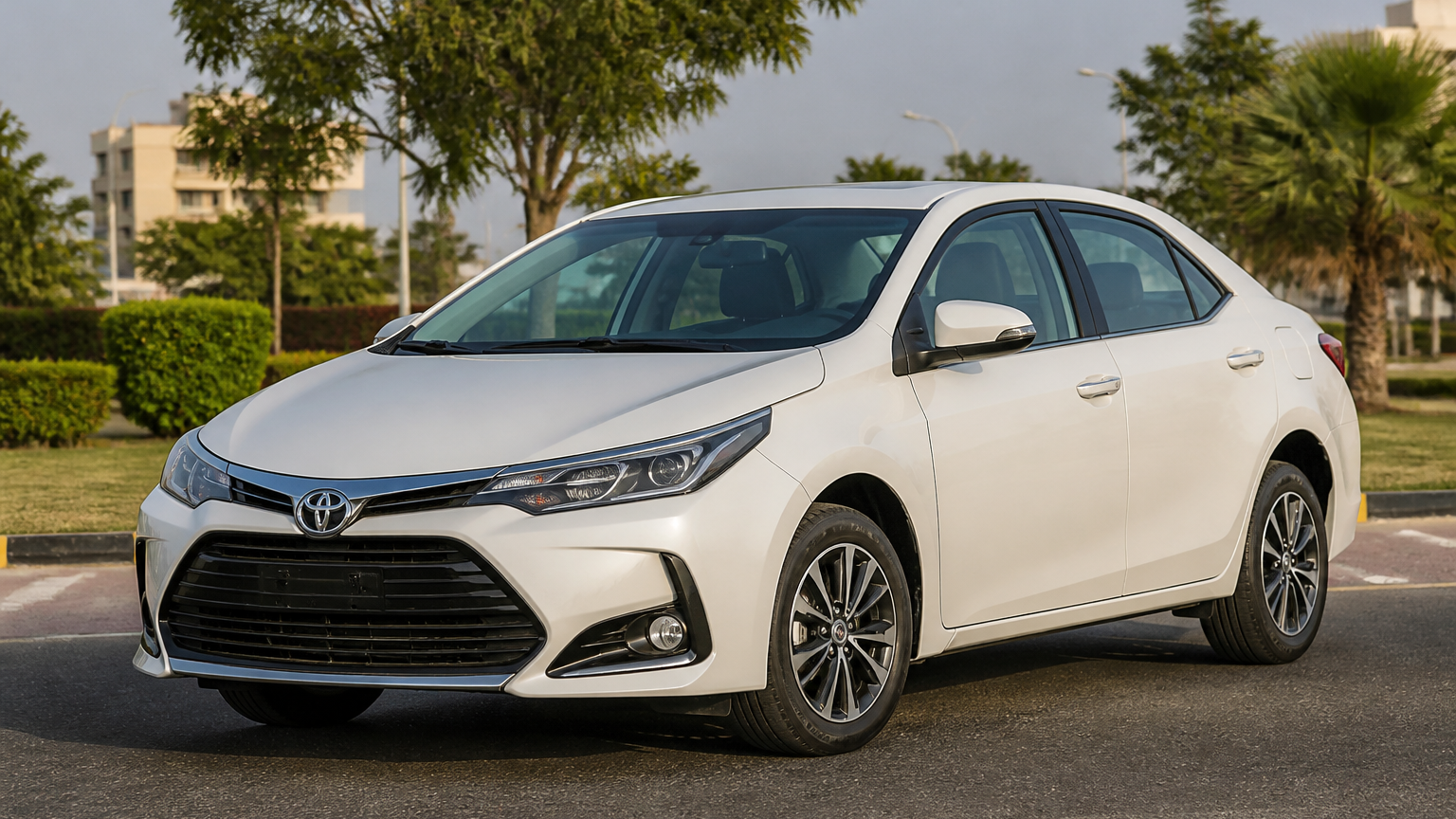
Toyota Corolla Discontinued Before Pakistan Facelift
Pakistan’s pre-facelift Toyota Corolla is reportedly discontinued, hinting at a facelift. Prices, bookings, specs and launch timing remain unconfirmed.
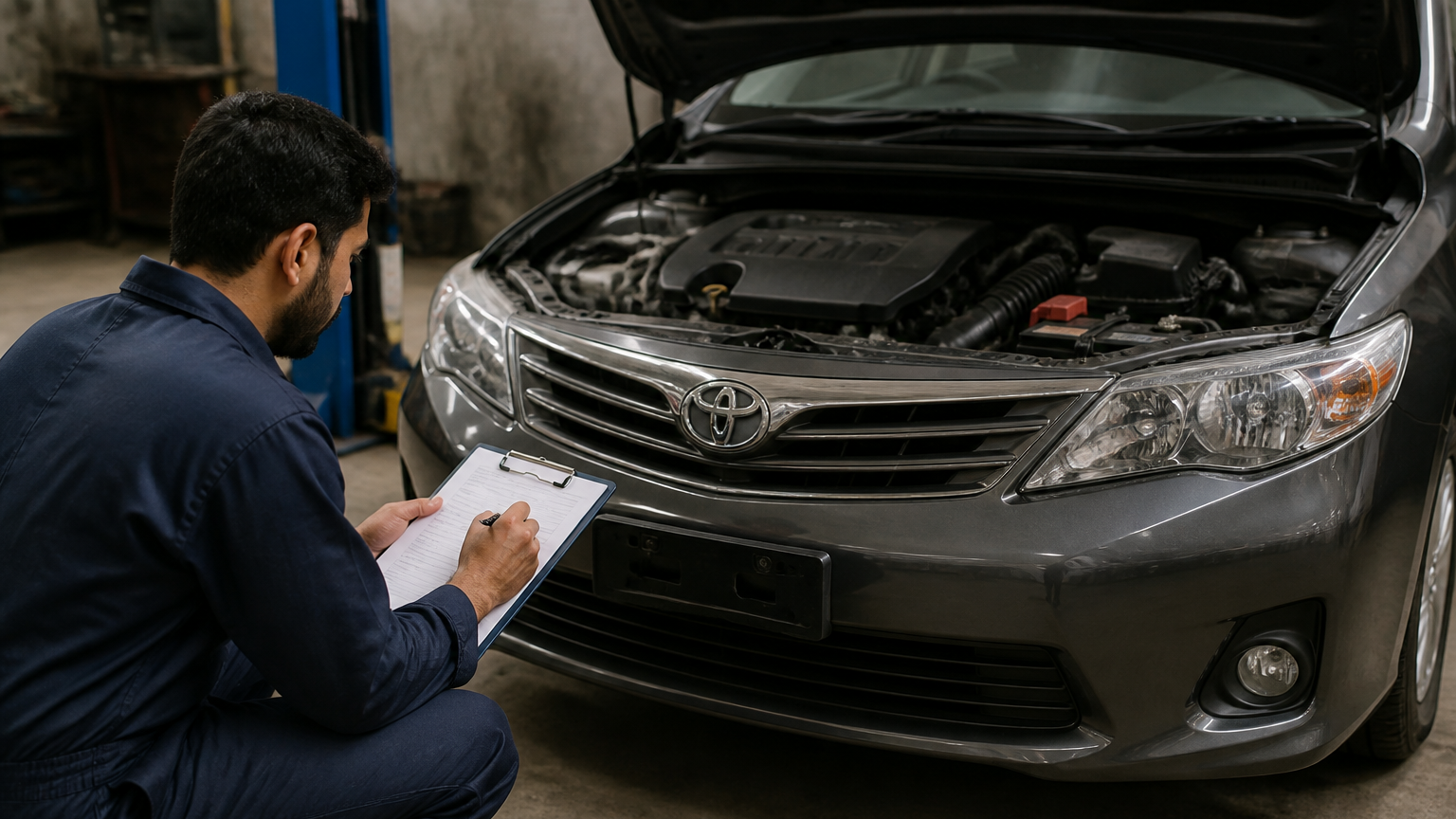
DrivePK Car Inspection Reports: Buy with Confidence
Buying a used car in Pakistan? A pre-purchase inspection can reveal hidden damage, engine issues and red flags before you pay—but it’s not enough alone.
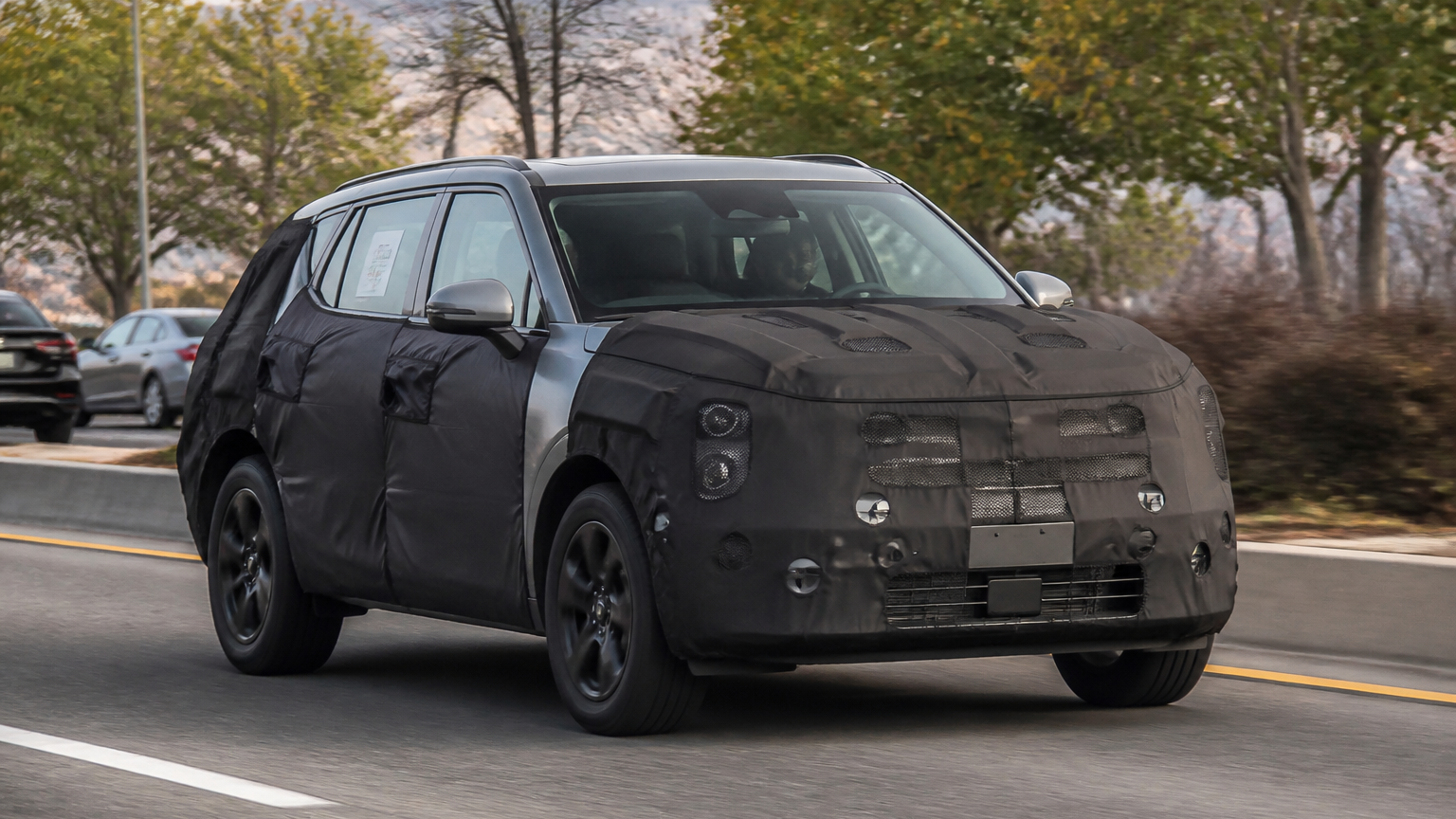
2028 Kia Sportage: Major Design Changes Spotted
Kia’s next Sportage may get a bolder, boxier redesign, with an upright profile, sharper lines, wider grille and split headlights hinted by spy shots.