Omoda 7 PHEV vs MG HS Super Hybrid Comparison
Choosing between the Omoda 7 PHEV and MG HS Super Hybrid? Both Chinese mid-size plug-in hybrids promise strong electric range, solid power and family-friendly space. This clear comparison covers powertrains, real range, practicality, features and ownership so you can pick the one that fits your daily drives and budget.
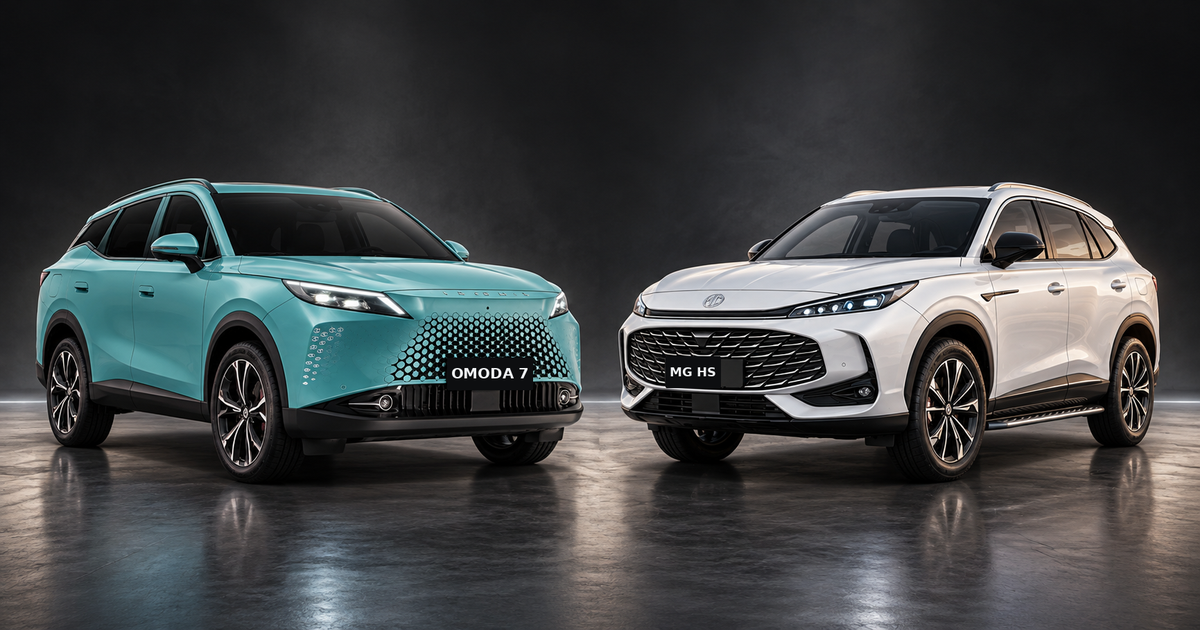
Table of Contents
- Quick Spec Snapshot
- OMODA 7 Interior
- MG HS Interior
- Power and How They Drive
- Electric Range and Real-World Efficiency
- Size, Space and Practicality
- Features and Interior Feel
- Price and Ownership Reality
- Who Should Choose Which?
You want a mid-size SUV that runs on electricity for daily trips yet still has a petrol engine for longer journeys. The Omoda 7 PHEV and MG HS Super Hybrid both aim at that exact need. They sit in the same segment, share a similar size and price band in many markets, and use 1.5-litre turbo petrol engines paired with electric motors. The differences show up in battery size, power delivery, boot space and how the cars feel day to day.
This comparison sticks to verified figures from manufacturer data, independent reviews and market launches. No hype, just the facts that matter when you are deciding where your money goes.
Quick Spec Snapshot
| Feature | Omoda 7 PHEV | MG HS Super Hybrid |
|---|---|---|
| Powertrain | 1.5L turbo + electric (SHS system) | 1.5L turbo + electric |
| Combined power | ~201–279 hp (market dependent) | ~220 kW / ~299 hp |
| Combined torque | ~365 Nm | 350 Nm |
| Battery | 18.3–18.4 kWh LFP | 24.7 kWh LFP |
| Official EV range | 56 miles / ~90 km WLTP (some markets 60 km) | 75–120 km / up to 75 miles WLTP |
| Claimed total range | 700–1,200+ km | 1,000+ km |
| 0–100 km/h | 8.4 seconds | 6.8 seconds |
| Length / Wheelbase | 4,660 mm / 2,720 mm | ~4,670 mm / 2,765 mm |
| Boot space (seats up) | ~537–590 litres | ~448–507 litres |
| Charging | AC 6.6 kW + DC 40 kW | Mainly AC 6.6 kW (DC limited or absent in some markets) |
| Drive | Front-wheel drive | Front-wheel drive |
Figures vary slightly by market and test cycle (WLTP, NEDC, local homologation). Always check the exact numbers for your region.
OMODA 7 Interior
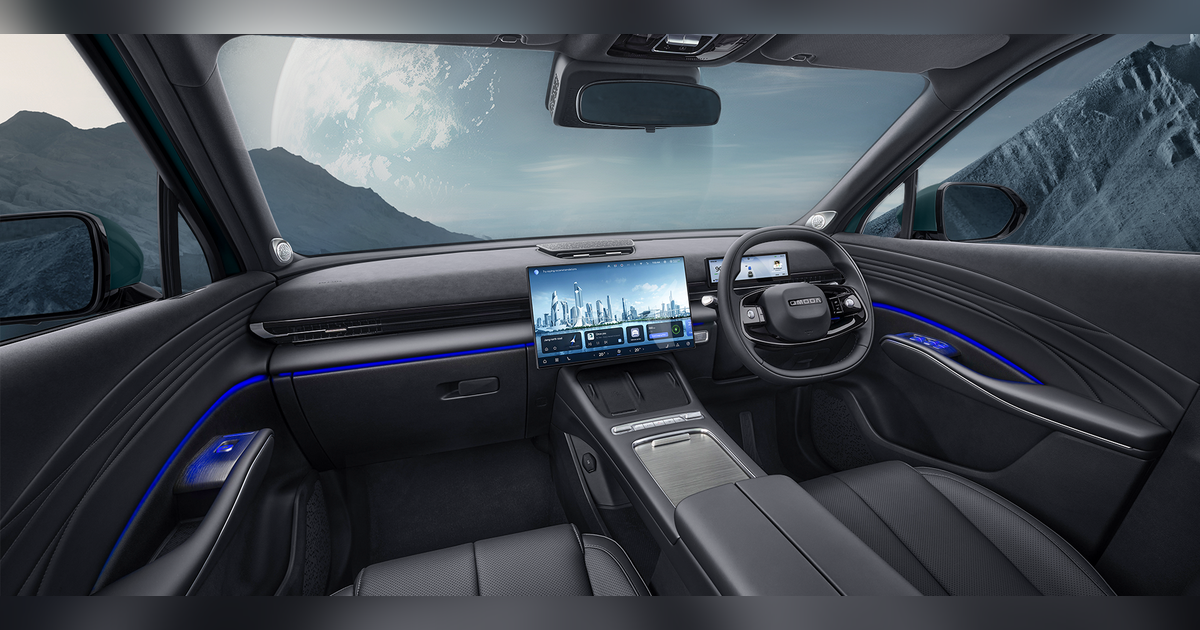
The OMODA 7 interior is designed to feel more like a high-tech lounge than a traditional SUV cabin. Its standout feature is the 15.6-inch Star Rail Glide Screen, which can move horizontally across the dashboard, while faux-leather seats, contrast stitching and available heating, ventilation and memory functions add a more premium feel. The EX+ variant also offers front passenger massage through 8 therapeutic massage points, a zero-gravity seat and a 12-speaker Sony sound system. For buyers who spend long hours behind the wheel, these details shift the focus from simply “having more features” to creating a cabin that feels designed around comfort, entertainment and personalisation.
MG HS Interior
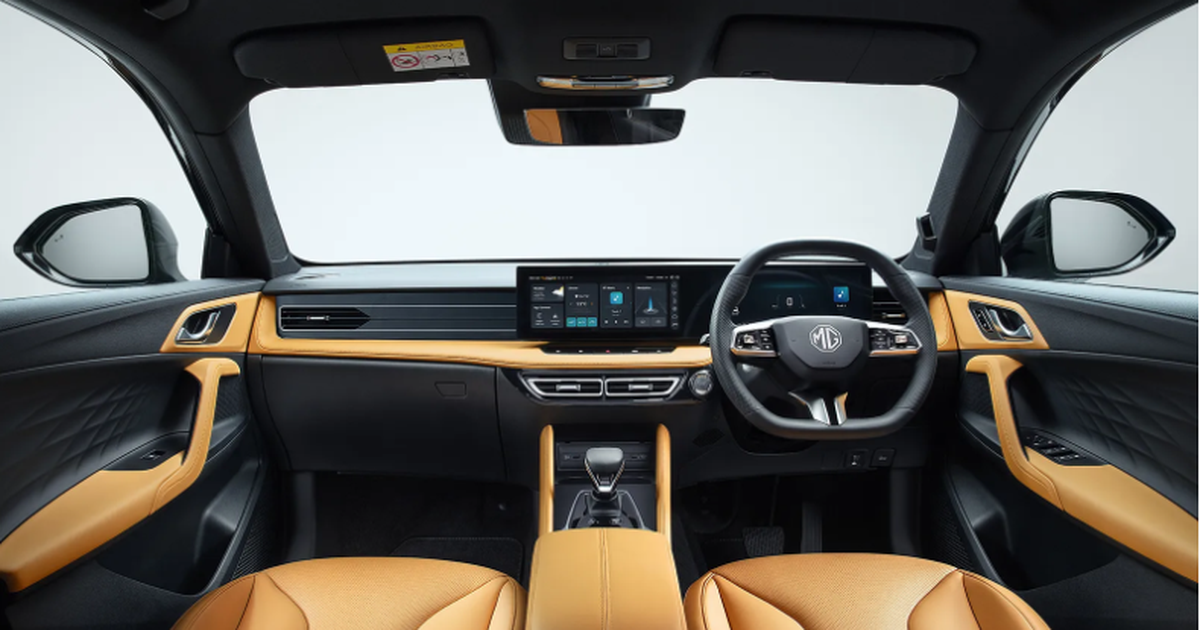
The MG HS takes a more familiar premium-SUV approach, focusing on space, comfort and easy access to technology. The current Pakistan-spec MG HS Petrol features dual 12.3-inch displays, premium interior materials, an electrically adjustable driver's seat with lumbar support, heated front seats, dual-zone climate control and MG iSMART connectivity. The result is a cabin aimed at families who want technology without making the interior feel overly complicated. Compared with the more futuristic, screen-focused personality of the OMODA 7, the MG HS puts greater emphasis on a spacious, practical and driver-focused environment—making the interior experience an important part of the decision for buyers comparing these two SUVs.
Power and How They Drive
The MG HS Super Hybrid puts more power to the road. Its combined output sits higher and the 0–100 km/h time of 6.8 seconds feels noticeably stronger when you need to overtake or join a motorway. The two-speed transmission helps keep the electric motor and petrol engine working together smoothly.
The Omoda 7 PHEV uses Chery’s Super Hybrid System. The petrol engine often acts more like a generator, with the electric motor doing most of the driving work. Combined power figures sit lower in many European specs (around 201–204 bhp) but reach higher numbers in other markets. Acceleration is respectable at 8.4 seconds to 100 km/h. The drive feels quieter and more EV-like in daily use, especially at lower speeds.
Both cars stay front-wheel drive only. Neither offers all-wheel drive in these PHEV versions. Ride comfort is generally good on both, though independent tests note the Omoda can feel a touch firmer on broken surfaces while the MG prioritises a softer family-friendly setup.
Electric Range and Real-World Efficiency
Battery size is the clearest difference. The MG carries a larger 24.7 kWh pack. That gives it a longer official electric-only range — commonly quoted between 75 and 120 km depending on the market and test cycle. For many owners this means a full week of short city trips without touching petrol if they charge at home.
The Omoda’s 18.3–18.4 kWh battery delivers around 56 miles (90 km) WLTP. Real-world mixed driving often lands closer to 45–50 miles. That is still enough for most daily commutes. Once the battery is empty, both cars run as efficient hybrids. Claimed total ranges exceed 1,000 km on a full tank plus charged battery. Independent long-distance tests have shown both can deliver strong real-world economy when driven carefully.
Charging habits matter more than the brochure numbers. The Omoda offers useful DC fast charging up to 40 kW, so a 30–80 % top-up can take around 20 minutes at a rapid charger. Many MG HS Super Hybrid versions stick to AC charging only (around 6.6 kW), which means a full charge takes several hours from a home wallbox. If you regularly use public rapid chargers, the Omoda’s DC capability is a practical advantage.
Size, Space and Practicality
These two SUVs are almost the same length. The MG has a longer wheelbase (2,765 mm versus 2,720 mm), which usually translates into a bit more rear legroom. Front and rear headroom are similar. Both seat five adults comfortably for everyday use.
Boot space favours the Omoda in most published figures (roughly 537–590 litres seats up). The MG sits closer to 448–507 litres. Fold the rear seats and both open up past 1,400 litres. Neither has a huge frunk or unusual storage tricks, but both offer enough room for family luggage, shopping and the odd weekend trip.
Ground clearance is typical for the class enough for light unsealed roads but not serious off-roading.
Features and Interior Feel
Equipment levels are high on both cars even in base trims. Expect dual large screens, wireless Apple CarPlay and Android Auto, 360-degree cameras, adaptive cruise, lane-keeping aids and keyless entry as standard or near-standard.
The Omoda often stands out with a larger central screen (up to 15.6-inch sliding unit in some markets), available Sony audio, ventilated and massaging seats, head-up display and vehicle-to-load (V2L) power outlets. Higher trims add ambient lighting, fragrance systems and more advanced parking assist.
The MG focuses on clean dual 12.3-inch screens, solid safety kit and practical touches such as power tailgates and heated seats on higher grades. Interior materials feel modern and durable rather than ultra-premium on either car. Build quality has improved across Chinese brands, and both receive generally positive feedback for fit and finish at their price points.
Safety suites are comprehensive. Both carry the usual suite of cameras, radar and driver assists. Official crash-test ratings depend on the market and test year, so check the latest local results.
Price and Ownership Reality
Pricing is market-specific and moves with local taxes, incentives and currency. In several regions the two cars sit close enough that the choice comes down to features and preference rather than a large cash gap. In some places the MG undercuts the Omoda; in others the reverse is true. Always compare fully loaded on-road prices including any government incentives for plug-in hybrids.
Warranty coverage is competitive. Many markets offer multi-year vehicle warranties plus separate battery cover (often 8 years). Service networks for both brands are still expanding outside their strongest markets. Factor in parts availability and dealer proximity before buying.
Running costs favour whoever charges at home most often. Electricity is cheaper than petrol for the electric miles. Once the battery is depleted, fuel consumption settles into the mid-single-digit litres per 100 km range for both cars under normal hybrid operation.
Who Should Choose Which?
Pick the MG HS Super Hybrid if you want the stronger acceleration, the larger battery and potentially longer pure-electric range for daily driving. It feels more eager when the road opens up and the bigger pack reduces how often you need to plug in.
Choose the Omoda 7 PHEV if you value DC fast charging, a slightly larger boot, a more EV-like quiet drive and the higher equipment density found on many versions. Its Super Hybrid system keeps the petrol engine in the background more of the time for short trips.
Both cars solve the same problem: electric driving for the week, petrol backup for the weekends and holidays. Neither is perfect. Real-world range will depend on your driving style, weather and how often you charge. Test-drive both on the same day if you can. Pay attention to seat comfort, visibility, how the screens work and the noise levels at motorway speeds.
The decision usually comes down to which one feels right when you sit in it and which one matches your charging habits and budget more closely. Check the latest local specifications, warranty details and current pricing before you sign anything.For more updates, visit DrivePK.com
Tags
Share this article
About the Author

Najeeb Khan
Automotive enthusiast and writer
Comments (0)
Login Required
You need to be logged in to comment on this article.
No comments yet. Be the first to share your thoughts!
Related Articles
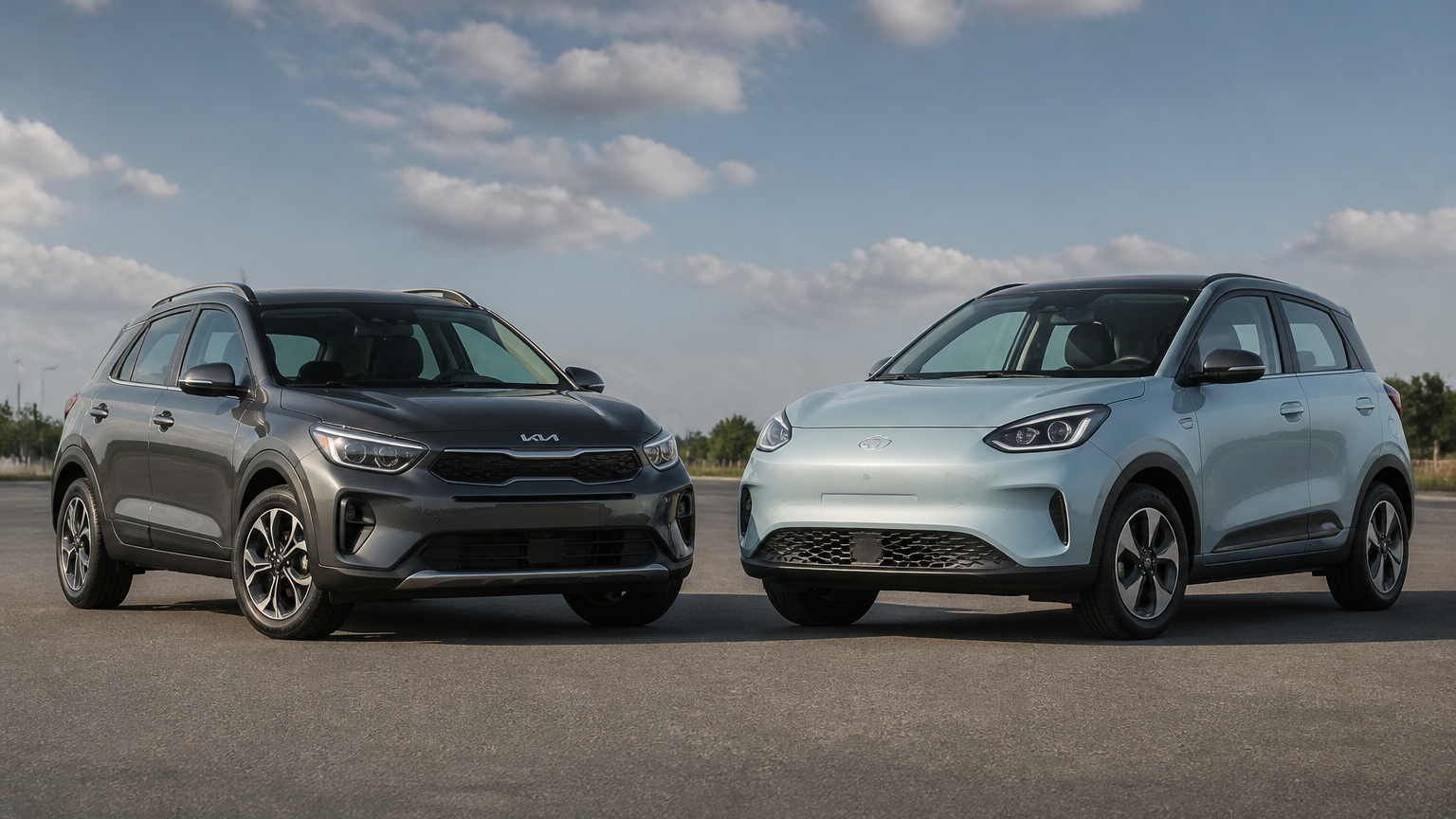
Kia Stonic Turbo S vs Chery Q Premium
Pakistan’s new-car dilemma: choose the familiar Kia Stonic Turbo S or the cheaper, tech-packed Chery Q Premium EV—bigger, greener, but lower.
Haval H6 GT PHEV vs H6 PHEV: Which One Wins in Pakistan?
Two Haval SUVs, one badge, two very different characters. The H6 GT PHEV brings more horsepower and a coupe roofline. The H6 PHEV brings more torque and real off-road grip. Here is what the numbers actually say.