Pakistan Auto Financing Hits Record Rs381.69 Billion in June 2026
Pakistan’s automobile financing climbed to a new high of Rs381.69 billion in June 2026. This jump shows stronger consumer confidence and easier access to loans. Here’s why it matters for buyers and the broader economy.
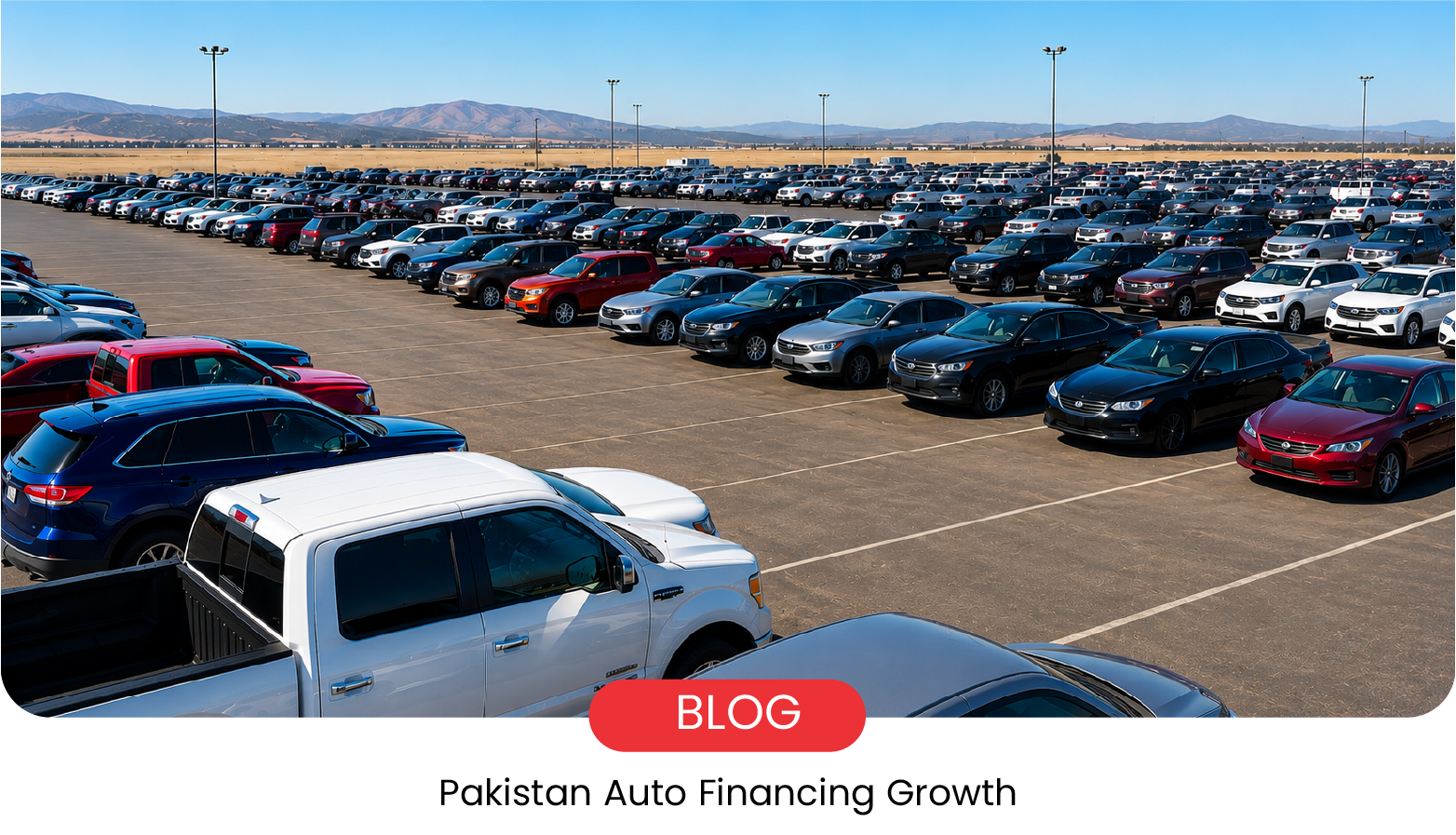
Table of Contents
- Why More People Are Taking Car Loans Now
- The Buyer’s Reality: Opportunities and Challenges
- What This Means for the Auto Industry and Economy
- Tips If You’re Considering a Car Loan
You want a reliable car. Fuel prices stay high. Traffic in big cities gets worse every year. And saving up the full amount feels impossible.
If that sounds familiar, you’re not alone. In June 2026, automobile financing in Pakistan hit Rs381.69 billion. That’s according to the State Bank of Pakistan. It rose 3.4% from May’s Rs369.12 billion and jumped nearly 38% from the same month last year.
This growth isn’t just a number on a report. It points to real changes in how Pakistanis buy vehicles.
Why More People Are Taking Car Loans Now
Consumer financing overall reached Rs1.15 trillion. That’s up 25.37% year-on-year. Housing finance stood at Rs267.09 billion, and personal loans hit Rs282.89 billion. Private sector credit grew to Rs11.16 trillion, with support across manufacturing, construction, and agriculture.
Several factors drive this.
Interest rates have come down from the painful highs of previous years. Banks and automakers offer better packages lower markups, flexible tenures, and promotions like free insurance or registration. Pent-up demand from slower times also plays a role. People delayed purchases during high inflation and tight credit. Now they’re moving.
Vehicle sales back this up. In June 2026, passenger car and light commercial vehicle sales rose sharply month-on-month, closing FY26 on a strong note. Popular models like Suzuki Alto, Honda City, and newer crossovers from Chinese brands see steady interest. Hybrids and fuel-efficient options attract buyers tired of expensive petrol.
The Buyer’s Reality: Opportunities and Challenges
For many middle-class families, financing makes a new or slightly used car reachable. A Suzuki Alto or Honda City no longer feels out of reach with monthly payments spread over years.
But limits exist. SBP rules cap most individual car loans at around Rs3 million, with shorter tenures for bigger engines. This pushes many toward smaller, more efficient cars. Islamic financing options like Ijarah or Diminishing Musharakah from banks such as Meezan, Alfalah, and others appeal to those avoiding conventional interest.
Higher financing also signals improving economic sentiment. More stable inflation, better availability of imported kits for local assembly, and new model launches help. Chinese brands bring fresh competition in SUVs and electrified vehicles, giving buyers more choices.
Still, challenges remain. Fuel costs stay a concern despite some relief. Resale values, maintenance, and overall ownership costs matter. First-time buyers should compare offers carefully across banks. Look at effective markup rates, down payment requirements, and hidden fees.
What This Means for the Auto Industry and Economy
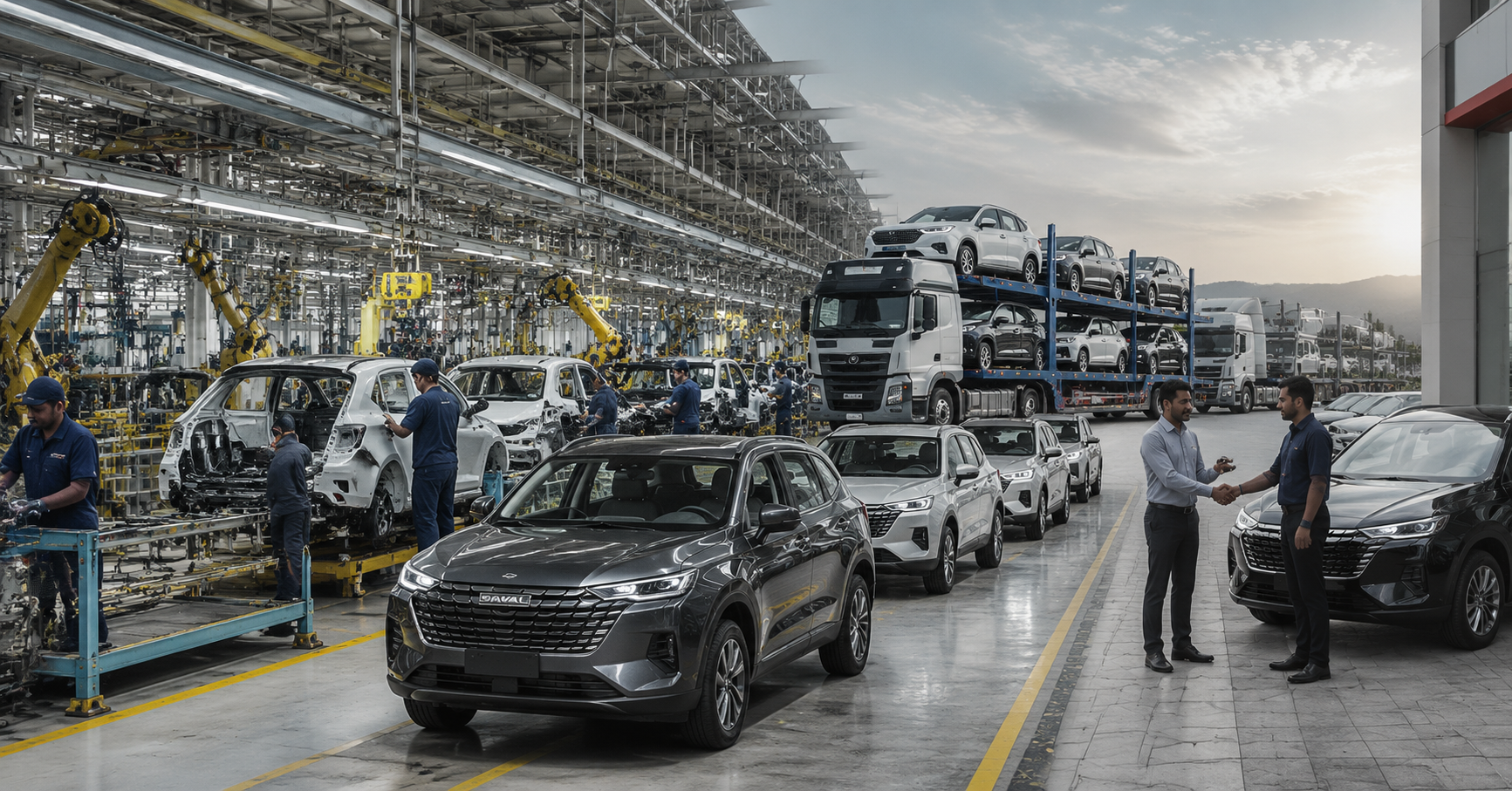
Strong financing supports assemblers. Higher sales boost production, jobs in manufacturing and supply chains, and government revenue through taxes. The sector contributes to GDP and related industries like steel, plastics, and services.
Imports of CKD/SKD kits nearly doubled in recent months, showing confidence in local assembly. New models, including more hybrids and EVs, are expected through 2026. This shift could help reduce oil import bills over time.
For the broader economy, rising consumer credit reflects recovery. When people feel secure enough to finance big purchases, it ripples through retail, insurance, and services. Private sector credit growth supports this momentum.
Tips If You’re Considering a Car Loan
- Check your eligibility early. Most banks look at stable income, credit history, and debt-to-income ratio (often around 33-50% of monthly salary for EMIs).
- Compare multiple banks. Conventional and Islamic products differ in structure and total cost. Use online calculators where available.
- Factor in running costs. Choose a model that fits your fuel budget and usage.
- Read the fine print. Understand tenure caps, prepayment options, and insurance requirements.
- Time your purchase. Promotions from automakers and banks often align with quarters or festivals.
The record in auto financing shows momentum. Pakistan’s auto sector is rebounding with more options and better access to credit. For everyday buyers, this means practical paths to vehicle ownership that fit real budgets.
If you’ve been waiting for the right time, these numbers suggest conditions are improving. Do your homework, compare deals, and drive toward what works for your family. The road ahead looks busier in a good way. For more updates, visit DrivePK.com
Tags
Share this article
About the Author

Najeeb Khan
Automotive enthusiast and writer
Comments (0)
Login Required
You need to be logged in to comment on this article.
No comments yet. Be the first to share your thoughts!
Related Articles
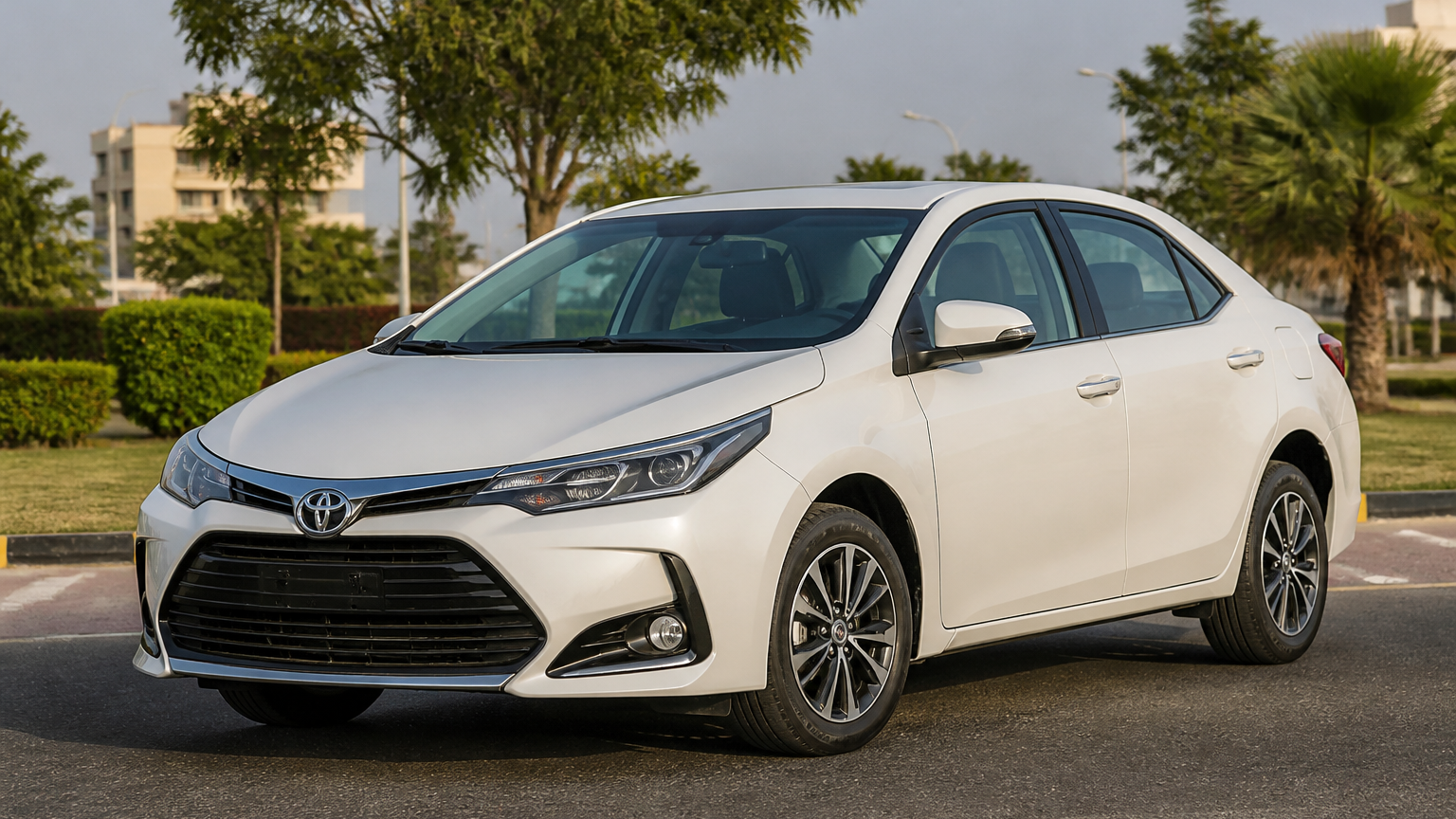
Toyota Corolla Discontinued Before Pakistan Facelift
Pakistan’s pre-facelift Toyota Corolla is reportedly discontinued, hinting at a facelift. Prices, bookings, specs and launch timing remain unconfirmed.
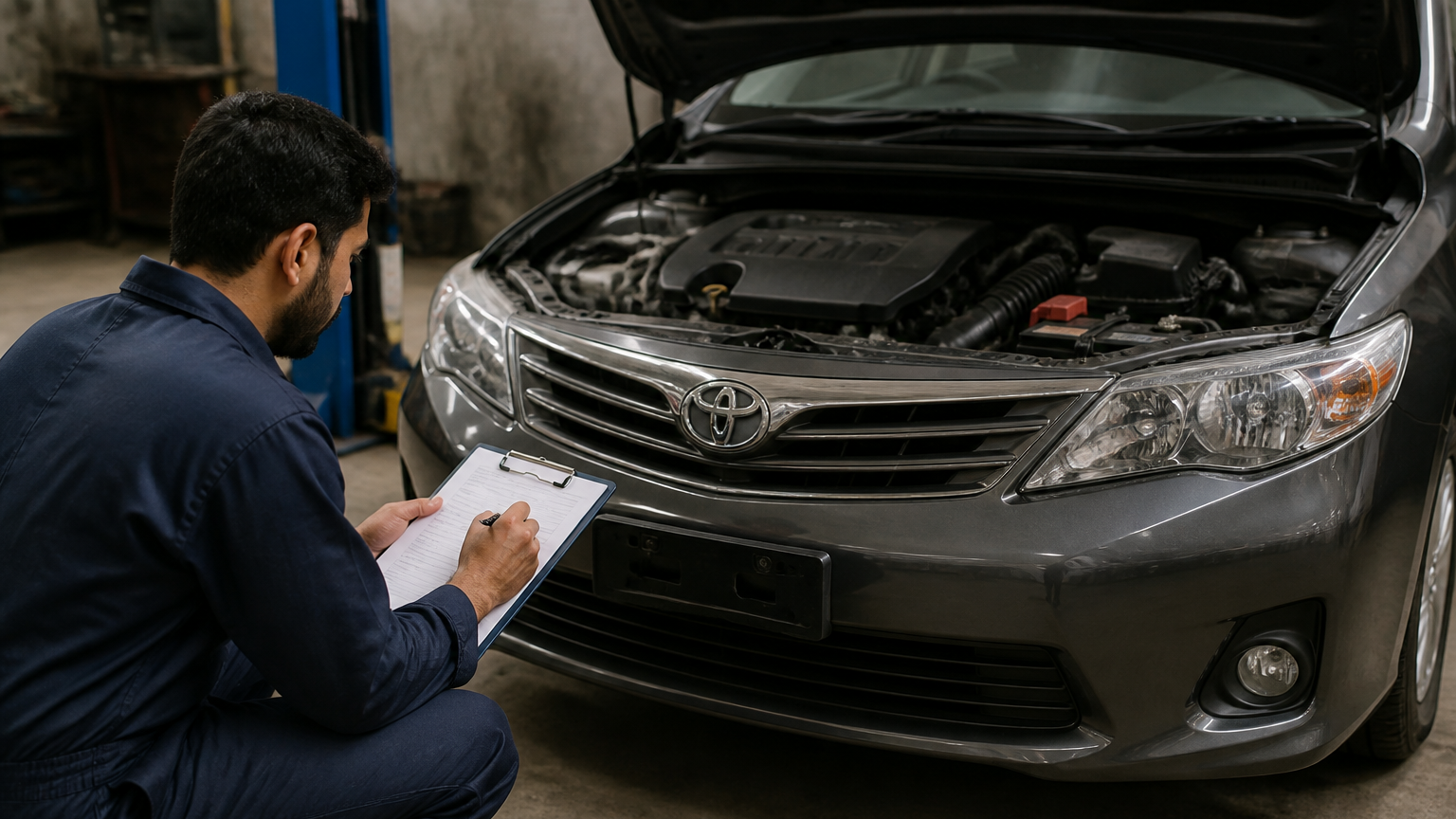
DrivePK Car Inspection Reports: Buy with Confidence
Buying a used car in Pakistan? A pre-purchase inspection can reveal hidden damage, engine issues and red flags before you pay—but it’s not enough alone.
2028 Kia Sportage: Major Design Changes Spotted
Kia’s next Sportage may get a bolder, boxier redesign, with an upright profile, sharper lines, wider grille and split headlights hinted by spy shots.