Pakistan Auto Industry Case Study: Past, Present, Challenges, and Future Insights
Pakistan's auto industry mirrors the nation's economic struggles and potential. From Japanese dominance to Chinese invasion, it faces policy instability, high prices, and low exports. EV and hybrid transitions offer hope amid challenges like currency depreciation and supply chain issues. A deep dive into history, market, and future.
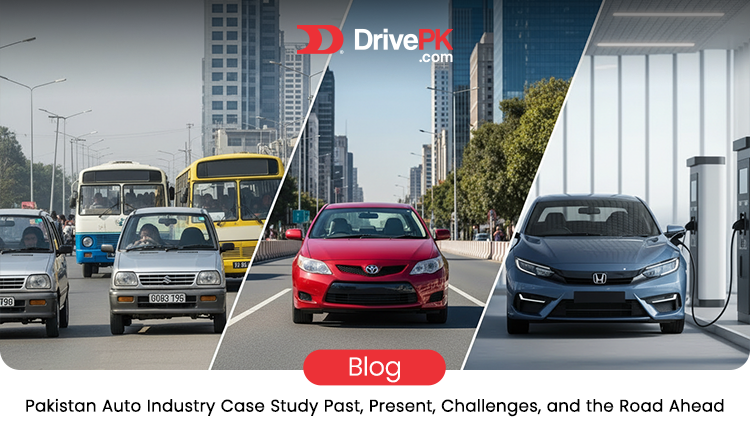
Table of Contents
- 2. Historical Evolution: From Jeeps to Chinese Cars
- The Early Years (1947–1970s)
- The Nationalization Era (1970s)
- The Japanese Collaboration Era (1980s–2000s)
- The Deletion Program and Localization Push
- Auto Development Policy: Multiple Phases
- The Chinese Car Invasion (2018 Onwards)
- 3. Market Structure: Who Controls the Market?
- Total Market Volume
- Segmentation Breakdown
- Oligopoly and Pricing Power
- 4. Economic Impact: The Numbers Are Staggering
- Contribution to GDP and Tax Revenue
- Employment: Millions of Livelihoods
- Foreign Exchange Pressure
- 5. Policy and Regulation: The Government's Double-Edged Sword
- Tariffs, Duties, and CKD vs CBU
- EV and Hybrid Policy
- IMF Pressure and Currency Crisis Effects
- 6. Consumer Perspective: What Buyers Really Experience
- The On-Money Culture
- Long Delivery Times and Booking Culture
- Price Sensitivity and Brand Loyalty
- Digital Car Marketplaces
- 7. Supply Chain and Manufacturing: A Fragile Ecosystem
- Vendor Landscape
- Technology Transfer: The Missing Link
- Semiconductor Crisis and Global Supply Shocks
- Energy Shortages: Load Shedding Kills Production
- 8. Major Challenges: A Mountain of Problems
- Currency Depreciation
- Political Instability and Policy Inconsistency
- High Interest Rates and Inflation
- Smuggling and Grey Imports
- Low Export Volume
- Weak Safety Standards
- 9. Comparison with Regional Markets: A Sobering Look
- Pakistan vs India
- Pakistan vs Thailand
- Pakistan vs Indonesia and Bangladesh
- 10. Electric Vehicles and Future Technology: The New Race
- EV Adoption Status in Pakistan
- Charging Infrastructure: The Critical Gap
- Hybrid Growth: The Practical Middle Ground
- Solar Integration and Ride-Hailing Electrification
- 11. Investment Landscape: Risk and Reward
- Foreign Direct Investment
- Chinese Investment and CPEC
- Auto Tech Startups and Aftermarket Opportunities
- 12. Opportunities for Growth: Where the Potential Lies
- Export Potential
- Localization Improvement
- EV Manufacturing Hub
- 13. Case Study Spotlights: Lessons from Inside the Industry
- The Toyota Corolla: Pakistan's Evergreen Champion
- The SUV Boom: A Market Transformed
- Auto Development Policy 201621: Promise and Delivery
- Auto Financing Boom and Bust
- 14. Risk Assessment: What Could Go Wrong
- 15. Future Outlook: The Next 10–20 Years
- Conclusion
- Frequently Asked Questions
- Q1: Why are cars so expensive in Pakistan?
- Q2: Why is localization still so low after decades?
- Q3: Can Pakistan ever become an auto export hub?
- Q4: Is EV adoption realistic in Pakistan?
- Q5: Why do delivery times remain so long?
- Q6: What role does the government play in the auto industry?
- Q7: Why is resale value so high for Japanese brands?
- Q8: How does the auto sector affect Pakistan's broader economy?
- Q9: Are Chinese brands permanently changing the Pakistani market?
- Q10: What is the future of hybrid vehicles in Pakistan?
Think about the last time you saw a traffic jam in Karachi. Or watched a family load their entire life into a pickup truck in rural Punjab. Or heard someone talk about waiting six months just to get the car they already paid for. Cars in Pakistan are not just vehicles. They are status symbols. They are survival tools. And for millions of families, they represent a dream.
Pakistan's auto industry is one of the most fascinating, frustrating, and misunderstood sectors in the country's economy. It employs millions. It generates billions in taxes. It touches banks, steel mills, rubber factories, and roadside mechanics alike. And yet, it remains stuck in a cycle of boom and bust, policy chaos, and missed potential.
This case study is a deep dive into every layer of that story. We look at the history, the market dynamics, the consumer pain points, the supply chain cracks, and the electric vehicle (EV) wave that is slowly building on the horizon.
Whether you are an investor, a journalist, a student, or just someone frustrated with car prices in Pakistan, this is the article you need to read.
2. Historical Evolution: From Jeeps to Chinese Cars
The Early Years (1947–1970s)
Pakistan did not have a car industry when it was born in 1947. The country was agricultural. Roads were few. Cars were imported luxuries for the elite. The early government focused on food, textiles, and basic infrastructure. Cars were not a priority.
The 1960s brought the first real wave. Import liberalization allowed foreign vehicles to enter the market. Willys Jeeps, Bedford trucks, and European sedans became common sights in cities. The National Logistics Cell (NLC) started building road networks. Demand for commercial vehicles grew fast.
The Nationalization Era (1970s)
Under Zulfikar Ali Bhutto, Pakistan turned toward nationalization. State-run enterprises dominated. The government launched public sector auto projects. But nationalization did not produce efficiency. Quality was poor. Supply was limited. The private sector energy that could have built a real industry was suppressed.
The Japanese Collaboration Era (1980s–2000s)
The 1980s changed everything. General Zia-ul-Haq's government opened the door to Japanese car makers. Suzuki was first. The Suzuki FX was launched in 1983 and became an instant hit. Affordable, fuel-efficient, and reliable it was exactly what Pakistan needed. Toyota and Honda followed. The OEM (original equipment manufacturer) era had begun.
These three brands Suzuki, Toyota, and Honda, would go on to dominate Pakistan's car market for the next four decades. Their combined market share has often exceeded 90%. This near-total dominance created what economists call an oligopoly, a market controlled by a small number of powerful players.
The Deletion Program and Localization Push
In parallel, the government introduced the Deletion Program. The idea was simple: force car makers to use locally manufactured parts instead of importing everything. The more locally sourced parts a car had, the lower the import duties the company paid. It was a smart policy in theory. In practice, vendor quality control was weak. Standards were inconsistent. But the program did create thousands of auto parts businesses across Pakistan.
Auto Development Policy: Multiple Phases
Pakistan has issued multiple Auto Development Policies (ADP). The ADP 2000-05 tried to improve the industry. ADP 2007-12 focused on improving vendor capabilities. ADP 2016-21 was the most ambitious. It attracted Korean brands like Kia and Hyundai and Chinese players like MG, Chery, and BAIC. Greenfield status was offered to new entrants — meaning reduced duties for companies building new factories from scratch.
The Chinese Car Invasion (2018 Onwards)
The entry of Chinese brands reshaped public conversation. MG (Motor Garages), backed by SAIC, launched the MG HS SUV and made it a status symbol. Chery, BAIC, and Prince Motor entered with budget-friendly options. Suddenly, Pakistani consumers had more choices. The SUV boom was on. Used car marketplaces like PakWheels and Carmudi saw traffic spikes as interest in new models exploded.
3. Market Structure: Who Controls the Market?
Total Market Volume
Pakistan's auto sector is larger than most people realize. Total annual vehicle sales, including cars, motorcycles, trucks, buses, and tractors, run into the millions. In peak years, passenger car sales alone have crossed 250,000 units annually. Two-wheeler (motorcycle) sales regularly cross 1.5 million units per year, making it one of the largest motorcycle markets in Asia.
Segmentation Breakdown
The market divides into clear segments. Hatchbacks and entry-level sedans dominate volume. The Suzuki Alto, Cultus, and Wagon R are perennial bestsellers. The mid-range sedan segment, Toyota Corolla, Honda Civic, and City caters to the middle class. And the fast-growing SUV segment now includes the MG HS, KIA Sportage, Hyundai Tucson, and Toyota Fortuner.
Commercial vehicles, rickshaws, delivery vans, trucks, and tractors — form the backbone of rural Pakistan. The tractor market is dominated by Millat Tractors and Al-Ghazi Tractors, both with significant export records.
Oligopoly and Pricing Power
The big three Pak Suzuki, Indus Motor (Toyota), and Honda Atlas have historically controlled over 85% of passenger car sales. This concentration gives them enormous pricing power. When rupee devaluation hits, they raise prices. When duties increase, they raise prices. Consumers had no real alternative for decades. The entry of Chinese and Korean brands has started to crack this power structure, but slowly.
4. Economic Impact: The Numbers Are Staggering
Contribution to GDP and Tax Revenue
The auto industry contributes directly and indirectly to Pakistan's GDP. Direct contribution through manufacturing, sales, and related services is estimated at 2.8% to 4% of GDP, depending on the year. But the indirect contribution is far larger. When you count steel, glass, rubber, electronics, banking, insurance, and fuel, the number climbs significantly.
The tax contribution is massive. Vehicles attract General Sales Tax (GST), Federal Excise Duty (FED), withholding tax, and registration charges. A single car purchase can trigger tax payments of 20-40% of the vehicle's value. The auto sector is one of the top contributors to Pakistan's Federal Board of Revenue (FBR) collection.
Employment: Millions of Livelihoods
Directly, the auto sector employs over 200,000 people in manufacturing. Add the vendor industry, over 3,500 auto parts suppliers across Pakistan, and the number grows to over a million. Then add dealers, mechanics, fuel stations, spare parts shops, driving schools, insurance agents, and auto finance officers, and you are looking at 3 to 5 million livelihoods connected to this industry.
Foreign Exchange Pressure
Here is the painful side. Pakistan imports CKD (completely knocked-down) kits, raw materials, semiconductors, and finished vehicles. In bad years, vehicle-related imports add billions to the trade deficit. The rupee devaluation of 2022-2023, when the Pakistani rupee fell to historic lows against the US dollar, made imported content dramatically more expensive. Car prices shot up. Demand crashed. The import ban of 2022, a desperate measure to protect foreign exchange reserves, shut down new car orders for months.
5. Policy and Regulation: The Government's Double-Edged Sword
Tariffs, Duties, and CKD vs CBU
Pakistan's auto policy revolves around two key import structures. CKD (Completely Knocked Down) allows car makers to import parts and assemble locally, attracting lower duties. CBU (Completely Built Up) means fully assembled imported cars, attracting very high duties, sometimes 50-100% of vehicle value.
This structure was designed to protect local manufacturing. It worked to an extent. Local assembly is widespread. But localization (the proportion of local parts used) remains low, averaging 50-60% for established players and much lower for new entrants. So Pakistan pays a lot in import duties while still running a trade deficit on auto components.
EV and Hybrid Policy
The Electric Vehicle Policy of 2020 was a breakthrough moment. It slashed import duties on EVs and hybrid vehicles to single digits in some categories. The goal: make EVs affordable and begin the clean energy transition. Hybrid sales Toyota Corolla Cross, Suzuki Swift hybrid, and others jumped significantly. Fully electric vehicles remain rare due to a lack of charging infrastructure, high prices, and range anxiety.
IMF Pressure and Currency Crisis Effects
Pakistan's recurring need for IMF bailouts has created policy instability. The IMF pushes for reduced subsidies and market liberalization, which means the government sometimes cannot sustain EV incentives or duty protections. Currency devaluation, mandated as part of IMF agreements, directly increases the cost of imported auto content. This creates a brutal cycle: weaker rupee, higher car prices, lower sales, lower tax revenue, bigger fiscal deficit.
6. Consumer Perspective: What Buyers Really Experience
The On-Money Culture
Ask any Pakistani who has tried to buy a popular car about 'on-money,' and you will get an earful. On-money is the premium that dealers charge above the official price. For years, buying a Suzuki Alto or Toyota Corolla meant paying PKR 200,000 to PKR 800,000 above the listed price just to get the car sooner. This practice exists because of artificial supply constraints and high demand.
New entrants like KIA and MG initially used the on-money problem as a marketing angle, promising fixed prices and no waiting lists. It worked. Pakistani consumers were hungry for fairness. But as their own popularity grew, some new brands faced similar booking backlogs.
Long Delivery Times and Booking Culture
Booking a car in Pakistan can mean waiting 3 to 12 months for delivery. This is almost unheard of in mature auto markets. It stems from constrained production capacity, import permit delays, and supply chain disruptions. The car booking culture has created secondary markets where people book cars with no intention of keeping them, then sell the booking slot at a profit. This speculative behavior distorts true demand signals.
Price Sensitivity and Brand Loyalty
Pakistani consumers are intensely price-sensitive. The total cost of ownership, including price, fuel, maintenance, and resale value, drives decisions. Resale value is critically important. Toyota Corolla and Honda Civic hold resale value exceptionally well. This brand loyalty is reinforced by the used car market, which consistently prices Japanese brand vehicles above Korean and Chinese alternatives.
Digital Car Marketplaces
PakWheels, DrivePK, Carmudi, and OLX Autos have transformed how Pakistanis buy and sell cars. Used car listings, price comparisons, user reviews, and real-time market data are now available to any smartphone user. This digital transparency has put pressure on dealers and sellers to price more fairly. It has also boosted the used car economy significantly.
7. Supply Chain and Manufacturing: A Fragile Ecosystem
Vendor Landscape
Pakistan has over 3,500 auto parts vendors, ranging from large Tier 1 suppliers who make entire modules (dashboards, exhaust systems, wiring harnesses) to small Tier 2 shops making bolts, brackets, and rubber seals. The vendor ecosystem is concentrated around Karachi, Lahore, and Islamabad. Quality varies enormously.
Technology Transfer: The Missing Link
Japanese OEMs transferred limited technology. Assembly skills were shared, but deep engineering knowledge stayed in Japan. Pakistani vendors learned to produce parts but not to innovate or improve them. R&D spending in the Pakistani auto vendor sector is almost zero. When global standards change, Pakistani vendors struggle to keep up.
Semiconductor Crisis and Global Supply Shocks
The global semiconductor shortage of 2021-2023 hit Pakistan's auto sector hard. Cars are now full of chips managing engines, airbags, infotainment, and sensors. When the global chip supply collapsed, Pakistani assemblers could not complete vehicles. Production halted. Customers waited longer. The crisis exposed how dependent Pakistan's industry is on global supply chains it cannot control.
Energy Shortages: Load Shedding Kills Production
Pakistan's electricity crisis, chronic load shedding, and unreliable gas supply raise production costs and disrupt schedules. Factories run on expensive diesel backup generators. Energy costs eat into already-thin margins. Small vendors, who cannot afford backup power, simply shut down during outages. This is a supply chain vulnerability that no trade policy can fix without energy reform.
8. Major Challenges: A Mountain of Problems
Currency Depreciation
The Pakistani rupee has lost over 300% of its value against the US dollar in the last decade. Since most auto inputs are priced in dollars, this directly translates to higher car prices. A car that cost PKR 1.5 million in 2015 can cost PKR 6 million today, not because the car changed, but because the currency collapsed.
Political Instability and Policy Inconsistency
Pakistan has had frequent changes in government, finance ministers, and economic teams. Each change brings new priorities, new tariff structures, new incentives, and new shocks. Investors hate uncertainty. The auto sector, which requires long-term capital commitments, suffers badly when policies flip every few years.
High Interest Rates and Inflation
Pakistan's policy interest rate hit 22-23% in 2023, among the highest in Asia. Auto financing became unaffordable for most buyers. Monthly installments on a mid-range car exceeded household incomes. Sales crashed. This demand destruction was severe and prolonged. Inflation eroded purchasing power further, pushing the dream of car ownership further out of reach for ordinary Pakistanis.
Smuggling and Grey Imports
Smuggled vehicles, particularly from Afghanistan via the Afghan Transit Trade route, have long been a problem. Under-invoicing of imported cars allows grey market operators to undercut official dealers. This hurts legitimate businesses, reduces tax revenue, and distorts market data. Authorities have cracked down periodically, but the problem persists.
Low Export Volume
Pakistan exports almost no cars. Tractor exports are a bright spot. Millat Tractors has sold to African and Asian markets. But passenger car exports are negligible. In contrast, India exports over 600,000 vehicles per year. Pakistan's high production costs, low quality standards, and lack of scale make export competitiveness extremely difficult.
Weak Safety Standards
Pakistan has no mandatory crash test standards. Airbags are optional extras in many entry-level models. Pedestrian protection, crumple zones, and electronic stability control are standard in European and even Indian cars, but are absent in many Pakistani models. Road fatalities in Pakistan exceed 25,000 per year. Weak safety regulations are a silent crisis.
9. Comparison with Regional Markets: A Sobering Look
Pakistan vs India
India is Pakistan's most relevant comparison similar culture, similar starting point in 1947. But India's auto industry is now the third largest in the world by volume. India exports cars to 100+ countries. Maruti Suzuki alone sells more cars in one month than Pakistan's entire industry sells in a year. India achieved this through consistent policy support, a massive domestic market, strong vendor development, and global integration. Pakistan chose protectionism without productivity. The gap is now enormous.
Pakistan vs Thailand
Thailand became the 'Detroit of Asia' by welcoming global OEMs with stable, predictable policies and focusing on becoming an export hub. Thailand produces over 2 million vehicles per year and exports 60% of them. Pakistan produces around 200,000-250,000 in good years and exports almost none. Thailand's success shows what a consistent government strategy can achieve.
Pakistan vs Indonesia and Bangladesh
Indonesia has a large, growing auto market supported by Southeast Asian trade blocs. Bangladesh, while smaller, has been making smart EV and industrial policy moves. Both countries are attracting more foreign auto investment than Pakistan. The reason is simple: they offer more policy stability, better infrastructure, and cleaner business environments.
10. Electric Vehicles and Future Technology: The New Race
EV Adoption Status in Pakistan
Pakistan's EV journey is just beginning. A handful of electric cars MG ZS EV, BYD models, and some locally assembled options, are on the road. The government's EV Policy 2020 offered big incentives, but the numbers remain tiny. Thousands of electric rickshaws and motorcycles are in use across Punjab and KPK, which is the real EV success story so far.
Charging Infrastructure: The Critical Gap
Charging stations for four-wheelers are rare. Islamabad has a small network. Karachi has some commercial fast chargers. But intercity travel in an EV remains impractical. Without a national charging grid, EV adoption for passenger cars will stay limited to urban early adopters who can charge at home.
Hybrid Growth: The Practical Middle Ground
Hybrid vehicles are growing fast. The Toyota Corolla Cross, Suzuki Swift hybrid, and imported hybrid options have captured consumer attention. They offer better fuel economy without range anxiety. As petrol prices stay high, hybrid demand will keep growing. This is the realistic near-term path for Pakistan's cleaner transport transition.
Solar Integration and Ride-Hailing Electrification
Pakistan's solar energy revolution where millions of households have installed rooftop solar is creating an unexpected EV opportunity. If you already have cheap solar power at home, charging an EV costs almost nothing. Ride-hailing companies like Bykea and inDrive have started electrifying their motorcycle fleets. This grassroots EV transition may outpace the passenger car EV market.
11. Investment Landscape: Risk and Reward
Foreign Direct Investment
Pakistan has attracted meaningful auto FDI from Toyota, Honda, Suzuki, KIA, Hyundai, MG, and others have all committed capital. But investment flows are volatile. Political instability, currency risk, and demand uncertainty make Pakistan a challenging destination for large capital commitments. Many investors take a 'wait and see' approach.
Chinese Investment and CPEC
Chinese companies have shown the most appetite for Pakistan's auto market. CPEC (China-Pakistan Economic Corridor) created goodwill and opened doors. Chinese brands MG, Chery, BAIC, and Prince have all entered. Chinese investment in auto manufacturing is growing. If CPEC's industrial zones develop properly, they could host auto component manufacturing for export.
Auto Tech Startups and Aftermarket Opportunities
A growing digital ecosystem around cars is emerging. PakWheels has become a major platform. Fintech companies are offering digital auto loans. Fleet management startups are using GPS and data to optimize commercial vehicles. The aftermarket spare parts, servicing, and modification is a massive informal economy ripe for formalization and tech disruption.
12. Opportunities for Growth: Where the Potential Lies
Export Potential
Pakistan could export auto parts if the quality improves and certifications are obtained. Leather seats, textile components, and rubber parts have export potential. Tractors already demonstrate that Pakistani manufacturing can compete globally. Building on this with improved standards and trade relationships could create a meaningful export industry.
Localization Improvement
Increasing localization from 60% to 80%+ would reduce import dependence, lower costs, and build domestic industrial capacity. This requires investment in vendor technology, consistent policy incentives, and quality standards enforcement. It is achievable but needs sustained government commitment.
EV Manufacturing Hub
Pakistan could position itself as an EV component manufacturing hub for regional markets. Battery assembly, electric motor manufacturing, and EV body parts are opportunities. The raw materials needed, including copper and lithium precursors, could be sourced regionally. This is aspirational but not impossible.
13. Case Study Spotlights: Lessons from Inside the Industry
The Toyota Corolla: Pakistan's Evergreen Champion
The Toyota Corolla has been Pakistan's bestselling sedan for decades. It is not cheap. It is not the most modern. But its reliability, resale value, and brand trust have kept it at the top. Indus Motor Company, the local assembler, has built a manufacturing culture of consistency. The Corolla story teaches one lesson: consumer trust, once earned, is almost unbreakable.
The SUV Boom: A Market Transformed
Between 2018 and 2023, Pakistan's SUV segment exploded. KIA Sportage, Hyundai Tucson, MG HS, and Toyota Fortuner all became status symbols. A market that was once dominated by small hatchbacks now has a vibrant high-ticket segment. This shift was driven by rising urban incomes, social media lifestyle pressure, and the availability of new models that simply did not exist before.
Auto Development Policy 2016_21: Promise and Delivery
The ADP 2016-21 brought KIA, Hyundai, MG, and others to Pakistan. It broke the three-brand oligopoly and gave consumers real choice. Production volumes grew. Prices became slightly more competitive. But the policy's benefits were partially erased by the currency crisis of 2022-23, which made all cars dramatically more expensive regardless of brand.
Auto Financing Boom and Bust
Between 2020 and 2022, low interest rates triggered an auto financing boom. Car sales hit record highs. Banks aggressively marketed car loans. Then the State Bank of Pakistan raised interest rates to fight inflation. Monthly car installments became unaffordable. Sales crashed by 40-50% in 2023. This cycle boom, driven by cheap credit and rate hikes, has repeated multiple times in Pakistan's history.
14. Risk Assessment: What Could Go Wrong
Economic risk is the most immediate. If Pakistan's macroeconomic instability continues, high inflation, a weak rupee, and low growth, car demand will stay suppressed. Currency risk is existential for an industry that imports significant content in US dollars. Policy risk is perennial; the next government may change duties, incentives, or import rules overnight.
Technology risk is growing. If global EV adoption accelerates faster than expected, Pakistani manufacturers without EV capabilities could be left with outdated products. Environmental risk is emerging; stricter emissions standards globally will eventually force changes in Pakistan, too. Consumer shift risk is real; a younger, digitally connected generation may prefer ride-hailing and public transport over car ownership.
15. Future Outlook: The Next 10–20 Years
If Pakistan achieves macroeconomic stability, which is a big if, the auto market could reach 400,000-500,000 units per year within a decade. Urban growth and rising incomes will drive demand. EV adoption, starting with motorcycles and commercial vehicles, could reach 20-30% of new vehicle sales by 2035 if infrastructure and incentives align.
Localization ratios could improve to 70-75% as new entrants mature and vendor capacity grows. Export of auto parts, particularly for the Chinese supply chain, could become a real revenue stream via CPEC industrial zones. The digital transformation of the auto retail experience online booking, digital financing, and home delivery is already underway and will accelerate.
Industry consolidation is likely. Some of the new Chinese and Korean entrants will struggle to build volume. The market may settle at 5-7 major players with stronger competition than today's oligopoly, but not the free-for-all that some predict. The brands that win will be those that offer reliability, fair pricing, and good after-sales service.
Conclusion
Pakistan's auto industry is a mirror of Pakistan itself. It has immense potential. It has real talent. It has millions of people who care deeply about it. And it is held back by the same forces that hold back the country: political instability, policy inconsistency, currency crises, and a tendency to protect the status quo rather than embrace change.
But things are shifting. The old oligopoly is under pressure. Chinese and Korean brands have proven that competition benefits consumers. Digital platforms are making markets more transparent. The EV revolution, while slow to reach Pakistan, will arrive. The question is whether Pakistan's industry will ride that wave or be swept away by it.
The strategic recommendations are clear. Pakistan needs a consistent, long-term auto policy that survives government changes. It needs investment in vendor quality and localization. It needs mandatory safety standards. It needs EV charging infrastructure as a public good. And it needs a clear export strategy because a country of 230 million people should be a car-making nation, not just a car-buying one.
Pakistan's roads are busy, chaotic, and full of life. The auto industry, at its best, can be the same energetic, productive, and moving forward. The road ahead is long. But the engine is running. For more updates, visit DrivePK.com
Frequently Asked Questions
Q1: Why are cars so expensive in Pakistan?
Car prices in Pakistan are high for several reasons. Heavy import duties on CKD kits and raw materials add cost. Rupee devaluation against the dollar makes imported content more expensive every year. High GST and FED taxes are layered on top. And manufacturers with limited competition can maintain high margins. The result: a car that costs $15,000 in Thailand can cost the equivalent of $25,000 or more in Pakistan.
Q2: Why is localization still so low after decades?
Localization requires long-term vendor investment, consistent policy, and quality standards. Pakistan has lacked all three. Manufacturers found it cheaper to keep importing parts under CKD deals than to develop local vendors who could meet quality standards. The Deletion Program tried but lacked enforcement teeth. New entrants start at very low localization and take years to improve.
Q3: Can Pakistan ever become an auto export hub?
Yes, but not soon. Pakistan's tractors are already being exported successfully. Auto parts, rubber, leather, and textiles have potential. But passenger car exports require scale, quality certification, and competitive costs that Pakistan does not yet have. With the right policies and CPEC-linked industrial development, export of components could become meaningful in the 2030s.
Q4: Is EV adoption realistic in Pakistan?
For motorcycles and rickshaws, yes, it's happening now. For passenger cars to be realistic in cities with home charging by 2030. Widespread national adoption depends on charging infrastructure investment that is currently very slow. Hybrid vehicles are the practical near-term bridge. Full EV transition for the mass market is a 15-20 year journey.
Q5: Why do delivery times remain so long?
Long delivery times are caused by import permit delays, limited local assembly capacity, supply chain disruptions (semiconductors, parts), and speculative booking behavior. When customers book cars just to sell the booking slot, it creates artificial queues. Manufacturers have been slow to expand capacity because demand is volatile and investment is high-risk.
Q6: What role does the government play in the auto industry?
The government controls almost every parameter that matters: import duties, production incentives, EV policy, financing regulations, safety standards, and road infrastructure. It is simultaneously the industry's biggest supporter and biggest risk. Good policy cycles create boom periods. Bad policy or policy uncertainty creates crashes. The industry cannot succeed without a sustained, consistent government strategy.
Q7: Why is resale value so high for Japanese brands?
Toyota, Honda, and Suzuki vehicles hold value because of proven reliability, widespread parts availability, large repair networks, and deep consumer trust built over 40 years. A Toyota Corolla bought today will sell for 70-80% of its value in five years. Chinese and Korean brands are working to build similar trust, but need time. High resale value actually incentivizes buying, which reinforces the brand loyalty cycle.
Q8: How does the auto sector affect Pakistan's broader economy?
Directly through GDP, employment (1-5 million livelihoods), and tax revenue. Indirectly through steel, plastics, glass, rubber, electronics, banking, insurance, fuel, and retail sectors. A healthy auto industry stimulates dozens of other industries. A crashing auto industry, as seen in 2023, pulls down tax collection, vendor revenues, banking portfolios, and employment simultaneously.
Q9: Are Chinese brands permanently changing the Pakistani market?
Yes. Chinese brands have broken the Japanese oligopoly's psychological hold. They introduced SUVs at price points previously unavailable. They competed on features and style. They proved that Pakistani consumers will switch brands if value is offered. Even if some Chinese brands fail long-term, the market expectations they set for more features, more segments, and more competition are permanent changes.
Q10: What is the future of hybrid vehicles in Pakistan?
Hybrid vehicles are the smart money bet for the next decade. They solve range anxiety, work without charging infrastructure, offer better fuel economy, and attract lower import duties under the current policy. Toyota's self-charging hybrid technology is already popular. As petrol prices remain high, hybrid demand will grow. Expect hybrid market share to double or triple within five years, making it a mainstream, not niche, choice for Pakistani car buyers. For more updates, visit DrivePK.com
Tags
Share this article
About the Author

Najeeb Khan
Automotive enthusiast and writer
Comments (0)
Login Required
You need to be logged in to comment on this article.
No comments yet. Be the first to share your thoughts!
Related Articles
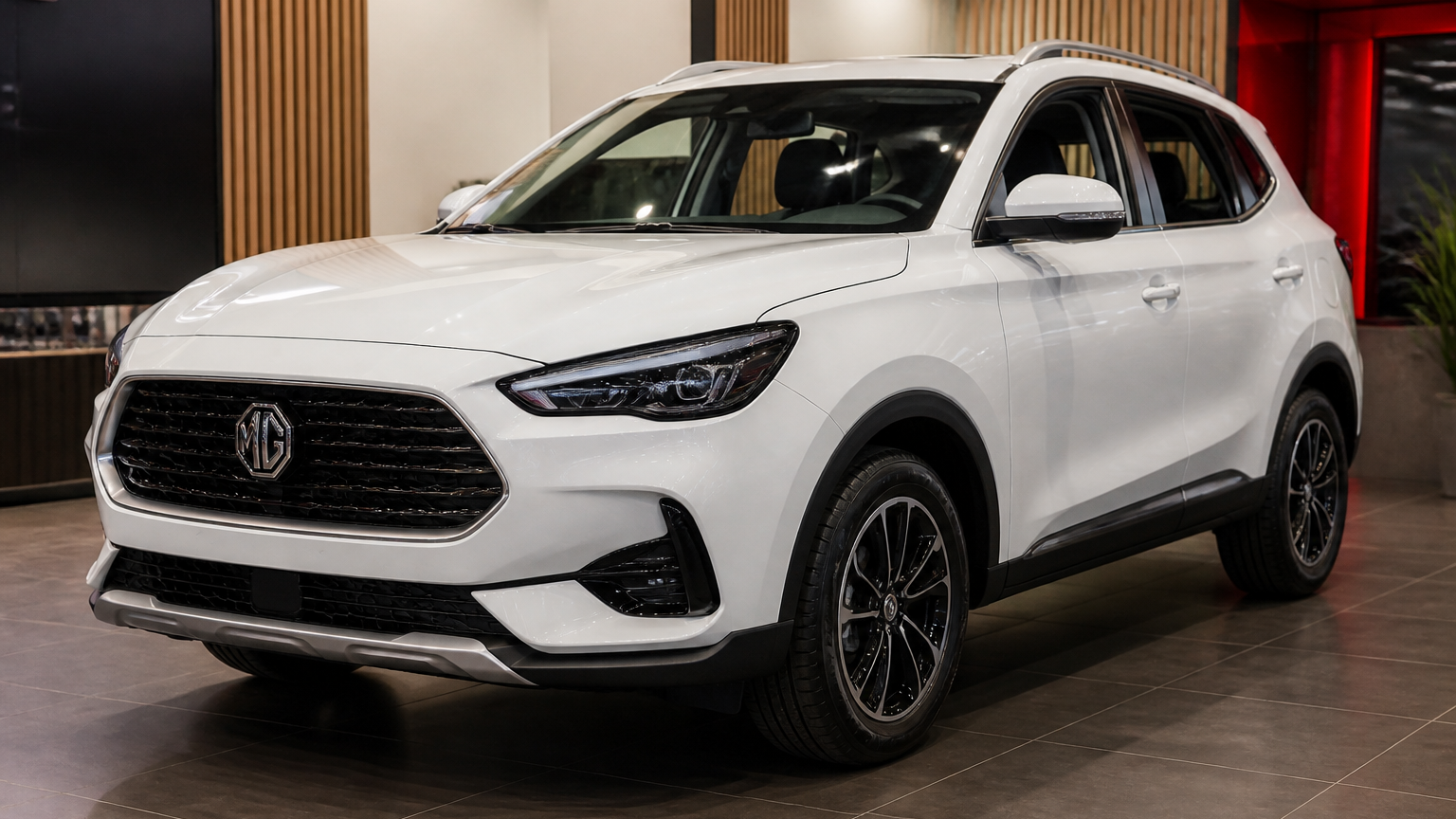
MG ZS HYBRID+ Revealed With 465 Nm Torque
MG Pakistan lists the new ZS Vibe and Hybrid+ models, but headline torque, acceleration and 3-speed transmission claims remain unverified.
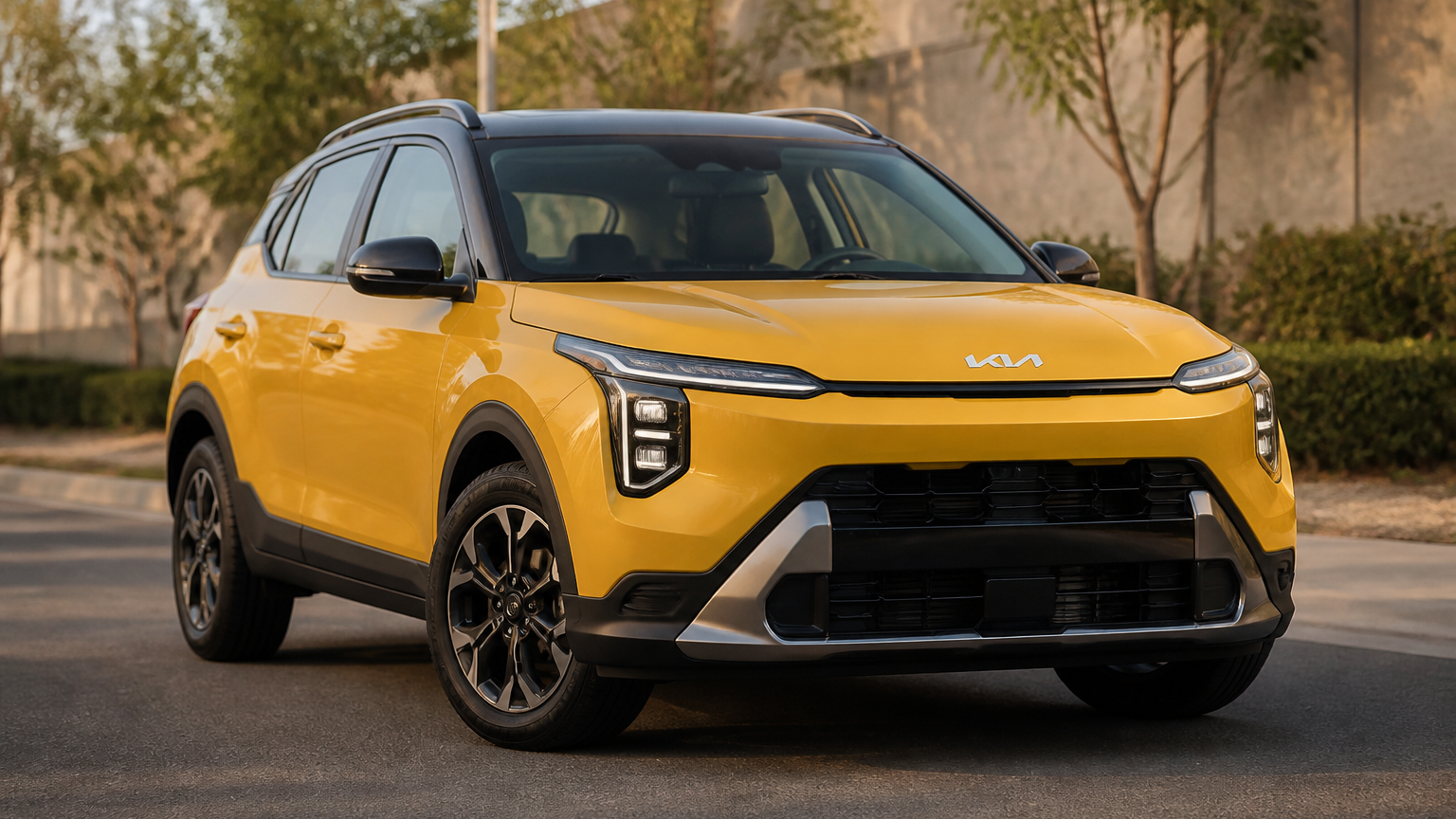
New Kia Stonic Price Starts at Rs 54.99 Lakh
Kia Stonic bookings reportedly open in Pakistan: Turbo X at Rs5.499m, Turbo S at Rs5.899m. Verify taxes, fees and on-road costs.
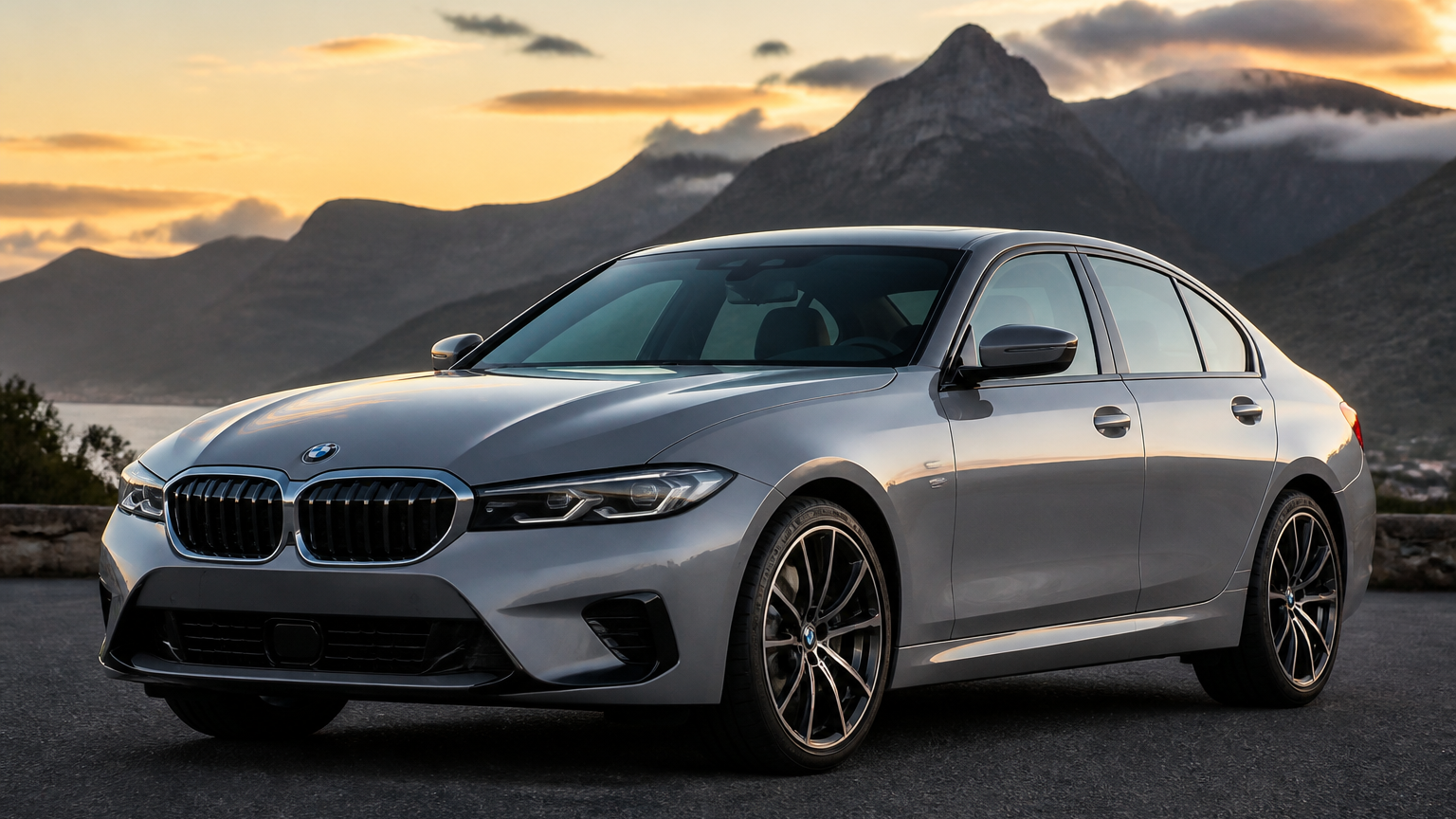
New BMW 3 Series: Petrol and EV Power
BMW’s new G50 3 Series brings petrol mild-hybrid and electric i3 choices, bold Neue Klasse styling, and 2027 deliveries. Pakistan timing is unknown.