Pakistan Auto Industry Loses Rs50 Billion as Used Car Imports Surge to 25% of Sales
Pakistan’s auto industry has lost around Rs50 billion in the past year as used car imports surged to nearly a quarter of total sales. With a policy shift allowing even older vehicles after June 2026, manufacturers warn of factory shutdowns, vendor collapse, and long-term damage to the local industry.
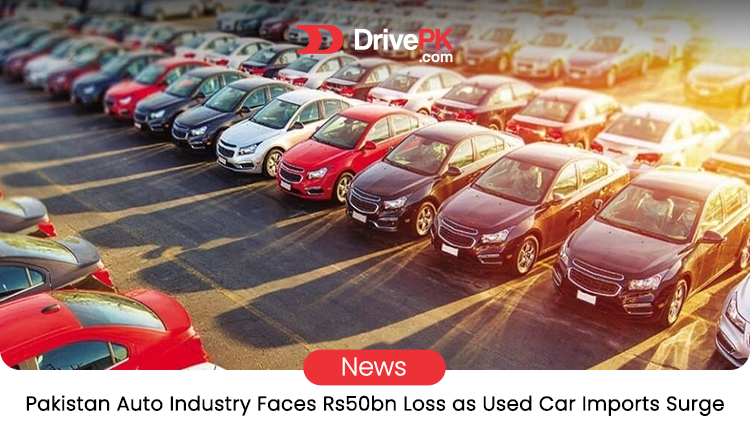
Table of Contents
- The Rule Change That Opened the Gates
- The 2026 Bomb Waiting to Drop
- Why Local Cars Can’t Compete
- But Cheap Imports Aren’t All Good News
- Someone Needs to Hit the Brakes
Local car makers are hurting badly. In the last 12 months alone, the industry says it lost around Rs50 billion. The reason? A flood of used and reconditioned cars is coming into the country.
These imported used vehicles now make up almost 25% of all car sales in Pakistan. That’s way higher than what you see in India, Bangladesh or even Thailand. And things could get worse very soon.
The Rule Change That Opened the Gates
Back in September 2025, the government made a big move. They allowed commercial imports of used cars up to five years old, with a 40% duty. Before that, most used cars came through personal baggage, gift or transfer-of-residence schemes – and numbers stayed low.
Once commercial imports started, everything changed.
From December 2024 to December 2025, over 45,000 used cars entered Pakistan. People love them. A three-year-old Japanese SUV that costs Rs10 million new here can be imported for half the price, even after duties. For middle-class families, that’s the difference between owning a good car or staying stuck with a Mehran.
The 2026 Bomb Waiting to Drop
Here’s what really scares the local manufacturers.
The same policy says that after June 30, 2026, the five-year age limit will be completely removed. Any used car, no matter how old, can come in as long as it pays the duty.
Car makers say this will kill the industry. They claim more than 1,200 factories and 2.5 million direct and indirect jobs are at risk. Big names like Toyota, Honda and Suzuki have already cut production shifts. Some plants are running at half capacity.
And it’s not just the assemblers. Thousands of small Pakistani parts makers – the vendors who supply mirrors, seats, batteries, wiring – are the ones taking the worst hit. Many could shut down for good.
Why Local Cars Can’t Compete
Let’s be honest. Pakistani-made cars are expensive for what they offer. No airbags in base models, old technology, poor fuel economy, and prices that jumped 300-400% in the last five years because of dollar rate and taxes.
A used 2022 Honda Civic from Japan comes with all the bells and whistles for the same price as a brand-new local Grande that still feels ten years behind.
People aren’t stupid. They’ll pick the better car every time.
But Cheap Imports Aren’t All Good News
Yes, buyers save money today. But if local factories close, Pakistan loses jobs, tax revenue, and the chance to ever build modern cars here. We’ll just become a dumping ground for the world’s old vehicles.
Other countries protect their industries while keeping prices reasonable. India allows used imports but with 100-200% duties. We’re heading toward zero protection after mid-2026.
Someone Needs to Hit the Brakes
The government is reportedly thinking about scrapping the personal baggage scheme that still allows older cars. That would help a little.
But the real fix is balance.
Keep duties high enough that local cars stay competitive. Give tax breaks to companies that actually bring new technology and safety features. Force assemblers to export so they grow instead of hiding behind protection.
Right now, ordinary people are happy because they can finally afford decent cars. Factory workers and vendors are terrified because their jobs are disappearing.
Both sides are right.
The question is, can Pakistan find a middle road before the entire industry collapses in 2026?
Because once those factories shut down, they never come back. For more updates, visit DrivePK.com
Tags
Share this article
About the Author

Najeeb Khan
Automotive enthusiast and writer
Comments (0)
Login Required
You need to be logged in to comment on this article.
No comments yet. Be the first to share your thoughts!
Related Articles
Toyota Corolla Discontinued Before Pakistan Facelift
Pakistan’s pre-facelift Toyota Corolla is reportedly discontinued, hinting at a facelift. Prices, bookings, specs and launch timing remain unconfirmed.
DrivePK Car Inspection Reports: Buy with Confidence
Buying a used car in Pakistan? A pre-purchase inspection can reveal hidden damage, engine issues and red flags before you pay—but it’s not enough alone.
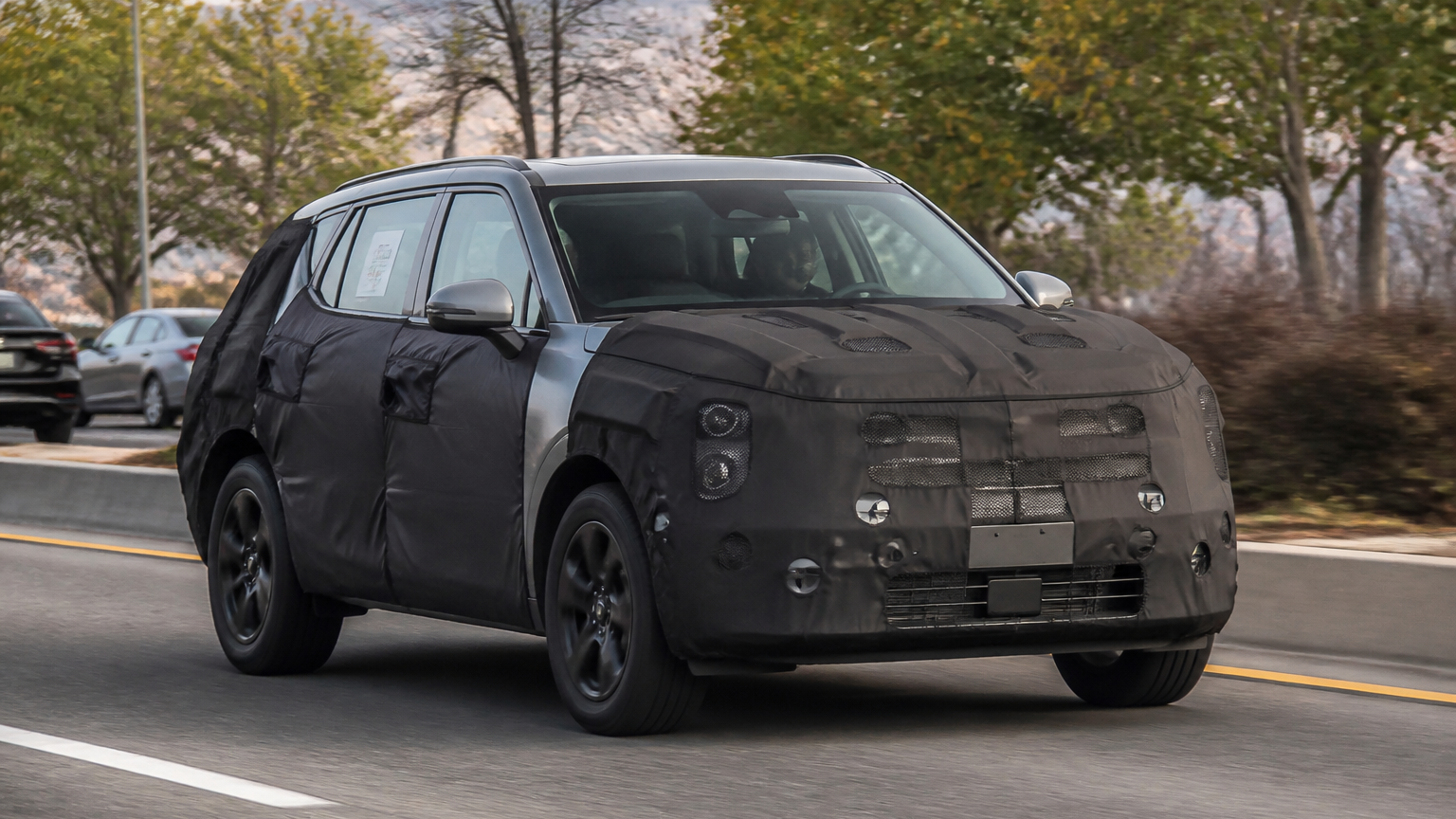
2028 Kia Sportage: Major Design Changes Spotted
Kia’s next Sportage may get a bolder, boxier redesign, with an upright profile, sharper lines, wider grille and split headlights hinted by spy shots.