Pakistan Auto Quality Crisis: NA Committee Flags Major Gaps
Lawmakers on the National Assembly Standing Committee on Industries and Production voiced strong worries about the quality of vehicles, motorcycles, electric vehicles, and auto parts made in Pakistan. They pointed out the lack of a proper regulatory body to check standards and protect buyers.
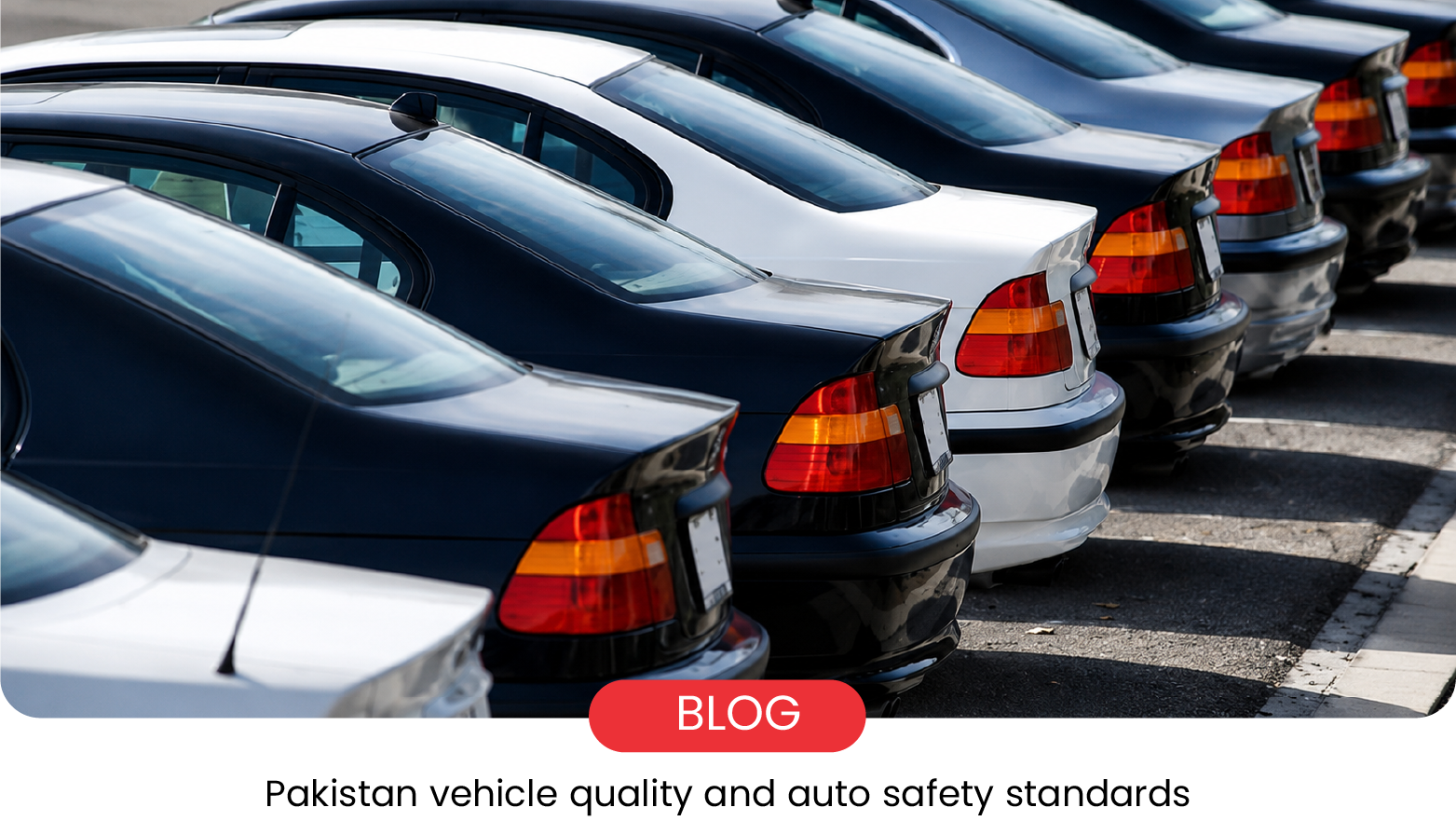
Table of Contents
- The Core Issue: No Clear Watchdog
- Why Quality Matters More Than Ever
- Industry Growth Meets Persistent Problems
- What the Committee Wants
- Impact on Consumers and the Economy
- Paths Forward for Better Standards
- Time for Action
Committee members expressed serious concerns about locally manufactured vehicles, motorcycles, EVs, and auto parts. They noted the absence of an effective regulatory body to monitor standards and ensure consumer safety. One lawmaker visited motorcycle plants and came back disappointed by what he saw.
The Core Issue: No Clear Watchdog
Who checks if cars and bikes meet basic safety and quality rules? Right now, oversight feels split and weak. The Engineering Development Board (EDB) handles some aspects of the industry. The Pakistan Standards and Quality Control Authority (PSQCA) sets standards and recently pushed a Type Approval Scheme for vehicles.
But confusion remains. The committee questioned whether any single authority truly enforces rules on the factory floor. Without strong, consistent monitoring, substandard parts slip through. This affects everything from brakes and engines to EV batteries.
Why Quality Matters More Than Ever
Road safety in Pakistan is already a big challenge. Poorly built vehicles make things worse. Faulty parts lead to breakdowns, accidents, and higher repair costs for owners.
The situation looks especially risky for electric vehicles and e-bikes. Battery failures or charging problems can cause fires or explosions. With EV adoption growing fast under government policies, weak standards put users at real danger.
Motorcycles dominate the roads. Millions of people rely on them daily. Low-quality manufacturing hits the average rider hardest – higher fuel use, frequent fixes, and safety fears.
Industry Growth Meets Persistent Problems
Pakistan's auto sector contributes significantly to the economy. It supports millions of jobs and several percent of GDP. Production and sales rebounded strongly in 2025-2026. Car sales jumped notably year-on-year, and two/three wheelers continue strong demand.
New players entered the market. EV policies aim to cut oil imports and promote greener transport. Yet rapid growth without tight quality controls creates headaches.
Local assemblers and parts makers operate in a competitive environment. Some cut corners to keep prices low. Others face pressure from imported competition or supply chain issues. The result? Inconsistent standards across the board.
What the Committee Wants
Lawmakers called for a clear review of manufacturing licenses. They want authorities to step up and define responsibilities. A dedicated, empowered regulator could set and enforce rules on safety, emissions, and performance.
PSQCA's Type Approval Scheme is a positive move. It allows testing against international benchmarks, at least initially through foreign labs until local facilities improve. But implementation needs teeth: regular factory inspections, penalties for violations, and transparent reporting.
Consumers deserve better. Clear labeling, warranty enforcement, and easy complaint systems would help. Independent testing labs could build trust.
Impact on Consumers and the Economy
Buyers feel frustrated. A new bike or car should last without constant issues. Instead, many face early problems that drain savings.
For the broader economy, poor quality damages reputation. Export ambitions suffer when international buyers question standards. Stronger regulation could actually help genuine manufacturers by weeding out bad actors and raising overall industry level.
EV transition offers huge potential – lower running costs, less pollution. But only if batteries and components meet safety norms. Rushed or unregulated growth risks setbacks and public backlash.
Paths Forward for Better Standards
Other countries improved auto quality through clear rules and investment in testing. Pakistan can learn from them.
- Clarify roles between EDB, PSQCA, and other bodies.
- Build local testing capacity quickly.
- Mandate key safety features and regular audits.
- Support smaller parts makers with technical help to meet standards.
- Involve consumer groups and experts in policy-making.
The auto industry already employs hundreds of thousands. With the right framework, it can grow responsibly, create more skilled jobs, and contribute to safer roads.
Time for Action
The committee's concerns reflect what many Pakistanis experience daily. Substandard vehicles are not just an inconvenience; they threaten lives and hold back progress.
As the sector expands, especially in EVs, strong oversight becomes essential. Policymakers, regulators, and manufacturers all have roles. Consumers should demand better and support brands that deliver quality.
This moment offers a chance to fix long-standing gaps. Effective regulation protects people today and builds a stronger industry for tomorrow. The coming weeks and months will show whether words turn into real improvements on the ground. For more updates, visit DrivePK.com
Tags
Share this article
About the Author

Najeeb Khan
Automotive enthusiast and writer
Comments (0)
Login Required
You need to be logged in to comment on this article.
No comments yet. Be the first to share your thoughts!
Related Articles
Oil Prices Near $100: Impact on Pakistan
Brent nears $100 after a sharp swing linked to China’s fuel-export curbs—but Pakistan’s petrol and diesel prices remain unchanged for now.
Pakistan Motorway Projects: PM Inauguration Soon
PM Shehbaz may inaugurate key road projects soon, including Lodhran-Multan, Peshawar Bypass and M-4 works—but no date or opening is confirmed.
Hayatabad Underpass Opens in Peshawar for Rs1.6bn
Peshawar opens a Rs1.6bn Hayatabad underpass after 90 days—promising faster commutes, but will it truly ease rush-hour traffic?