Pakistan Automotive Industry 2025: Shift to Consumer-Driven Market and Reforms
Pakistan's auto industry moves from producer control to consumer choice. Sales jumped in 2025 with a better economy and financing. Tariff reforms aim to cut costs long-term, while EVs gain from tax breaks. This shift brings more competition and options for buyers.
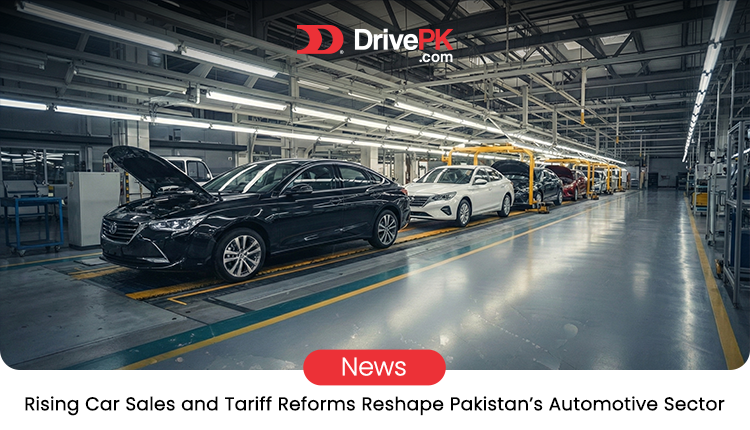
Table of Contents
- Tariff Reforms Drive Change
- Electric Vehicles Gain Ground
- More Choices for Buyers
- Policy Outlook Ahead
- Economic Ties and Future
Pakistan's car market picked up speed this year. Vehicle sales rose sharply. Up to August, sales grew 37.7 percent from last year. By October, local light vehicle sales hit 17,333 units. That's up 32 percent year-on-year. September alone saw a 67 percent jump.
But November brought a dip. Sales fell 11 percent in October. Still, the overall trend points up. A better economy helped. Financing got easier, too. People have more options now.
Brands like Toyota and Hyundai led the charge. Toyota sales rose 79 percent in October. Hyundai climbed 82 percent. Local production grew. Imports added variety.
Tariff Reforms Drive Change
The government rolled out a five-year tariff plan in the 2025-26 budget. It cuts duties step by step. Average tariffs drop from 19 percent to 9.5 percent by 2030. Fewer tariff slabs make things simpler.
Short term, prices stay high. Currency issues and strong demand keep them up. But over time, costs should ease. More competition comes in.
This shifts power to buyers. Before, producers called the shots. Now, imports and local makes compete harder. Consumers get better deals and choices.
The plan moves from protecting locals to boosting exports. It's a big turn. Auto groups say it will help the sector grow.
Electric Vehicles Gain Ground
EVs are starting to roll in Pakistan. Sales surged 64 percent this year. Why? Policies make them cheaper.
The National Electric Vehicle Policy for 2025-2030 cuts taxes and import duties. Charging tariffs dropped 45 percent in January. That's from 71 rupees per unit to about 40.
New import rules help too. Only certain people can bring in cars, but EVs get easier paths. Battery prices fell, pushing adoption.
It's slow, but steady. The government wants cleaner roads. Tax breaks draw makers. Consumers eye savings on fuel.
More Choices for Buyers
The market now offers more segments. Small cars, SUVs, and pickups are all growing.
Local assembly expands. Imports fill gaps. Buyers pick based on needs, not just what's available.
Financing plays a role. Banks offer better loans. That pulls in middle-class families.
But challenges remain. High prices bite. Inflation hurts. Yet reforms promise relief.
Policy Outlook Ahead
Auto Policy 2026-31 is in the works. Leaders want a balance between taxes and customs. Focus on strict rules without hurting growth.
Past tweaks show a response. Like cutting the hybrid tax from 25 percent back to 8.5 percent. Government listens, sometimes.
This evolution matters. Autos tie to jobs and the economy. More competition means better products.
Economic Ties and Future
A thriving auto sector boosts manufacturing. Exports could rise with reforms.
Consumers drive it now. Their choices shape what's made and sold.
But watch for bumps. Currency swings or global issues could slow things down.
Overall, 2025 marked a pivot. From protected to open. Buyers win in the end.
And that's the road ahead for Pakistan's autos. For more updates, visit DrivePK.com
Tags
Share this article
About the Author

Najeeb Khan
Automotive enthusiast and writer
Comments (0)
Login Required
You need to be logged in to comment on this article.
No comments yet. Be the first to share your thoughts!
Related Articles
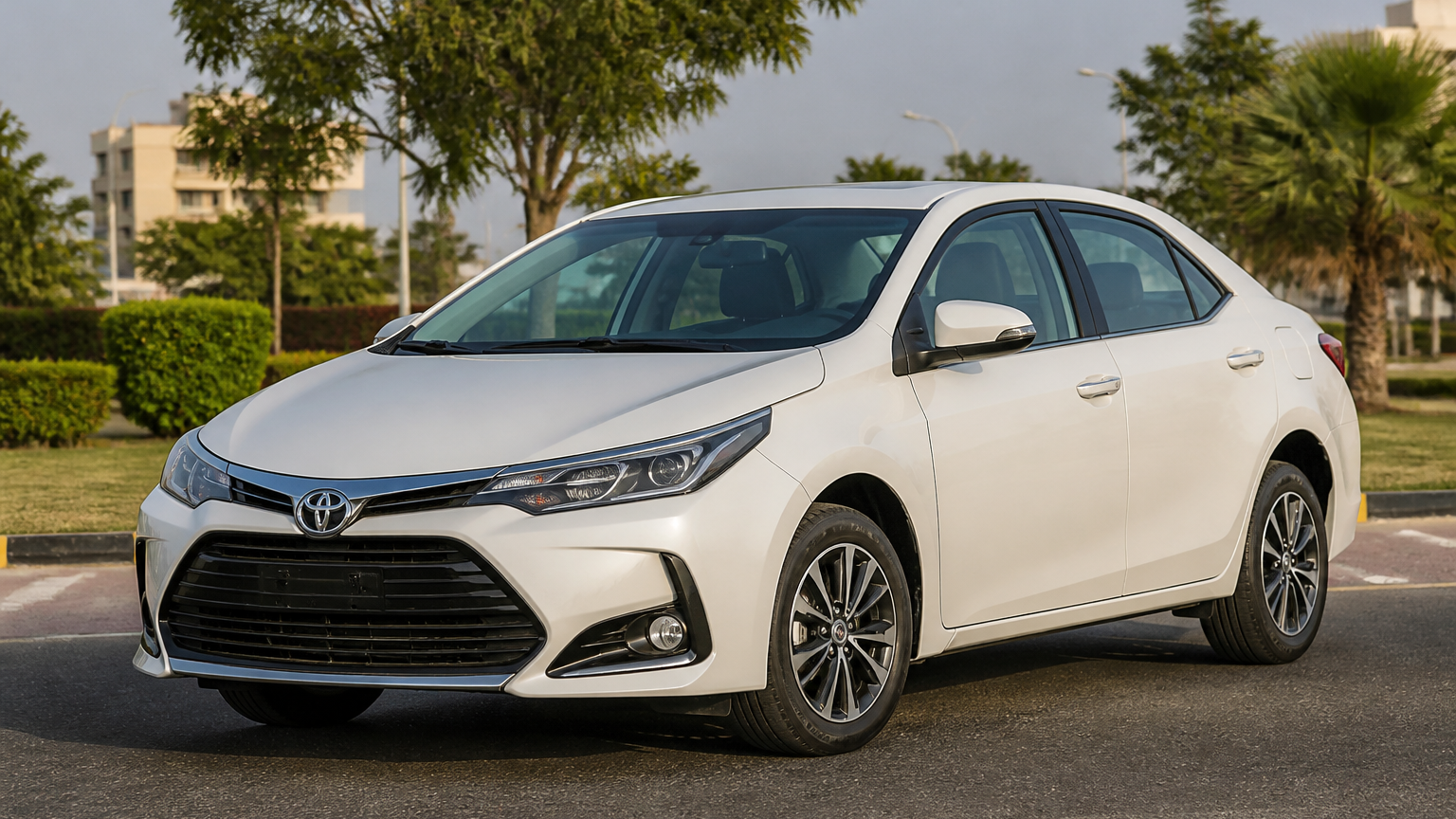
Toyota Corolla Discontinued Before Pakistan Facelift
Pakistan’s pre-facelift Toyota Corolla is reportedly discontinued, hinting at a facelift. Prices, bookings, specs and launch timing remain unconfirmed.
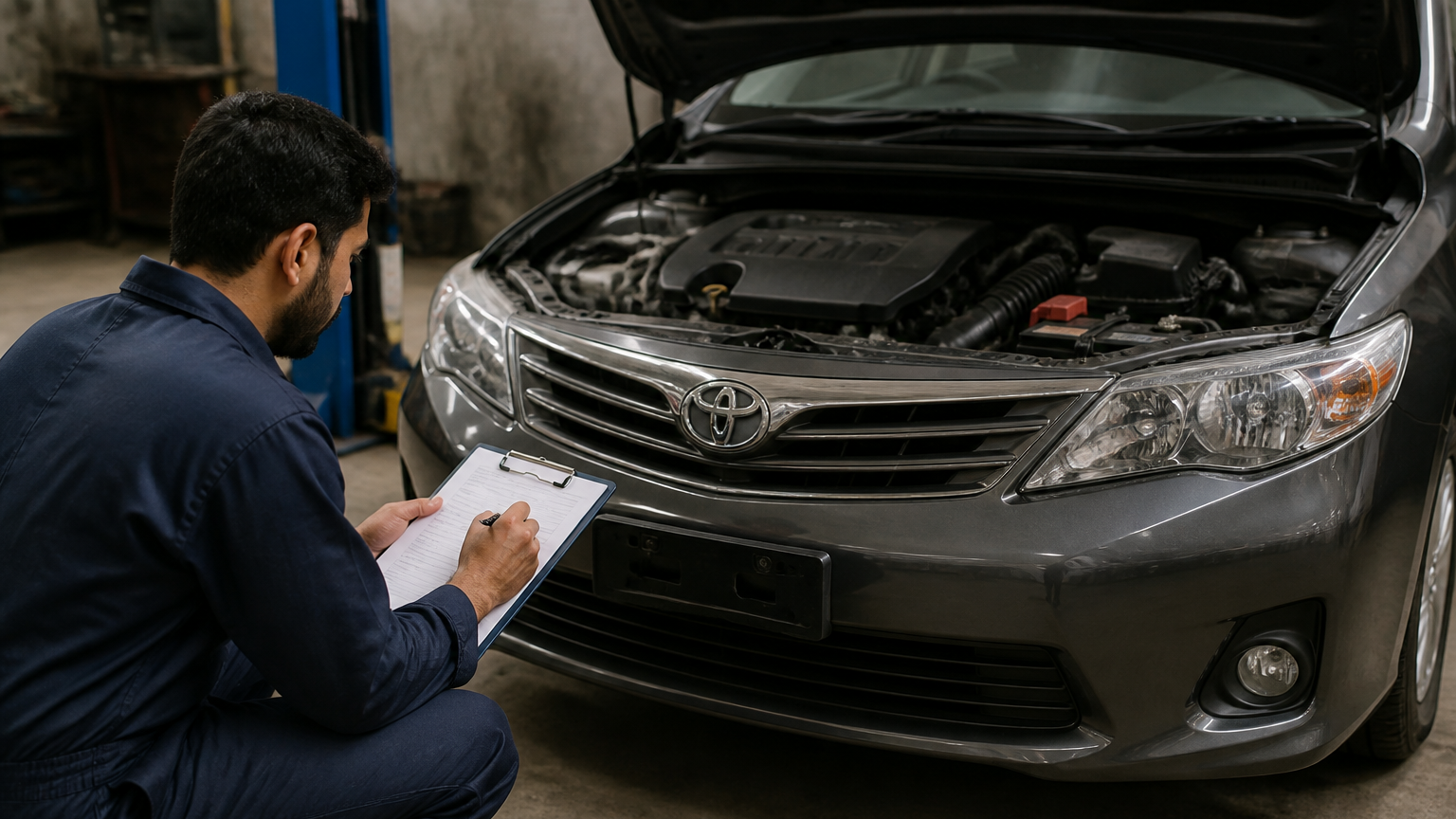
DrivePK Car Inspection Reports: Buy with Confidence
Buying a used car in Pakistan? A pre-purchase inspection can reveal hidden damage, engine issues and red flags before you pay—but it’s not enough alone.
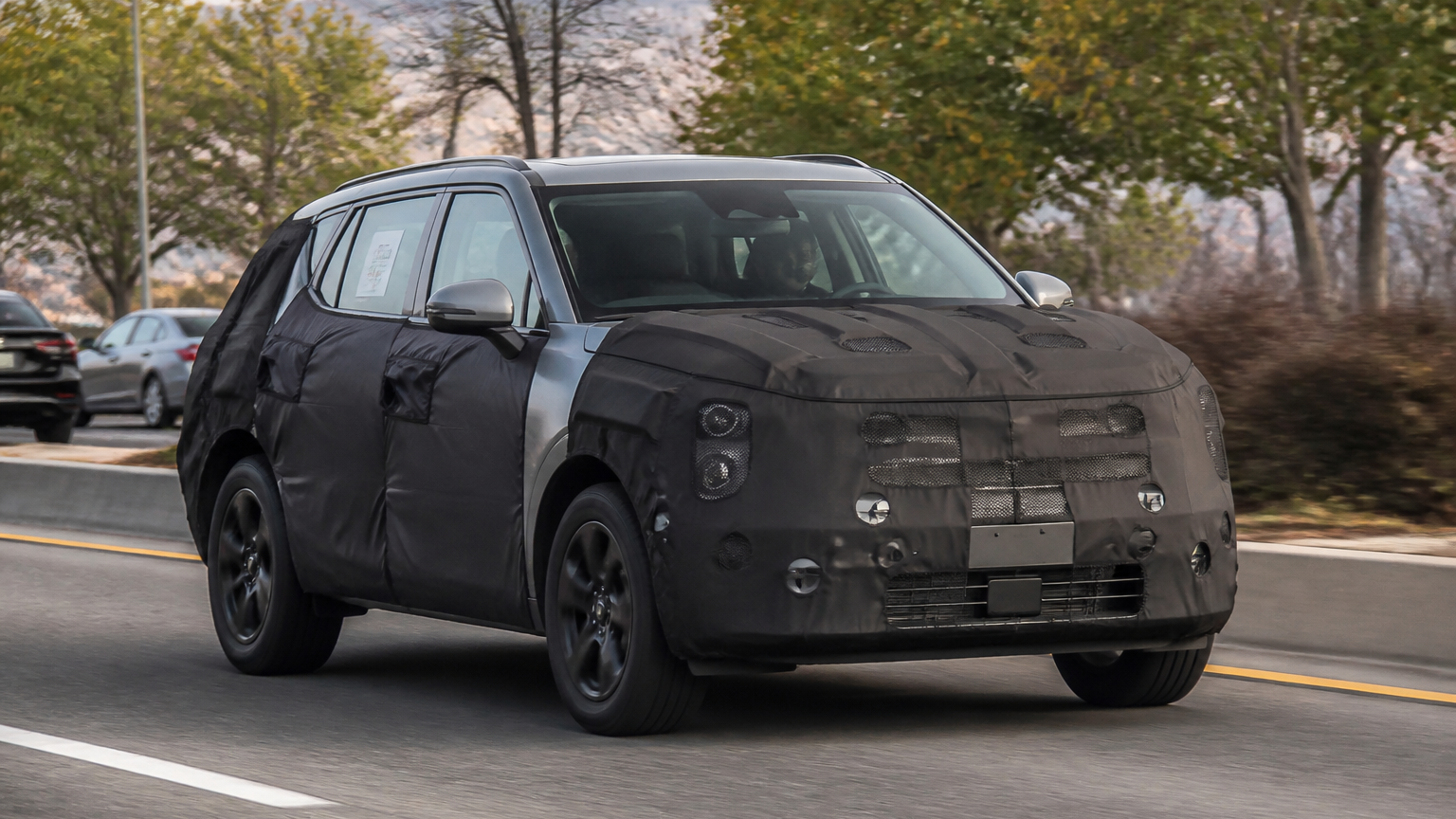
2028 Kia Sportage: Major Design Changes Spotted
Kia’s next Sportage may get a bolder, boxier redesign, with an upright profile, sharper lines, wider grille and split headlights hinted by spy shots.